


Saving money doesn’t have to mean living like a monk. It’s about making small, strategic choices that add up over time, so you can keep enjoying the little luxuries that make life sweet. Here are 13 tiny ways to save money every day without feeling the pinch, turning financial wisdom into a lifestyle that feels both savvy and sustainable.
1. Make Coffee at Home

You might love the ritual of grabbing a coffee on your way to work, but those $5 lattes add up fast. Brewing your own coffee at home can save you hundreds of dollars a year without sacrificing your caffeine fix. By investing in a quality coffee maker and some gourmet beans, you can enjoy a better cup of joe for pennies on the dollar. Plus, you get the added satisfaction of mastering the art of the perfect brew.
According to a study by the National Coffee Association, the average American spends $1,100 annually on coffee. By making your own, you could easily redirect that cash to something more meaningful. Whether it’s going toward a vacation fund or investing in a new hobby, those savings can make a real difference. Ultimately, it’s a small change that offers big returns, financially and personally.
2. Cook in Bulk

It might seem daunting at first, but cooking in bulk is a time-saving, cost-effective strategy. By preparing meals for the week all at once, you reduce the temptation to order takeout. You’ll use fewer ingredients, which means lower grocery bills and less food waste. Plus, it frees up time during the week, leaving you with more headspace to tackle life’s challenges.
When you have ready-to-eat meals waiting for you, the convenience makes it easier to resist dining out. You also gain control over portion sizes and ingredients, allowing for healthier eating habits. Even better, the variety of meals you can prepare means you never get bored. Embrace this strategy, and your wallet and waistline will thank you.
3. Use a Grocery List

Heading to the grocery store without a plan is like going into battle unarmed. A grocery list acts as a roadmap, keeping you focused and minimizing impulse buys. Not only does this reduce your grocery bill, but it also ensures you only buy what you truly need. The result? Fewer forgotten food items languishing in the back of your fridge.
A study from the Journal of Consumer Affairs found that shoppers who use grocery lists save an average of 23% on their food bills. This simple tool helps you stick to your budget by eliminating the guesswork. It’s like turning your shopping trip into a game of financial strategy, where you always come out on top. Plus, with all the apps available now, making and managing a list has never been easier.
4. Opt for Generic Brands

Brand loyalty can often be more about habit than quality. Many store-brand products are just as good as their name-brand counterparts, yet they cost less. Whether it’s pantry staples or pharmaceuticals, choosing generics can lead to significant savings. Often, these products are manufactured by the same companies that make the pricier versions.
Making the switch can be a surprisingly painless way to save money. You’ll find that most generic products offer the same quality and taste, minus the flashy marketing. Trying out a few store brands might lead you to discover new favorites. It’s a minor adjustment with a major impact on your monthly expenses.
5. Cancel Unused Subscriptions

It’s easy to lose track of all those monthly subscriptions that silently drain your bank account. From streaming services to magazine subscriptions, many of these are rarely used. Evaluating and canceling the ones you don’t use can give your budget an instant boost. The key is to distinguish between what you truly need and what simply eats away at your funds.
A report by West Monroe found that Americans underestimate their subscription spending by $133 each month. By taking a closer look at your bank statements, you can spot and eliminate unwanted expenses. This small audit helps you reclaim money for the things you actually enjoy. It’s an effortless way to make your budget work harder for you.
6. Walk or Bike More

Transport costs can take a hefty bite out of your budget, but there’s a healthier, cheaper alternative. Walking or biking not only saves money on gas and public transit fares but also boosts your physical health. It’s an easy way to integrate exercise into your daily routine, cutting gym costs as well. Plus, reducing your carbon footprint is a bonus you can feel good about.
By choosing to walk or bike, you’re choosing savings, fitness, and sustainability all at once. It’s about finding joy in the journey, where even a mundane commute becomes an adventure. You’ll become more in tune with your surroundings, noticing things that would otherwise fly by in a car. This lifestyle shift can transform your finances and your well-being in one fell swoop.
7. Use Cashback Apps

Think of cashback apps as a modern-day coupon book, without the hassle of clipping. These apps reward you for shopping, offering a percentage of your purchase back in cash. By using them regularly, your everyday spending turns into an opportunity to save. It’s a smart way to get a little extra from buying what you need anyway.
Research from the Consumer Financial Protection Bureau shows that consumers can save up to 5% on purchases by using cashback apps. This might not sound like much, but it adds up significantly over time. It’s like getting a small rebate every time you shop, which can be reinvested in your savings or spent on something special. With minimal effort required, it’s a win-win for your wallet and peace of mind.
8. Embrace Minimalism

In a world that constantly pushes consumerism, embracing minimalism can feel like a breath of fresh air. It’s about valuing quality over quantity and investing in fewer, better things. By decluttering your life, you not only reduce unnecessary spending but also cultivate a sense of peace and focus. This streamlined lifestyle can free up both physical space and mental energy.
The beauty of minimalism is that it encourages mindful consumption. You become more attuned to what truly brings you joy and satisfaction. Instead of making impulsive purchases, you invest in items that serve a purpose and have enduring value. Over time, this shift leads to more meaningful and conscious spending habits.
9. DIY Basic Home Repairs

You don’t have to be a handyman to tackle small home repairs. With a little research and a few basic tools, you can save money and gain a valuable skill. From fixing a leaky faucet to patching holes in the wall, many projects are easier than they seem. Plus, doing it yourself is often faster and more convenient than waiting for a professional.
Tackling home repairs can be incredibly empowering. You develop a sense of capability that spills over into other areas of your life. Even better, you sidestep the often exorbitant costs associated with hiring professionals for minor fixes. It’s about taking control of your environment and your finances, one project at a time.
10. Opt for Reusable Items

Investing in reusable items is a win for both your wallet and the environment. From water bottles to grocery bags, these small substitutions reduce waste and save money. You’ll find that many reusable products are durable and designed to last, offering long-term savings. The initial investment is quickly offset by the reduction in disposable purchases.
Embracing reusable items means you’re making a choice for sustainability. It’s a subtle, everyday way to take a stand for the planet. More so, it instills a mindset of conservation and resourcefulness. This small shift in behavior can lead to big savings and a healthier planet.
11. Buy Seasonal Produce
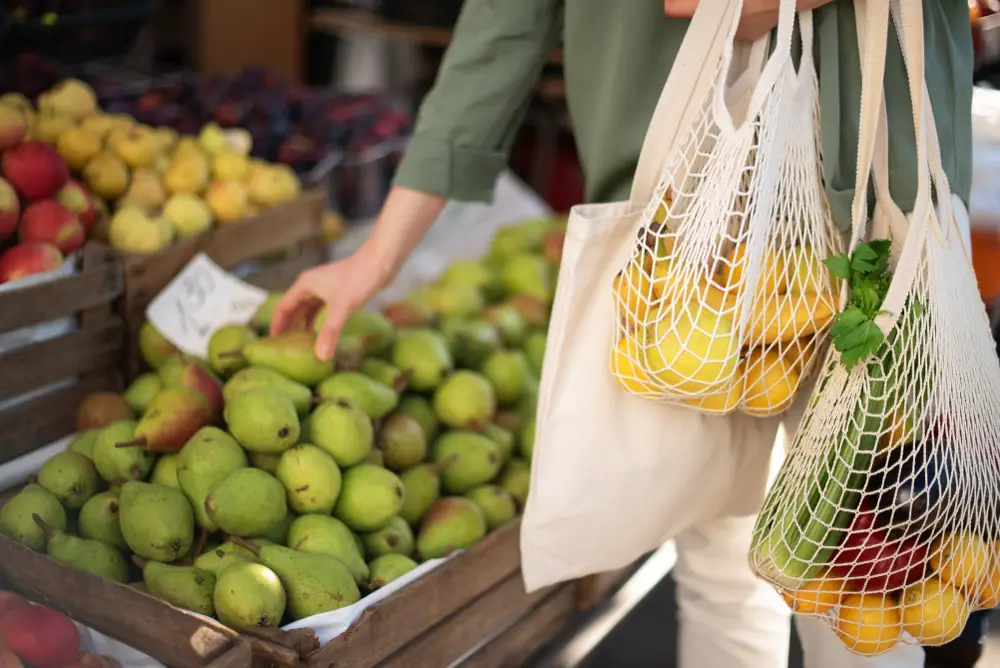
When it comes to fresh produce, timing is everything. Buying fruits and vegetables in season means you’re getting them at their peak flavor and lowest cost. Farmers’ markets and local grocers often have the best deals, allowing you to enjoy high-quality produce without overspending. You’ll also be supporting local agriculture, which is a nice added bonus.
Seasonal buying encourages you to try new ingredients and recipes, keeping mealtime exciting. It connects you to the natural rhythm of the seasons, which can be deeply satisfying. Additionally, seasonal produce is often fresher and more nutritious, offering better value for your money. This simple habit can enhance both your diet and your budget.
12. Unplug Electronics

The small act of unplugging electronics when they’re not in use can lead to noticeable savings on your energy bill. Known as “phantom load,” the energy consumed by devices in standby mode can account for up to 10% of your electricity bill. By turning off power strips or unplugging gadgets, you can lower your monthly costs without sacrificing convenience. It’s a subtle tweak that leads to cumulative savings over time.
Making this a regular habit can lead to a more environmentally friendly household. You’re reducing energy waste, which is good for the planet and your pocketbook. It’s about becoming more conscious of your energy consumption and its impact. As these small changes add up, you’ll enjoy the financial and ecological benefits.
13. Set Up an Automatic Transfer to Savings

Automating your savings might be the easiest way to build a financial cushion without even thinking about it. By setting up a recurring transfer from your checking to your savings account, you prioritize saving before spending. Even a small amount, like $20 a week, can grow significantly over time thanks to compound interest. It’s a set-it-and-forget-it strategy that empowers you to save effortlessly.
Watching your savings grow can be incredibly motivating. It’s a tangible reward for your discipline, showing how little actions lead to big results. This strategy reduces the temptation to spend money that should be saved. Ultimately, automating your savings is about building a future where your financial goals are within reach.
This article is for informational purposes only and should not be construed as financial advice. Consult a financial professional before making investment or other financial decisions. The author and publisher make no warranties of any kind.