


Paying with cash might seem old-fashioned in a world dominated by cards and digital wallets, but there are compelling reasons to keep some physical currency handy. Whether it’s about privacy, avoiding fees, or sticking to a budget, using cash can offer advantages that plastic can’t. Here’s a list of 14 things you should consider paying for in cash to make your life simpler and perhaps a tad more secure.
1. Small Purchases
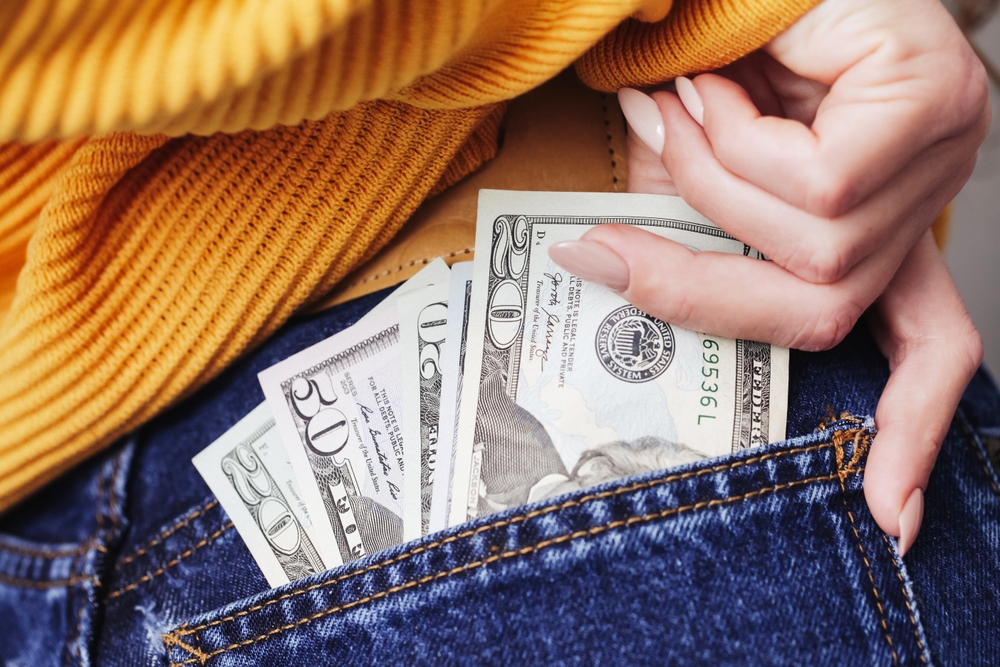
When you’re grabbing a coffee or picking up a quick snack, reaching for cash can be more efficient than swiping a card. Using cash for small purchases helps you avoid those pesky transaction fees some credit card companies impose, which can add up over time. Furthermore, paying in cash can keep you from overspending, as you’re more likely to stick to your budget when you see the money physically leaving your wallet. It’s a simple way to practice mindful spending and maintain control over your finances.
Interestingly, a study from MIT found that people are willing to spend up to twice as much for the same item when using a credit card compared to cash. This phenomenon, known as the “credit card premium,” suggests that cash payments can psychologically curb excessive spending. When you feel the cash leaving your hands, you might think twice before making an impulsive purchase. So, for those looking to save, cash is a powerful ally.
2. Local Markets
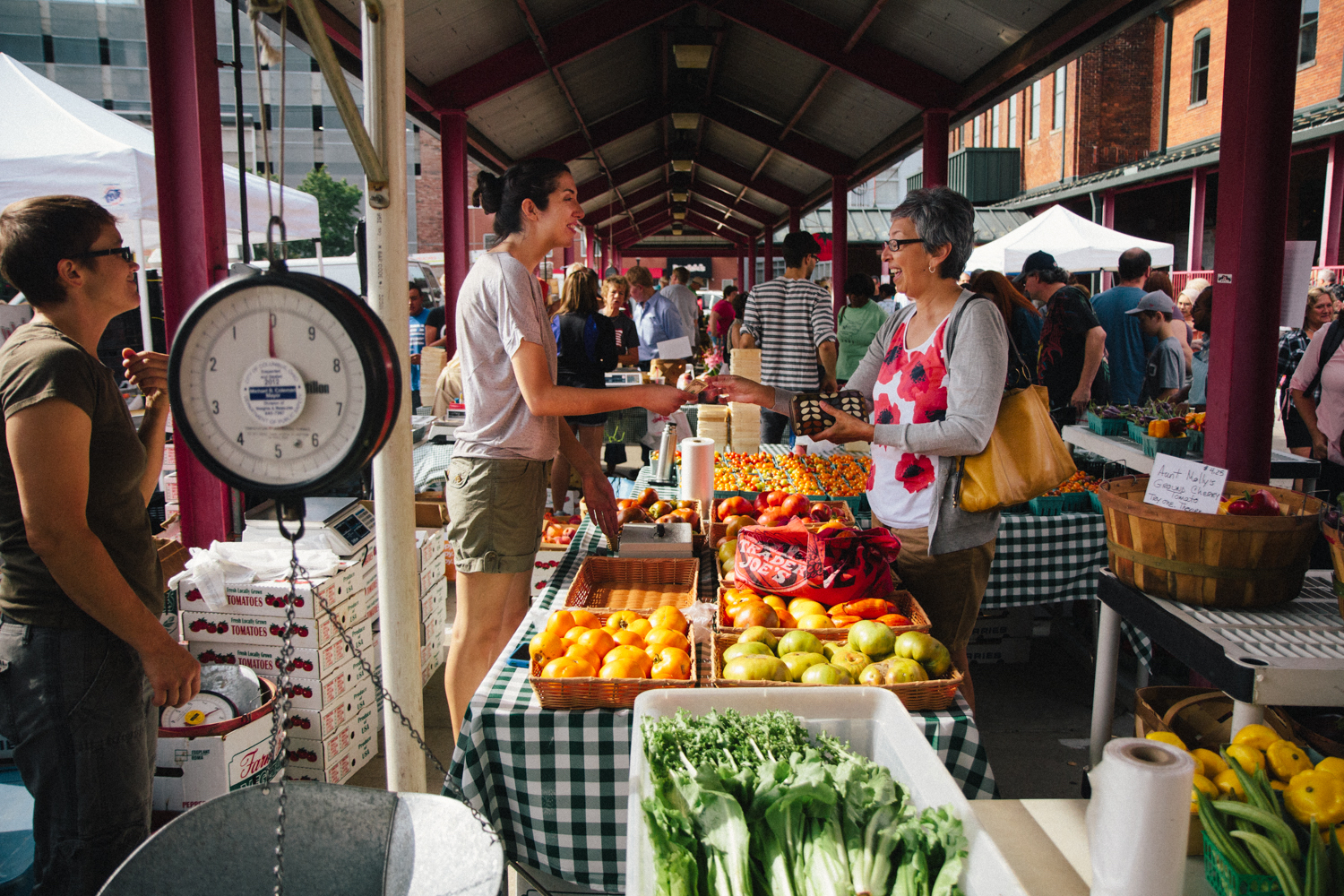
Farmers’ markets, craft fairs, and local events often prefer cash transactions. Vendors at these venues typically operate on tight margins and appreciate not having to pay credit card processing fees. Moreover, cash allows for quicker transactions, which means less time waiting in line and more time enjoying the event. Don’t forget that cash payments can sometimes offer leverage for negotiating small discounts.
Using cash at these events also supports local economies in a more direct way. When you hand over cash, you’re ensuring the vendor receives the full payment without any deductions. Plus, it fosters a sense of community, as cash transactions often lead to more personal interactions. So, next time you head to a local market, consider leaving the card at home.
3. Tipping Workers
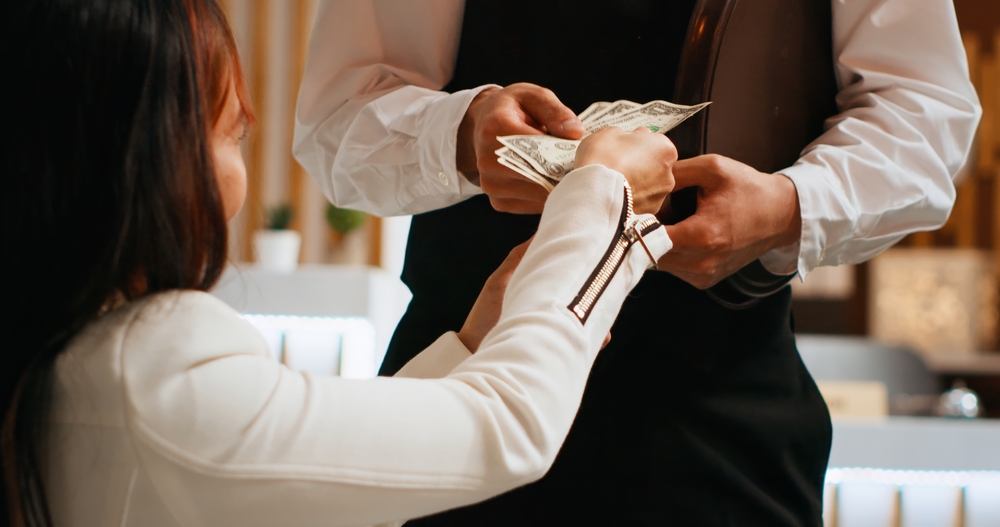
Whether it’s a barista crafting your morning latte or a valet parking your car, cash tips are a surefire way to make sure the worker receives your appreciation in full. Many service workers rely heavily on tips, and cash ensures they get it right away without waiting for end-of-week payouts. Plus, some establishments pool credit card tips, which might not be distributed as intended. Handing over a cash tip feels more personal and direct.
According to a report by the Economic Policy Institute, service workers often face income instability, making immediate cash tips essential for daily expenses. When you tip in cash, you also dodge the risk of the establishment taking a cut of the tip due to card processing fees. It’s a small gesture that can make a significant impact on someone’s day. And let’s be honest, who doesn’t love the immediacy of cash in hand?
4. Budget Planning

If you’re trying to stick to a budget, using cash can be an incredibly effective tool. When you allocate a specific amount of cash for your weekly expenses, it forces you to prioritize purchases more carefully. Once the cash is gone, it’s gone—there’s no dipping into next week’s budget. This can lead to smarter spending habits and better financial management.
In fact, many financial advisors recommend the envelope system, where you divide your cash into different envelopes for each category of spending. This visual and tactile approach to budgeting makes it easier to see exactly where your money is going. It also reduces the temptation to overspend, as you can physically see when you’re running low. For people who struggle with digital budgeting apps, cash-based budgeting can be a game-changer.
5. Little Known Online Stores
In an age where every swipe is tracked, some people prefer the anonymity that cash provides. Using cash means there’s no electronic trace of your purchase, which is appealing for those concerned about data privacy. It’s particularly beneficial in this era of frequent data breaches and identity theft incidents. Keeping some transactions off-grid can provide peace of mind.
Data from Pew Research Center shows an increasing awareness and concern about personal data privacy among consumers. With cash, you’re not just protecting your current privacy but also ensuring that your purchase habits aren’t sold or analyzed without your consent. When your transactions are private, you’re less susceptible to targeted ads and sales pitches. For privacy-conscious consumers, cash is more than just money; it’s a safeguard.
6. Nights on the Town

Going out for a night on the town? Bringing cash can help you stick to your entertainment budget and avoid the morning-after regret of discovering a hefty credit card bill. Cash payments at bars and clubs are often quicker, reducing time waiting and more time dancing. Plus, it makes splitting cover charges and cab fares much easier with friends.
Cash also adds an element of safety during nights out. Should your wallet go missing, having only limited cash means minimizing your financial loss. Additionally, some establishments offer discounts for cash payments, as it saves them credit card fees. So, as you plan your next evening out, consider keeping the festivities cash-friendly.
7. Small Debts
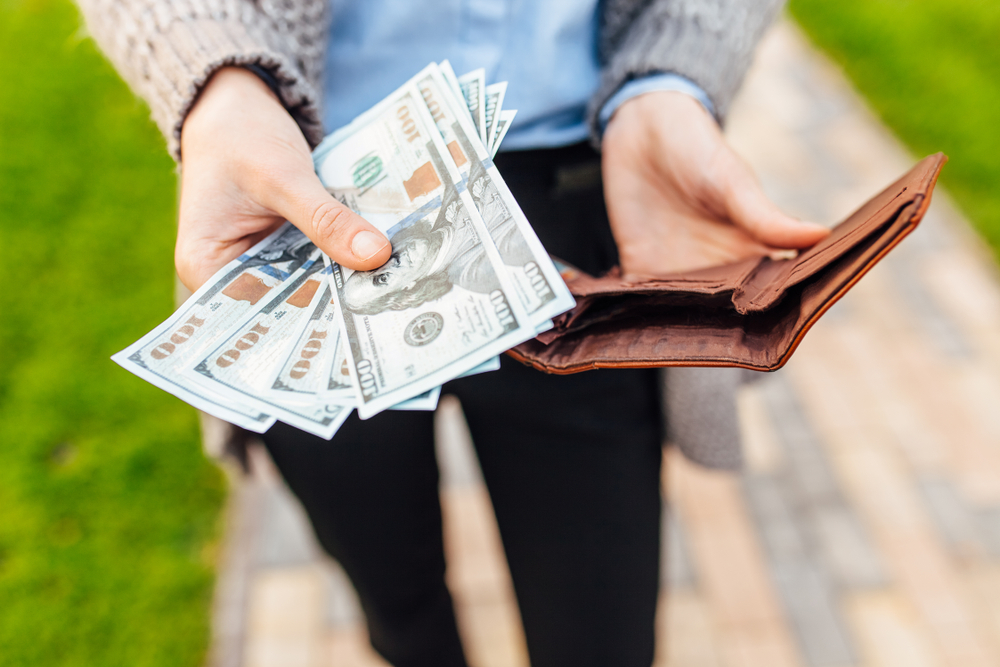
Settling small personal debts with cash can simplify the process and avoid misunderstandings. Whether you owe a friend for dinner or your share of a group gift, cash payments finalize the transaction immediately. There’s no need to remember to Venmo them later or check if your bank app has processed the payment. It’s clean, quick, and leaves no room for error.
A survey conducted by the Federal Reserve found that cash is still a popular choice for small, person-to-person transactions. People appreciate the directness and clarity it brings, ensuring both parties have a clear understanding of the payment. Plus, it’s often more polite, saving your friends or family from dealing with extra online transactions. So next time you’re settling up, consider reaching for your wallet instead of your phone.
8. Dining Out

Splitting the bill when dining out can lead to confusion and frustration, but cash can simplify the process. Instead of waiting for the server to run multiple cards or figuring out who ordered what, everyone can put in their share. This not only saves time but also makes tipping the server easier and more equitable. Plus, it’s a great way to ensure you don’t accidentally overspend on a night out.
Using cash for group meals can also prevent any accidental overcharges or mistakes that might occur when splitting electronically. It offers a tangible way to ensure everyone pays their fair share without the hassle of post-dinner Venmo requests. Additionally, cash transactions can make it easier to manage your personal budget for dining out. So when you’re heading to a restaurant with friends, consider hitting an ATM first.
9. Secondhand Items

When buying secondhand items, whether at a garage sale or through classified ads, cash is often the preferred currency. Sellers appreciate the immediacy of cash and might even offer discounts for cash payments. This can make negotiations smoother and more successful. Plus, you avoid the delays and fees associated with digital payment platforms.
Cash transactions for secondhand purchases also facilitate trust between buyer and seller. You walk away with your item immediately, and the seller receives payment without delay. It’s a straightforward exchange that benefits both parties. Also, carrying a set amount of cash can keep you from impulsively buying items you don’t truly need.
10. Public Transport

For quick errands like a taxi ride or when you’re in a hurry, cash can be the fastest method of payment. There’s no need to fumble with cards or devices—just hand over the cash and go. This can be particularly helpful in areas where card readers are unreliable or in taxis that don’t accept cards. It’s a matter of simplicity and convenience.
Moreover, having cash for transportation can be a lifesaver in an emergency. If your phone dies or there’s a power outage, cash is your reliable backup plan. It ensures you’re never stranded without a means to get home. It’s a small comfort that can make a big difference when you’re on the move.
11. Gift Giving
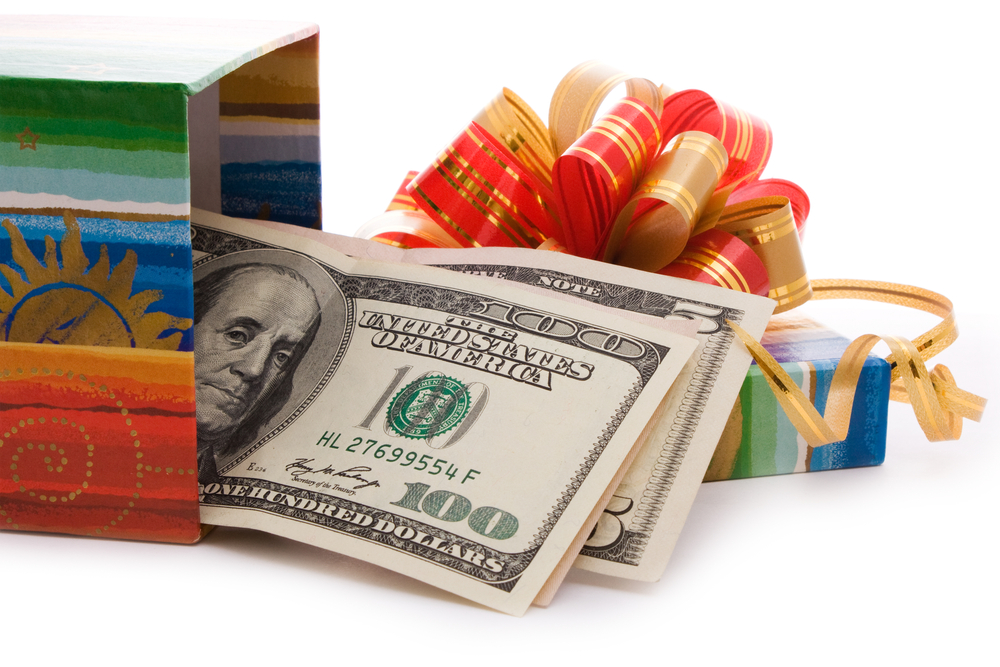
When it comes to giving gifts, cash can be a practical and appreciated option. While some may argue it lacks the personal touch, cash ensures the recipient can purchase exactly what they want or need. It’s especially useful for occasions like weddings or graduations, where the recipient might be saving for a larger purchase. Cash gifts are versatile and always in style.
Additionally, presenting cash in a thoughtful card can add a personal touch. It demonstrates that you respect the recipient’s preferences and trust them to make the best choice for themselves. For those who have enough “stuff,” cash can also be a welcome alternative to yet another item to store. It’s a gesture of generosity and thoughtfulness wrapped in one.
12. Emergency Situations
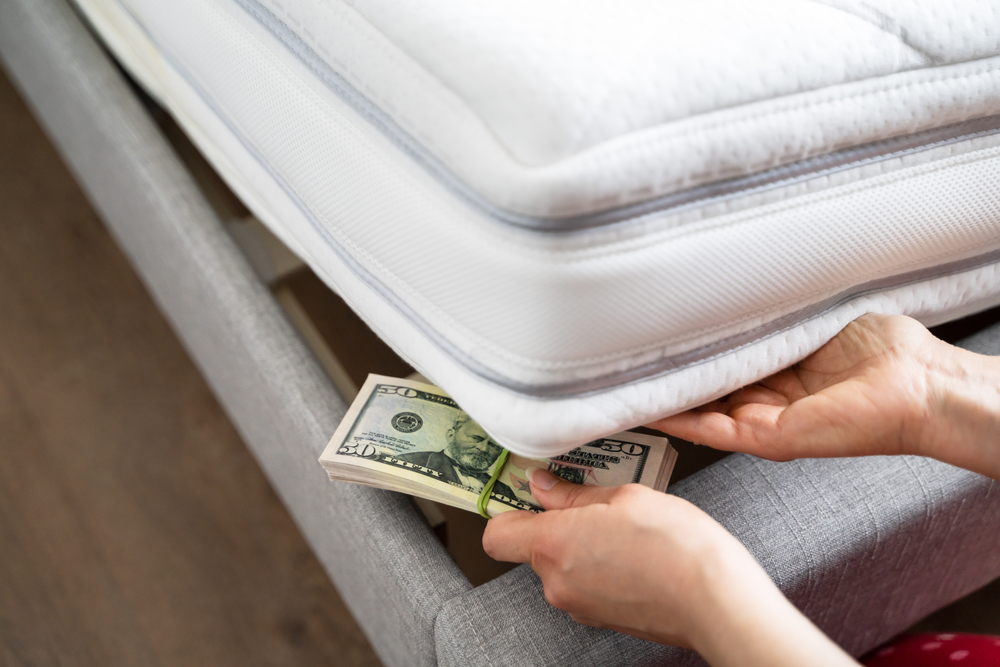
Having cash on hand during emergencies can make a significant difference. Whether it’s a natural disaster where electronic payments are down or unexpected medical expenses, cash can be crucial. In such situations, ATMs might be non-functional, and having cash ensures you can purchase essentials. It’s about being prepared for the unexpected.
Financial advisors often recommend keeping a small emergency cash fund at home. This is not only for peace of mind but also for practical reasons. When systems fail, cash still speaks. It’s a reliable backup that ensures you’re not entirely at the mercy of digital systems.
13. International Travel
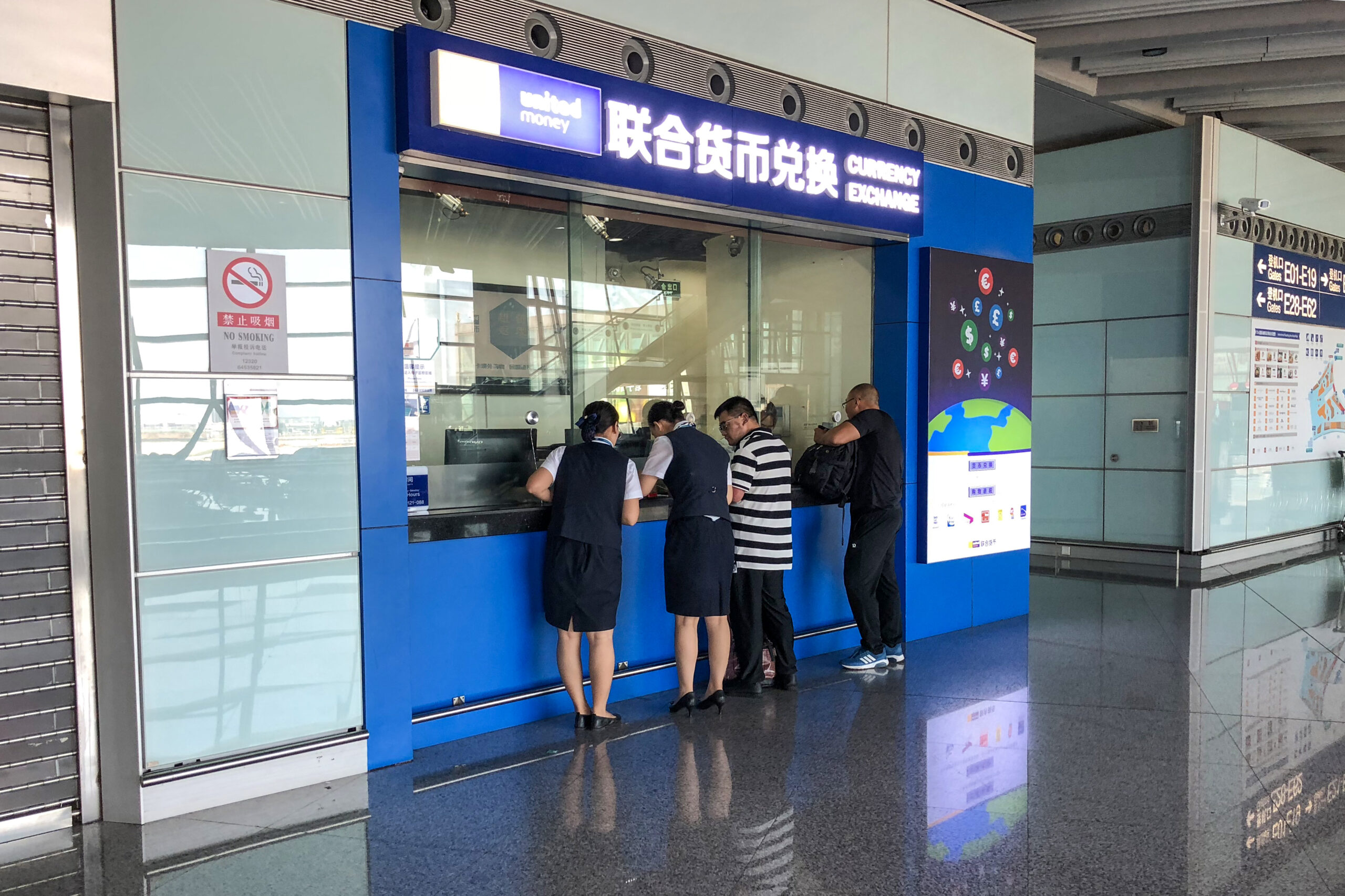
When traveling abroad, it’s always wise to carry some local currency. Not every location accepts credit cards, and having cash can simplify transactions at local markets, small shops, or rural areas. It can save you from unfavorable exchange rates at card payments and help you avoid foreign transaction fees. Plus, cash can act as an emergency reserve if your cards are lost or stolen.
Having local cash on hand also enhances your travel experience. It allows for more spontaneous adventures, like hopping on a local bus or indulging in street food. You’ll find that cash is often the key to interacting with locals and experiencing a culture more authentically. It’s a travel essential that keeps you flexible and ready for anything.
This article is for informational purposes only and should not be construed as financial advice. Consult a financial professional before making investment or other financial decisions. The author and publisher make no warranties of any kind.