


Parenting often feels like a tightrope walk on a budget, where every penny counts. While it’s tempting to spend on things marketed as must-haves for your kids, the truth is, they might not even notice if you cut a few costs. Here are 13 parent expenses you can ditch without your kids missing a thing, helping you save money while keeping your children happy and healthy.
1. Over-the-Top Birthday Parties

Throwing an extravagant birthday party can feel like a rite of passage for modern parents. However, kids often remember simple joys like playing with friends more than the elaborate themes or expensive venues. A study by Child Development Research found that children value experiences and attention over materialistic celebrations. Instead of booking a costly entertainer or decorator, consider a more intimate gathering at home or a local park.
The truth is, children thrive on meaningful interactions rather than lavish displays. You can create unforgettable moments with homemade cakes and fun DIY games, fostering creativity and bonding. The pressure to outdo last year’s party might come from social media rather than actual child expectations. Remember, the real gift is the time spent together.
2. Trendy Designer Clothing

It’s easy to be swayed by the allure of dressing your little one in the latest fashionable threads. But let’s face it: kids outgrow clothes faster than you can say “clearance sale.” While designer labels might impress other parents, your child is unlikely to care about the brand on their jeans. Plus, they’re just as likely to spill juice or find mud, brands be damned.
Opt for durable, affordable clothing that can withstand the wear and tear of childhood. Thrift stores and hand-me-downs can be treasure troves of stylish finds without the hefty price tag. This approach also fosters a mindset of sustainability and practicality both for you and your children. You’ll also teach them that value isn’t tied to a logo.
3. Endless Toys
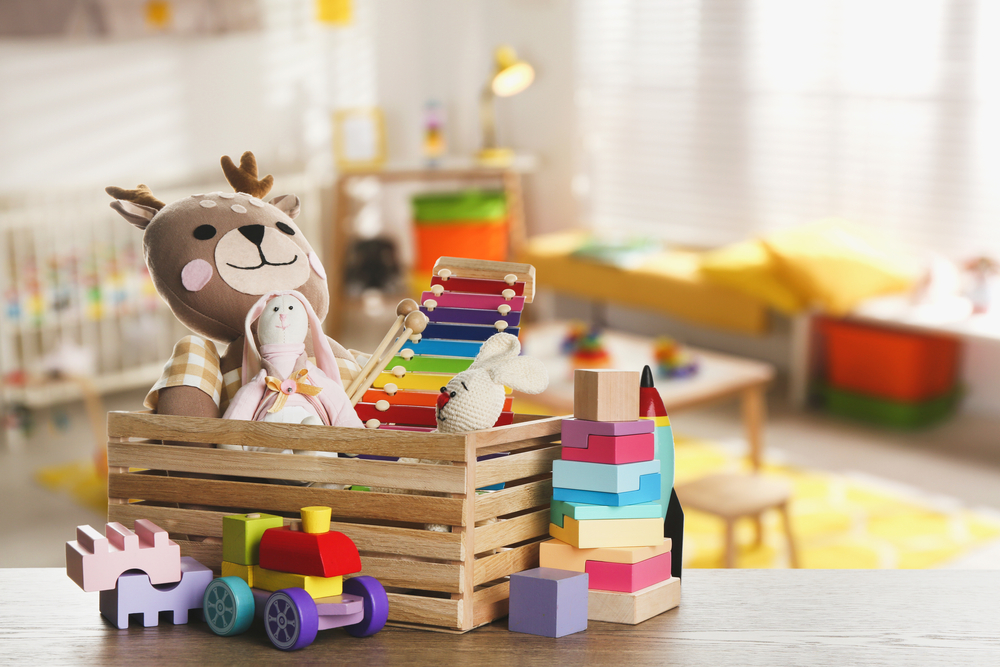
There’s an undeniable thrill in seeing your child’s face light up when they unwrap a new toy. However, research from the University of Toledo found that fewer toys lead to more creativity and longer playtimes. When kids are overwhelmed with options, they flit from toy to toy without truly engaging with any. Instead, focus on a few versatile toys that encourage imaginative play.
Rotating toys rather than buying new ones keeps things fresh and exciting. It also helps children develop better focus and deeper play strategies. You can organize toy swaps with other parents to introduce new items without spending a dime. Your wallet will thank you, and your child will enjoy a clutter-free, engaging play environment.
4. Expensive Extracurriculars

Signing up for every sports team or music class available can quickly drain your finances. While it’s important to expose kids to various activities, not every interest needs a hefty investment. Often, community centers or local clubs offer similar experiences at a fraction of the cost. Kids can still explore their passions without you paying premium prices.
Encourage your child to try free or low-cost community events first. They might discover new interests without the pressure of a financial commitment. As they grow, so will the clarity on which pursuits truly captivate them. This approach teaches financial prudence while still supporting their dreams.
5. Kid-Specific Tech Gadgets

The market is flooded with tech gadgets designed specifically for children, from tablets to smartwatches. However, a study in the Journal of Pediatrics suggests excessive screen time can hinder learning and development. Most educational apps can be accessed on devices you already own, negating the need for separate, expensive tech. Instead of buying the latest gadget, consider sharing your device with controlled screen time.
Parental controls and educational settings can transform your smartphone into a learning tool. This approach not only saves money but also ensures you’re directly involved in your child’s tech interactions. Plus, it encourages moderation and models balanced digital habits. Less gadgetry often means more opportunities for real-world learning and connection.
6. Gimmicky Educational Products

Every parent wants to give their child the best start in life, but expensive educational toys often fail to deliver on their promises. Simple, classic toys like blocks, puzzles, and books can provide rich learning experiences. Many educational products are marketed with buzzwords that tap into parental fears of missing out on early brain development. Yet, studies show that interactive play with caregivers is far more beneficial.
Encourage activities that foster problem-solving and creativity without breaking the bank. Libraries offer free books and resources that stimulate a child’s curiosity and learning. You can also create educational opportunities through everyday interactions like cooking or nature walks. Focus on experiences that build skills and relationships, not just sales pitches.
7. Branded Snacks and Meals

The convenience of pre-packaged kids’ snacks and meals can be alluring in a busy lifestyle. However, a report by the American Journal of Public Health found that many of these products are high in sugars and low in nutritional value. Preparing meals and snacks at home not only cuts costs but also boosts your child’s nutrition. Simple, wholesome ingredients often trump the colorful packaging of store-bought options.
Engage your child in meal prep to teach them about healthy eating habits. Involving them in the kitchen can be a fun, educational experience that doesn’t come with a side of preservatives. Home-prepared snacks can cater to your child’s tastes and dietary needs more precisely. Plus, those extra dollars saved can be invested in family outings or savings.
8. Themed Bedroom Decor

While themed bedrooms might seem like a dream come true for kids, their interests can change as quickly as the seasons. Investing in character-themed decor can lead to frequent updates and unnecessary expenses. Instead, choose versatile, neutral designs that can evolve with your child’s tastes. You can add character with affordable accents like posters or bedding.
Such flexibility allows your child’s room to grow with them without constant redecorating. It also encourages them to express individuality through small changes rather than complete overhauls. You can refresh the room with DIY projects that engage your child and foster creativity. Themed decor might be fleeting, but cherished memories last a lifetime.
9. Frequent Family Dining Out

Dining out is a convenient way to enjoy family time without the hassle of cooking. However, it can add up quickly, especially with kids in tow. Instead of making restaurant visits a routine, reserve them for special occasions. Home-cooked meals can be just as enjoyable and significantly more budget-friendly.
Cooking together can become a cherished family tradition, fostering teamwork and culinary skills. You can explore cuisines from around the world right in your kitchen, broadening your family’s palate. Plus, it’s a chance to teach your children about nutrition and the value of money. Dining out becomes more special when it’s a treat rather than a habit.
10. Expensive Childcare Services

High-end daycare centers frequently advertise enhanced curriculums and premium facilities. However, a loving and nurturing environment is often more impactful than luxury amenities. Many community centers, co-ops, or at-home providers offer affordable and high-quality care. Explore diverse options that meet your child’s needs without straining your finances.
Seek out recommendations and reviews from other parents to find hidden gems in childcare. It’s essential to consider the caregivers and their philosophies rather than just the institution’s prestige. Often, smaller or less conventional settings provide personalized attention and a homier feel. You’ll find peace of mind knowing your child is safe and thriving without overspending.
11. Gym Memberships for Kids

While it’s crucial for children to stay active, gym memberships for kids can be an unnecessary expense. Parks, community sports, or dance classes provide excellent alternatives for physical activity. A study from the Journal of Pediatrics highlights that unstructured play is vital for physical and mental development. Encouraging your kids to play outside can be equally, if not more, beneficial.
Organize playdates at local parks or take family walks and bike rides. These activities promote fitness and family bonding without the monthly fee. You can also look for free or pay-as-you-go classes offered by community centers. Keeping fitness fun and flexible ensures it becomes a lifelong habit rather than a costly obligation.
12. Excessive After-School Programs

After-school programs can support learning and social skills, but too many can overwhelm your child. It’s tempting to fill every afternoon with structured activities, yet downtime is equally important. Allowing your child to decompress fosters independence and creative thinking. Opt for one or two programs aligned with your child’s interests rather than a packed schedule.
Prioritize activities that spark joy and provide balance. This moderation prevents burnout and ensures your child has time to relax and engage in free play. Evaluate programs carefully, choosing those that offer development and enjoyment. Your child will appreciate the chance to unwind, and you’ll appreciate the savings.
13. Brand-New Baby Gear

The arrival of a baby often triggers a shopping spree for the newest gear, but many items are used only briefly. Gently-used baby items can be just as safe and effective as their brand-new counterparts. Organizations like the American Academy of Pediatrics emphasize the importance of safety standards over purchase locations. Buying second-hand lightens the financial load without compromising your baby’s well-being.
Seek out consignment shops, online marketplaces, or community swaps to find quality used gear. This approach is environmentally friendly and allows you to invest in essentials rather than fads. Ensure items meet current safety guidelines, and you’ll provide a secure environment for your little one. The savings can contribute to future needs as your child grows.
This article is for informational purposes only and should not be construed as financial advice. Consult a financial professional before making investment or other financial decisions. The author and publisher make no warranties of any kind.