


Whether you’re jet-setting around the globe or planning a weekend getaway, these travel hacks are designed to save you both money and sanity. With a few smart strategies, you can navigate the complexities of travel with ease, ensuring your trips are as enjoyable and affordable as they are memorable. Here are 13 savvy travel hacks to keep your journey smooth and your wallet happy.
1. Book Flights on the Right Day

Finding the best day to book flights can seem like a mystery wrapped in an enigma. However, research from CheapAir.com suggests that Tuesday might be your best bet for snagging cheaper tickets. Flight prices fluctuate based on demand and other variables, but airlines often release deals at the start of the week. By booking on a Tuesday, you can sometimes find better prices before the weekend rush kicks in.
Beyond the booking day, timing also matters. Try setting flight alerts to monitor fare changes and book during off-peak travel times for additional savings. Early-morning or late-night flights can be cheaper and less crowded, sparing you unnecessary stress. With a bit of flexibility and strategic timing, you can cut costs without sacrificing convenience.
2. Pack Like a Pro

Packing efficiently is both an art and a science that can save you money on baggage fees and time at the airport. Start by making a packing list tailored to your destination and needs, ensuring nothing is left behind or packed unnecessarily. Consider using packing cubes—these nifty organizers can help you maximize space and keep your suitcase orderly. Rolling your clothes instead of folding them can also create extra room.
Additionally, plan versatile outfits that can be mixed and matched to reduce the number of items you bring. Opt for neutral colors and layerable pieces that work in various settings and climates. Don’t forget to leave a little space for souvenirs or items you may acquire on your trip. Smart packing lets you breeze through travel hurdles and focus on enjoying your adventure.
3. Use Apps to Save on Accommodations

Finding the perfect place to stay doesn’t need to break the bank, thanks to a plethora of apps designed to help you score deals. Airbnb and Vrbo are well-known for offering unique stays, often at lower prices than traditional hotels. According to Skyscanner, apps like HotelTonight offer last-minute deals that can save you up to 70% on room rates. Booking through the hotel’s own app can also yield discounts or perks like free Wi-Fi or breakfast.
When booking accommodations, consider location as a factor in your overall travel costs. Staying slightly outside the main tourist areas can lead to better rates and a more authentic experience. Just ensure you have easy access to public transportation or main attractions to avoid spending what you save on commuting. A bit of research and the right app can stretch your travel budget further.
4. Eat Smart and Local

Food is a highlight of any trip, but dining out for every meal can quickly inflate costs. Explore local markets and grocery stores for affordable and authentic culinary experiences. Not only does this save money, but it also gives you a taste of local life and flavors you might miss in tourist-heavy spots. Packing snacks or a picnic for day trips can also be a budget-friendly alternative to pricey tourist eats.
When you do dine out, go where locals go. Street food stalls, family-owned eateries, and local diners often offer tastier dishes at a fraction of the cost of tourist restaurants. Don’t shy away from asking locals for recommendations—they often know the hidden gems. By eating smart, you can savor the local culture without overspending.
5. Get Around Via Public Transport

Navigating a new city can be daunting, but public transportation offers an affordable and efficient way to explore. According to the American Public Transportation Association, using public transit can cut travel costs significantly compared to car rentals or taxis. Many cities offer tourist passes that provide unlimited travel on buses and trains, often at a discounted rate. These passes are a cost-effective way to hop from sight to sight without breaking the bank.
Familiarize yourself with local transit apps to plan routes and schedules easily. They’re usually available in multiple languages and can guide you to the best lines and stops for your destination. If you’re adventurous, consider renting a bike for a more immersive experience. With public transportation, you can cover more ground economically and with less hassle.
6. Take Carry-On Only Luggage

Flying with just a carry-on can be a game-changer, saving you from baggage fees and the risk of lost luggage. It requires some strategic packing, but the benefits are well worth the effort. Start by choosing a versatile carry-on-sized suitcase and prioritize essential items. Compact toiletries, multi-use clothing items, and essential electronics should make the cut.
Remember to adhere to airline size and weight limits for carry-ons to avoid unexpected charges at the gate. Traveling light also provides greater flexibility, making it easier to navigate through airports and public transportation. This minimalist approach allows for quick adjustments to plans and reduces stress during travel. With a little planning, carry-on travel can streamline your journey and enhance your overall experience.
7. Sign Up for Airline Rewards Programs

Frequent flyer programs can offer substantial savings on flights, upgrades, and even free trips. Travel expert Brian Kelly, known as The Points Guy, emphasizes the importance of signing up for these programs even if you don’t fly often. Accumulating points or miles can lead to perks like priority boarding, lounge access, and discounted or free flights. Most airlines offer free enrollment, so there’s little reason not to sign up.
To maximize your rewards, use affiliated credit cards for everyday purchases and pay attention to bonus point opportunities. Also, stay informed about promotions offering double miles or other incentives. Even infrequent flyers can benefit from these programs, turning occasional travel into future savings. It’s a simple step that can lead to significant travel rewards and added comfort.
8. Travel During the Shoulder Season

The shoulder season, the period between peak and off-peak times, offers the best of both worlds: lower prices and pleasant weather. Traveling during these times can mean fewer crowds, allowing you to experience destinations more comfortably. Prices for flights, accommodations, and activities are often reduced, making it an ideal time for budget-conscious travelers. You might also find that locals have more time to engage with visitors, leading to richer experiences.
Research your destination to identify when the shoulder season occurs, as it varies by location. Be prepared for some attractions to have reduced hours or be closed entirely, but embrace the opportunity to explore lesser-known sites. Flexibility in your travel plans can lead to unexpected adventures and discoveries. The shoulder season’s advantages offer a compelling reason to adjust your travel calendar.
9. Use Credit Cards with No Foreign Transaction Fees

When traveling abroad, fees from credit card companies for currency conversion can add up quickly. Opt for a credit card that doesn’t charge foreign transaction fees to save money on every purchase. Cards like the Chase Sapphire Preferred or Capital One Venture offer this benefit, making them a traveler’s ally. Over time, these savings can accumulate, leaving more room in your budget for experiences rather than fees.
Before your trip, inform your credit card company of your travel plans to avoid any security holds on your account. Keep an eye on the exchange rate and consider withdrawing cash in the local currency if it’s more advantageous. It’s also a good idea to carry a backup card in case of issues. With the right credit card, you can spend wisely and confidently while abroad.
10. Plan Your Itinerary Strategically

A well-planned itinerary can save time and money, ensuring you make the most of your trip. Group activities by location to minimize transit time and expenses, allowing for a more relaxed and efficient visit. Prioritize must-see attractions and balance them with downtime to avoid burnout. Flexibility within your itinerary can also lead to spontaneous adventures and discoveries.
Do some research to find free or discounted days at museums or attractions, which can considerably lower costs. Use apps to track events and promotions during your stay, offering unique experiences at no extra cost. A strategic itinerary not only enhances your travel experience but also keeps your budget in check. With intentional planning, your adventure can be both fulfilling and affordable.
11. Exchange Your Currency Digitally

Currency exchange can be a pitfall for travelers, but technology offers solutions to ensure you get the best rates. Use apps like Revolut or TransferWise to transfer money with minimal fees and real-time exchange rates. These apps often beat traditional banks by offering lower service fees and competitive rates. They also provide the convenience of managing your funds directly from your smartphone.
Keep an eye on exchange rate trends before your trip to time your exchanges advantageously. When cash is necessary, opt for ATMs linked to reputable banks to avoid high-interest charges. Some apps even offer virtual cards for secure online transactions, protecting your financial information. By leveraging technology, you can navigate currency exchanges smoothly and cost-effectively.
12. Stay Connected Without Breaking the Bank

Staying connected during your travels doesn’t have to incur high roaming charges. Consider purchasing a local SIM card or using an international plan from your mobile provider to save on data costs. Apps like WhatsApp and Skype enable free communication over Wi-Fi, allowing you to stay in touch with loved ones. Download maps and important information beforehand to minimize data usage while exploring.
For longer stays, portable Wi-Fi devices can be a worthwhile investment, offering reliable internet access without excessive fees. They’re often available for rent and can connect multiple devices, making them perfect for group travel. By planning your connectivity strategy, you can stay in the loop without worrying about your bill. Smart choices keep you online and under budget.
13. Always Have a Backup Plan
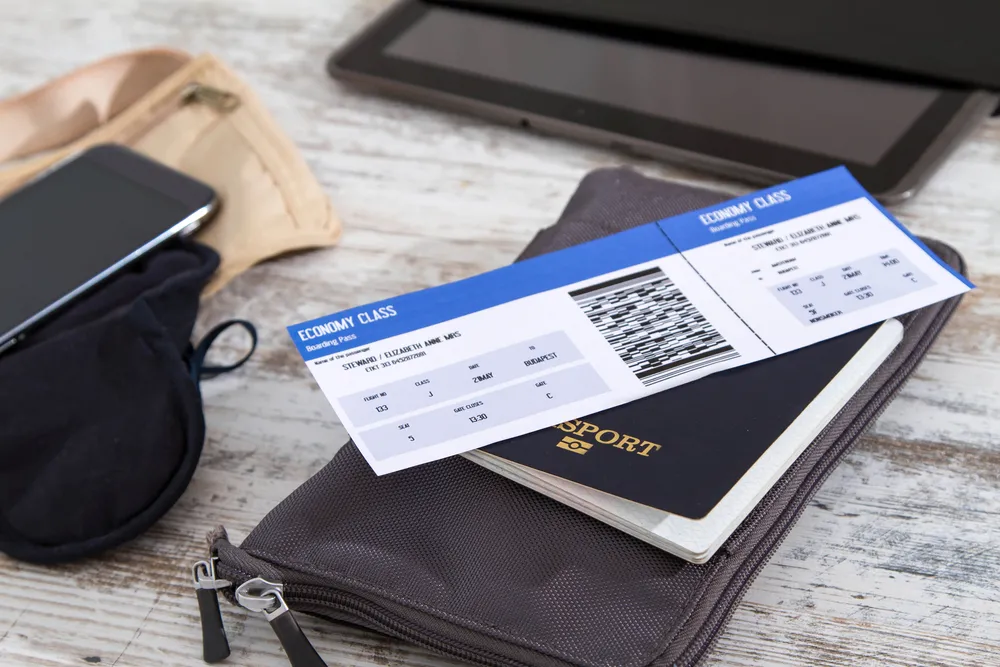
Travel inherently involves unpredictability, and having a backup plan can save you from stress and extra expenses. Whether it’s a delayed flight or a missed connection, anticipate potential hiccups and prepare alternatives. Carry contact information for airlines, accommodations, and emergency services to streamline problem-solving. Keep digital and physical copies of important documents like your passport and itineraries.
If possible, build some flexibility into your travel schedule for unforeseen events. Travel insurance can provide peace of mind against cancellations or medical emergencies, often reimbursing unexpected costs. With a little foresight, you can handle travel mishaps gracefully and without financial strain. A backup plan ensures your adventure remains enjoyable, no matter what comes your way.
This article is for informational purposes only and should not be construed as financial advice. Consult a financial professional before making investment or other financial decisions. The author and publisher make no warranties of any kind.