


Winter’s chill leads to a strong temptation to crank up the heat. But keeping your power bill under control while staying warm doesn’t have to be a Herculean task. By embracing a few clever and practical hacks, you can maintain a cozy home without breaking the bank. Here are 13 warm and wallet-friendly strategies to help you get through the winter with ease.
1. Layer Up Strategically

The simplest way to stay warm is to layer your clothing. Opt for breathable fabrics like cotton or wool that trap your body heat and keep the cold air out. You can mix and match thin and thick layers to suit your comfort level. Remember, staying warm indoors doesn’t always require a bulky sweater; sometimes, a light thermal shirt under your regular clothes does the trick just as well.
According to a University of Utah study, layering clothing can effectively insulate the body by trapping heat between layers. This technique helps maintain a consistent body temperature without relying heavily on external heat sources. By strategically layering, you not only stay warmer but also reduce the need to turn up the thermostat. Plus, it’s a budget-friendly way to make the most of the clothes you already own.
2. Use Draft Stoppers

Drafts can be sneaky thieves of warmth, slipping under your doors and windows without a sound. A simple draft stopper can effectively block these chilly intrusions. You can buy them at a low cost, or make them yourself with rolled-up towels or old socks filled with sand or rice. Placing these stoppers at the base of your doors or windows creates a snug barrier that keeps warm air in and cold air out.
In addition to insulating your home, draft stoppers add a touch of coziness and charm. They come in various designs and colors, allowing you to integrate them seamlessly into your home decor. By minimizing drafts, you can significantly reduce your heating costs, making draft stoppers both a stylish and practical investment. So next time the wind howls outside, you can rest easy knowing your home is fortified against the chill.
3. Maximize Sunlight

Harnessing the power of the sun is an age-old strategy for warming up a space. During the day, open your curtains and blinds to let in as much sunlight as possible. This natural heat source can make a noticeable difference in your home’s temperature without costing you a dime. Once the sun sets, close the curtains to trap the warmth inside.
A Department of Energy report states that passive solar heating is one of the most cost-effective ways to increase home energy efficiency. By simply adjusting your window treatments, you can harness free solar energy. It’s an eco-friendly approach that reduces your reliance on artificial heating. Embracing this method is like having nature’s own thermostat working on your behalf.
4. Warm Your Floors

Cold floors can be a shock to your system, especially in the early morning. Adding rugs not only enhances the aesthetic of your space but also provides an extra layer of insulation. Opt for thick, plush rugs in areas where you spend the most time, such as the living room or bedroom. Even a small rug beside your bed can make those first morning steps more bearable.
The insulating properties of rugs can significantly enhance a room’s overall warmth. They trap cold air beneath and reduce its circulation, which is particularly helpful in homes with hardwood or tile floors. Plus, the tactile sensation of a soft rug underfoot adds to the feeling of coziness and comfort. When it comes to winterizing your home, don’t underestimate the power of a well-placed rug.
5. Seal Windows Properly

Windows are notorious culprits for heat loss, even when they’re closed. Ensuring that your windows are properly sealed can make a significant difference in maintaining a warm home. Use weatherstripping or caulk to seal any gaps or cracks around the frames. For an extra layer of insulation, consider applying a window film or using insulated curtains.
Research from the National Renewable Energy Laboratory highlights that properly sealed windows can reduce heat loss by up to 30%. Addressing these areas is a proactive way to keep your home energy-efficient. It’s a small upfront effort that can lead to substantial savings on your heating bill. Not to mention, a tightly sealed window lets you enjoy winter views without feeling the chill.
6. Use a Humidifier

Dry winter air can make your home feel colder than it actually is. Using a humidifier introduces moisture into the air, helping it retain heat better. This added humidity can make your living space feel warmer and more comfortable. Plus, it’s great for your skin and respiratory health, reducing that dreaded winter dryness.
There is a tangible difference in perceived warmth when the air is adequately humidified. It’s a simple yet effective way to augment the heat in your home without increasing energy consumption. Moreover, a humidifier can add a gentle background noise, which can be quite soothing during the colder months. So, while you might be tempted to turn up the heat, try turning on a humidifier instead and feel the cozy difference.
7. Reverse Your Ceiling Fans
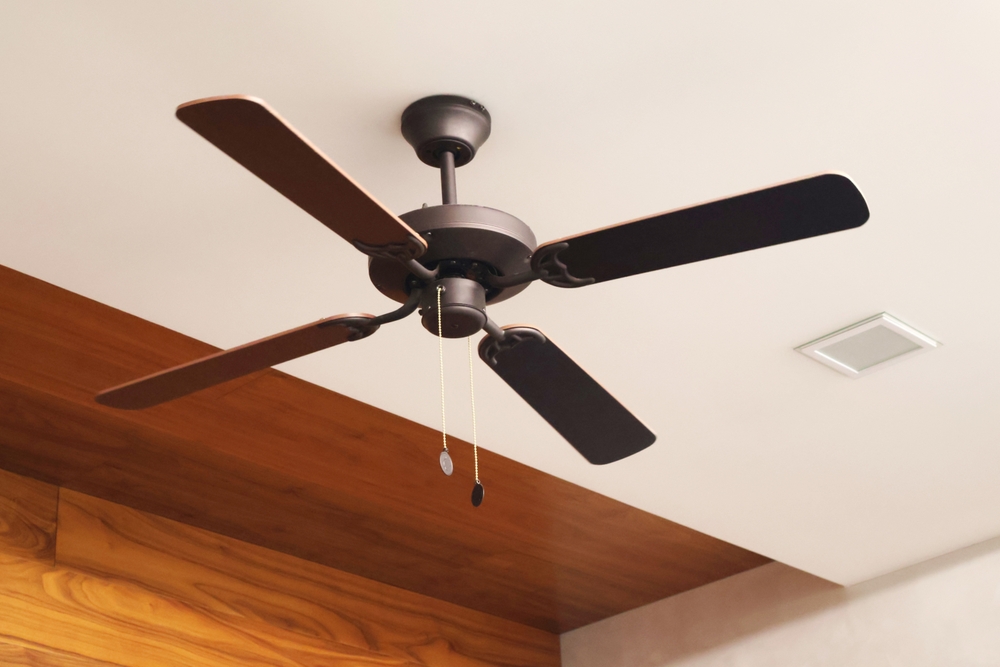
Ceiling fans aren’t just for summer; they can be a useful tool in winter, too. By reversing the direction of your ceiling fan to spin clockwise, you can push the warm air that rises back down into the room. This simple switch can help distribute heat more evenly, making your living spaces feel warmer. Remember to set the fan on a low speed to avoid creating a draft.
The U.S. Department of Energy confirms that using ceiling fans effectively can reduce heating costs by redistributing warm air. It’s a clever use of existing resources that minimizes waste and maximizes comfort. This tip is particularly useful in homes with high ceilings where heat tends to rise and stay out of reach. Give it a try, and you might find you need less heat to keep warm.
8. Cook at Home More

Winter is the perfect excuse to spend more time in the kitchen, and cooking can double as a heat source. When you use your oven or stove, the heat helps to warm up your kitchen and adjacent rooms. Baking cookies or roasting a chicken not only results in delicious smells wafting through your home but also adds to your overall warmth. Plus, cooking itself can be a great way to stay active and warm.
Cooking at home is not only heartwarming but also a heartwarming activity. It encourages family members to gather around the kitchen, share stories, and enjoy each other’s company. The ambient warmth from cooking can reduce the need to raise the thermostat, making it both cozy and cost-effective. And let’s be honest, who doesn’t appreciate a warm batch of cookies on a cold day?
9. Embrace Heating Pads and Electric Blankets

When it’s time to wind down, heating pads and electric blankets can be a godsend. These tools focus warmth directly where you need it, keeping you cozy without heating the entire house. An electric blanket on your bed can preheat it before you hop in, making for a snug sleeping environment. Meanwhile, a heating pad can provide targeted warmth for sore muscles or chilly feet.
These personal heating devices are more energy-efficient than whole-house heating solutions. They allow you to maintain a lower overall temperature in your home while still keeping you comfortably warm. Plus, they’re versatile enough to be used in any room, whether you’re lounging on the couch or catching up on your favorite book in bed. Investing in these items is like having a portable hearth that follows you wherever you go.
10. Block Chimney Drafts
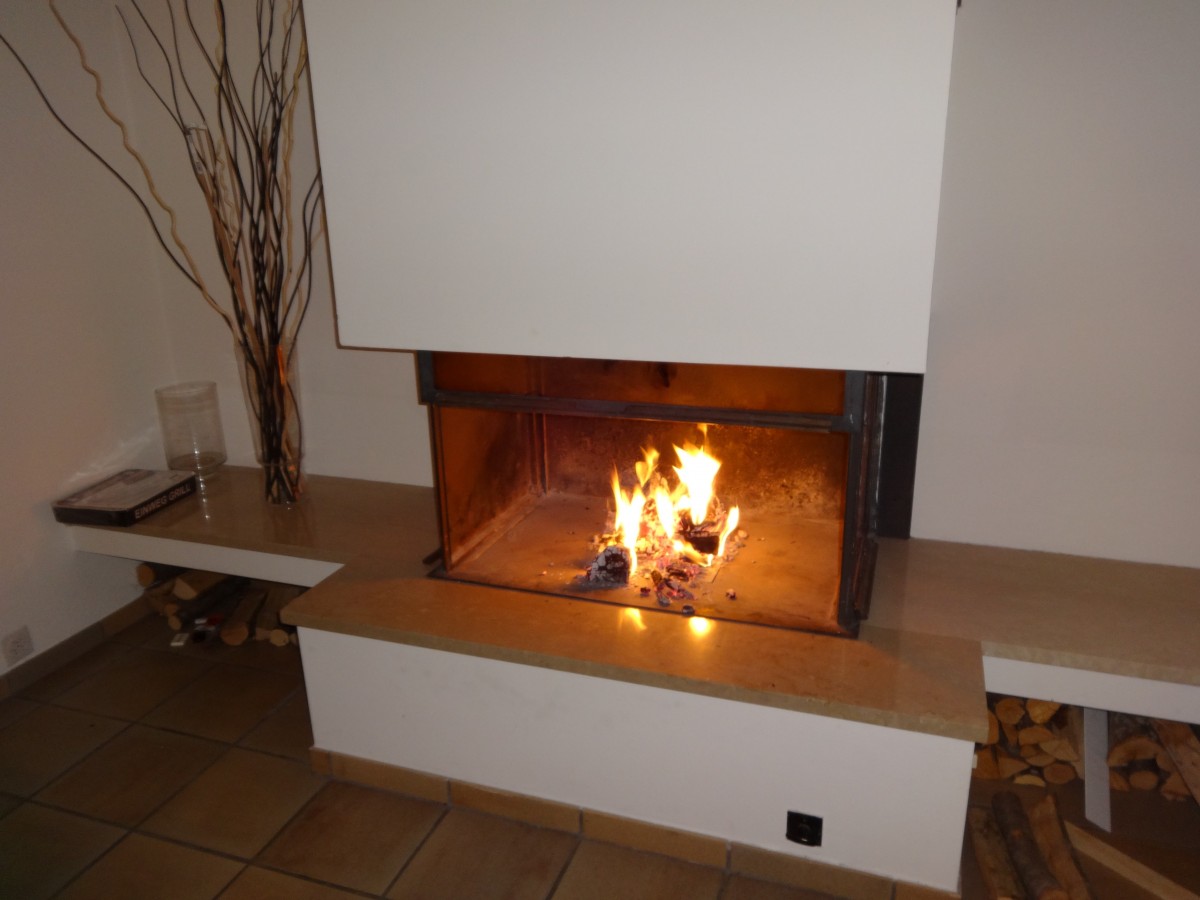
If you have a fireplace, remember that an open chimney can be a significant source of heat loss. When not in use, ensure that the damper is closed to prevent warm air from escaping. Consider a chimney balloon or draft stopper for an extra layer of protection against drafts. This small step can make a considerable difference in your home’s overall warmth.
Proper chimney maintenance is often overlooked, but it’s crucial for retaining heat. A well-sealed chimney prevents cold air from seeping in and warm air from drifting out. Plus, it helps maintain a cleaner, safer fireplace by reducing debris buildup. Keeping your chimney draft-free is a smart move that enhances both your home’s comfort and safety.
11. Rearrange Your Furniture

Sometimes, a simple rearrangement of your furniture can improve the warmth of your home. Move couches and beds away from drafty windows and closer to interior walls. This not only reduces your exposure to cold but also allows the furniture to soak up and radiate warmth. Additionally, avoid blocking heat sources like radiators or vents with furniture to ensure heat circulates freely.
Repositioning your furniture can also breathe new life into your living space, making it feel fresh and inviting. It’s an opportunity to create cozy nooks perfect for reading or enjoying a hot drink. Ensuring that heat can move unimpeded throughout the room can enhance comfort levels without additional heating costs. It’s a no-cost solution that maximizes the warmth you already have.
12. Wear Wool or Fleece Socks

Cold feet can make your whole body feel chilly, so investing in warm socks is a must. Choose socks made from materials like wool or fleece that offer excellent insulation. Keeping your feet warm can help regulate your body temperature, reducing the need for extra heating. Plus, there’s something inherently comforting about slipping on a pair of cozy socks.
Warm socks can be particularly beneficial during the night, making it easier to fall asleep and stay asleep. They provide a simple, effective way to feel warmer without impacting your energy bill. Plus, they come in various styles and colors, adding a playful element to your winter wardrobe. Embracing the power of warm socks is like giving your feet a hug on a cold day.
13. Indulge in Hot Drinks

Sipping on a hot beverage doesn’t just warm your insides; it can set the tone for an entire evening. Whether it’s tea, coffee, or hot chocolate, the ritual of making and enjoying a warm drink can be soothing and invigorating. Holding a warm mug in your hands transfers heat directly to your body, making you feel warmer instantly. Plus, the steam from a hot drink can add a touch of humidity to dry indoor air.
Hot beverages can be a delightful excuse to take a break and unwind. They also encourage hydration, which is essential even in colder months when thirst is less pronounced. Beyond the thermal benefits, the flavors and aromas of a hot drink can uplift your spirits on a dreary day. So, take a moment to savor a steaming cup of your favorite brew and enjoy the warmth it brings.
This article is for informational purposes only and should not be construed as financial advice. Consult a financial professional before making investment or other financial decisions. The author and publisher make no warranties of any kind.