


There’s a growing concern among financial experts that by 2026, the world could be navigating a “Survival Kit Economy.” This isn’t just about stashing beans and batteries; it’s about preparing for a landscape where scarcity, adaptability, and resourcefulness become everyday watchwords. With whispers of a recession, shifting job markets, and ecological upheavals, the signs point to a future where financial agility is not just advisable but essential. Let’s dive into 13 reasons why this forecast isn’t causing a flurry of excitement—and what you might need to prepare for.
1. Supply Chain Disruptions

If you think the supply chain issues of recent years were just a blip, think again. Experts warn that prolonged disruptions could become more frequent due to geopolitical tensions, climate change, and unforeseen global events. According to a report by McKinsey & Company, global supply chains need a radical overhaul to withstand future shocks, but progress is slow. This means that access to goods might not just be about money but timing and availability.
For you, that could mean a bigger focus on local and sustainable sourcing. Imagine waiting weeks for an item you used to pick up in a day. It might sound dystopian, but it could become tomorrow’s reality. And in this new world, flexibility and planning ahead will be your best allies.
2. Inflation and Currency Volatility

Let’s talk about inflation—the silent savings killer. It’s that sneaky rise in prices that makes your paycheck feel smaller every year. With global economic turbulence, currency volatility is predicted to worsen, affecting purchasing power and financial stability. The coffee you love? It might just become a luxury item.
This could mean reassessing how you save and spend. Investing in tangible assets like property or precious metals might become more appealing. A diversified portfolio could help cushion against unpredictable currency swings. Being proactive now can save a lot of financial heartaches later.
3. Technological Unemployment

Automation isn’t just a sci-fi concept; it’s a fast-approaching reality. As AI and machines become more capable, many jobs are at risk. According to a study by the World Economic Forum, 85 million jobs might be displaced by machines by 2025, with several markets feeling the impact. If your job can be automated, it might be time to consider upskilling.
But it’s not all doom and gloom. New roles and opportunities will emerge, particularly in tech and green industries. So, it’s essential to keep learning and evolving. Embracing change and being adaptable will be crucial in riding out these economic waves.
4. Environmental Challenges
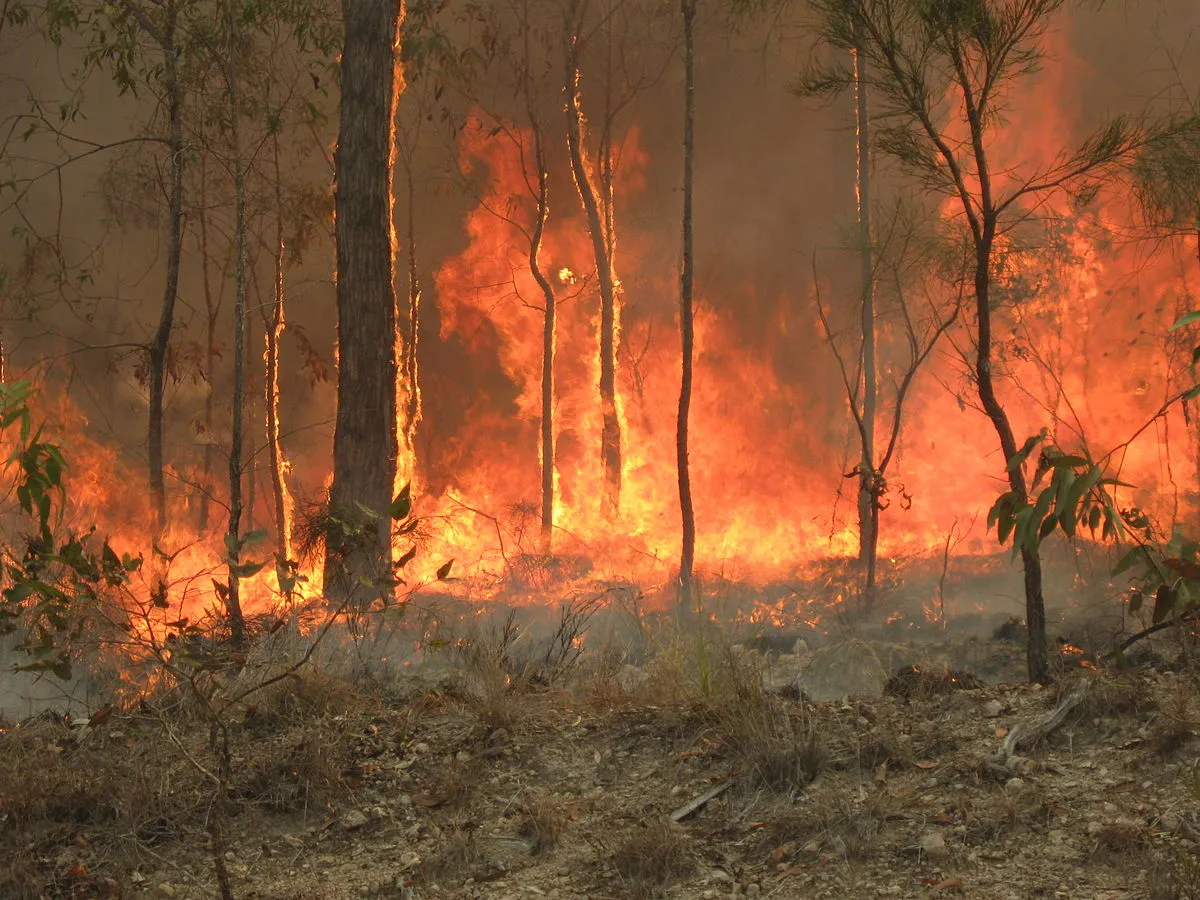
The world is getting warmer, and that’s impacting more than just your summer plans. Climate change is set to affect everything from agriculture to real estate, with financial implications across the board. Increased natural disasters mean higher insurance premiums and potential property damage. For you, this could mean rethinking where and how you live.
It might be wise to consider energy-efficient homes or even investing in renewable energy sources. They could offer some security in uncertain times. Plus, the cost savings from being eco-friendly could add up. It’s about more than just being green—it’s about being savvy.
5. Resource Scarcity

Water shortages and dwindling natural resources are a global concern. As the population grows, the demand on these resources increases, leading to potential conflicts and price hikes. The United Nations has reported that by 2025, two-thirds of the world might face water shortages. That could mean higher costs for everyday essentials like food and fuel.
You might need to start thinking of ways to conserve and be more efficient in resource use. That could involve installing water-saving devices or switching to less resource-intensive diets. Being proactive in resource management isn’t just good for the planet—it’s smart economics. It’s all about stretching what you have to go further.
6. Shifts in Housing Markets
The dream of homeownership might become a distant reality for many. Housing markets are expected to fluctuate, influenced by interest rates, economic stability, and demographic shifts. This could result in property bubbles or depressions, depending on your location. So, betting on real estate might feel more like high-stakes poker than a safe investment.
You might find yourself considering renting longer or looking at alternative living arrangements. Co-living spaces and tiny homes may become more attractive options as flexibility becomes key. Investing in property will likely require more research and strategy. It’s about making informed decisions rather than following the traditional path.
7. Changing Consumer Behavior

If there’s one thing the pandemic taught us, it’s that consumer behavior can change overnight. People are now more inclined to save rather than spend, and experiences are often valued over material goods. According to a study by Deloitte, this trend is likely to continue, influencing market dynamics significantly. Businesses are adapting, and so should your financial strategies.
You might notice yourself prioritizing needs over wants, or choosing quality over quantity. This shift could mean a more mindful approach to consumption. It’s an opportunity to redefine what brings value to your life. In a survival kit economy, less can truly mean more.
8. Healthcare Cost Increases

Healthcare is one of those things you hope you never need but want to be prepared for. Rising medical costs are a consistent worry, and they’re projected to increase further. This could mean higher premiums and out-of-pocket expenses, which weigh heavily on household budgets. Your health could become a significant financial consideration.
This might be the time to explore diverse healthcare options or prioritize preventive measures. Staying healthy isn’t just about feeling good; it’s about protecting your wallet. Consider wellness investments, like gym memberships or healthy eating plans. They could save you substantial amounts over time.
9. Education and Skill Requirements

The job market is evolving, and so are the skills it demands. A traditional degree might not hold the same value it once did. Micro-credentials and continuous learning are becoming more vital, as industries pivot and adapt. For you, this means education is a lifelong journey, not a destination.
You might need to rethink how and where you learn, taking advantage of online courses and certifications. It’s about staying relevant in an ever-changing landscape. Investing in education can yield high returns, but it requires foresight. Think of it as building a personal survival kit for your career.
10. Political and Economic Uncertainty

Political landscapes shape economies, and uncertainty can cause market turmoil. Elections, policy changes, or international relations can lead to economic unpredictability. This could impact everything—from stock markets to global trade. For you, that means staying informed becomes more crucial than ever.
You might want to diversify your investments to mitigate risks. Building an emergency fund could provide a buffer against unexpected economic downturns. It’s about being prepared for whatever the political climate throws your way. Knowledge, as they say, is power.
11. Shifts in Global Workforce
Globalization has transformed how we work, but it’s also leading to shifts in workforce dynamics. As companies outsource and remote work becomes the norm, the competition is no longer just local. This could mean tougher job markets and a need to stand out in a global talent pool. It’s not just about what you know but how you can adapt.
This might mean brushing up on your digital skills or learning new languages. Being versatile can give you an edge in this globalized world. Networking and personal branding are also more important than ever. It’s about making yourself indispensable, no matter where you are.
12. Social and Cultural Transformations

As society changes, so do its values and expectations. These transformations influence everything from work-life balance to consumer preferences. You might find that traditional norms no longer apply, leading to both challenges and opportunities. Navigating these shifts requires an open mind and a willingness to adapt.
You could benefit from embracing new ideas and practices that align with evolving cultural trends. It’s about finding harmony between your values and the world around you. Being flexible in your approach can lead to personal growth and financial resilience. The old ways may not always be the best ways.
13. Technological Advancements

Technology’s rapid advancement offers incredible opportunities but also introduces new challenges. Keeping up with the latest tech can feel like a full-time job. While innovations promise efficiency and convenience, they also demand constant adaptation. That smartphone you bought yesterday? It might feel outdated tomorrow.
Staying ahead means being tech-savvy. Consider investing in technology that enhances your life and work. But remember, it’s not just about having the latest gadget—it’s about how you use it. In the survival kit economy, smart tech usage can be a game-changer.
This article is for informational purposes only and should not be construed as financial advice. Consult a financial professional before making investment or other financial decisions. The author and publisher make no warranties of any kind.