


There’s an undeniable thrill to spending your hard-earned cash, but not every purchase brings joy or utility. With the allure of shiny new gadgets, the latest fashion trends, or tantalizing subscription services, it’s easy to fall into the trap of spending on things that offer little in return. Identifying the culprits in your spending habits can save you from financial regret and make room for more meaningful investments. Here are 15 of the worst things you might be wasting your money on, along with insights that spotlight the pitfalls of these expenditures.
1. Extended Warranties

At the checkout counter, it can be tempting to tack on an extended warranty for peace of mind. Retailers often pitch these as a necessary safeguard against product failures. However, studies from Consumer Reports suggest that most of these warranties are rarely worth the cost, as products typically don’t break within the warranty period. Moreover, many credit cards already offer built-in protection, rendering extra coverage redundant.
Instead of relying on extended warranties, it’s more financially savvy to maintain a small emergency fund for unexpected repairs or replacements. This approach offers flexibility and control over your purchases without tying you to a potentially unnecessary expense. Before shelling out extra money at the register, consider your product’s reliability and existing protections you may already have. A little research can often save you from an unnecessary financial commitment.
2. Brand-Name Pharmaceuticals

When you’re standing in the pharmacy aisle, the allure of brand-name medications can be strong. They promise reliability and trust, often backed by extensive advertising campaigns. But what these brands don’t emphasize is that generic versions contain the same active ingredients, quality, and efficacy at a fraction of the cost. Opting for generic medications can significantly reduce your pharmaceutical expenses without compromising your health.
It’s a common misconception that generics are inferior, but they are rigorously tested to ensure they meet the same standards as their brand-name counterparts. Many people assume that higher prices mean better quality, but in this case, the price difference is often just a result of branding and marketing costs. By choosing generics, you’re choosing to be financially savvy without sacrificing your well-being. Next time you’re offered the brand-name option, pause and ask your pharmacist about generic alternatives.
3. Lottery Tickets

The lottery presents an alluring fantasy of instant wealth and freedom. However, the statistical reality is grim; according to the National Endowment for Financial Education, the odds of winning a significant lottery prize are astronomically low. People often spend more on tickets over time than they’ll ever win back. The emotional high of dreaming about a jackpot win rarely matches the financial low of realizing how much you’ve actually spent.
Rather than investing in lottery tickets, consider putting that money into a savings account or another financial instrument with guaranteed returns. This habit might not offer the same adrenaline rush, but it ensures your money grows over time. The excitement of gambling can easily become an expensive habit, one that leaves you with little to show for your efforts. By redirecting your funds to more stable investments, you’re betting on a future that’s financially secure.
4. Gym Memberships You Don’t Use

Investing in a gym membership seems like a commendable step toward a healthier lifestyle, yet the reality often falls short of the promise. Many people sign up with great intentions, only to find their attendance dwindling after the initial burst of enthusiasm. The recurring cost of an unused gym membership can quickly add up, weighing heavily on your bank account. In fact, surveys suggest a large percentage of memberships go unused after the first few months.
To avoid throwing money down the drain, take stock of how often you actually hit the gym. If your visits are infrequent, consider pay-as-you-go classes or home workouts, which can offer the flexibility that fits your schedule. Many online platforms provide affordable or even free exercise routines that can be done from the comfort of your living room. This approach allows you to stay fit without the financial commitment of a full gym membership.
5. Fast Fashion

Fast fashion is designed to be cheap and trendy, encouraging frequent purchases and rapid wardrobe turnover. However, the low prices mask the true cost to your wallet, the environment, and often exploitative labor practices. According to the Ellen MacArthur Foundation, the fashion industry is responsible for a significant portion of global waste and pollution. Clothes from fast fashion often deteriorate quickly, leaving you needing replacements sooner than you’d like.
Investing in higher-quality, timeless pieces can be more rewarding both financially and ethically. While the initial cost may be higher, these items tend to last longer and maintain their appeal, ultimately saving you money over time. Moreover, supporting sustainable brands can reduce your wardrobe’s environmental impact. Shifting from quantity to quality not only elevates your style but also supports a more sustainable and conscious lifestyle.
6. Cable TV Packages

With an ever-expanding array of streaming services and digital content, traditional cable TV packages are becoming increasingly obsolete. Yet, many people continue to pay for extensive channel lineups they barely watch. The convenience of on-demand viewing and personalized content makes streaming a more attractive and cost-effective option. Cable packages often come with hidden fees and long-term contracts that can drain your resources.
Cutting the cord can lead to significant savings and allow you to tailor your viewing experience to your preferences. Subscribing to a few streaming platforms is often less expensive than a bloated cable package. Additionally, many streaming services offer free trials or flexible month-to-month plans. Embracing streaming can declutter your media consumption and keep more money in your pocket.
7. Bottled Water

Purchasing bottled water might seem convenient, but it comes with a hefty price tag and environmental impact. The International Bottled Water Association reports that Americans spend billions annually on bottled water, despite most of it being no better than tap water. The cost per gallon for bottled water is often hundreds of times more than tap water, making it a costly habit. Plastic bottles also contribute significantly to environmental pollution, with many ending up in landfills and oceans.
Investing in a reusable water bottle and a good water filter can drastically reduce your expenses and environmental footprint. This choice provides a reliable and eco-friendly source of hydration that’s easy to maintain. By switching to tap water, you’re not only saving money but also making a positive impact on the planet. The convenience of bottled water pales in comparison to the benefits of a more sustainable option.
8. Coffee Shop Lattes

The allure of a perfectly crafted latte from your favorite coffee shop can be hard to resist. However, the daily expense of these specialty drinks adds up quickly, often costing you hundreds of dollars a year. The convenience and ambiance of a coffee shop are appealing, but brewing your own coffee at home can provide significant savings. With the availability of quality home-brewing equipment, replicating that coffee shop experience in your kitchen is easier than ever.
Investing in a good coffee maker and experimenting with different beans and brewing techniques can elevate your home coffee game. You gain the freedom to customize your coffee to your liking at a fraction of the cost. While occasional coffee shop visits are a delightful treat, making it a daily habit can drain your financial resources. By brewing at home, you’ll enjoy the satisfaction of saving money without sacrificing your caffeine fix.
9. Unused Subscriptions

In the age of digital everything, subscriptions are king. From streaming services to magazines and meal kits, the convenience they promise can be enticing. But many people find themselves paying for services they rarely use, resulting in a slow financial drain. It’s not uncommon for these forgotten subscriptions to silently siphon funds from your account each month.
Conducting a regular audit of your subscriptions is crucial to identifying which ones you truly use and value. Canceling those that no longer serve you can free up money for more rewarding experiences or savings. Many apps now offer subscription management tools to help track and manage these expenses effectively. By staying vigilant, you ensure you’re only paying for what enhances your life.
10. Impulse Purchases
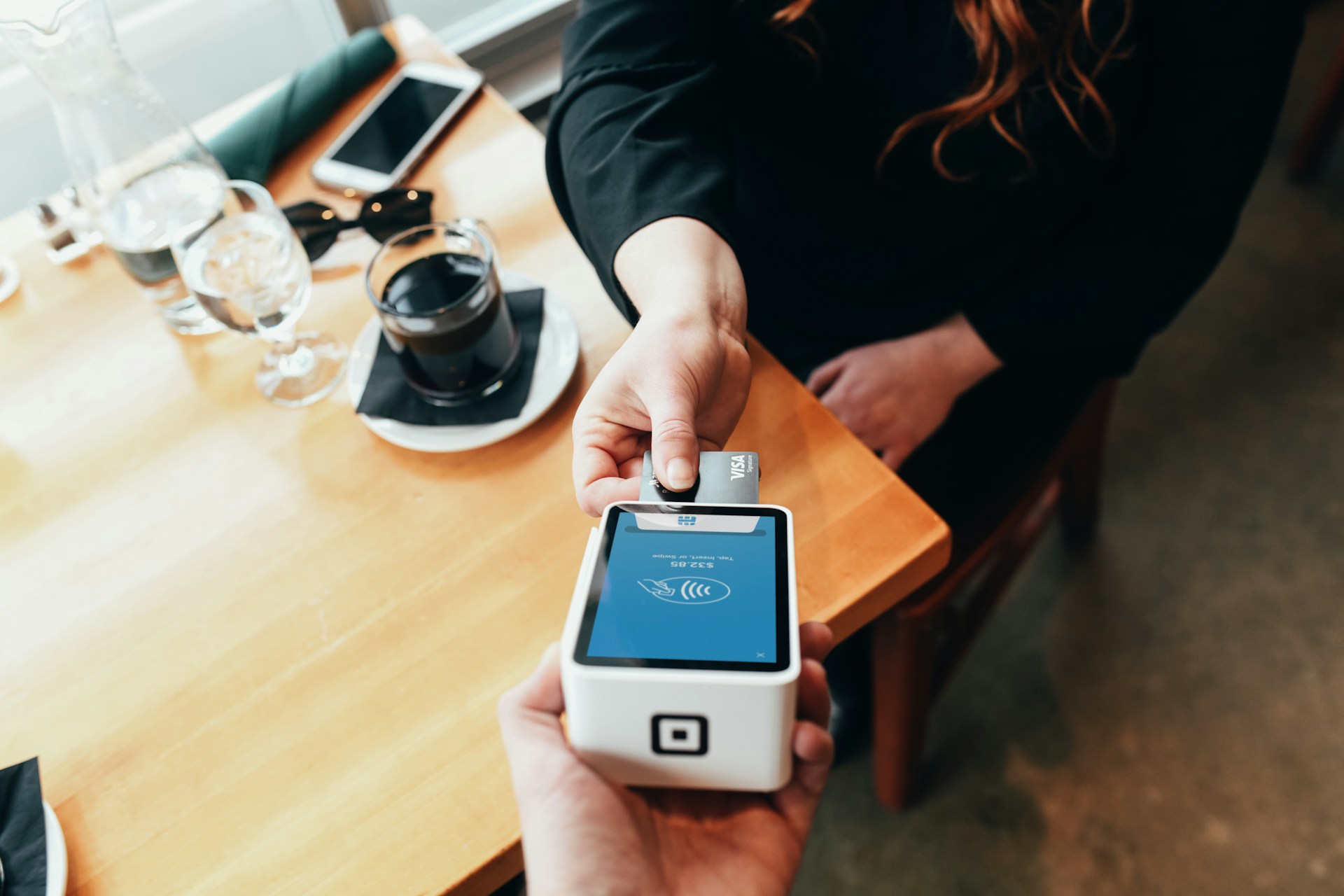
Retailers are experts at nudging you toward impulse buys with strategic product placements and enticing displays. While a spur-of-the-moment purchase can feel gratifying, these small, unplanned expenses quickly add up. The adrenaline rush of impulse buying is temporary, often leading to regret once the novelty wears off. This pattern can destabilize your budget and leave less room for essential spending or saving.
Developing a habit of mindful spending can help curb these impulses. Creating a list before shopping and sticking to it can reduce unnecessary purchases. It’s also helpful to implement a waiting period for big-ticket items, giving you time to consider their necessity. By aligning purchases with your long-term goals, you can enjoy financial stability and satisfaction with your spending choices.
11. Luxury Hotel Stays

While luxury hotels promise indulgence and comfort, their high price tags can outweigh their benefits. The cost of premium accommodations often includes amenities and services that go underutilized. If you’re spending most of your trip exploring, there’s little advantage to splurging on a hotel room you barely occupy. Budget-friendly accommodations or vacation rentals can offer comfort without the extravagant cost.
Reassessing what you value in a travel experience can lead to more practical lodging choices. For some, location and accessibility outweigh the allure of luxury, providing a more authentic experience of the destination. Exploring alternative options like boutique hotels or home-sharing platforms can deliver memorable experiences without the financial strain. By prioritizing what truly enhances your travel, you can allocate funds to activities that enrich your journey.
12. Premium Gasoline
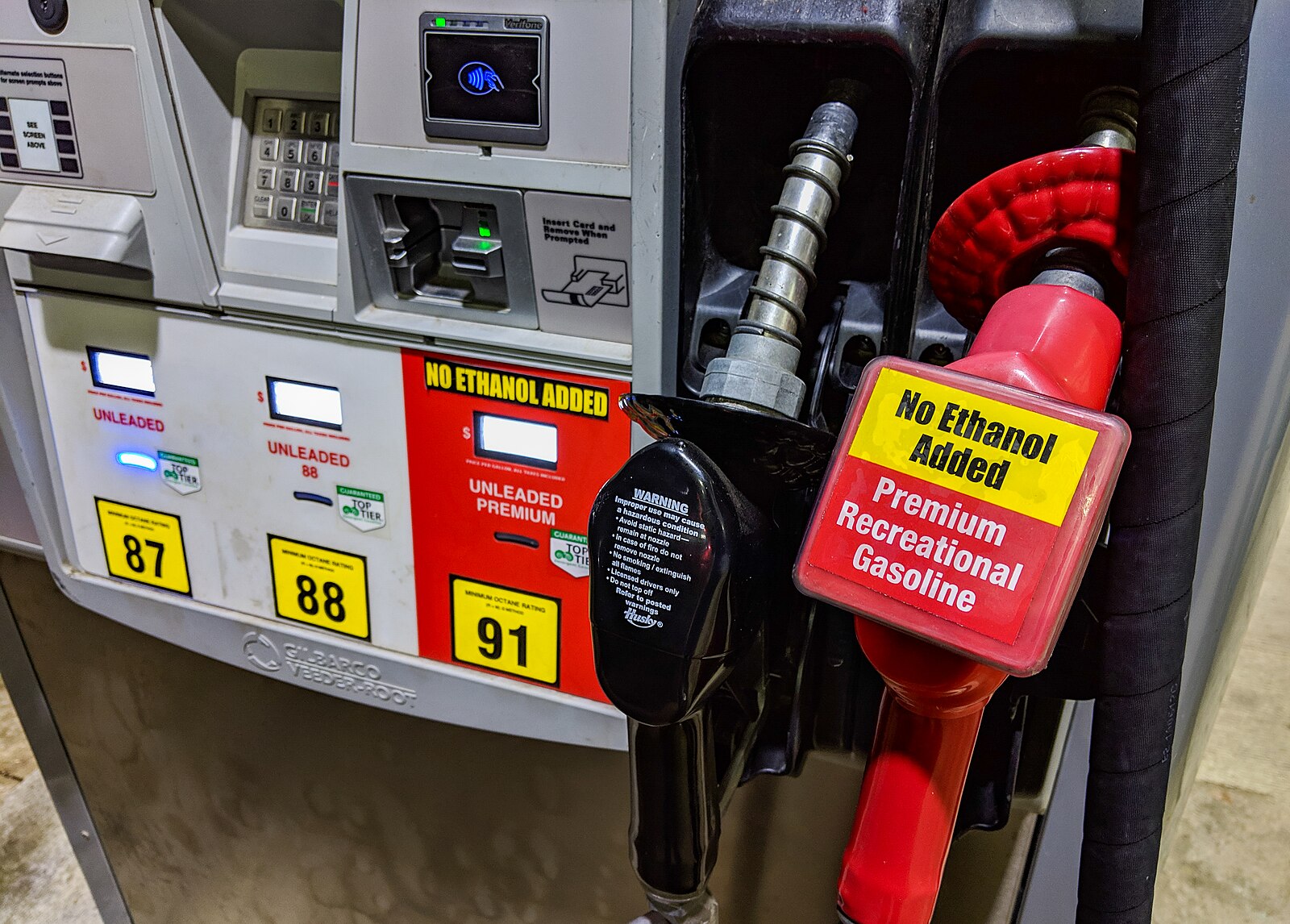
Filling up your car with premium gasoline may seem like a way to ensure optimal performance, but most vehicles run just as efficiently on regular gas. The higher price of premium fuel often doesn’t translate to noticeable improvements in fuel economy or engine performance. Unless your car’s manufacturer explicitly recommends premium, opting for regular gas can keep more money in your pocket. The perception that premium fuels are universally better is a misconception that can lead to unnecessary spending.
Consulting your vehicle’s manual can clarify the type of fuel that’s best suited for your car. Sticking to regular gas saves money and maintains your vehicle’s longevity. This simple adjustment in your fueling habits contributes to more efficient overall spending. By understanding your car’s needs, you avoid falling for marketing tactics that suggest more expensive is always better.
13. Gourmet Groceries

The temptation to fill your cart with gourmet groceries can be irresistible. Specialty items and organic produce often come with inflated prices that don’t always equate to better taste or nutritional value. While it’s great to indulge occasionally, consistently choosing gourmet over standard options can strain your budget. Many store-brand or local alternatives offer comparable quality at a fraction of the cost.
Becoming a savvy shopper involves comparing prices and quality across different brands. Exploring farmers’ markets or local stores can introduce you to fresh, affordable produce and artisanal products. Balancing indulgence with practicality ensures your grocery bill remains manageable. By making informed choices, you can enjoy culinary delights without compromising your financial health.
14. Tech Gadgets with Short Lifespans

Technology’s rapid advancement means new gadgets are constantly hitting the market, luring you with promises of cutting-edge features and status. However, many of these devices have short lifespans, becoming obsolete within a few years or even months. The cycle of always chasing the latest tech can lead to significant financial waste. Often, last year’s model performs just as well for a significantly lower price.
Evaluating your actual needs versus wants is crucial when considering a tech purchase. Many times, software updates can extend a device’s usability, negating the need for the newest gadget. By resisting the urge to always upgrade, you maintain financial flexibility for investments that genuinely enhance your lifestyle. Focusing on functionality over novelty leads to more sustainable spending habits.
15. Dining Out At Bad Restaurants

Dining out offers convenience and the pleasure of not cooking, but the costs can quickly escalate. Regularly opting for restaurant meals over home-cooked ones significantly impacts your budget. The allure of dining out is often tied to the experience, but replicating favorite dishes at home can be equally satisfying. The cost savings of eating in can be redirected to other priorities or savings goals.
Many people find meal prepping and planning to be effective strategies for minimizing dining expenses. Cooking at home allows you to control ingredients and portions, leading to healthier meals and savings. Occasional dining out can be a treat rather than a routine, preserving its special allure. By shifting your dining habits, you nurture both your financial well-being and culinary skills.
This article is for informational purposes only and should not be construed as financial advice. Consult a financial professional before making investment or other financial decisions. The author and publisher make no warranties of any kind.