


TikTok has become one of the loudest voices in personal finance, offering bite-sized advice wrapped in confidence and virality. The problem is that money decisions don’t scale the way trends do, and what works for one creator can quietly devastate someone else. Across Reddit, comment sections, and financial forums, people are now admitting the advice they followed because it sounded smart, empowering, or urgent. These are the TikTok money tips that almost blew up real lives.
1. “Put Everything Into One High-Yield Account.”

One Reddit user said they moved all their savings into a trending online bank promising above-average interest. They ignored warnings about spreading risk because TikTok framed diversification as “boomer paranoia.” When the bank froze withdrawals during a backend issue, they had zero access to cash. Rent, groceries, and bills suddenly became emergencies.
The user said the worst part wasn’t the delay—it was the helplessness. Commenters shared similar stories of putting too much faith in a single platform. TikTok sold simplicity, not resilience. The lesson came at the worst possible time.
2. “Your Credit Score Doesn’t Matter If You’re Rich-Minded.”
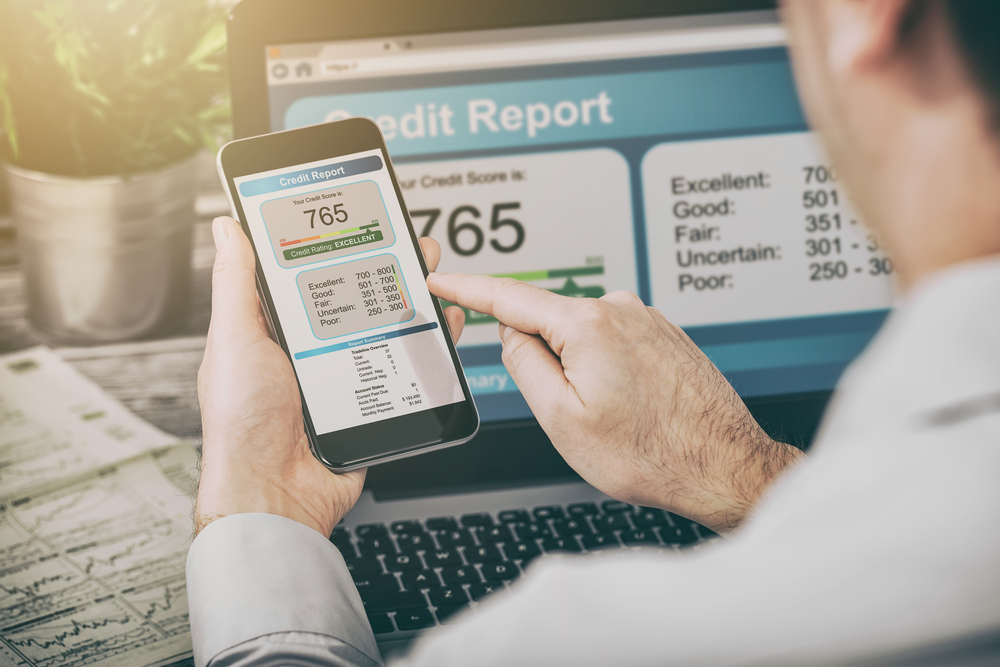
A creator convinced viewers that obsessing over credit scores was “middle-class thinking.” One person admitted they stopped paying small balances to “focus on wealth-building.” Within months, their score tanked, and loan rates skyrocketed. They couldn’t refinance debt when they needed to most.
The advice sounded rebellious and aspirational. In reality, it locked them into worse financial terms. Commenters said TikTok often frames basic financial hygiene as limiting beliefs. The system doesn’t care about mindset.
3. “Buy Now, Pay Later Is Basically Free Money.”
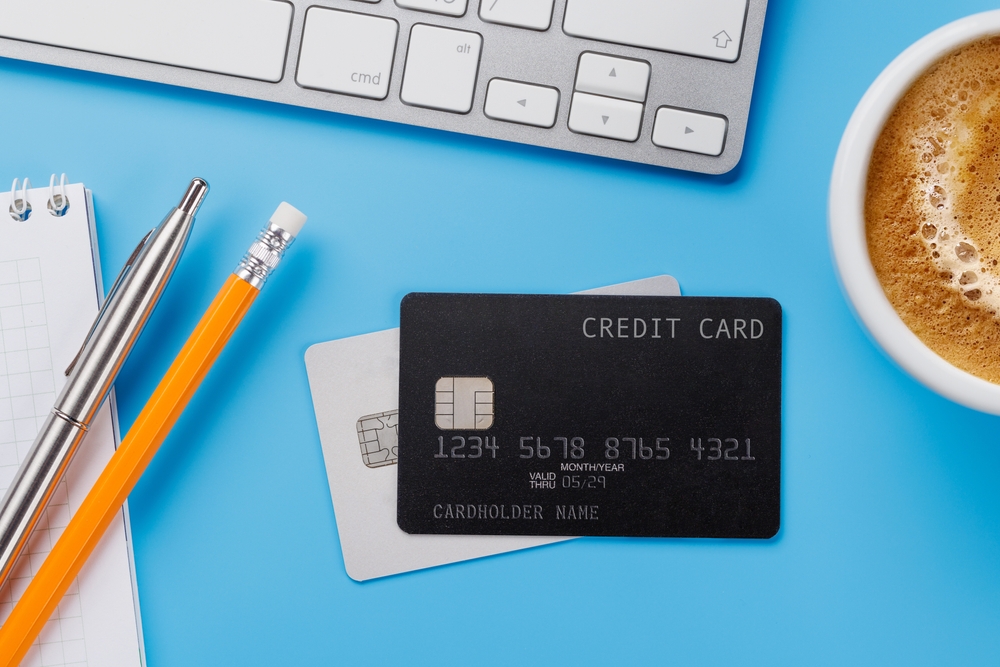
Multiple users admitted to stacking BNPL plans across apps because TikTok described it as cash-flow optimization. Payments felt distant and manageable until they all hit at once. One person said they woke up to six auto-withdrawals overdrawing their account. Fees piled up faster than expected.
They didn’t feel irresponsible at first—they felt clever. Commenters said BNPL hid the emotional weight of debt until it exploded. The ease was the trap. Convenience delayed panic, not consequences.
4. “Max Out Your Credit Cards to Build Credit Faster.”
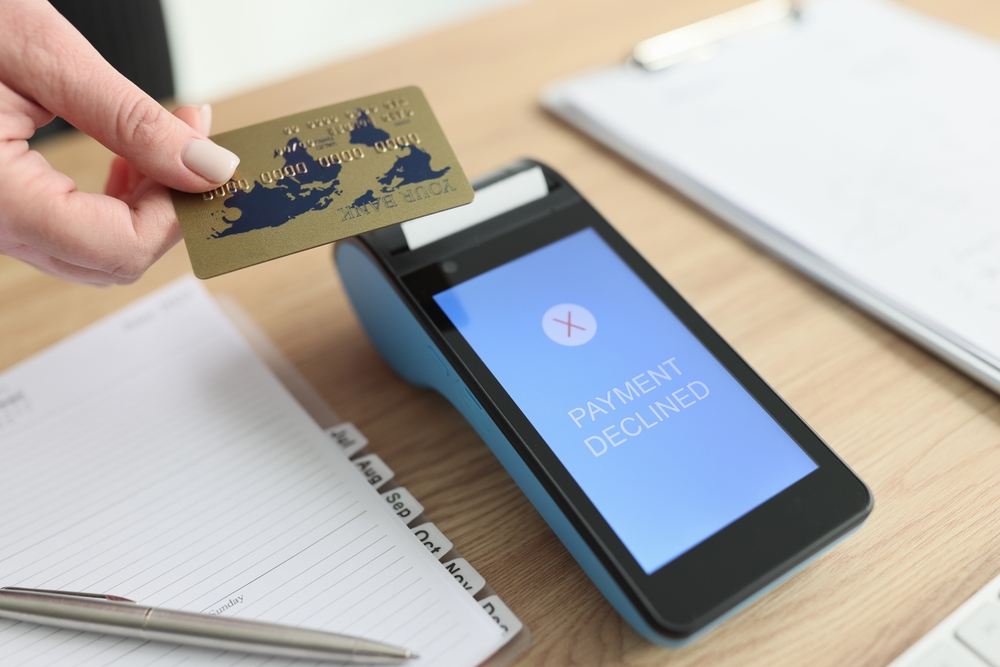
A viral clip claimed high utilization showed lenders you were “trusted.” One user followed it and maxed out multiple cards intentionally. Their score dropped immediately instead of rising. Minimum payments ballooned as interest compounded.
The creator never mentioned utilization ratios. Redditors called this advice “financial Russian roulette.” The damage took years to undo. TikTok didn’t explain the math.
5. “Quit Your Job and Monetize Your Passion Immediately.”

One commenter said TikTok convinced them staying employed was “playing small.” They quit to start a passion-based business without savings or customers. When income didn’t materialize, panic set in quickly. Bills didn’t care about alignment.
The creator had a following, sponsorships, and a safety net. The viewer didn’t. Commenters emphasized timing matters more than bravery. Motivation doesn’t replace runway.
6. “Emergency Funds Are Fear-Based Thinking.”
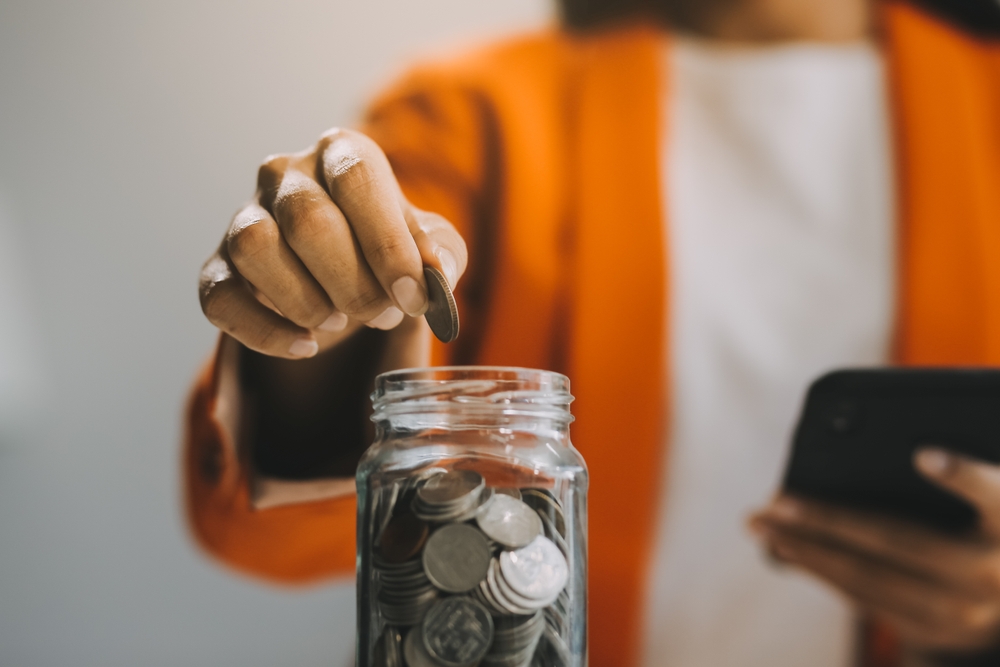
A viral mindset coach framed emergency funds as pessimistic and unnecessary. One person drained theirs to invest aggressively instead. When their car broke down and medical bills hit, they had no buffer. Debt replaced safety overnight.
They said the advice made them feel empowered—until reality intervened. Commenters called this trend financially reckless. Optimism doesn’t cancel randomness. Preparation isn’t negativity.
7. “Use HELOCs Like Unlimited ATMs.”

TikTok creators hyped home equity lines as flexible wealth tools. One homeowner used theirs for lifestyle upgrades and investing. Rising rates turned manageable payments into a chokehold. They described feeling trapped in their own house.
The advice ignored rate volatility and risk tolerance. Commenters warned HELOCs magnify mistakes fast. Leverage cuts both ways. TikTok only showed the upside.
8. “Invest Everything Because Time in the Market Beats Timing”

One user said TikTok convinced them to invest every spare dollar, including money for short-term needs. When layoffs hit, they had to sell at a loss. Watching red numbers during unemployment was brutal. Stress replaced confidence.
The phrase was true—but misapplied. Commenters stressed liquidity matters. Timing matters when you need cash. Context was missing.
9. “Debt Is a Tool—Use It Aggressively.”
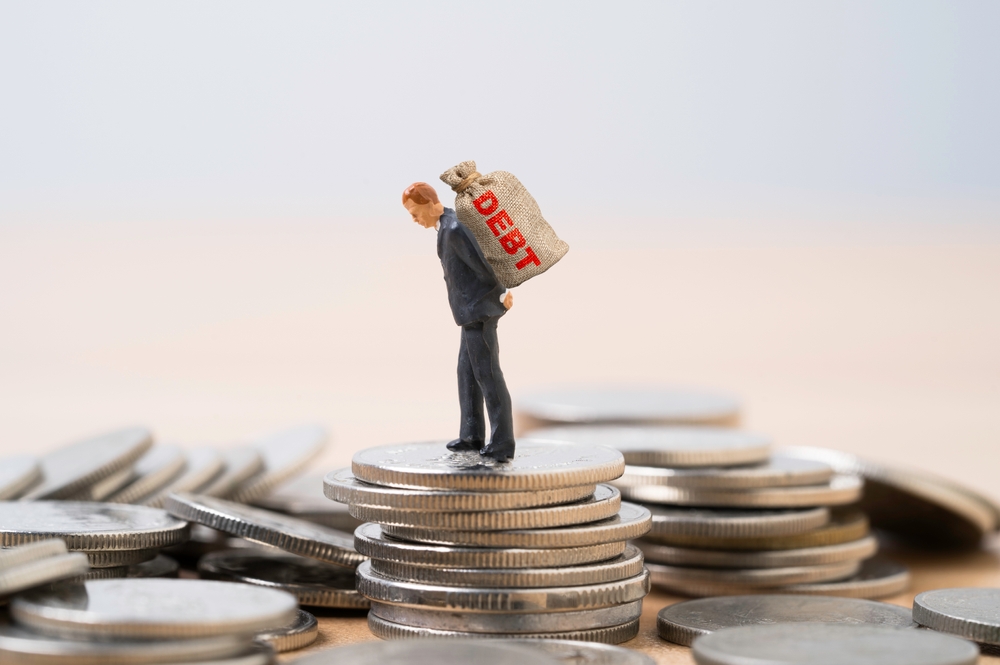
Creators glamorized leverage as sophistication. One person consolidated debt into bigger loans believing scale meant progress. Instead, they lost clarity and control. Monthly payments became overwhelming.
They said debt felt abstract until it wasn’t. Commenters noted that debt without strategy is just pressure. Tools require training. TikTok skipped the manual.
10. “You Don’t Need Insurance If You’re Healthy.”

A creator argued insurance was a scam for people “living in fear.” One follower canceled coverage to save money. A sudden injury wiped out their savings instantly. Bills arrived faster than recovery.
The regret was immediate and intense. Commenters called this advice dangerous. Health isn’t a guarantee. Risk doesn’t ask permission.
11. “Day Trading Is Easier Than a 9-to-5.”

One Redditor said TikTok made trading look like quick, repeatable wins. They tried it with savings and watched it evaporate. Losses were framed as “learning moments” until money was gone. Shame followed fast.
The creators showed wins, not losses. Commenters emphasized survivorship bias. Skill isn’t learned overnight. Markets punish confidence without discipline.
12. “Live Like You’re Already Rich.”

Lifestyle creators encouraged acting as if money wasn’t a concern. One user upgraded everything to match their “future self.” Credit card balances exploded quietly. The future self never arrived.
They said the advice blurred manifestation and denial. Commenters noted that aspiration without income is cosplay. Reality eventually shows up. Always.
13. “If It Goes Viral, It Must Be True.”

The most common confession wasn’t one piece of advice—it was trust itself. People assumed virality equaled vetting. They didn’t check sources or context. They trusted confidence over credentials.
Many said they’ve since stopped taking money advice from TikTok entirely. Commenters agreed the platform rewards certainty, not accuracy. Finance doesn’t go viral for your benefit. It goes viral for engagement.
This article is for informational purposes only and should not be construed as financial advice. Consult a financial professional before making investment or other financial decisions. The author and publisher make no warranties of any kind.