


A “good deal” usually feels like a small win—money saved, convenience gained, a smart shortcut taken. But some deals don’t show their real price until months or years later, when the fees stack up, the flexibility disappears, or the cheap option forces a more expensive fix. These aren’t scams or obvious mistakes. They’re everyday choices that look reasonable in the moment and quietly drain you over time.
1. The Low Monthly Payment Phone Plan

That budget phone plan looks great when you’re comparing monthly costs, especially if it’s half the price of what you’re paying now. The catch usually shows up in throttled data, surprise overage fees, or poor coverage that forces you to upgrade sooner than planned. You end up paying more for device replacements, add-ons, or switching costs. The savings only exist on paper.
Consumer Reports has repeatedly found that low-cost plans often rely on hidden limitations rather than true efficiency. Once users exceed basic usage, the pricing advantage disappears. What felt like a deal becomes a cycle of small, irritating expenses. The money leaks slowly instead of all at once.
2. Buying Cheap Furniture “For Now”

That inexpensive couch or dresser feels like a practical placeholder. You tell yourself it’s temporary, just to get by. Then it breaks, warps, or becomes unusable far sooner than expected. Replacing it twice costs more than buying something durable once.
Cheap furniture also tends to cost you time and stress. Assembly issues, returns, and repairs pile up. What you saved upfront gets paid back in replacements. Temporary has a way of becoming permanent—and expensive.
3. Store Credit Cards With a Discount Hook

The 20 percent off at checkout feels like free money. What doesn’t feel free? The high interest rate waiting after the first statement. Many people carry balances longer than they planned. The initial savings get swallowed by interest quickly.
The Consumer Financial Protection Bureau has noted that retail credit cards often carry significantly higher APRs than general-purpose cards. That makes them profitable for stores and costly for consumers. The deal works best if you never use the card again. Most people do.
4. “Free” Trials You Forget to Cancel

Free trials feel harmless because no money leaves your account immediately. Then the charge hits months later, often for something you barely use. Individually, the amounts feel small. Collectively, they add up.
Subscription creep is one of the most common modern money drains. You’re not overspending—you’re forgetting. Convenience quietly replaces intention. That’s how the costs hide.
5. Buying the Cheapest Version of a Tool You Use Often

Choosing the lowest-priced option feels smart until it slows you down every single time you use it. Cheap tools wear out faster, perform worse, and require more effort. Over time, the frustration becomes its own cost. Productivity drops.
Replacing low-quality tools multiple times is rarely cheaper. Paying a little more up front often buys durability and ease. The deal isn’t the sticker price. It’s how long it actually works for you.
6. Extended Warranties on Small Purchases

Extended warranties sound like protection, especially when the salesperson frames them as peace of mind. In reality, most small electronics fail within the standard warranty period or not at all. You pay for coverage you’re unlikely to use. The odds are stacked against you.
Data from Consumer Reports has consistently shown that extended warranties are rarely cost-effective for consumers. The math favors the seller, not the buyer. What feels cautious is usually just unnecessary. Self-insuring is often cheaper.
7. Discounted Gym Memberships You Don’t Use

A cheap gym membership feels like motivation. Even if you don’t go much, it’s “only” a small monthly fee. Over a year, that unused membership quietly becomes a meaningful expense. The low price masks the waste.
The real cost isn’t the membership—it’s paying for intention instead of behavior. When something is cheap, it’s easier to ignore. That’s exactly how the money slips away.
8. Buy Now, Pay Later Offers

Buy now, pay later plans feel gentle compared to credit cards. Payments are smaller, spread out, and often interest-free at first. The problem shows up when you stack multiple plans at once. Suddenly, future paychecks are already spoken for.
Research from the Federal Reserve has found that BNPL users are more likely to overspend and miss payments compared to non-users. The structure encourages consumption without immediate consequence. The cost shows up later, when flexibility is gone.
9. Cheap Flights With Endless Add-Ons

That bargain airfare looks unbeatable until you add a bag, choose a seat, or need to change plans. Each small upgrade costs extra. By the end, you’re paying the same—or more—than a standard ticket. The deal disappears piece by piece.
Budget airlines rely on unbundling to advertise low prices. If you need anything beyond the bare minimum, the math shifts fast. The cheapest option is rarely the simplest one.
10. Generic Insurance Without Reviewing Coverage

Low premiums feel like a win until something actually happens. Then you discover the coverage gaps, high deductibles, or exclusions you didn’t notice. You save monthly and pay heavily when it matters most. The timing couldn’t be worse.
Insurance deals only work if the protection matches your reality. Underinsuring isn’t saving. It’s deferring risk. That bill eventually comes due.
11. Buying in Bulk When You Don’t Need To
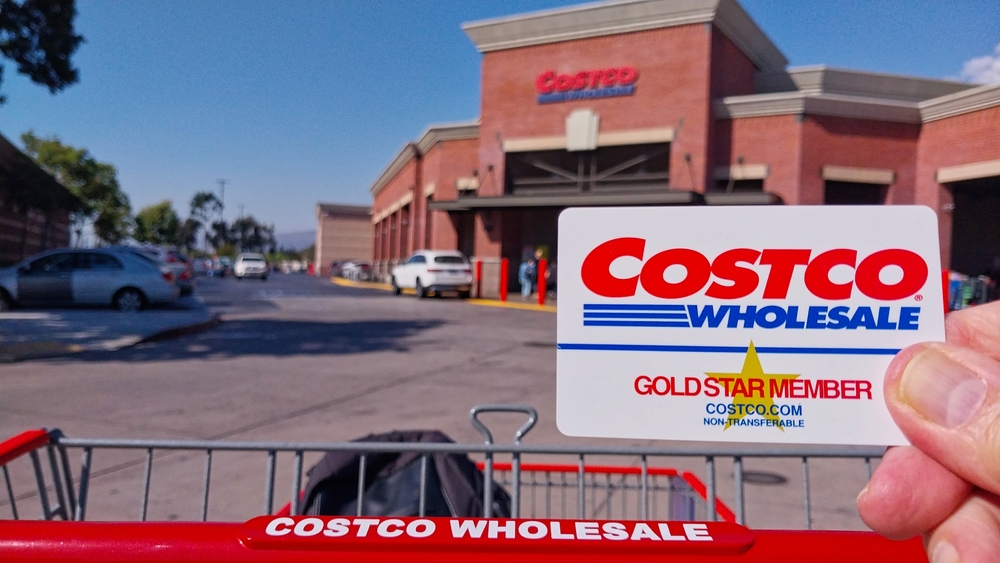
Bulk pricing feels efficient and disciplined. But unused food, expired products, and storage issues quietly erase the savings. You don’t save money on things you throw away. Volume only helps when consumption is consistent.
Bulk buying rewards predictability. When habits change, the deal breaks. What looked frugal becomes clutter and waste.
12. Cheap Shoes You Wear Every Day

Low-cost shoes wear down faster, offer less support, and need replacing more often. Over time, you spend more cycling through pairs. There’s also the physical cost—foot pain and wear add up. Comfort becomes an expense.
Shoes are one of those categories where durability pays dividends. The deal isn’t how little you spend today. It’s how rarely you have to think about replacing them.
13. Promotional Interest Rates That Reset

Zero-percent interest offers feel generous and manageable. Then the promotional period ends. If there’s any balance left, interest kicks in hard. Many people underestimate how quickly that switch flips.
The deal only works if you’re precise and disciplined. Miss the window by a month, and the savings evaporate. Flexibility is limited, even when the offer feels friendly.
14. Cheap Home Repairs Instead of Proper Fixes

A quick, low-cost fix feels responsible in the moment. But temporary solutions often fail and cause more damage. You end up paying twice—once for the patch, once for the repair it delayed. Shortcuts rarely stay cheap.
Home costs reward doing things correctly the first time. The deal isn’t the lowest quote. It’s the fix that lasts.
15. “Affordable” Convenience You Rely on Daily

Delivery fees, ride shares, and convenience charges feel minor per use. When they become habits, they quietly reshape your budget. The cost hides in frequency, not price. Small amounts compound fast.
Convenience is valuable, but it’s rarely neutral. When it replaces planning entirely, it gets expensive. The real deal is using it selectively, not automatically.
This article is for informational purposes only and should not be construed as financial advice. Consult a financial professional before making investment or other financial decisions. The author and publisher make no warranties of any kind.