


Cash feels safe because it doesn’t move. It sits there, unchanged, easy to count and easy to trust. Over time, though, that stillness works against you, as prices rise and purchasing power shrinks. That’s why some forms of value don’t live in accounts at all—they live in objects that stay useful, scarce, or wanted long after cash starts doing less.
1. Real Estate People Actually Want to Live In

Not all property holds value, but homes in genuinely desirable locations behave differently than cash. Walkability, access to jobs, schools, and infrastructure do more work than market hype ever could. These homes don’t need excitement to stay relevant. They’re useful in a way that doesn’t expire.
Even when prices wobble, demand usually doesn’t disappear. Someone still needs to live there. Cash just waits while the cost of everything else creeps up. Use is what protects value here.
2. Physical Gold That You Can Actually Hold
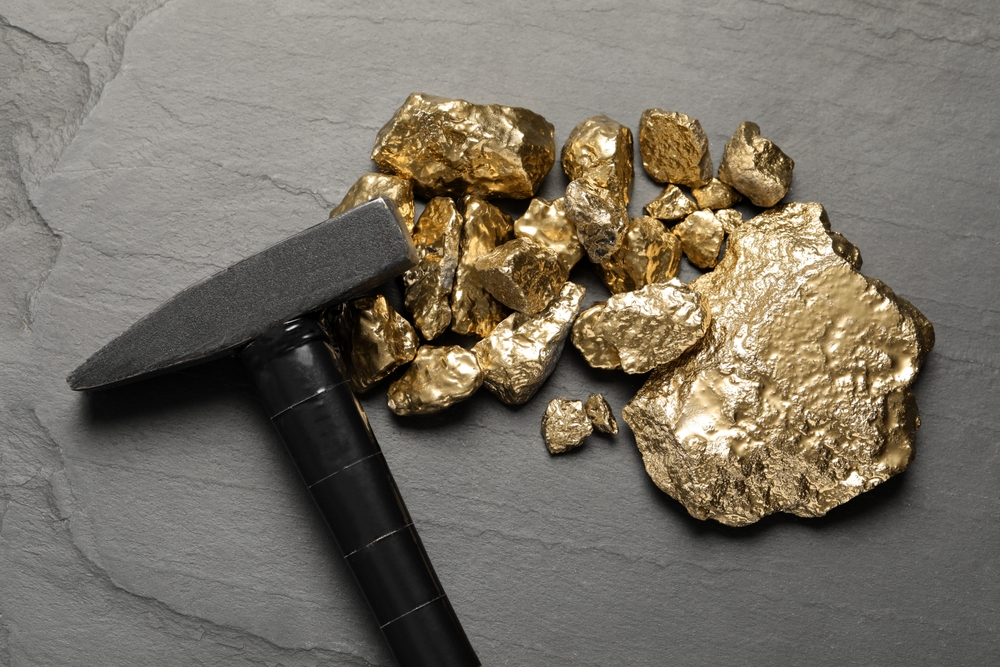
Gold isn’t interesting, and that’s part of the point. It doesn’t promise growth or innovation—it just refuses to vanish. When currencies wobble, or inflation eats away at purchasing power, gold tends to sit there unchanged. That stubbornness is the appeal.
Data from the World Gold Council shows that gold has historically preserved purchasing power during inflationary periods. It’s not about winning. It’s about not losing quietly. Cash doesn’t have that kind of resistance.
3. Land That Produces Something Real

Productive land holds value because it’s tied to necessities, not trends. Food demand doesn’t slow down just because markets do. Farmland, in particular, tends to keep its footing when other assets feel shaky. Scarcity does the heavy lifting.
Cash loses ground when prices rise. Productive land adjusts alongside them. The difference is subtle but relentless. Function matters more than form.
4. Certain Mechanical Watches People Collect
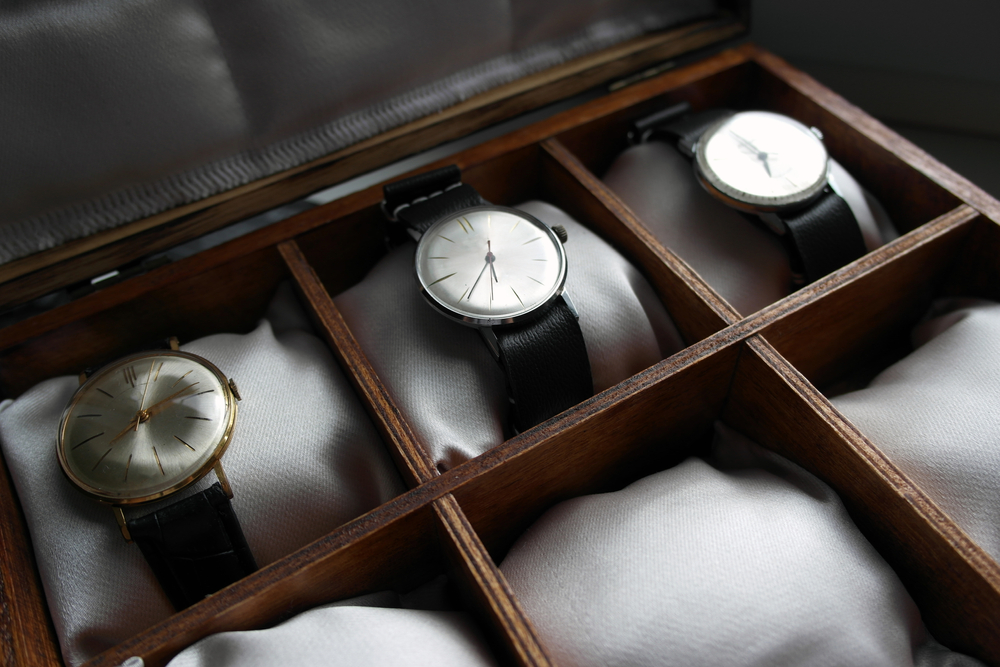
Most watches are just accessories. A small subset aren’t. Well-known mechanical watches from established brands hold value because supply is limited and demand is global. These aren’t impulse items. They’re objects people actively seek out years later.
Resale data tracked by platforms like WatchCharts shows that some models have kept pace with—or exceeded—inflation over time. Condition matters, and hype fades, but scarcity sticks. Cash multiplies easily. These don’t.
5. Tools That Let You Do Something Other People Can’t
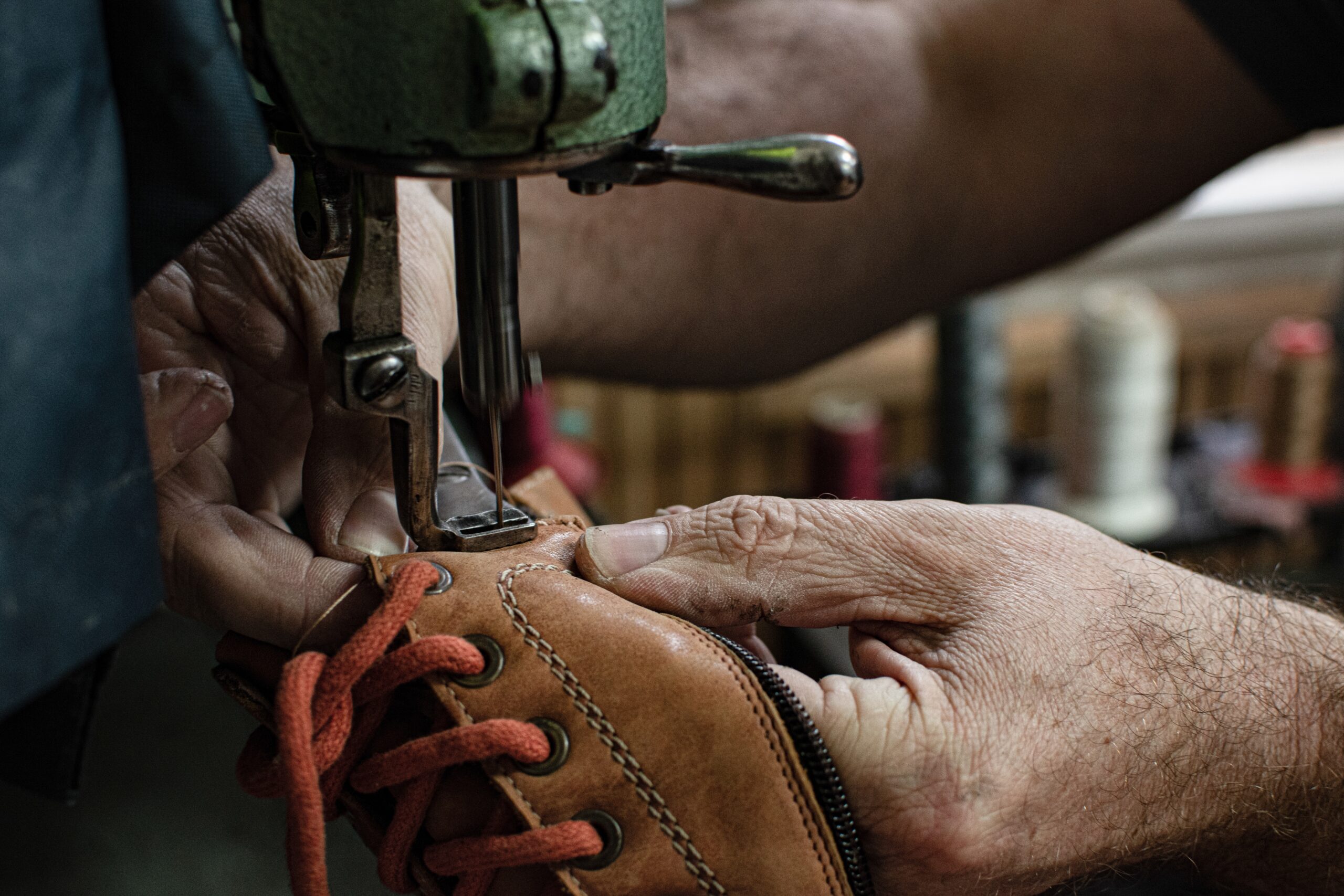
High-quality tools hold value because they turn effort into output. Whether it’s professional equipment or serious craftsmanship tools, usefulness keeps demand alive. People don’t replace them lightly. They’re bought with intention.
Cash doesn’t do anything on its own. Tools quietly convert time into income or skill. That ability gives them staying power. Utility ages better than convenience.
6. Art With a Real, Established Market
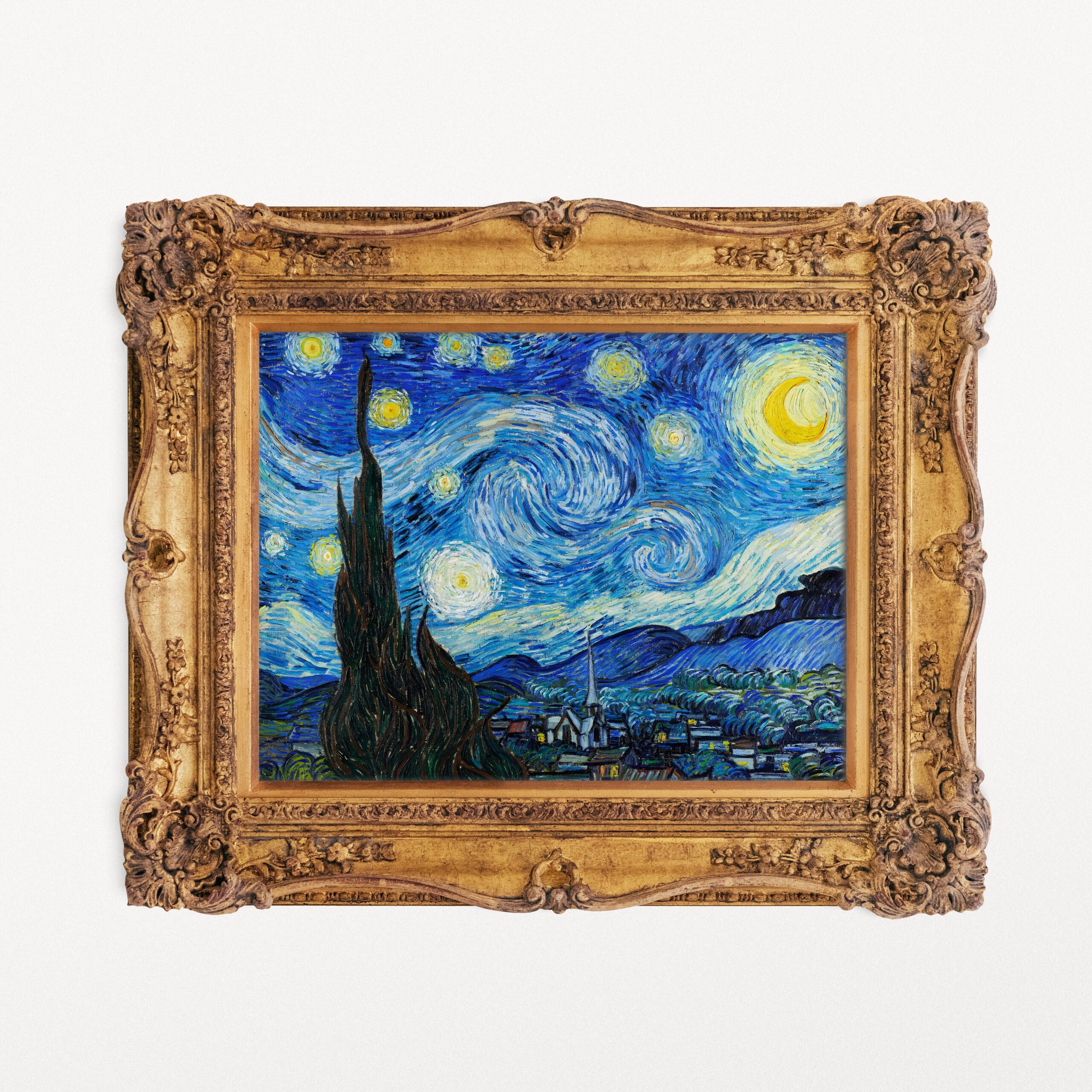
Most art doesn’t hold value. Some pieces do, stubbornly. Work from established artists with consistent demand tends to survive economic mood swings better than people expect. Scarcity and cultural relevance matter more than taste.
Auction data from houses like Sotheby’s and Christie’s shows that blue-chip art often holds value during inflationary periods. Liquidity can be slow, but erosion is less common. Art doesn’t rush. Cash erodes patiently.
7. Rare or Out-of-Print Books
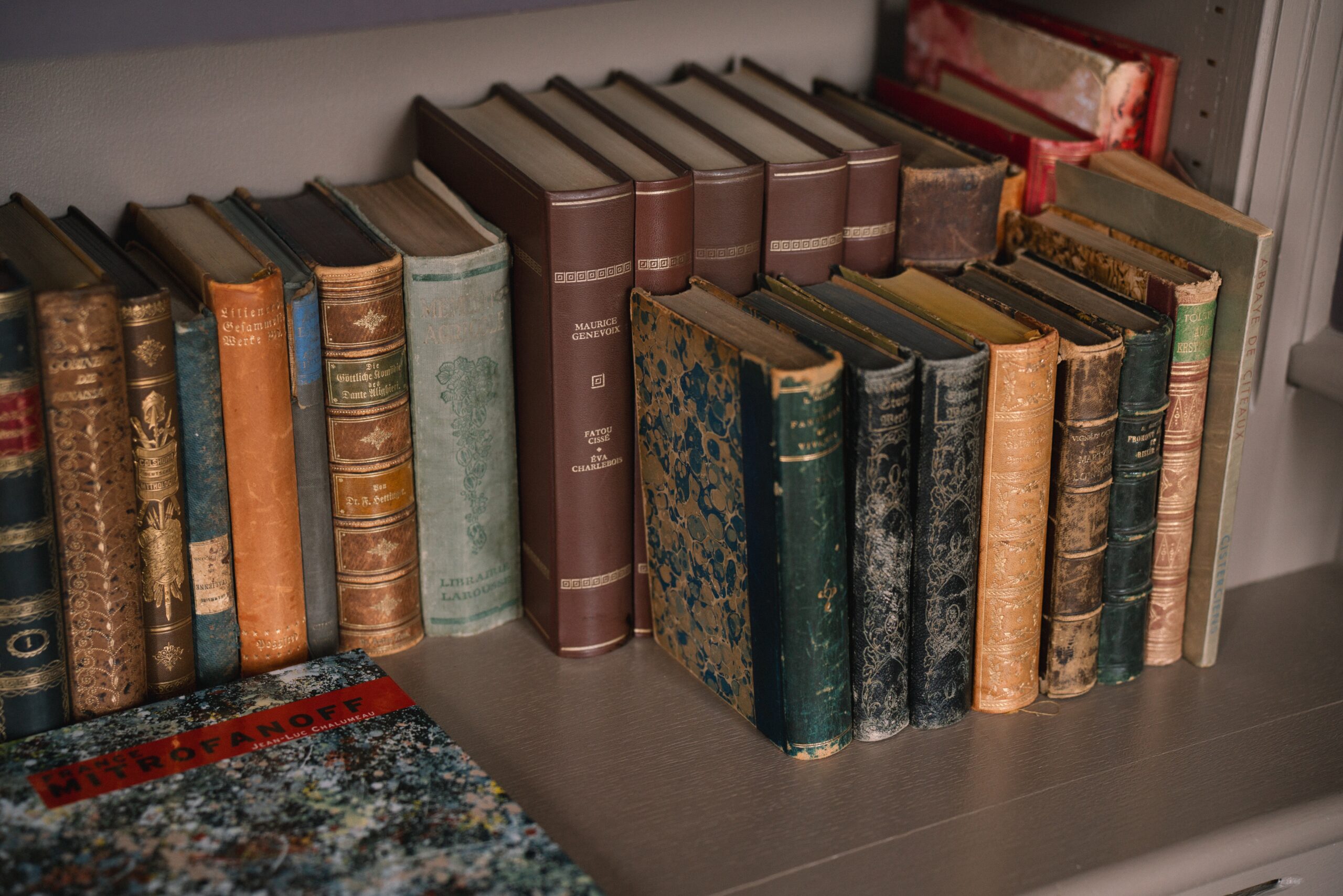
Books don’t feel like assets until they become hard to replace. First editions, banned works, and culturally significant titles develop value because supply stops, but demand doesn’t. Replacement isn’t easy. That matters.
The Antiquarian Booksellers’ Association has documented steady long-term value retention for rare books tied to historical importance. Their worth isn’t speculative—it’s archival. Cash doesn’t become more meaningful over time. These sometimes do.
8. Musical Instruments Built to Last
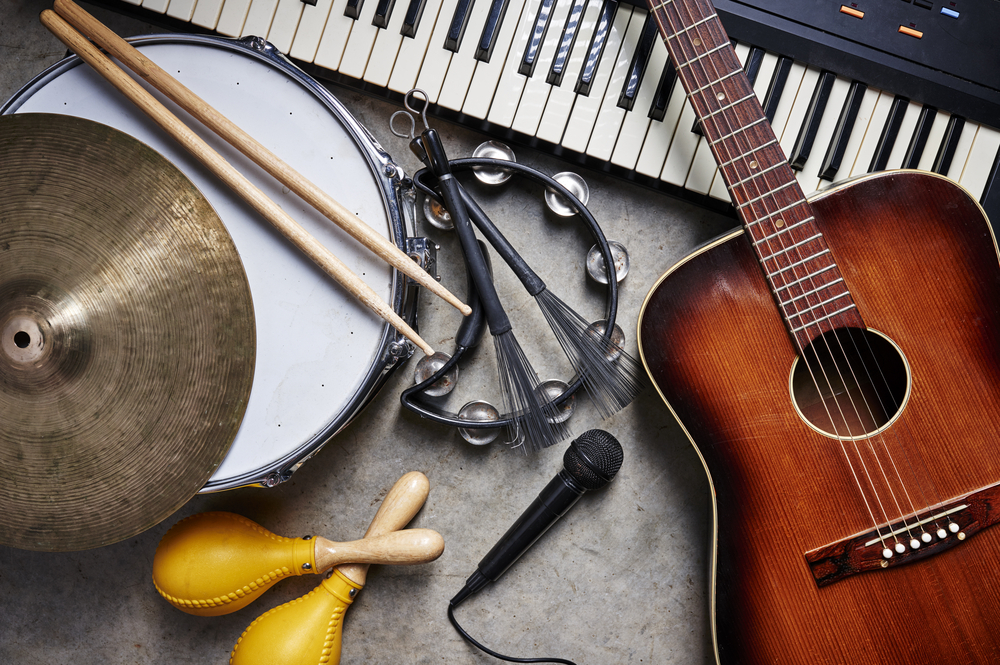
Well-made instruments don’t age the way electronics do. Sound improves, materials settle, and craftsmanship stays relevant. A cared-for instrument can hold its value for decades. Musicians look for reliability, not novelty.
Instruments do double duty. They retain value and create something. Cash only does one of those things, and poorly.
9. Vintage Cars With Proven Demand
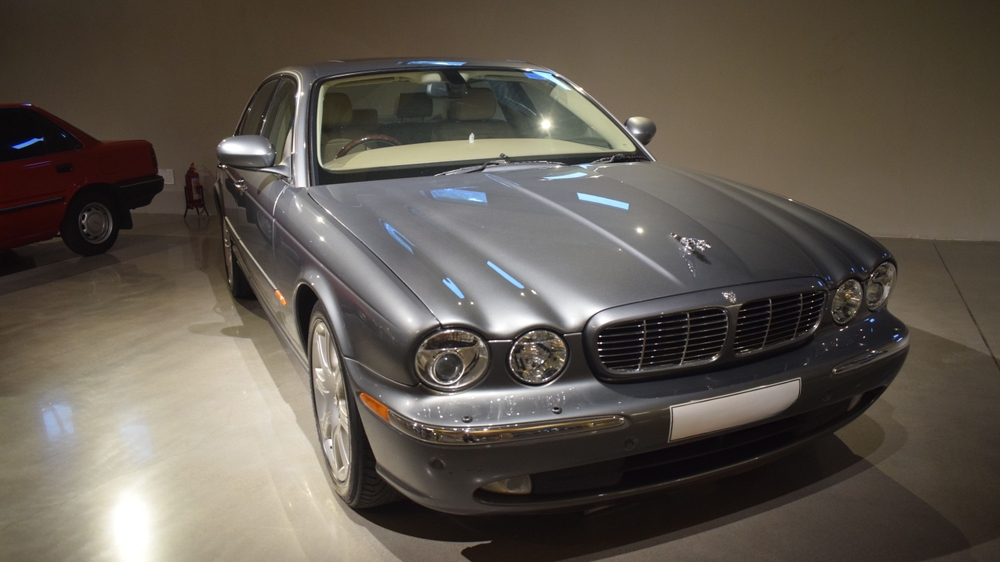
Almost all cars lose value quickly. But some? Some models with established collector markets behave more like artifacts than vehicles. Condition, documentation, and scarcity matter far more than convenience. These aren’t everyday purchases.
Maintenance is real, but demand is global. Chosen carefully, depreciation slows dramatically. Cash loses quietly every year. Vintage value only collapses if demand disappears—and for some models, it hasn’t.
10. Intellectual Property You Actually Own

Owned content, patents, and licensing rights don’t age like cash. Their value comes from reuse and control. When something can generate repeatedly without being consumed, erosion slows. Ownership matters more than hype.
Cash stops working the moment it’s spent. IP can keep showing up. That difference compounds quietly.
11. Home Improvements That Reduce Future Costs

Some upgrades don’t make a house prettier, but they make it cheaper to live in. Insulation, structural repairs, and energy efficiency don’t sparkle. They stabilize. Buyers notice fundamentals more than finishes when money tightens.
Cash leaks value through rising costs. Improvements push back. Resistance is a form of return.
12. Jewelry Valued for Materials, Not Trends

Jewelry tied to precious materials and craftsmanship behaves differently from trend-driven pieces. Gold and platinum don’t reset to zero when tastes change. Resale markets exist because material value persists. Fashion cycles don’t erase substance.
Cash is abstract. Materials are not. That distinction matters over time.
13. Small Businesses With Predictable Demand

A business doesn’t need to be flashy to hold value. Predictable revenue, repeat customers, and boring reliability go a long way. Stability protects worth better than growth fantasies. Continuity matters.
Cash waits. Businesses move. That motion protects value.
14. Skills That Stay Relevant When Things Shift

Not all education holds value, but skills tied to clear demand often do. Certifications, licenses, and applied knowledge age better than credentials alone. Relevance resists erosion. Obsolescence does not.
Cash depreciates automatically. Skills don’t—unless ignored.
15. Anything That Lowers Your Dependence on Monthly Spending

The most overlooked value holder isn’t something you buy. It’s something that reduces how much you need. Paid-off assets, reliable systems, and lower fixed costs shrink the surface area inflation can attack. Less exposure matters.
Value isn’t always about growth. Sometimes it’s about insulation. And cash? Cash offers none.
This article is for informational purposes only and should not be construed as financial advice. Consult a financial professional before making investment or other financial decisions. The author and publisher make no warranties of any kind.