


For a lot of buyers, property taxes are the line item they glance at and move past while focusing on the mortgage payment. That oversight is starting to hurt. As home prices rose and local governments adjusted assessments, taxes quietly climbed alongside them. In some states, new homeowners are discovering too late that their “affordable” home comes with a long-term cost they didn’t fully price in.
1. New Jersey

New Jersey has some of the highest property taxes in the country, but many first-time buyers still underestimate just how steep they can be. Monthly payments look manageable until the tax bill is folded in, and then the math changes quickly. What feels like a stretch becomes a strain. Sticker shock sets in after closing, not before.
The issue isn’t just high rates—it’s consistency. Taxes stay elevated regardless of market shifts, and increases are rarely dramatic enough year to year to feel urgent until they’ve compounded. Buyers coming from neighboring states are often the most surprised. The baseline is simply higher here.
2. Texas

Texas attracts buyers with no state income tax, which can make overall affordability seem deceptively strong. The tradeoff shows up in property taxes that can rival or exceed those in traditionally “high-tax” states. New homeowners often underestimate how much local districts rely on property taxes to fund schools and services. The result is a heavier-than-expected monthly obligation.
According to data from the Tax Foundation, Texas consistently ranks among the states with the highest effective property tax rates. Rising home values have only amplified that burden. Buyers who focus only on the mortgage payment often feel blindsided later. The savings show up in one column and disappear in another.
3. Illinois

Illinois property taxes are less about shock and more about slow realization. Rates vary widely by county, but assessments tend to climb steadily over time. New buyers may budget for today’s bill without accounting for how quickly it can change. The gap between expectation and reality grows quietly.
Reports from the Lincoln Institute of Land Policy show that Illinois homeowners face some of the highest median property tax bills in the Midwest. Local funding structures make increases hard to avoid. What feels manageable in year one often doesn’t stay that way. Buyers notice when flexibility starts shrinking.
4. New York

Outside of New York City, many buyers assume taxes will be more forgiving. In reality, suburban and upstate areas often come with hefty property tax bills tied to school funding. Homes that look like bargains on price alone tell a different story once taxes are factored in. Monthly costs inflate fast.
For buyers relocating from lower-tax states, the adjustment can be jarring. The tax line item doesn’t feel optional or negotiable. It’s simply part of living there. That reality sets in once escrow payments begin.
5. Florida
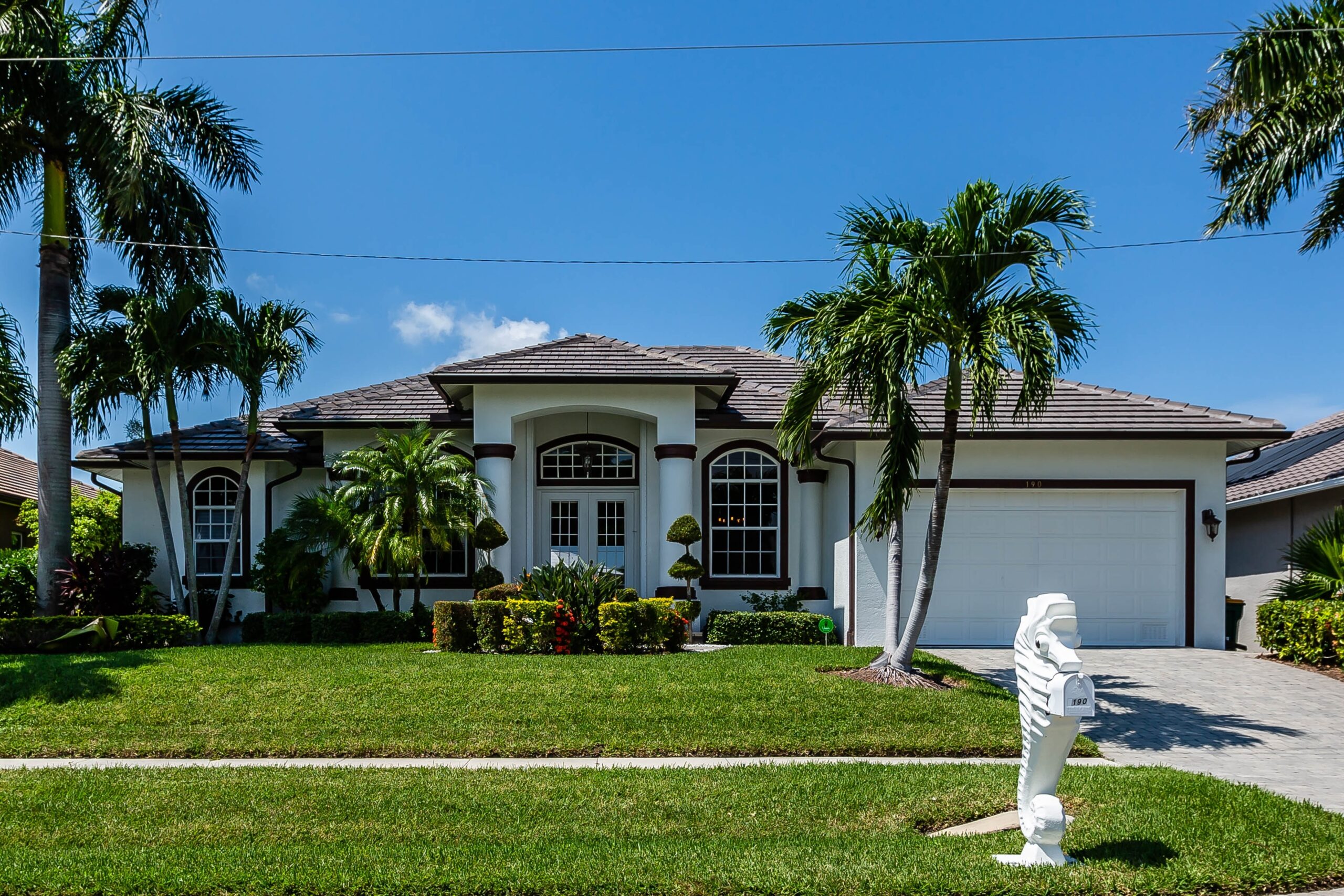
Florida’s property taxes often catch new residents off guard because of how assessments reset after a sale. Longtime homeowners benefit from caps that limit increases, but new buyers start at full market value. That gap can be substantial. The first tax bill is often higher than expected.
The Florida Department of Revenue has noted that assessment resets are one of the most common sources of confusion for incoming buyers. What neighbors pay isn’t what you’ll pay. That difference doesn’t show up clearly in listings. It shows up later.
6. Pennsylvania

Pennsylvania’s property tax burden varies sharply by county, which makes it easy to misjudge. Buyers may focus on a reasonable purchase price without fully understanding local tax structures. School district funding plays a major role. That dependence keeps rates elevated.
The surprise isn’t just the amount—it’s the lack of uniformity. Two similar homes can carry very different tax bills. New buyers often assume predictability where there isn’t much. That assumption proves costly.
7. Ohio

Ohio’s property taxes don’t always look extreme on paper, but reassessments can change the picture quickly. Buyers who purchase during a market upswing often see taxes jump within a few years. The timing feels abrupt. Budgets tighten without warning.
According to analysis from the Ohio Department of Taxation, reassessment cycles can significantly increase tax obligations for newer homeowners. The increase isn’t tied to improvements or changes made by the owner. It’s tied to market momentum. That distinction doesn’t make it easier to absorb.
8. Michigan

Michigan’s property tax system treats longtime owners and new buyers very differently. Taxable value growth is capped for existing homeowners, but uncapped at the point of sale. New buyers step into a much higher tax position immediately. The contrast can be stark.
This dynamic makes neighborhoods feel uneven. Buyers compare bills and assume something is wrong. It isn’t—it’s structural. The learning curve comes after purchase.
9. Wisconsin
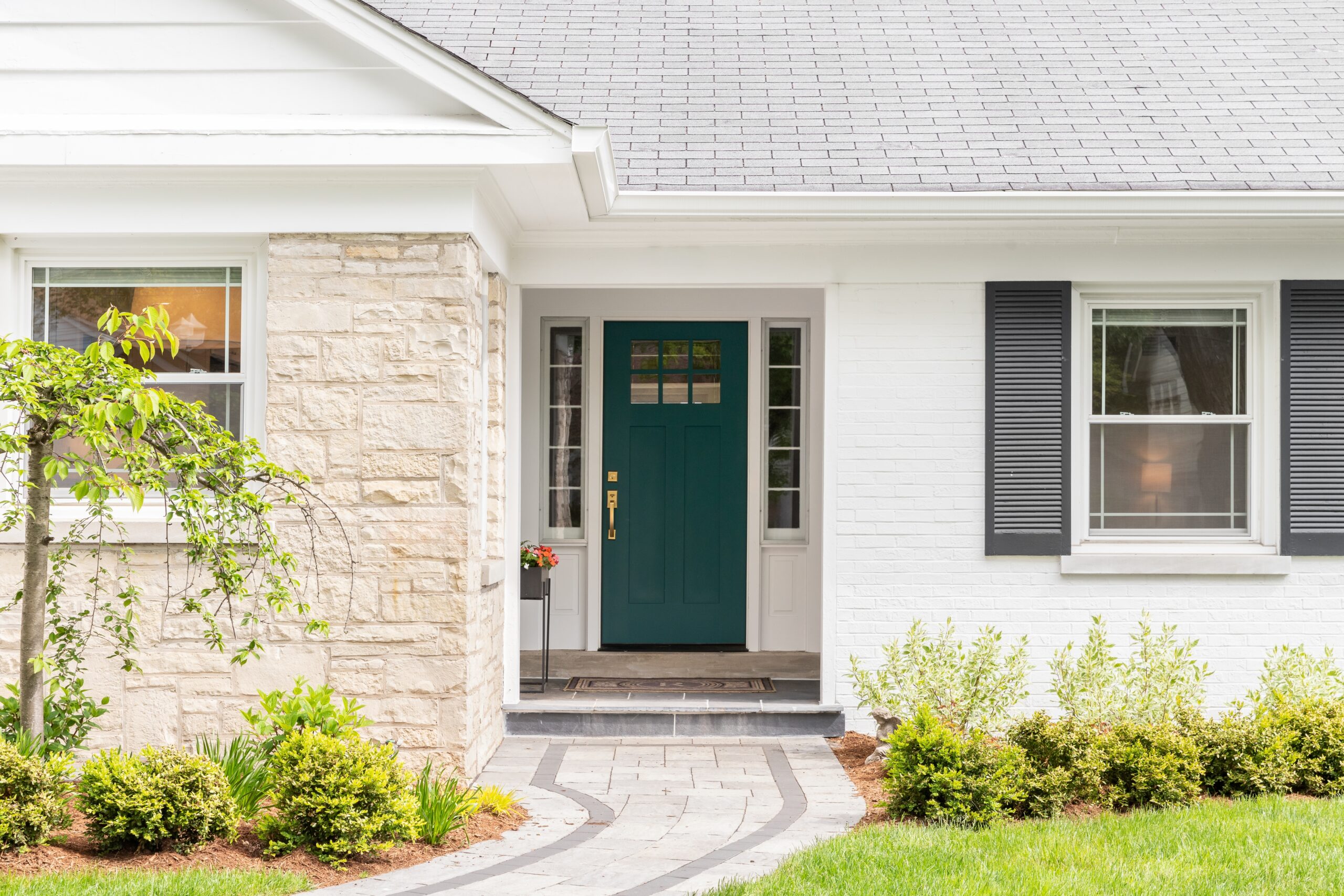
Wisconsin relies heavily on property taxes to fund local services, which keeps rates elevated. Buyers drawn by relatively affordable home prices don’t always account for that reliance. Monthly payments swell once escrow is calculated. The numbers stop feeling tidy.
The issue isn’t volatility—it’s consistency. Taxes stay high even when other costs stabilize. Buyers expecting relief over time often don’t find it. Planning gaps show up quickly.
10. New Hampshire
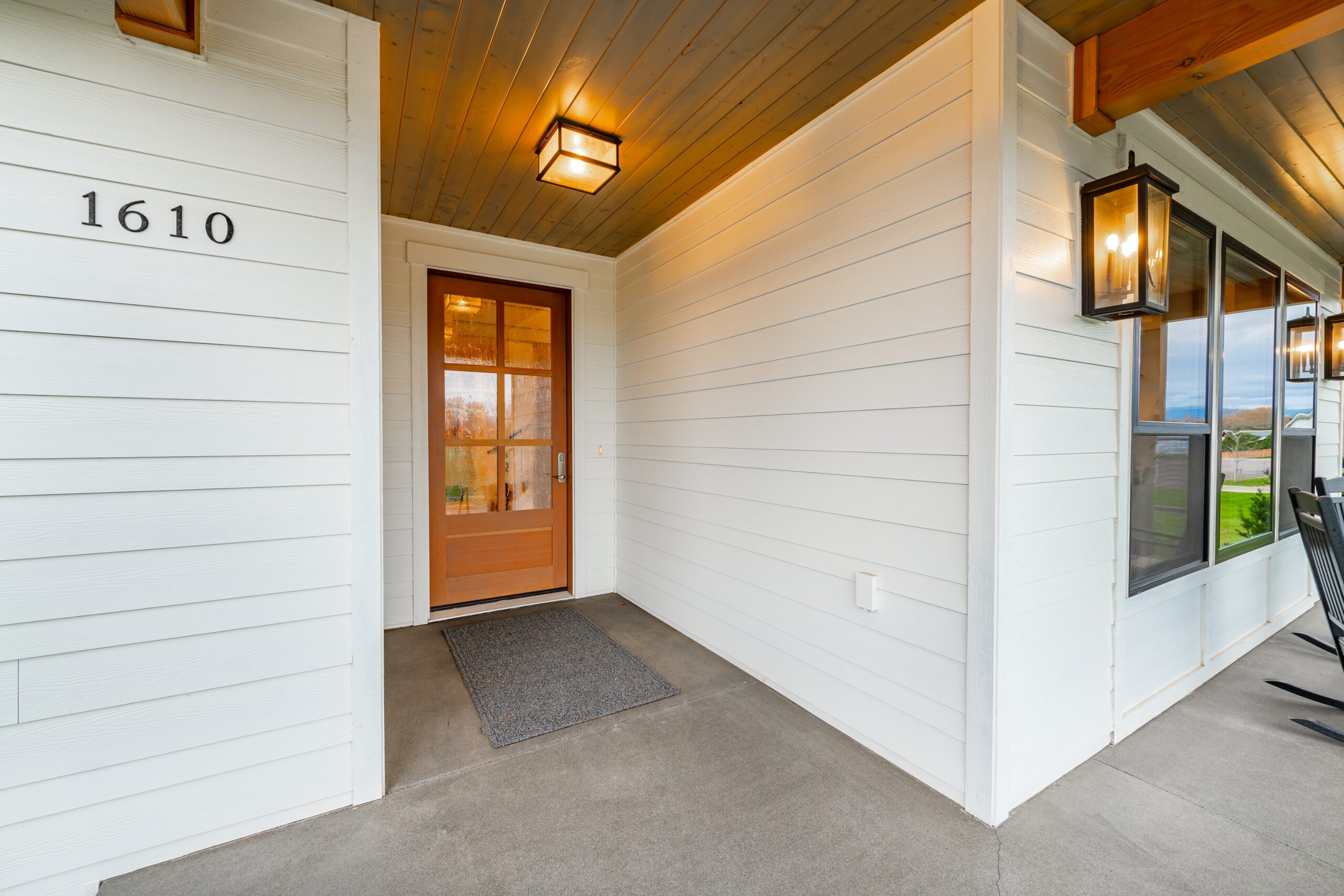
New Hampshire’s lack of sales and income taxes creates an impression of low overall tax burden. Property taxes fill that gap aggressively. Buyers unfamiliar with the tradeoff often underestimate the long-term cost of ownership. The bill feels outsized relative to the home price.
Taxes vary by town, which adds another layer of complexity. Research is required, not optional. New buyers often realize that after the fact.
11. Connecticut

Connecticut’s property taxes are closely tied to municipal budgets and school funding. Buyers moving from nearby states sometimes expect parity. They don’t always get it. Assessments can climb alongside rising values with little delay.
The surprise isn’t just the amount—it’s how fixed it feels. There’s limited room to maneuver. The cost becomes part of the home’s identity.
12. California

California’s property tax system is famously capped for existing homeowners, which creates a sharp divide for new buyers. Purchasing at today’s prices locks in a significantly higher tax base. That reality is often downplayed during the buying process. The focus stays on the mortgage.
Over time, that higher starting point matters. Buyers realize they’re carrying a permanent premium. The difference doesn’t fade. It becomes structural.
13. Massachusetts

Massachusetts property taxes don’t always top national lists, but they rise alongside strong housing demand. New buyers entering competitive markets often pay at peak valuations. Taxes follow suit. The pressure is cumulative.
What catches people off guard is how little flexibility remains once all costs are combined. Mortgage, insurance, and taxes move together. When they rise in sync, affordability tightens fast. Buyers feel it long after closing day.
This article is for informational purposes only and should not be construed as financial advice. Consult a financial professional before making investment or other financial decisions. The author and publisher make no warranties of any kind.