


Most people walk into thrift stores expecting bargains, not overlooked assets. Pricing is often based on speed and surface-level inspection rather than resale markets, materials, or collector demand. That gap means valuable items regularly end up underpriced and overlooked. Knowing what to look for can turn an ordinary thrift visit into a surprisingly profitable find.
1. Vintage Levi’s (Especially 501s Made Before the 1990s)
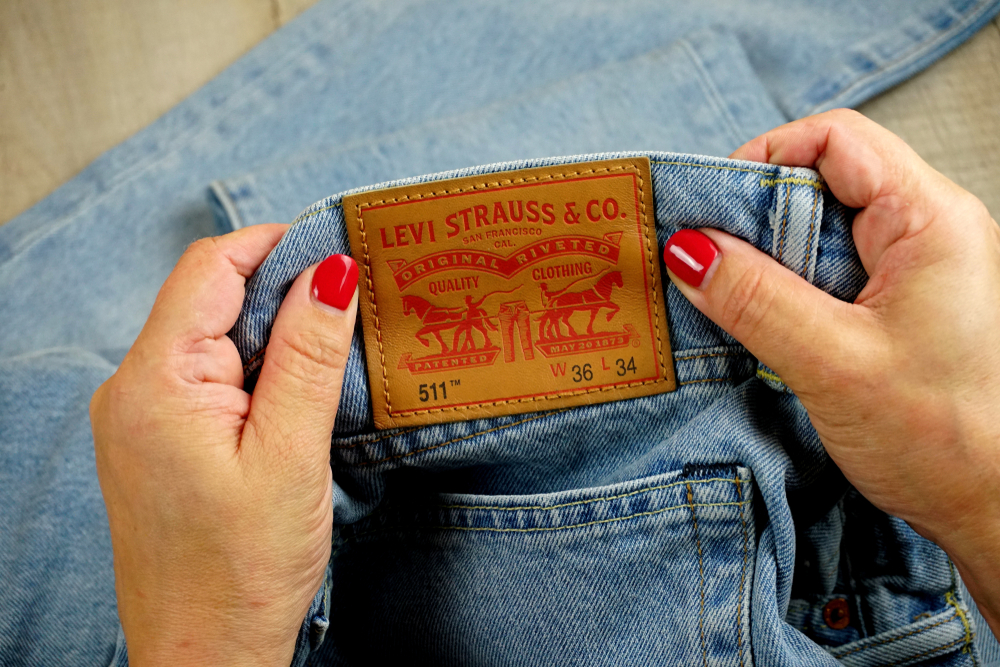
Older Levi’s, particularly U.S.-made 501s from the 1970s and 1980s, are in high demand among collectors and resellers. The denim quality, construction, and fading patterns from that era are difficult to replicate today. Details like selvedge seams, care tags, and button stamps help date pairs accurately. Many thrift stores price them the same as modern jeans.
Resale data from platforms like eBay and Grailed shows authentic vintage Levi’s often selling for several hundred dollars. Even heavily worn pairs can perform well if they’re from the right production years. Condition affects price, but era and authenticity matter more. A quick tag check can reveal a big upside.
2. Solid Wood Furniture
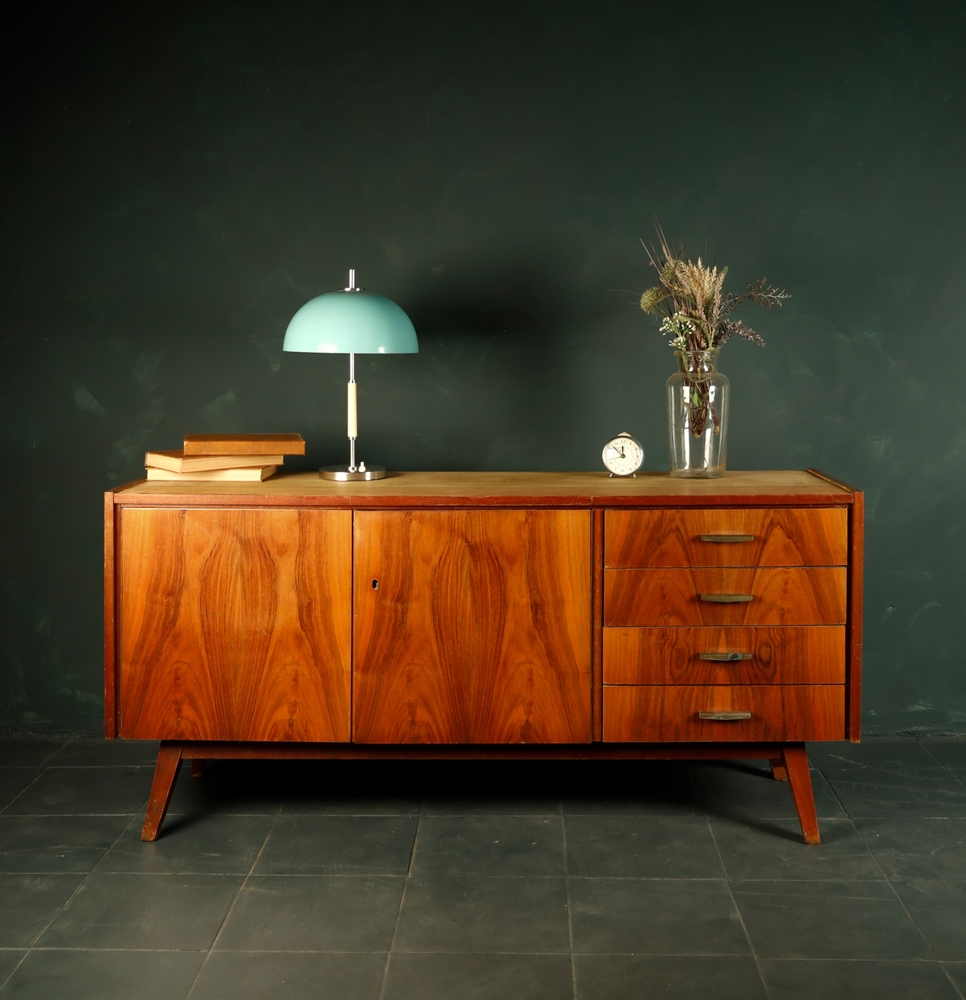
Solid wood furniture is frequently overlooked in favor of lighter, trendier pieces. Thrift stores often receive older dressers, tables, and chairs made from hardwood rather than particleboard or veneer. These pieces were built to last decades, not years. Cosmetic wear is usually easier to fix than structural damage.
Once cleaned or refinished, solid wood furniture resells well, especially as buyers move away from disposable furnishings. Mid-century and traditional styles both perform strongly, depending on the market. The material itself holds value regardless of finish. Construction quality is what buyers ultimately pay for.
3. First-Edition and Out-of-Print Books

Thrift store bookshelves are rarely evaluated for collector value. First editions, early printings, and out-of-print titles are often mixed in with mass-market paperbacks. Dust jackets, publication dates, and print lines determine value. Many stores don’t check these details.
Auction records and rare book dealer data show consistent demand for specific authors, signed copies, and limited runs. Even niche nonfiction can sell well if it’s no longer widely available. Condition matters, but scarcity drives pricing. A few minutes of research can change a book’s worth entirely.
4. Vintage Band T-Shirts
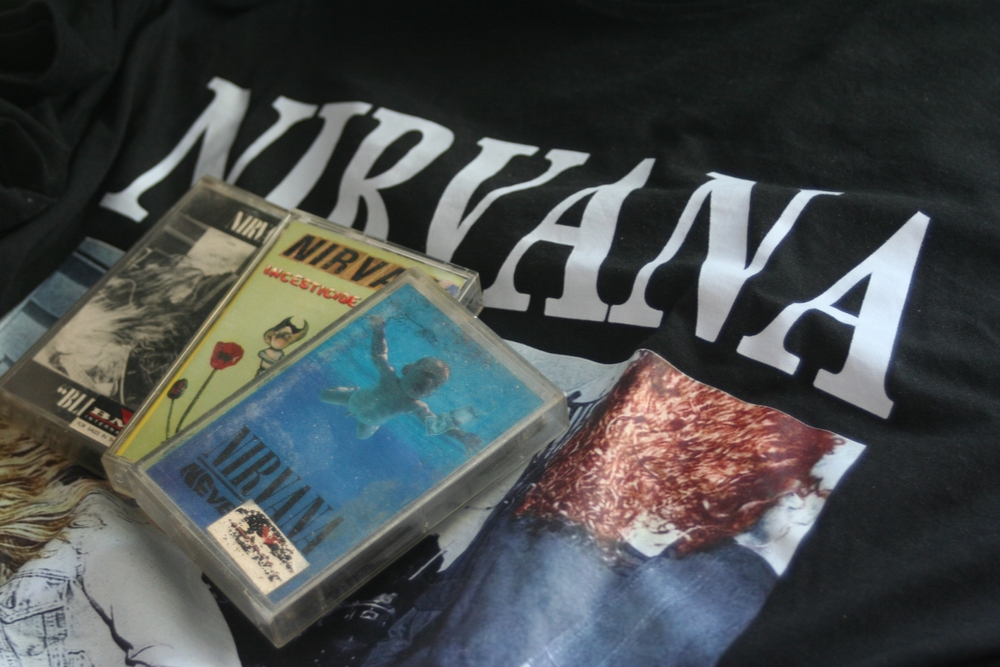
Authentic band T-shirts from the 1970s through early 1990s are among the most reliable thrift-store finds. Original tour shirts were produced in limited quantities and weren’t meant to last decades. Single-stitch seams and specific tag brands help identify originals. Reprints are common, but construction gives them away.
Collectors and fashion buyers pay premiums for authenticity, especially for major bands. Wear often increases appeal rather than diminishing it. Prices vary widely, but some shirts sell for hundreds or even thousands. Thrift stores rarely price them with that market in mind.
5. Sterling Silver Flatware and Serving Pieces
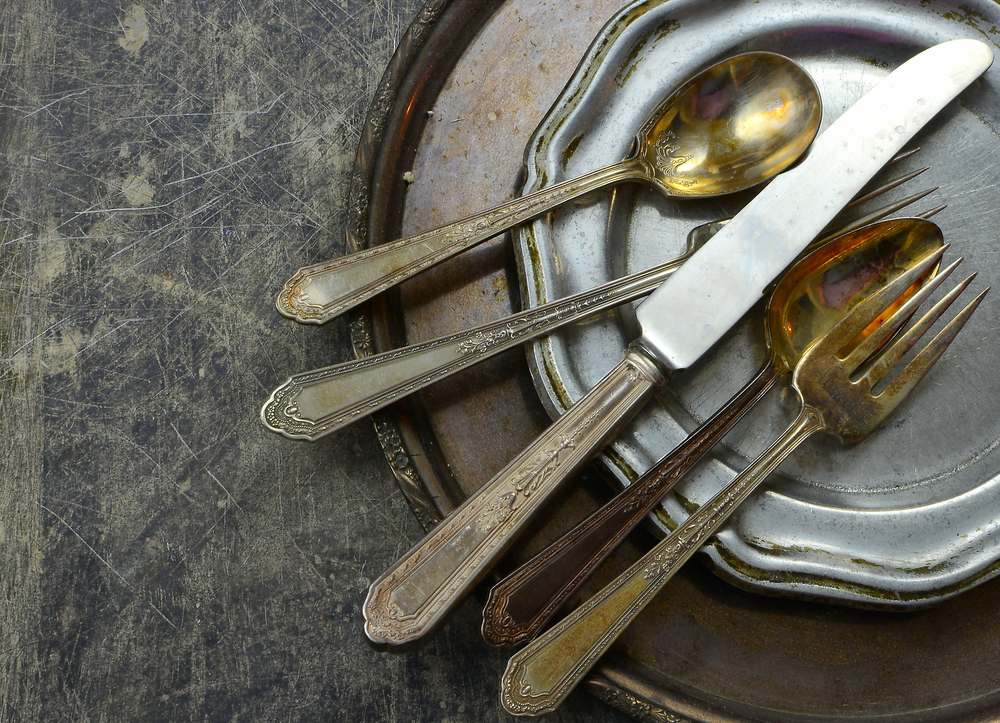
Sterling silver is often misidentified or underpriced at thrift stores. Flatware, trays, and serving pieces may be labeled simply as “silver” without testing. Hallmarks and weight are the key indicators. Even partial sets retain value.
According to precious metals analysts, sterling silver holds intrinsic melt value while also carrying collectible appeal. Certain patterns and makers significantly increase resale price. Thrift pricing often reflects neither factor accurately. Buyers who can identify hallmarks quickly have a clear advantage.
6. Mid-Century Ceramics and Pottery
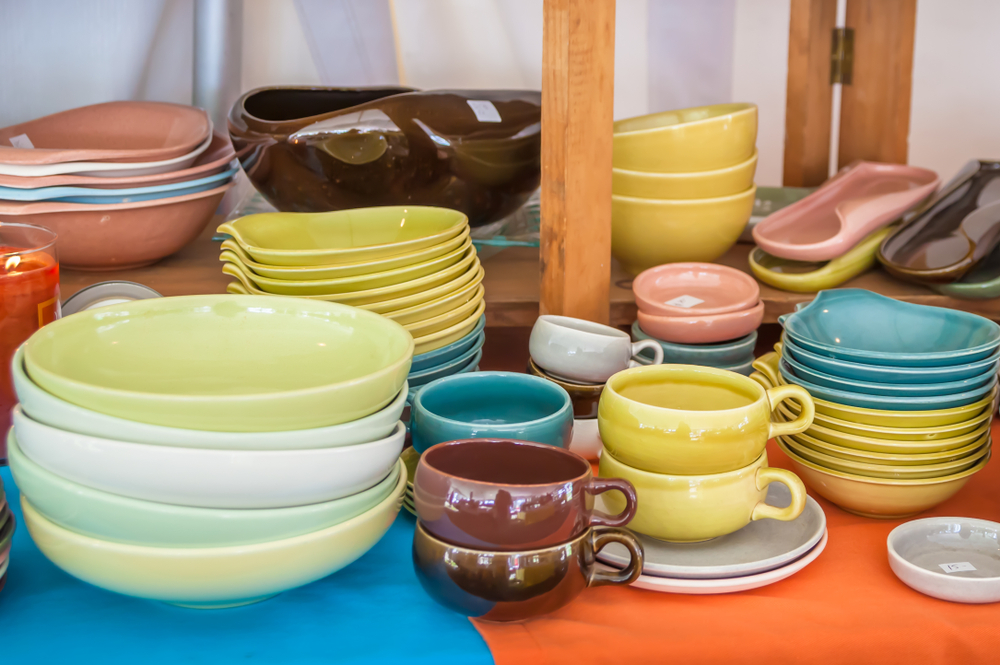
Ceramics from mid-century designers are frequently mistaken for generic décor. Maker’s marks are often small and overlooked. Studios from the 1950s and 1960s are especially collectible. Glaze, form, and origin all influence value.
Collectors actively seek specific designers and studios, and prices rise quickly once pieces are identified. Even lesser-known makers benefit from strong design-era demand. Thrift stores typically price these as decorative items. Knowledge of marks and styles drives profit.
7. Designer Handbags From Older Collections
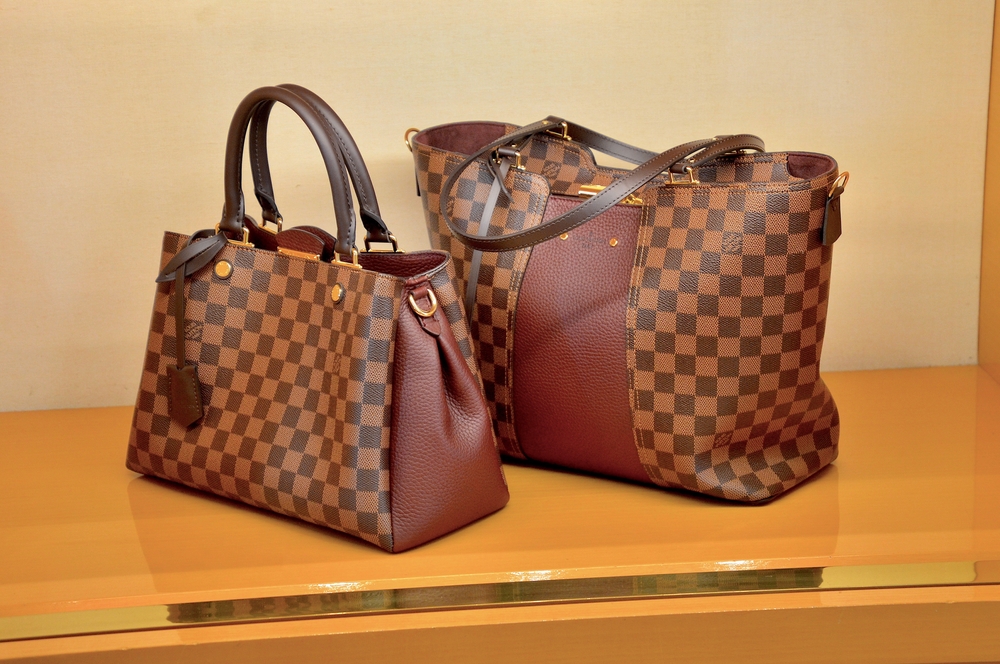
Luxury handbags from past seasons are often donated without authentication. Thrift stores may price them conservatively due to uncertainty. Stitching, hardware quality, serial numbers, and lining materials help confirm authenticity. Older styles don’t lose demand if the design is classic.
Resale and consignment market data shows sustained interest in legacy designs from brands like Chanel, Hermès, and Louis Vuitton. Some older models outperform newer releases in price stability. Condition affects resale, but authenticity is the primary factor.
8. Vintage Watches (Even Non-Working Ones)
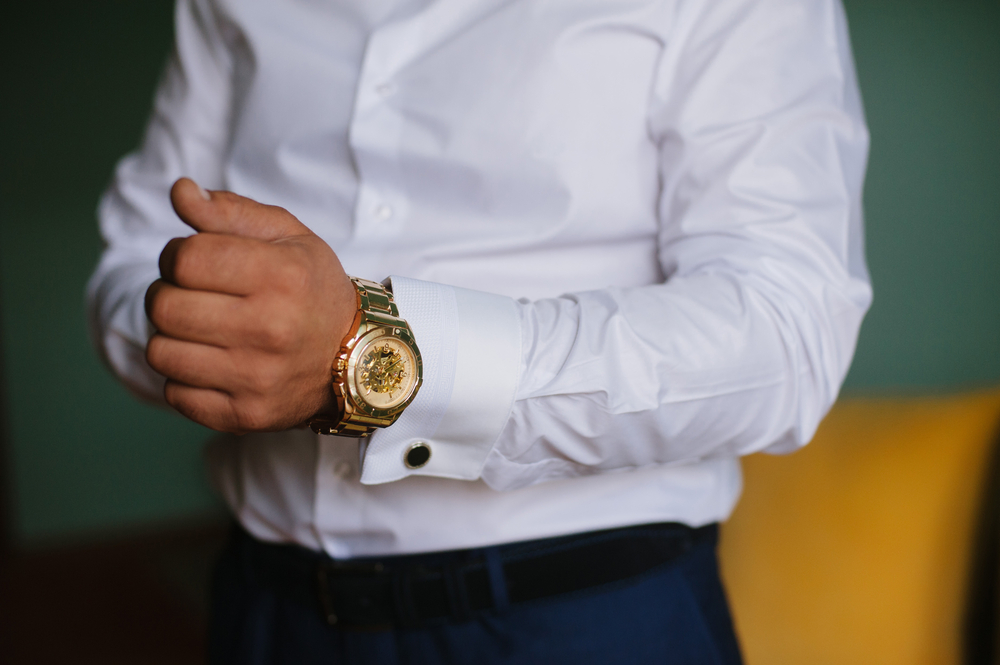
Old watches are often dismissed if they aren’t running. Many collectors value movements, cases, and original parts independently of functionality. Brand, era, and materials matter more than whether the watch currently works. Repairs are often feasible.
Collectors regularly restore watches sourced secondhand. Certain models increase in value precisely because they’re scarce. A non-working watch may still have strong resale potential.
9. Wool and Cashmere Outerwear
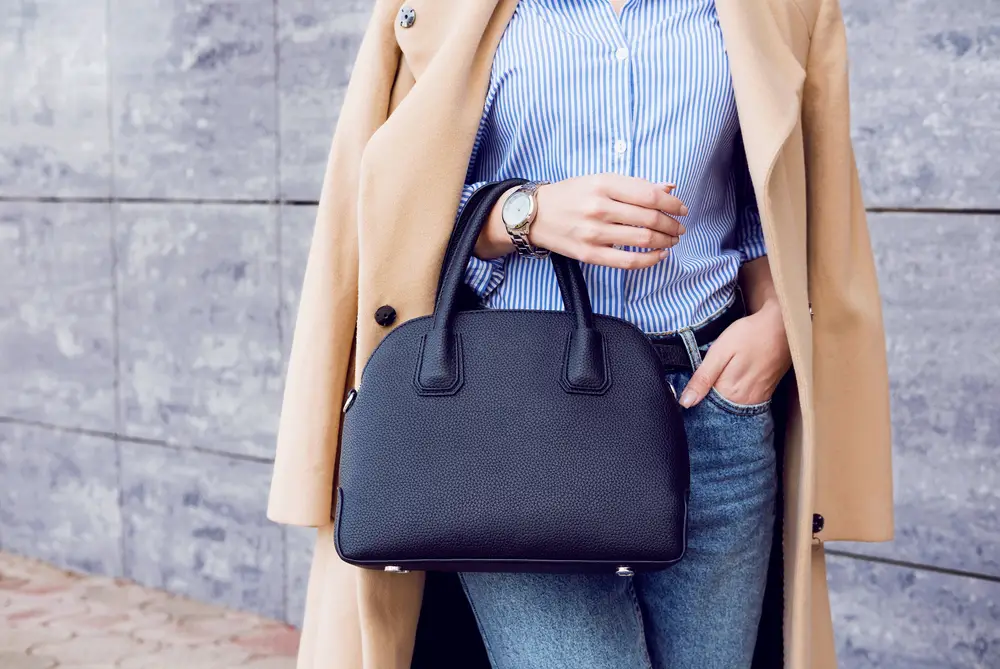
High-quality coats made from wool or cashmere often outlast trends and seasons. Thrift stores receive them regularly, especially in neutral colors. Fabric quality and construction matter more than brand names. Natural fibers age better than synthetics.
After professional cleaning, these coats resell consistently well. Buyers prioritize warmth, durability, and structure. Even unbranded pieces can command strong prices.
10. Vintage Pyrex and Kitchenware
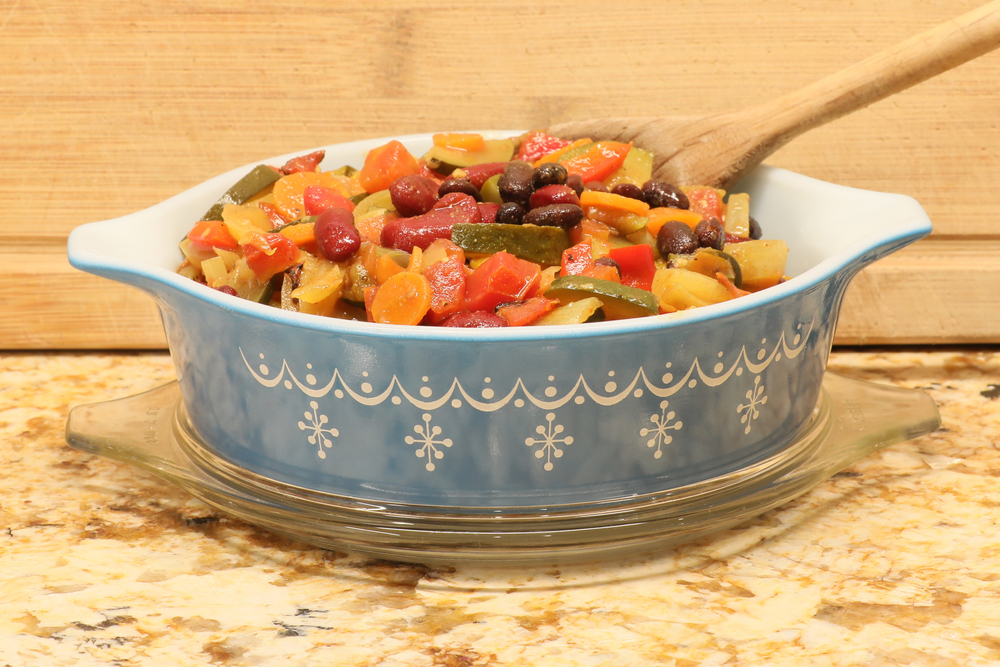
Certain Pyrex patterns have become highly collectible. Thrift stores often treat them as everyday kitchen items. Pattern rarity and condition determine value. Complete sets perform best.
Collectors pay premiums for discontinued designs. Even individual pieces can sell well if the pattern is desirable. Chips and wear affect price but don’t eliminate value.
11. Framed Art With Original Signatures

Thrift-store art is usually priced for decoration rather than authorship. Signatures are often overlooked or assumed to be decorative flourishes. Some pieces are original works rather than prints, but verifying that takes time that most stores don’t have. As a result, pricing often reflects the frame, not the artist.
The real value often shows up after research, not at checkout. Regional artists, limited editions, or older works can carry steady demand even without mainstream recognition. In some cases, the frame alone justifies the purchase price. The risk isn’t that the art is worthless—it’s that the work hasn’t been contextualized yet.
12. Vintage Cameras and Lenses

Film cameras and lenses have seen renewed interest as analog photography regains traction. Thrift stores frequently price them without testing or model research. Brand, lens mount, and glass quality matter far more than surface wear. Accessories can quietly double resale value.
What surprises new buyers is how functional demand still is. Many photographers actively seek specific lenses rather than display pieces. Repairs are often part of the buying expectation, not a deal-breaker. The market rewards usability more than perfection.
13. Old Board Games and Toys

Vintage games and toys gain value when all original components are intact. Boxes, manuals, and inserts matter just as much as the pieces themselves. Thrift stores rarely check completeness. Many sets are priced as if they’re missing parts, even when they aren’t.
Where value drops fastest is incompleteness, not age. Collectors will pass on rare titles if pieces are missing, but pay a premium for full sets of common games. Original packaging often matters more than the game itself.
14. Vintage Jewelry
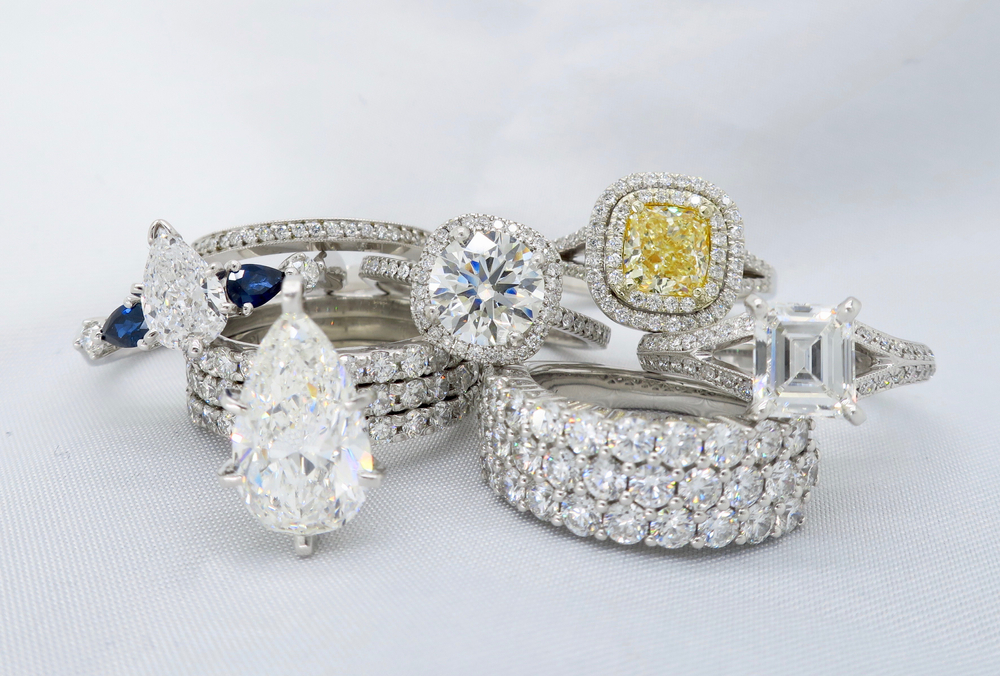
Gold and gemstone jewelry is often mixed in with costume pieces at thrift stores. Hallmarks, weight, and stone setting provide the clearest signals of value. Older craftsmanship can raise desirability, especially when modern equivalents are lower quality. Pricing ignores material content entirely.
Unlike trend-driven categories, jewelry carries built-in price support. Even if resale demand is soft, metal value sets a floor. That makes mistakes less costly than in purely collectible categories.
15. Musical Instruments

Instruments donated by former players often retain value even when cosmetically worn. Woodwinds, brass, and string instruments age well if structurally sound. Brand and craftsmanship matter more than finish. Repairs are common and expected in this category.
What makes instruments different is their end user. Students, schools, and working musicians buy for function, not display. That creates steady demand rather than speculative spikes. Playability, not appearance, determines resale success.
16. Vintage Electronics With Cult Followings
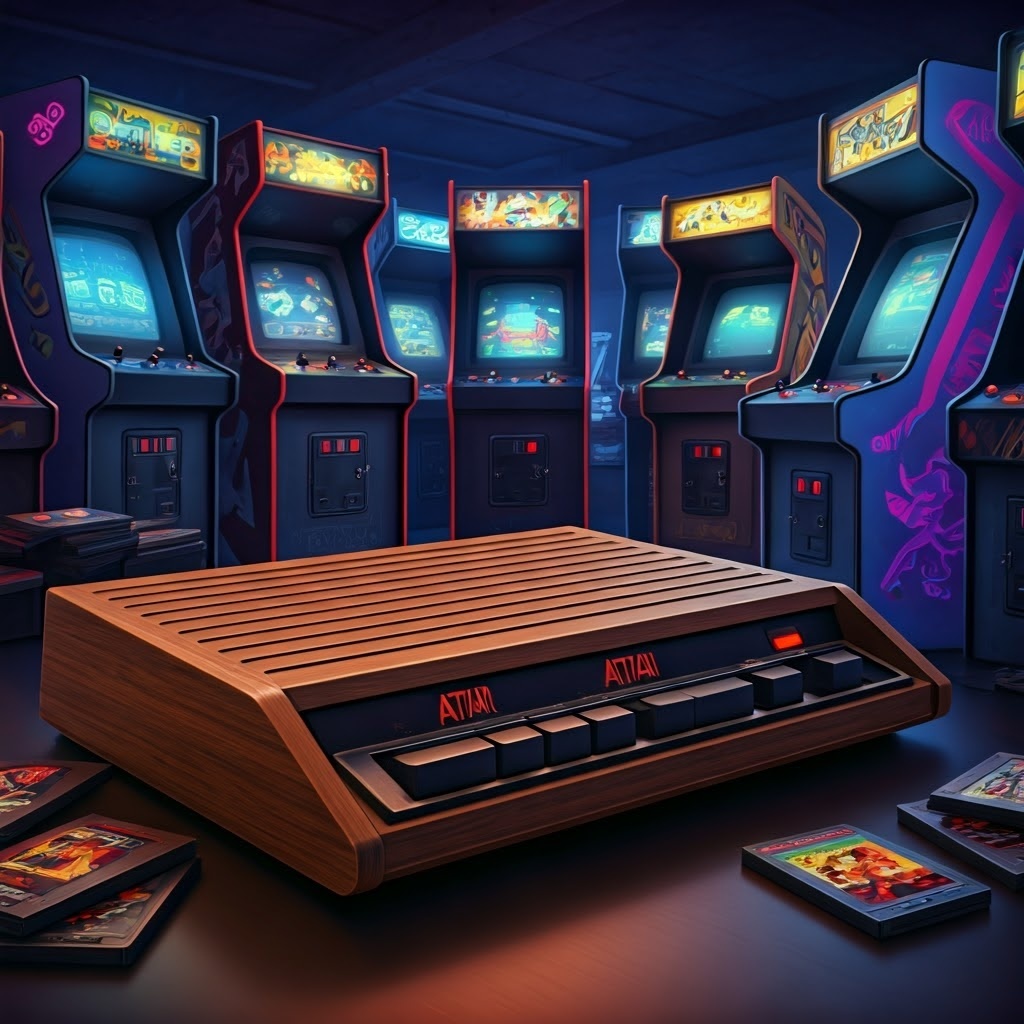
Certain older electronics attract loyal collector communities. Thrift stores may price them low due to age or unfamiliarity. Brand, model, and originality matter far more than modern features. Many units can be restored with readily available parts.
These items often resell best within niche communities rather than broad marketplaces. Enthusiasts care about authenticity, not upgrades. Obsolescence doesn’t hurt value here—it defines it. Demand comes from people who want the original experience.
This article is for informational purposes only and should not be construed as financial advice. Consult a financial professional before making investment or other financial decisions. The author and publisher make no warranties of any kind.