


We all know places like San Francisco and New York are expensive, but the real story is happening in cities that used to be affordable. These places attracted people precisely because they weren’t costly, and now that influx is driving up prices fast. The math that made these cities attractive five years ago has completely changed.
1. Austin, Texas
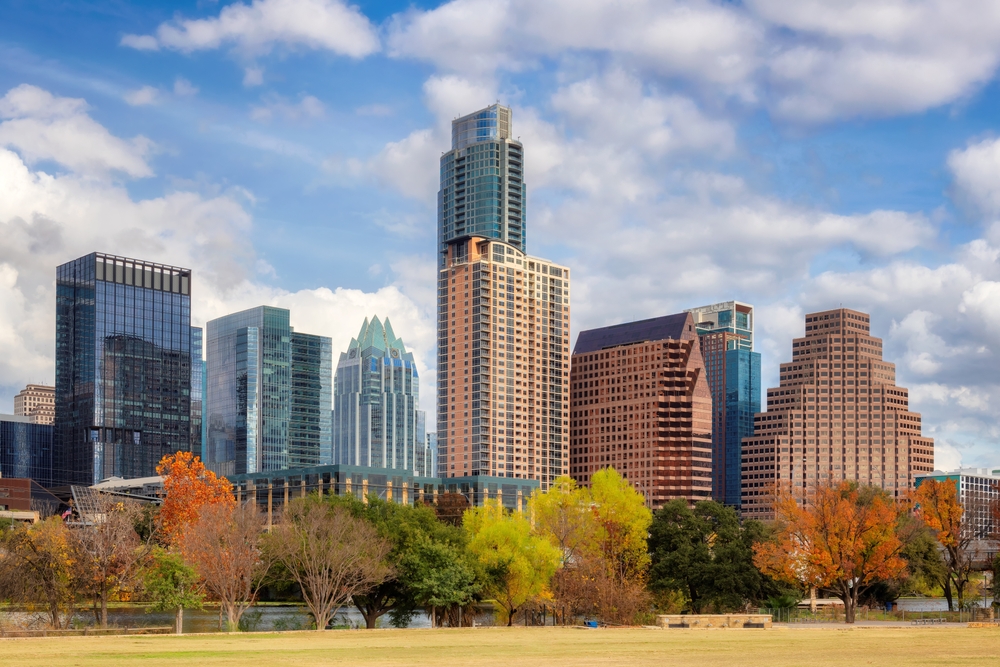
Austin’s cost of living has exploded as tech companies relocated thousands of high-earning employees to the city. According to the U.S. Bureau of Labor Statistics’ Consumer Price Index data, the Austin-Round Rock metro area saw housing costs increase by over 45% between 2019 and 2023, significantly outpacing the national average. Tesla, Oracle, and dozens of other companies moved operations to Texas, and the housing market responded accordingly.
The property tax situation makes it worse—Texas has no state income tax, so it funds everything through property taxes that keep climbing. Homeowners who bought years ago are seeing tax bills that have tripled, forcing some to sell.
2. Boise, Idaho

Boise became the poster child for pandemic migration, and now, longtime residents can barely afford to stay. Remote workers flooded in from California and Seattle, bringing their salaries and expectations with them. What was once a sleepy, affordable city is now experiencing rent increases that rival major metros.
Housing prices have nearly doubled in some neighborhoods since 2019. The locals who work service jobs or teach school are being priced out by transplants who think $2,500 for a two-bedroom is reasonable. Boise wanted growth, and now it’s dealing with the consequences.
3. Raleigh-Durham, North Carolina

The Research Triangle attracted educated workers with good jobs and reasonable housing costs, but that equation is breaking down fast. Tech and pharmaceutical companies keep expanding, bringing more high earners who drive up demand. Rent increases have been among the highest in the nation, yet the city still markets itself as affordable.
The infrastructure hasn’t kept pace with population growth, so you’re paying more to live in a city with increasing traffic and stretched services. The value proposition that made Raleigh attractive—good jobs, low costs—only works if the costs stay low. That window is closing.
4. Phoenix, Arizona
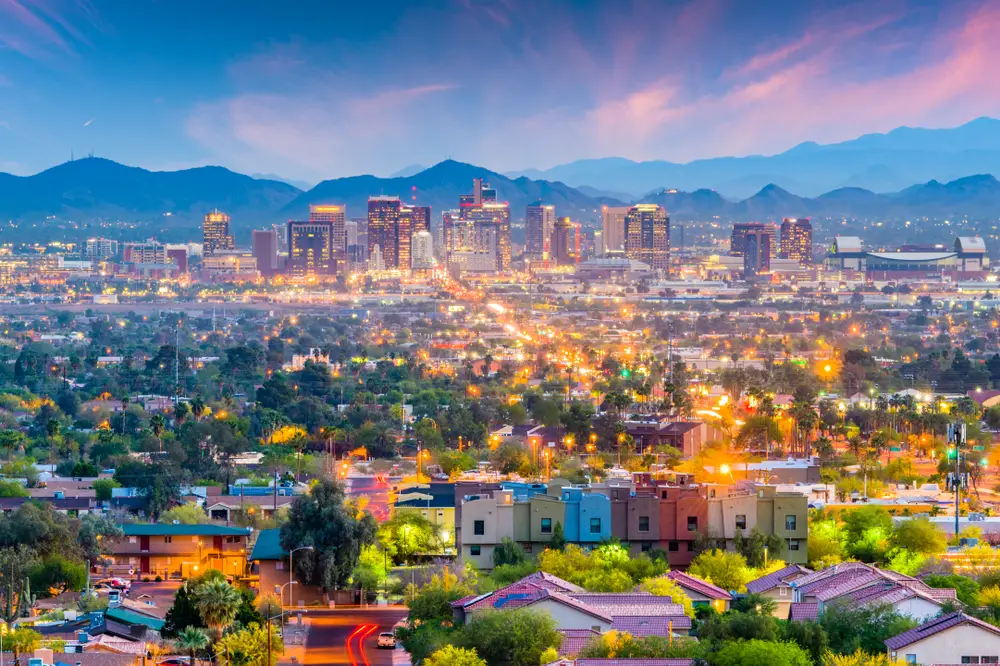
Phoenix sold itself as sunny and cheap, but the cheap part is disappearing while the heat intensifies. Housing prices surged as the California exodus brought cash buyers who could outbid locals sight unseen. According to Zillow’s 2024 market analysis, Phoenix-area home prices increased by approximately 60% from 2019 to 2023, with median home values climbing from around $265,000 to over $425,000. Rental increases followed close behind, with many neighborhoods seeing 30-40% hikes in just a few years.
The rising costs coincide with water concerns and increasingly brutal summers, creating a situation where you’re paying more to live somewhere that might be less habitable in 20 years. The math of moving to Phoenix for affordability doesn’t work when rent has jumped 35% since 2020.
5. Nashville, Tennessee

Nashville went from music city to “it” city, and the price increases reflect that transformation. Bachelor parties, tourism, and remote workers converged on a city that couldn’t build housing fast enough. Neighborhoods that were sketchy five years ago now have $3,000 one-bedrooms.
The local service industry that makes Nashville function can’t afford to live anywhere near downtown anymore. The character that made the city attractive—local musicians, dive bars, authentic culture—is being priced out systematically. Nashville is becoming a theme park version of itself.
6. Spokane, Washington

Spokane was the affordable alternative to Seattle until Seattle figured that out and moved there en masse. Data from the Federal Housing Finance Agency shows that Spokane County home prices appreciated by nearly 70% between 2019 and 2024, making it one of the fastest-growing housing markets in the Pacific Northwest.
Now, longtime residents are competing with out-of-state buyers offering $50K over asking in cash. The wages in Spokane haven’t increased proportionally, creating a gap between local earning power and housing costs.
7. Greenville, South Carolina

Greenville became a corporate relocation hub, and the cost increases followed the jobs. According to the Bureau of Economic Analysis, the Greenville-Anderson metro area experienced a 38% increase in per capita income between 2018 and 2023, but housing costs rose even faster. Companies moved their headquarters or regional offices to take advantage of South Carolina’s business climate, bringing thousands of higher-paid employees.
What was once an affordable Southern city is now experiencing bidding wars and rent increases that would make sense in Charlotte but feel absurd in Greenville. The city is growing faster than it can build infrastructure, so you’re paying more for worse traffic and strained services.
8. Salt Lake City, Utah
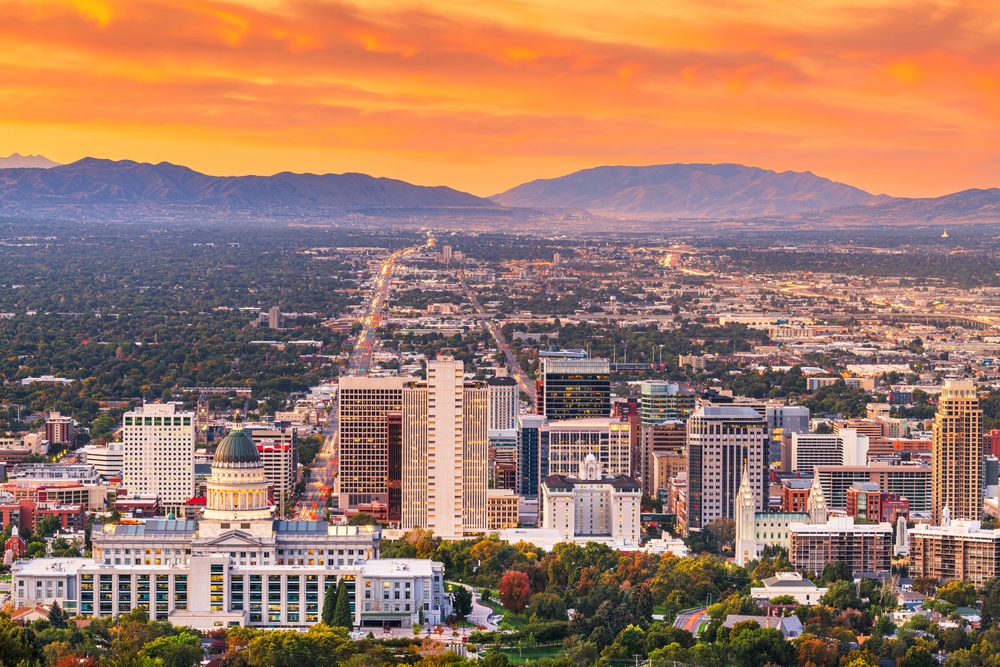
Salt Lake City combined outdoor recreation access with relative affordability, creating a perfect storm of demand. Tech companies opened offices, remote workers moved for the skiing, and suddenly housing costs jumped 50% in three years. The city is geographically constrained by mountains and the lake, limiting expansion.
Wages in Utah haven’t kept pace with housing costs, creating a situation where people who grew up in Salt Lake can’t afford to stay. The outdoor lifestyle that attracted people requires free time and disposable income that disappear when you’re spending 50% of your paycheck on rent. Salt Lake is pricing out the very people who made it appealing.
9. Asheville, North Carolina

Asheville’s art scene and mountain access made it a magnet for remote workers and retirees with money. A small city with a limited housing stock absorbed thousands of new residents with bigger budgets than locals. Rent for a basic apartment has doubled in some neighborhoods since 2020.
The service workers and artists who created Asheville’s culture are being systematically displaced by people who moved there to enjoy that culture. The city is eating itself—the thing that made it special disappears as the cost of entry rises.
10. Tampa, Florida

Tampa avoided Miami’s price insanity for years, but that’s over. Remote workers fleeing high-tax states converged on Florida, and Tampa absorbed a huge portion of that migration. Insurance costs are skyrocketing due to climate risk, property taxes keep climbing, and rent increases have been brutal.
The Florida dream of affordable coastal living is dead in Tampa. You’re paying northern prices to live in a state with hurricanes, flooding risk, and increasingly expensive insurance.
11. Tulsa, Oklahoma
Tulsa literally paid remote workers to move there, and now it’s dealing with the consequences of that success. The Tulsa Remote program brought thousands of high earners who could afford to pay more for housing. Local landlords noticed and adjusted rents accordingly.
A city that prided itself on affordability is watching that advantage crumble in real time. The remote workers will leave when the next opportunity appears, but the inflated housing costs will remain.
12. Huntsville, Alabama
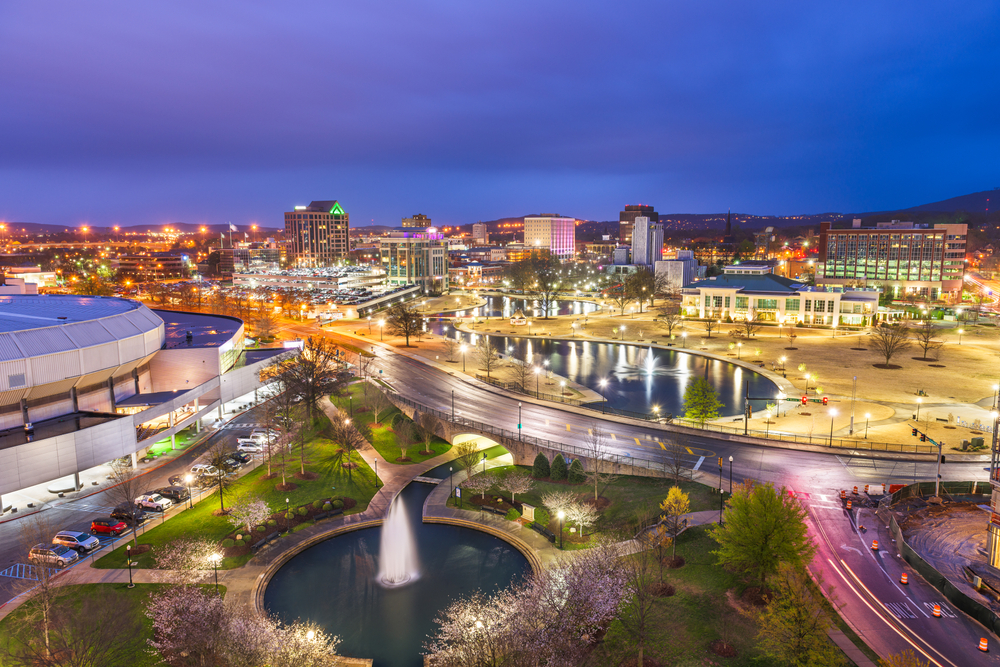
Defense contractors and tech companies turned Huntsville into a boom town, and housing costs are catching up to that reality. Engineers making six figures drove up demand in a market built for much lower wages. Longtime residents are competing with Northrop Grumman employees for housing.
The city’s infrastructure and housing stock weren’t built for this kind of rapid growth. You’re paying more to live in a city that’s still figuring out how to handle its expansion.
13. Sarasota, Florida

Sarasota went from retirement community to remote-work destination almost overnight. Younger, wealthier residents moved in alongside retirees, driving up costs across the board. The housing market that served fixed-income retirees now caters to tech workers who can afford much more.
Retirees who moved to Sarasota specifically for affordability are watching their property taxes and insurance costs spiral. The Florida coastal lifestyle is pricing out the people who built their retirement plans around it. Sarasota is becoming exclusive, having been accessible in the past.
14. Charleston, South Carolina
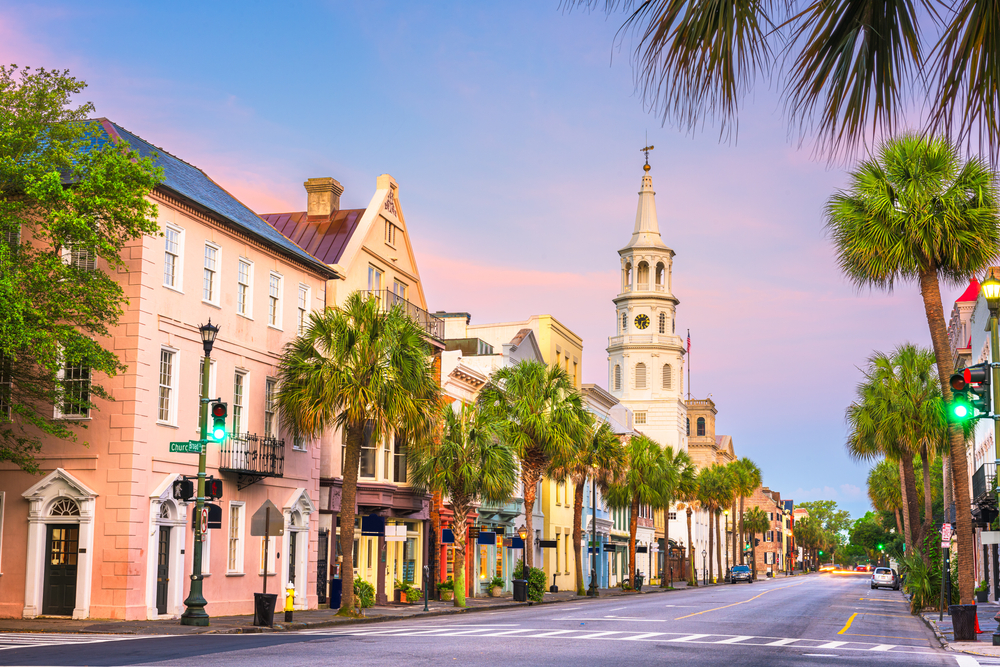
Charleston’s charm attracted so many tourists and transplants that locals can’t afford the city anymore. Short-term rentals converted housing stock into Airbnbs, reducing supply and driving up costs. Now it’s becoming a playground for wealthy visitors.
Service industry workers commute from increasingly distant suburbs because they can’t afford to live near their jobs. The historic character that makes Charleston valuable is being hollowed out as people who maintain that character are priced out.
15. Coeur d’Alene, Idaho

Coeur d’Alene became a satellite market for Spokane’s overflow, which itself was overflow from Seattle. Californians and Washingtonians brought cash offers and higher budgets to a small Idaho town. Housing costs have more than doubled since 2019 in some areas.
The lakefront property that locals grew up enjoying is now exclusively for wealthy out-of-staters. A town that represented affordable mountain living is becoming a resort destination where working people can’t afford to live. Coeur d’Alene is losing the very thing that made it worth moving to.
This article is for informational purposes only and should not be construed as financial advice. Consult a financial professional before making investment or other financial decisions. The author and publisher make no warranties of any kind.