


Subscriptions are designed to be invisible—small monthly charges that slip past your attention while racking up in your account. The subscription economy has normalized paying forever for things you used to own, and most people have no idea how much they’re actually spending. That $10 monthly charge doesn’t sound like retirement money until you calculate what it becomes over 30 years.
1. Streaming Services You Forgot You Have

Most people are paying for multiple streaming services they barely use. You signed up for a free trial, forgot to cancel, and now it’s been auto-renewing for two years. Netflix, Hulu, Disney+, HBO Max, Paramount+, Apple TV—the individual costs seem reasonable until you add them all up.
The average household is spending $50-80 monthly on streaming services that they could consolidate or eliminate. That’s $600-960 annually that could be going into retirement accounts. Over 30 years with compound growth, you’re looking at $60,000-100,000 in lost retirement savings for background TV you’re not watching.
2. Gym Memberships You Never Use

The gym membership you swore you’d use sits on your credit card, auto-renewing monthly while you work out at home or not at all. Gyms count on people not canceling because the hassle of canceling feels worse than the monthly charge. You’re paying $30-80 per month for access to equipment you haven’t touched in months.
That unused gym membership costs $360-960 annually. Invested in an index fund over 30 years, that’s $36,000-96,000 in retirement money. You’re literally paying to not exercise while simultaneously losing retirement security.
3. Food Delivery Apps

Food delivery apps charge service fees, delivery fees, and inflated menu prices that make a $12 meal cost $25 after all the charges. According to research from Lending Tree published in 2024, Americans spent an average of $183 per month on food delivery services, with frequent users spending over $300 monthly. The convenience tax on these services is enormous, and it’s all going on credit cards that also charge interest.
Using delivery apps regularly can cost $200-300 monthly compared to cooking or picking up food yourself. That’s $2,400-3,600 annually—money that could become $240,000-360,000 in retirement savings over 30 years. You’re trading retirement security for not having to drive 10 minutes.
4. Cloud Storage for Files You’ll Never Access

Cloud storage subscriptions auto-escalate as you accumulate files, and most of what’s stored is redundant or worthless. You’re paying $10-20 monthly to store photos from 2012 and documents you’ll never open again. The storage companies make it easy to upgrade and annoying to delete, so the costs just keep growing.
That bill adds up to $120-240 annually. Over 30 years, you’re looking at $12,000-24,000 in retirement money spent on digital hoarding. You could buy external hard drives once and own your storage.
5. Software Subscriptions That Used to Be One-Time Purchases

Adobe, Microsoft, and dozens of other companies switched from selling software to renting it, turning one-time purchases into permanent monthly charges. According to Adobe’s 2024 annual report, the company’s shift to Creative Cloud subscriptions increased average customer lifetime value by 340% compared to perpetual license sales. You used to buy Photoshop once; now you pay $55 monthly forever to use the same features.
Professional software subscriptions can easily cost $50-100 monthly for tools you need for work, but now have to rent indefinitely. That’s $600-1,200 annually, which becomes $60,000-120,000 in lost retirement savings over 30 years. You’re paying more for less ownership.
6. News and Magazine Subscriptions You Don’t Read

Digital news subscriptions seemed like a good idea when you signed up, but now you’re paying for five different publications you scroll past without reading. The New York Times, Washington Post, Wall Street Journal, and local papers—each costs $10-20 monthly, and they all cover the same stories. You could get by with one or none.
The result? A loss of $360-720 annually, or $36,000-72,000 in retirement savings over 30 years.
7. Subscription Boxes You’ve Stopped Enjoying
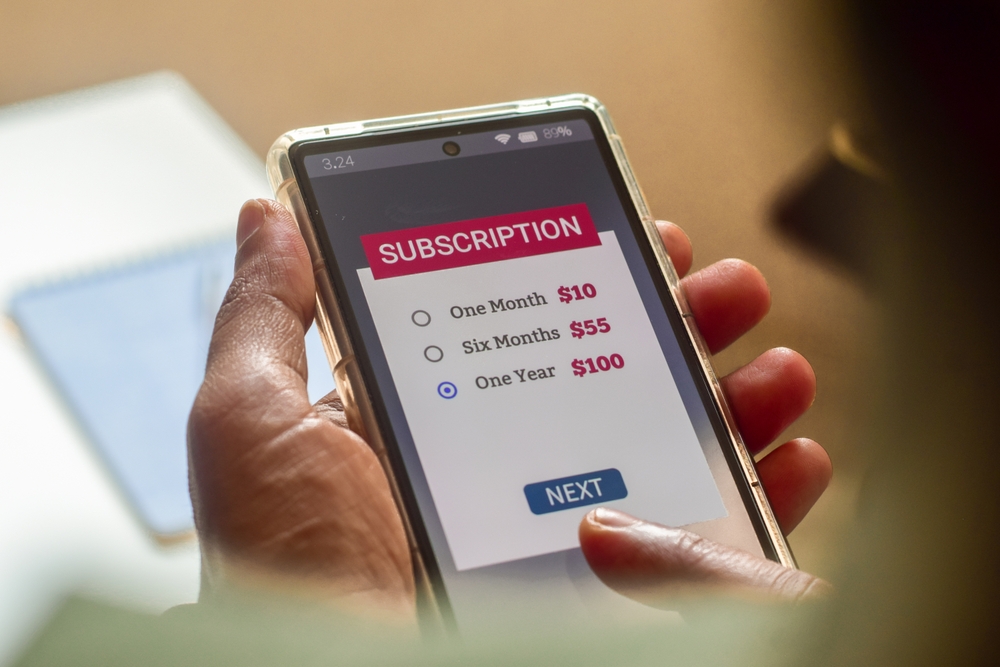
Meal kits, beauty boxes, snack subscriptions, and hobby boxes all seemed fun initially, but now they’re just clutter arriving monthly that you don’t want. According to McKinsey’s 2024 subscription box market analysis, the average subscription box customer maintains 2.3 active subscriptions while regularly using contents from only 1.1 of them. The companies make canceling difficult enough that you keep paying rather than navigate their retention process.
Subscription boxes cost $20-50 monthly for stuff you’re not using and don’t need. That’s $240-600 annually, which becomes $24,000-60,000 in retirement money over 30 years.
8. Music Streaming You Could Get Cheaper

Individual music streaming plans cost $11 monthly, but you could share a family plan for $3-4 per person. Or you could use free tiers with ads that are mildly annoying but cost nothing. You’re paying for convenience and ad-free listening—that’s nice, but not worth retirement money.
The premium individual plan costs $132 annually more than cheaper alternatives. Over 30 years, that’s $13,200 in retirement savings spent on commercial-free music. The convenience isn’t free.
9. Online Gaming Subscriptions and Microtransactions

PlayStation Plus, Xbox Game Pass, and mobile game subscriptions add up fast, especially when combined with in-game purchases. What starts as $10 monthly becomes $20-30 when you add premium tiers and occasional game purchases. The gaming industry has perfected extracting ongoing payments for digital goods that cost them nothing to replicate.
Gaming subscriptions and purchases can cost $30-50 monthly for dedicated gamers. That’s $360-600 annually, or $36,000-60,000 in retirement savings. You’re trading financial security for entertainment that will be obsolete in a few years.
10. Car Subscriptions for Features Already in Your Car

Auto manufacturers now charge monthly subscriptions for heated seats, remote start, and features physically built into your car. BMW, Toyota, and others are turning car ownership into ongoing rental agreements. You bought the car, but you’re renting the features.
These automotive subscriptions cost $10-30 monthly for features that used to be included in the purchase price. That’s $120-360 annually, becoming $12,000-36,000 in lost retirement savings over 30 years.
11. Identity Theft Protection You Probably Don’t Need

Credit monitoring and identity theft services cost $10-30 monthly for protection that you can largely get free through credit card benefits and government resources. These services prey on fear while providing minimal value beyond what’s already available. The actual protection is often just alerts about things you could check yourself for free.
Over 30 years, the total comes to $12,000-36,000 in retirement money spent on redundant protection.
This article is for informational purposes only and should not be construed as financial advice. Consult a financial professional before making investment or other financial decisions. The author and publisher make no warranties of any kind.