


For most buyers, the housing market was supposed to cool this year. Higher rates should’ve slowed things down, reset expectations, and given people time to think again. In a handful of cities, the opposite happened. Homes are moving faster than predicted, not because everything is booming, but because demand and livability are lining up in quieter, more specific ways.
1. Columbus, Ohio

Columbus has been selling faster than forecasts suggested because it never relied on hype to begin with. The city continues to attract employers, healthcare workers, and younger buyers who were priced out of flashier markets. According to housing market data from Redfin and regional analysis reported by The Wall Street Journal, days on market in Columbus dropped even as national averages flattened. The demand here feels practical rather than speculative.
What’s driving speed isn’t bidding wars so much as decisiveness. Buyers see relative affordability, stable job growth, and neighborhoods that still feel livable. When those pieces line up, hesitation disappears. Homes don’t linger because the tradeoffs feel manageable.
2. Richmond, Virginia

Richmond keeps surprising people who assume it should behave like a slower Southern market. Instead, buyers moving from higher-cost East Coast cities are treating it as a long-term alternative rather than a stepping stone. Inventory remains tight in walkable neighborhoods, which keeps listings moving quickly. The pace feels steady rather than frantic.
What stands out is how little convincing buyers need. Richmond offers culture, healthcare access, and proximity without the pricing shock of larger metros. Once people start looking seriously, they tend to act. The speed comes from clarity, not urgency.
3. Kansas City, Missouri

Kansas City’s faster-than-expected sales are rooted in its refusal to overheat. According to housing trend analysis from Zillow and regional reporting cited by Bloomberg, the city avoided the extreme price spikes seen elsewhere, which kept buyers engaged instead of frozen. Homes here still feel attainable. That perception matters more than absolute price.
Buyers aren’t rushing because they fear missing out. They’re moving because the math works and the inventory feels usable. When affordability hasn’t completely slipped away, people don’t wait around. Listings move because confidence hasn’t collapsed.
4. Tucson, Arizona
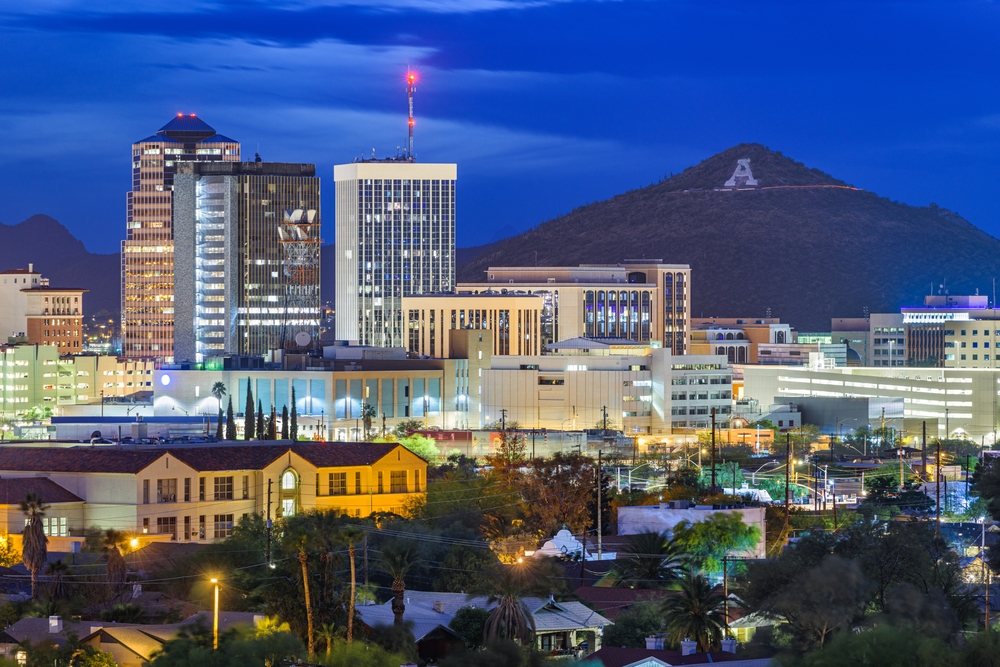
Tucson benefits from being overshadowed by Phoenix without absorbing its excesses. Buyers looking for Arizona weather without Arizona pricing are landing here instead. Inventory has stayed relatively balanced, which keeps transactions moving smoothly. Homes sell quickly without turning chaotic.
What keeps Tucson moving is alignment. Retirees, remote workers, and local buyers are all shopping the same neighborhoods without wildly different expectations. When a market isn’t pulled in competing directions, deals close faster. The rhythm stays intact.
5. Grand Rapids, Michigan

Grand Rapids continues to outperform predictions because it offers something buyers struggle to find elsewhere: stability without stagnation. According to market velocity data from Realtor.com and regional housing analysis cited by Crain’s, listings in Grand Rapids are selling faster than analysts expected this year. The city’s diversified economy keeps demand broad. No single buyer group dominates.
Homes move because people feel comfortable committing. Prices haven’t detached completely from incomes, and neighborhoods retain long-term appeal. Buyers don’t feel like they’re gambling. That sense of groundedness speeds everything up.
6. Des Moines, Iowa

Des Moines has been moving faster than expected. The city offers stable employment, manageable prices, and neighborhoods that still feel usable for long-term living. Listings don’t sit because people aren’t waiting for something better to appear. What’s available already makes sense.
The market here rewards readiness rather than aggression. Buyers arrive with realistic expectations and follow through once they find a fit. That consistency keeps days on market low without dramatic swings.
7. Boise, Idaho
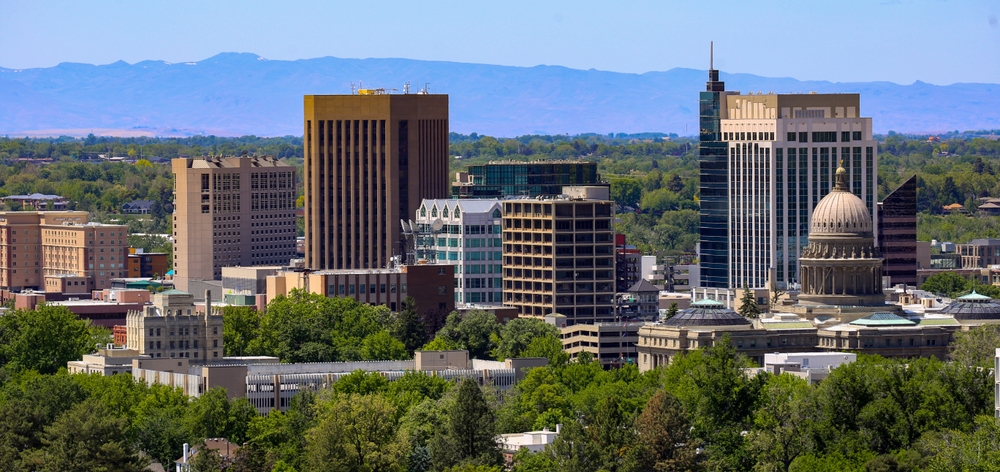
Boise’s housing market cooled enough this year to reset buyer confidence without collapsing demand. According to housing market correction data from Redfin and regional migration analysis reported by the U.S. Census Bureau, inventory levels stabilized while buyer interest remained intact. That balance shortened decision timelines again. Homes started moving faster once uncertainty eased.
What’s changed is how buyers behave. Instead of circling listings endlessly, they’re making decisions once prices align with expectations. The pause gave the market clarity. Once that happened, activity picked up.
8. Chattanooga, Tennessee

Chattanooga continues to benefit from steady in-migration paired with a modest housing supply. Buyers looking for smaller cities with modern infrastructure are landing here intentionally. The market isn’t crowded, but it’s consistent. Listings move because demand is predictable.
The city doesn’t rely on speculation to stay active. Buyers are planning lives, not flips. When motivations are long-term, hesitation drops. Homes sell because people know why they’re buying.
9. Rochester, New York

Rochester has picked up pace as buyers reassess colder-weather markets. Housing is accessible, and the city’s healthcare and education base keeps employment steady. Listings attract interest from locals and newcomers alike. That mix shortens timelines.
What’s noticeable is how little pressure it takes. Buyers aren’t being rushed—they’re choosing. When a market allows choice without paralysis, transactions move naturally.
10. Madison, Wisconsin
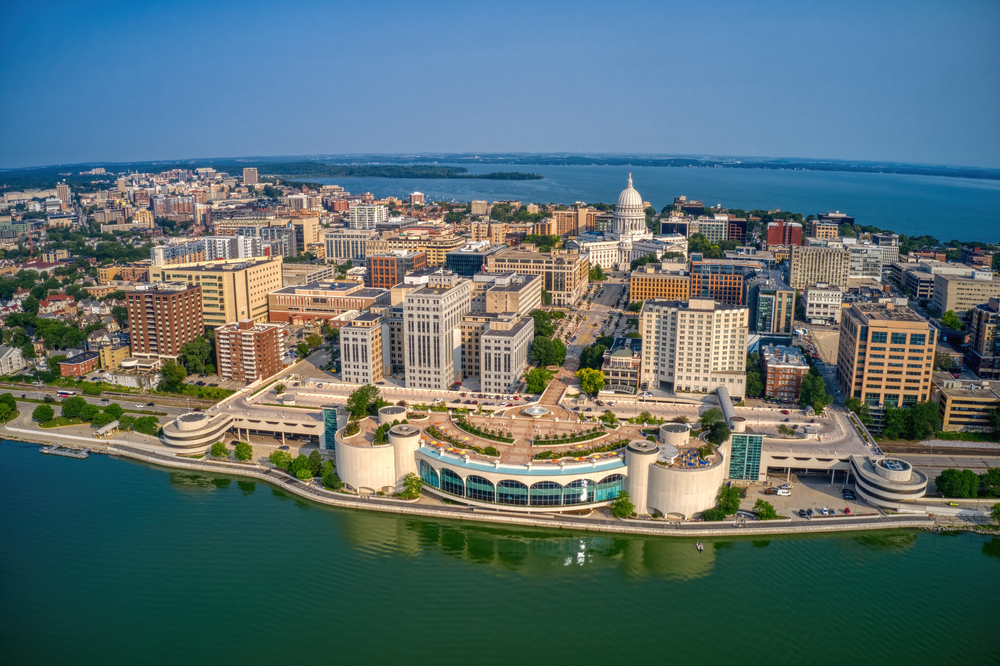
Madison’s housing market has stayed active because the buyer pool hasn’t thinned the way analysts expected. University employment, healthcare, and government work continue to anchor demand, and those sectors aren’t especially sensitive to short-term rate changes. Homes that are priced realistically still move without much delay. The city’s predictability works in its favor.
Buyers here tend to be intentional rather than reactive. Many already know the neighborhoods they want and aren’t browsing casually. When a listing fits their needs, they move forward instead of waiting for a better version. That decisiveness keeps inventory turning over steadily.
11. Spokane, Washington
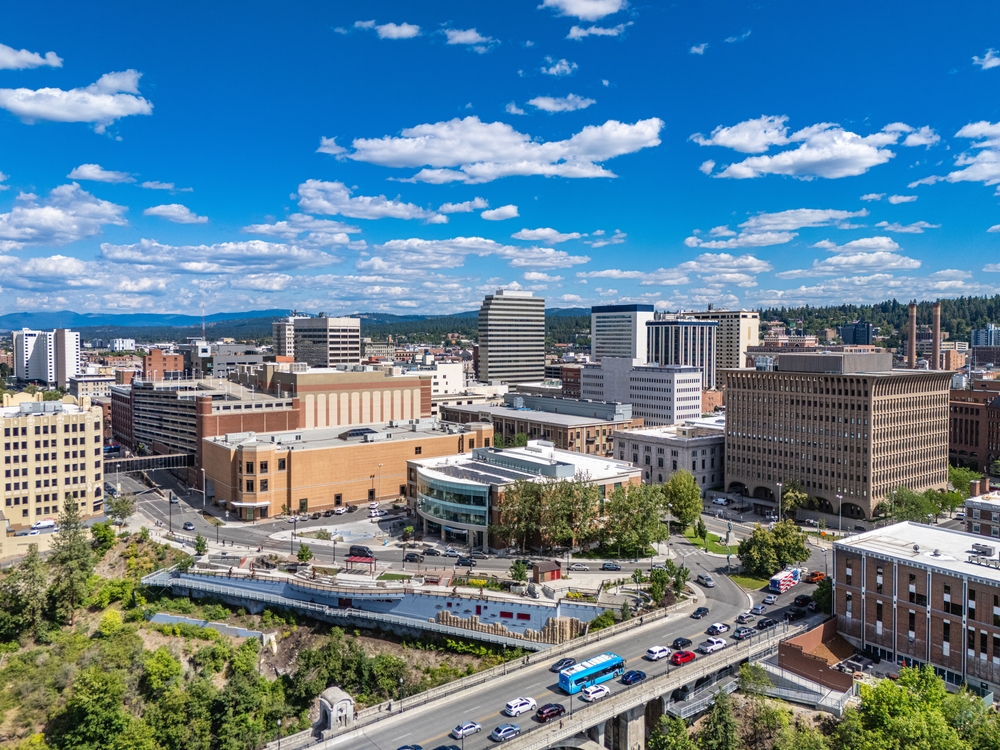
Spokane has benefited from buyers who were pushed out of Seattle and never fully left the region. The city absorbed growth without completely losing affordability, which kept interest alive even as other markets stalled. Listings attract attention from both locals and relocators. That overlap keeps transactions moving.
What’s noticeable is how normalized the pace feels. Homes don’t disappear instantly, but they don’t linger either. Buyers arrive informed and ready to act once numbers line up. The market stays active without feeling overheated.
12. Fort Collins, Colorado
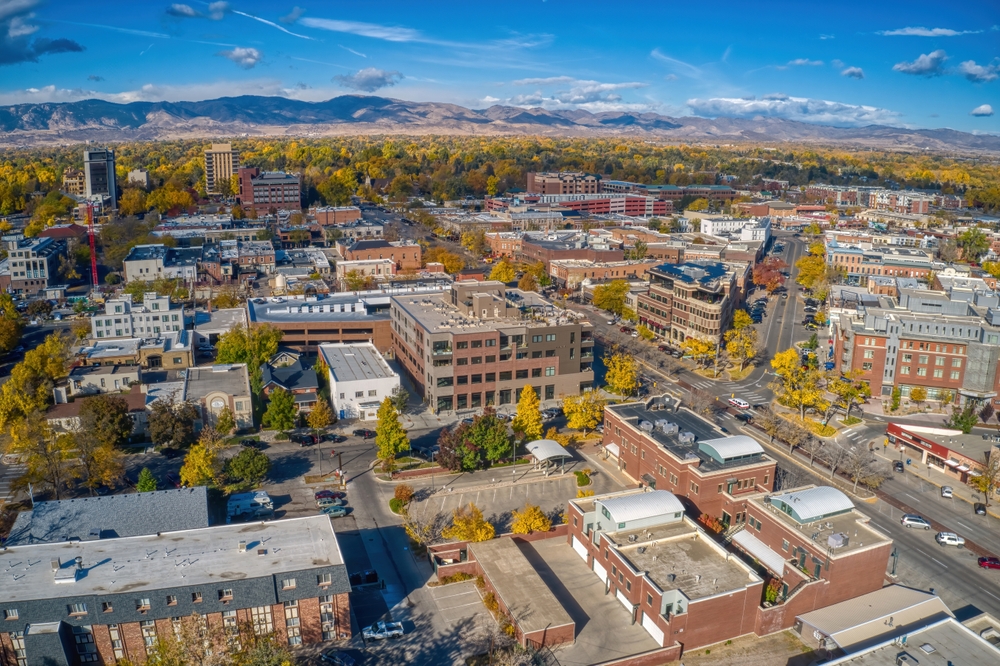
Fort Collins continues to sell faster than expected because it offers a version of Colorado living that still feels attainable. Proximity to Denver without Denver pricing keeps demand steady. The buyer pool skews long-term, with many people planning to stay put. That changes how quickly decisions get made.
Listings that meet expectations move through the process cleanly. There’s less back-and-forth and fewer stalled deals. Buyers here tend to commit once they’ve decided the location works.
13. Albany, New York
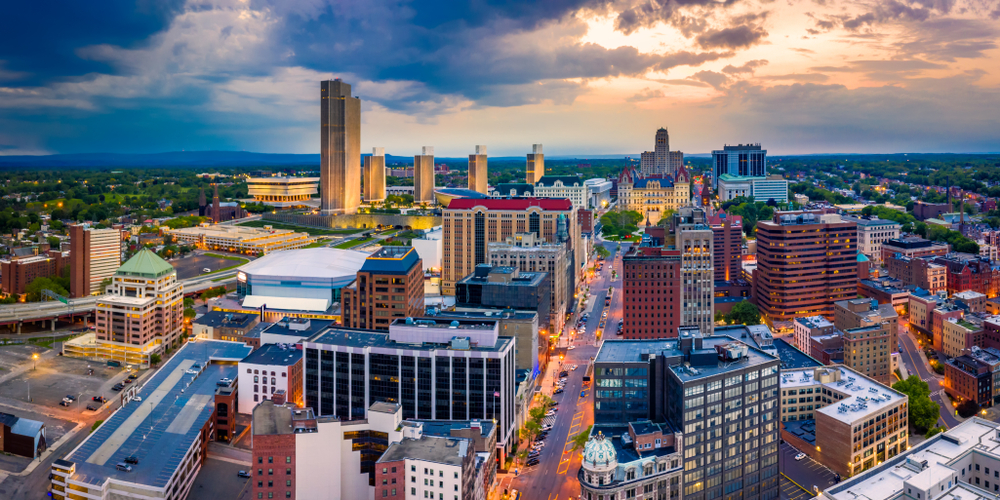
Albany’s market picked up as buyers reconsidered smaller metros with strong public-sector employment. Housing costs remain manageable, and the city’s role as a government and healthcare hub stabilizes demand. Listings attract interest from people prioritizing predictability over upside.
Homes sell because buyers aren’t trying to time the market. They’re trying to settle into something workable. When motivations stay grounded, transactions follow a straightforward path. Albany’s steadiness is what’s keeping listings moving.
This article is for informational purposes only and should not be construed as financial advice. Consult a financial professional before making investment or other financial decisions. The author and publisher make no warranties of any kind.