


The housing slowdown isn’t hitting everywhere the same way. In some cities, homes are still moving steadily, even if prices have leveled off. In others, listings are sitting longer, deals are falling through more often, and sellers are adjusting expectations. These are the places where reselling has become more complicated.
1. Austin, Texas

Austin’s market cooled faster than many homeowners expected after years of rapid appreciation. According to housing market data from Redfin and regional analysis reported by The Wall Street Journal, days on market increased sharply as buyers pushed back on peak-era pricing. Inventory grew faster than demand adjusted. The imbalance made reselling slower and more negotiable.
It’s not a lack of interest. Buyers are still looking, but they’re patient and selective. Homes priced for last year’s reality now sit longer than sellers anticipate. The market hasn’t collapsed—it’s just stopped rewarding optimism.
2. Phoenix, Arizona

Phoenix absorbed a massive influx of buyers during the boom, many of whom paid aggressively to secure homes. As rates stayed elevated, buyer urgency faded. New listings now compete with a growing pool of similar properties. That competition stretches timelines.
Sellers are discovering that recent comps don’t carry the same weight. Buyers are factoring in insurance costs, heat concerns, and long-term livability more seriously. Reselling requires sharper pricing and more flexibility than it did even a year ago.
3. Boise, Idaho
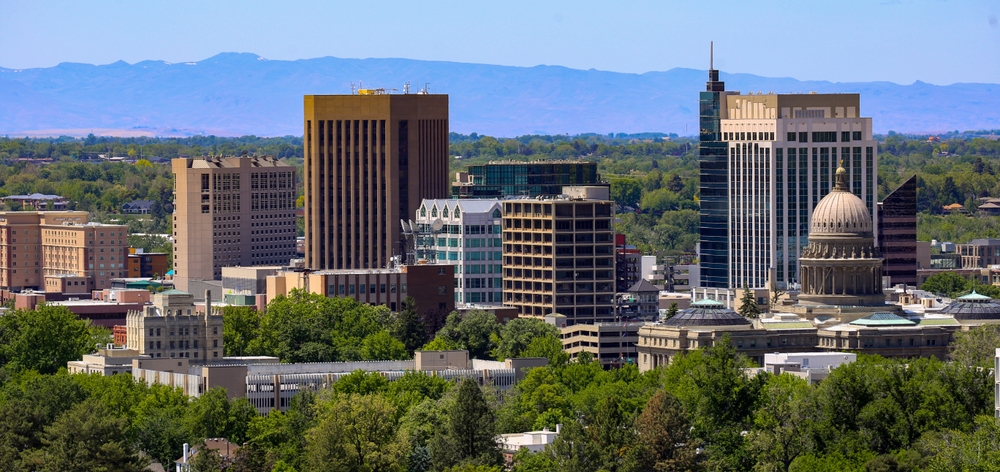
Boise’s market slowed as migration cooled and affordability constraints tightened. According to housing trend analysis from Zillow and migration data cited by Bloomberg, the city saw a noticeable increase in inventory without a corresponding rise in buyer demand. That shift changed how quickly homes move. Resales became less predictable.
The challenge for sellers is expectation management. Many bought during peak competition and now face buyers who feel no urgency to match those prices. Homes still sell, but timelines stretch, and negotiations deepen.
4. Tampa, Florida
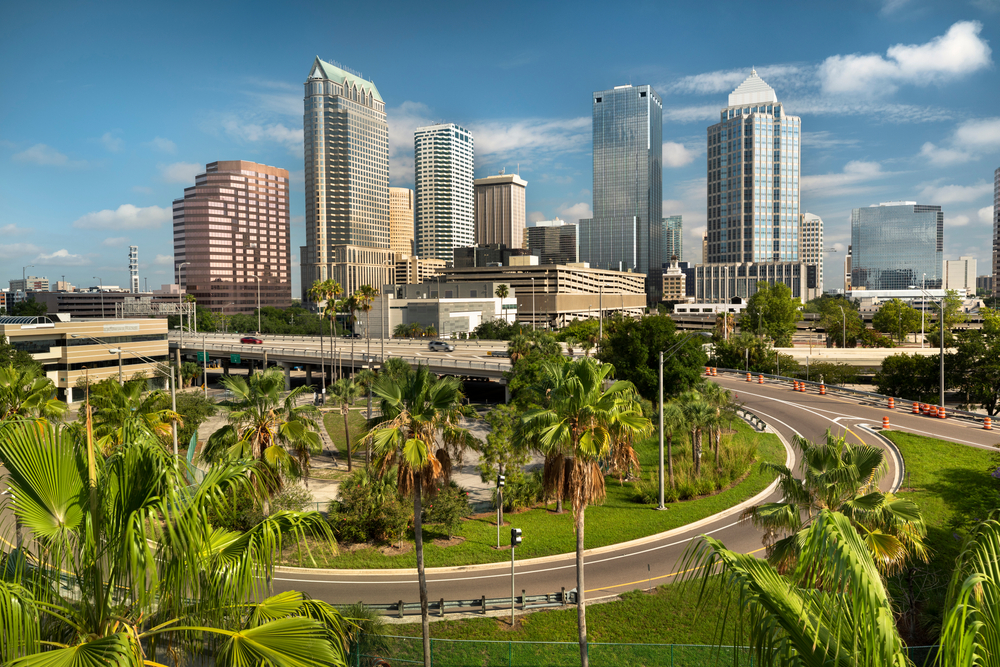
Tampa’s resale market reflects broader uncertainty across Florida. Insurance premiums, property taxes, and climate-related costs are playing a larger role in buyer calculations. Listings that don’t account for these factors face longer market times. Demand hasn’t vanished—it’s become conditional.
Sellers are adjusting to more questions and fewer quick offers. Buyers want clarity on long-term costs before committing. That scrutiny slows the resale process. Homes that once moved easily now require stronger justification.
5. San Antonio, Texas
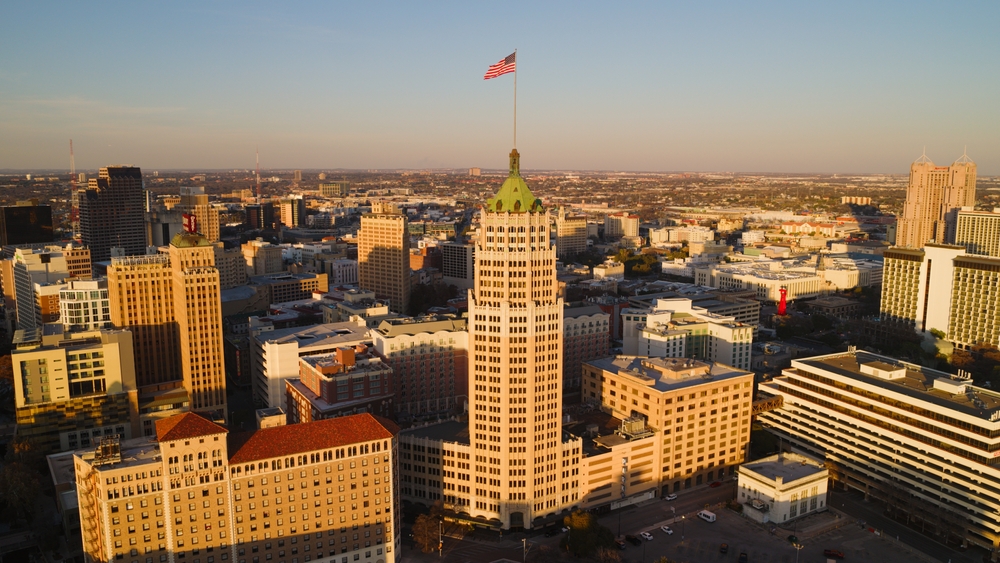
San Antonio avoided extreme price spikes, but reselling has still become more complex. According to housing market velocity data from Realtor.com and regional reporting cited by CNBC, buyer activity slowed as affordability thresholds tightened. Inventory remains manageable, but buyers are cautious.
Homes priced realistically still move, but expectations have shifted. Sellers who assume steady demand without adjustments are encountering delays. Resale success now depends on alignment rather than momentum.
6. Salt Lake City, Utah
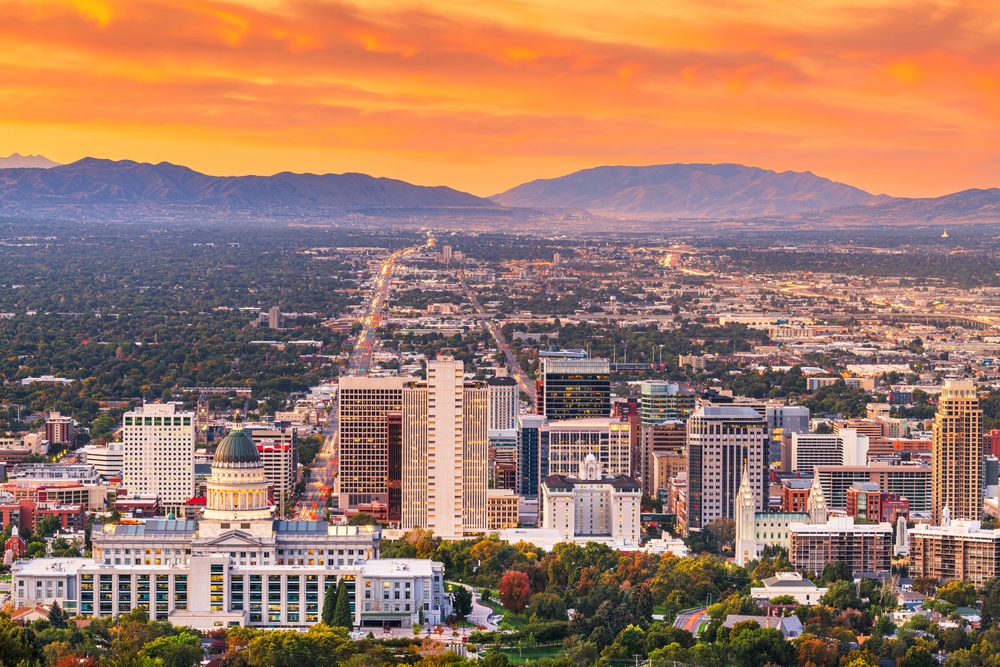
Salt Lake City homes that would have drawn multiple offers a few years ago are now sitting through several showing cycles. Price reductions are becoming more common, especially for properties that haven’t been updated. Buyers are taking their time and comparing options closely.
What’s complicating resales is sameness. Many listings look interchangeable, and buyers know it. Without a clear advantage in price or condition, homes blend together. That makes timing less predictable for sellers.
7. Denver, Colorado

Denver’s resale challenges are tied to affordability pressure that finally caught up with demand. According to housing market data from Redfin and regional analysis cited by Bloomberg, days on market increased as buyers reassessed what they were willing to take on at current rates. Inventory didn’t surge, but buyer urgency dropped. That shift changed outcomes.
Sellers are running into a narrower pool of qualified buyers. Homes still sell, but fewer offers come in, and negotiations take longer. The market favors buyers who can wait. That patience stretches resale timelines.
8. Las Vegas, Nevada
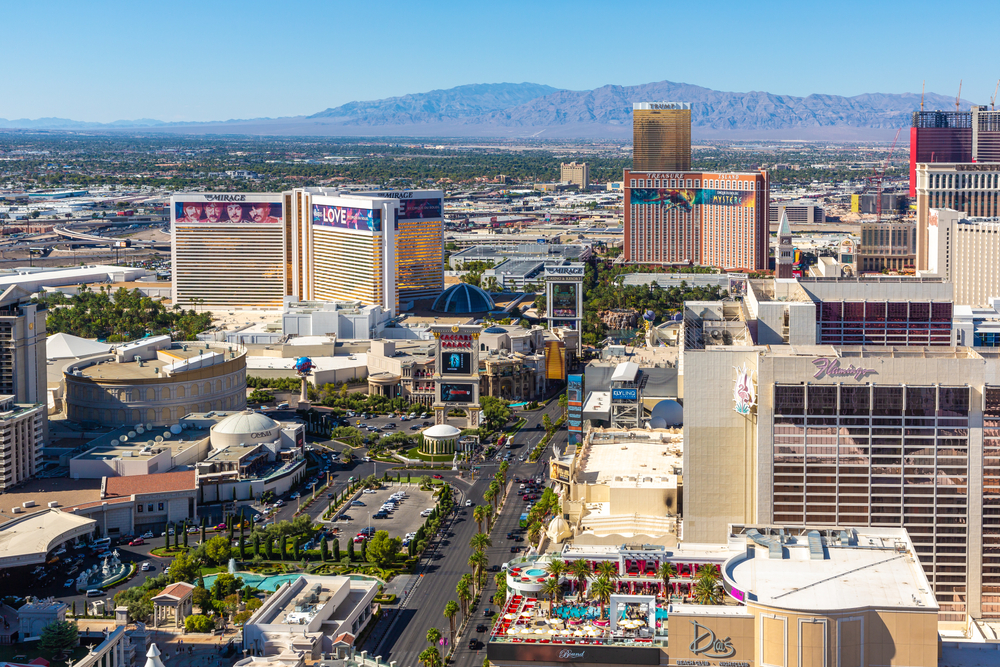
Las Vegas has always been sensitive to broader economic signals, and that volatility is showing up again in resales. Buyers are weighing employment stability and long-term costs more carefully. Homes priced aggressively struggle to attract attention. Listings linger longer than sellers expect.
What stands out is buyer caution rather than absence. People are still shopping, but they’re selective and analytical. Reselling now requires sharper pricing and clearer value.
9. Nashville, Tennessee
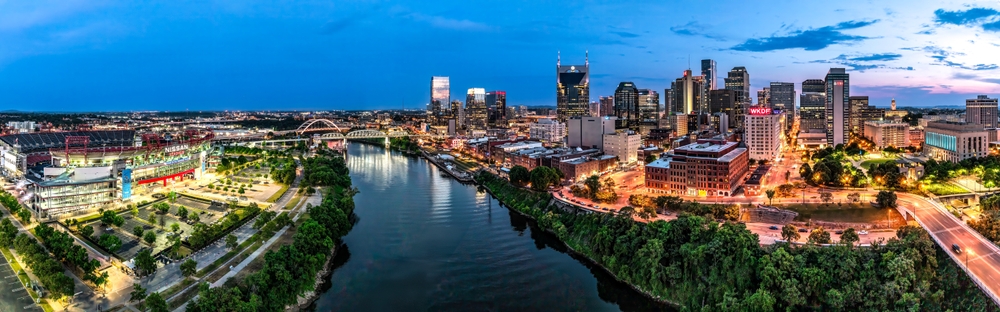
Nashville’s rapid growth created a large supply of similar homes, particularly in newer developments. Buyers have more choices than they did during the boom. That choice slows decision-making. Listings no longer move on momentum alone.
Sellers are learning that differentiation matters. Homes without updates or pricing flexibility face longer market times. The city remains desirable, but that alone isn’t enough to guarantee a fast resale. Buyers want specifics.
10. Raleigh, North Carolina
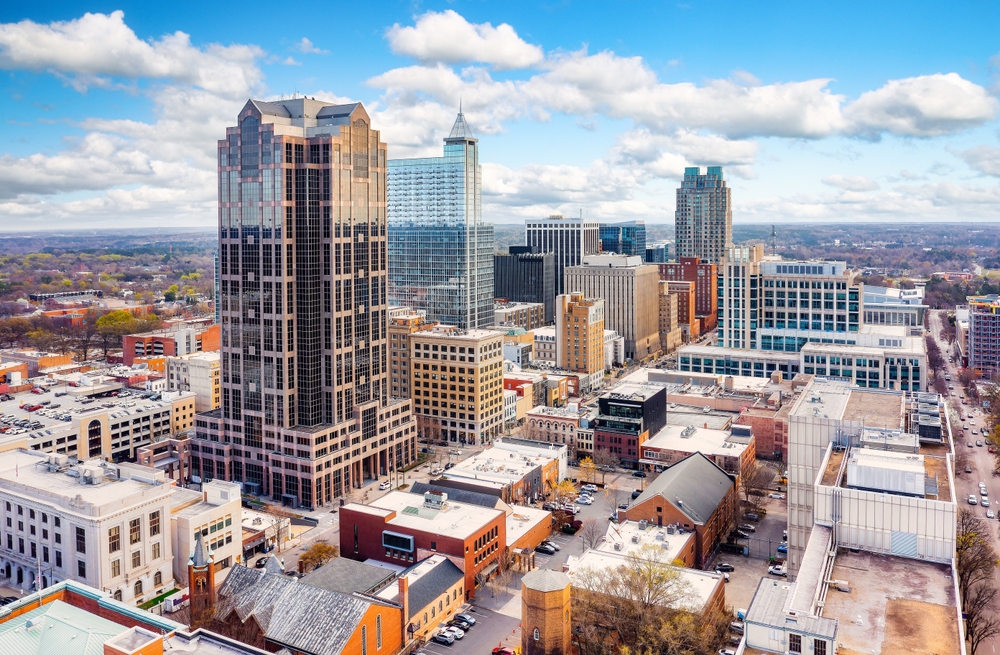
Raleigh’s resale market reflects a shift in buyer priorities rather than a drop in interest. Tech and research employment remains strong, but buyers are cautious about stretching budgets. Homes priced near the top of recent comps face more scrutiny.
Reselling now depends more on fit than speed. Buyers are asking detailed questions and weighing tradeoffs carefully. Sellers who adapt move forward. Those who don’t wait longer than expected.
11. Spokane, Washington
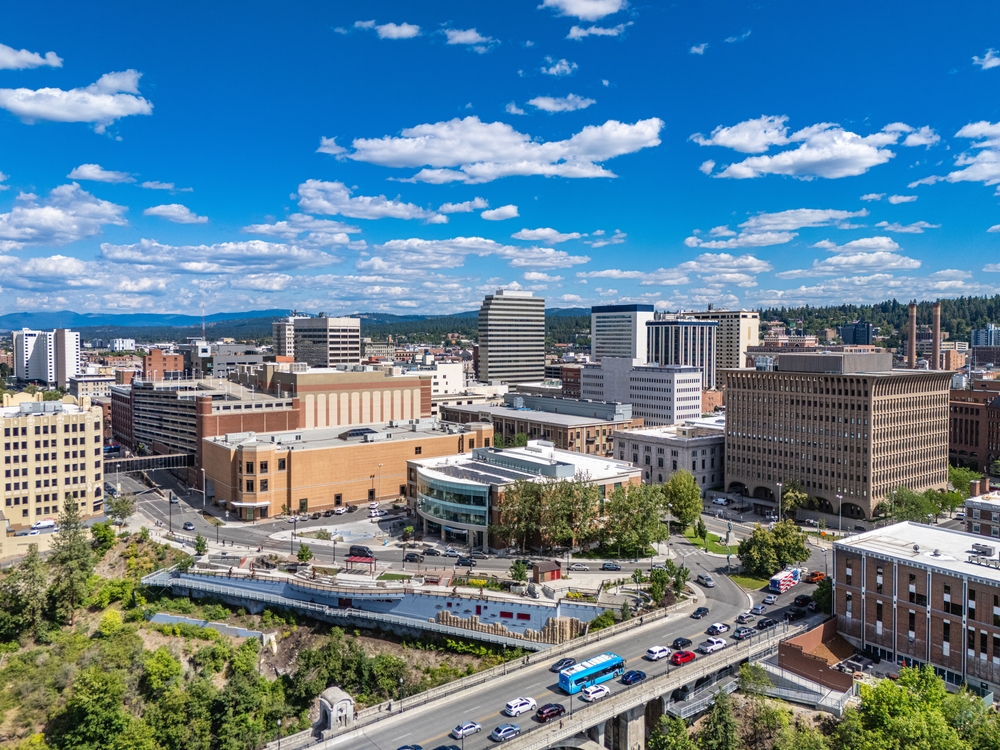
Spokane drew a wave of buyers who were priced out of larger West Coast cities. As that inflow slowed, resale timelines stretched. Buyers now compare Spokane more directly to other inland markets rather than treating it as a fallback option. That comparison changes how quickly decisions get made.
Homes still sell, but sellers are encountering longer stretches of silence between showings. Price adjustments happen more often and earlier in the process. Expectations formed during the surge don’t always line up with current buyer behavior. The disconnect shows up in time on market.
12. Reno, Nevada

Reno’s resale market reflects its close relationship with California migration patterns. As fewer buyers arrive ready to pay a premium, listings are taking longer to clear. Newer developments compete directly with resales, which puts pressure on pricing. Buyers weigh options carefully rather than rushing.
Sellers aren’t fighting a lack of interest, but a surplus of comparable choices. Without a clear pricing edge or condition advantage, homes blend into the inventory. That slows outcomes.
13. Orlando, Florida
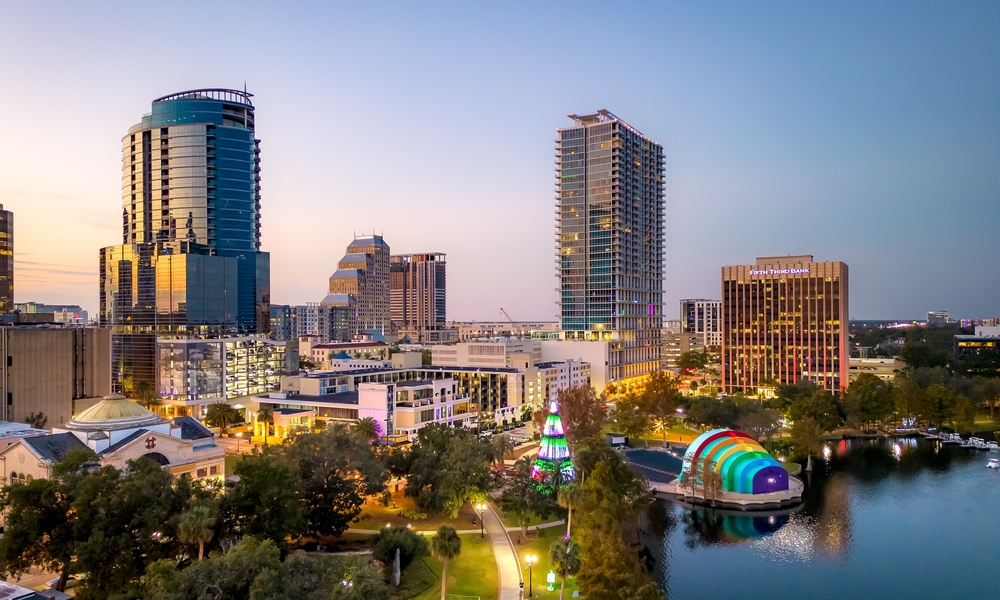
Orlando’s resale challenges are tied to rising ownership costs beyond the mortgage. Insurance, taxes, and maintenance are playing a bigger role in buyer calculations. Homes that don’t account for those long-term expenses face more resistance. Buyers are asking detailed questions earlier.
Sellers are finding that location alone no longer carries the same weight. Investment properties, in particular, take longer to move as buyers reassess short-term rental assumptions. The market still functions, but it requires more precision. Broad appeal isn’t enough.
14. Colorado Springs, Colorado
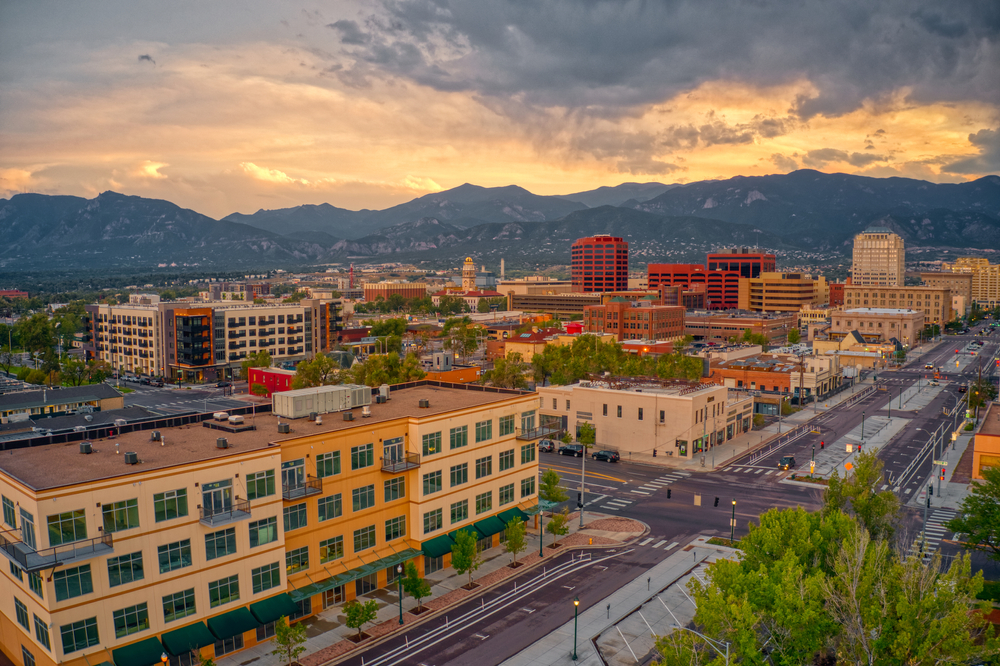
Colorado Springs benefited from spillover demand from Denver, but that relationship has shifted. Buyers now evaluate the city on its own merits rather than as a cheaper alternative. Homes priced with Denver comparisons in mind struggle to move quickly.
Reselling has become more dependent on neighborhood specifics and condition. Generic listings don’t stand out the way they once did. Sellers who adjust expectations early tend to fare better. Others wait longer than planned.
15. Provo, Utah
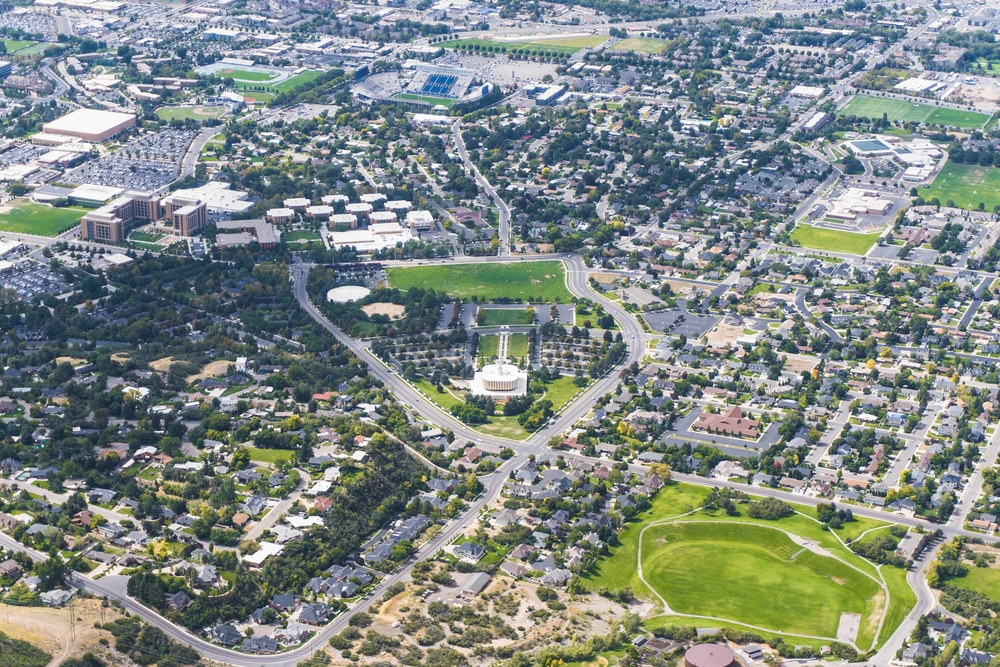
Provo’s market is constrained by affordability limits that buyers are less willing to stretch past. While demand remains steady, buyers are conservative about pricing and terms. Listings near the top of the market take longer to clear. The pool of qualified buyers is smaller.
Buyers focus on long-term feasibility rather than momentum. Sellers who price with that mindset in mind tend to move forward more smoothly. Those who don’t discover the slowdown firsthand.
This article is for informational purposes only and should not be construed as financial advice. Consult a financial professional before making investment or other financial decisions. The author and publisher make no warranties of any kind.