


When choice increases, urgency fades. New construction doesn’t have to overwhelm a market to change it—it just has to be plentiful enough that buyers feel comfortable waiting. In these cities, that quiet shift is already showing up in how homes are priced and how long they take to sell.
1. Raleigh, North Carolina

Raleigh added a large number of new homes in a relatively short window, especially in planned communities outside the city core. Builders are offering move-in incentives and flexible pricing to keep things moving. Buyers notice those perks immediately when comparing options. Older listings don’t stand out the same way.
What’s weighing on prices isn’t a lack of interest in Raleigh. It’s the abundance of alternatives. When buyers can choose between several similar homes, urgency fades. That shift shows up in longer listing times and more frequent price adjustments.
2. Las Vegas, Nevada

Las Vegas saw construction ramp up to meet demand that surged during the pandemic years. According to housing supply data from the U.S. Census Bureau and market analysis cited by Redfin, new home inventory increased even as buyer activity cooled slightly. That imbalance put builders in a position to compete aggressively. Pricing followed.
New homes often come with financing incentives that resale sellers can’t match. Buyers factor those savings into every comparison. As a result, resale prices face pressure even when neighborhoods remain popular.
3. Columbus, Ohio

Columbus doesn’t feel like an overheated market, which makes the price pressure easier to miss. New construction has expanded steadily across the metro area, particularly in growing suburbs. Buyers have plenty of fresh inventory to look at. That changes how quickly they commit.
Existing homes aren’t losing appeal, but they’re losing leverage. Buyers take more time and negotiate more confidently. Sellers who price aggressively feel the slowdown first. The shift is gradual, but noticeable.
4. Denver, Colorado

Denver’s new construction arrived just as affordability limits became harder to ignore. According to housing inventory data from Zillow and regional reporting cited by Bloomberg, new listings increased while buyer urgency declined. Builders adjusted pricing and incentives to keep projects viable. That adjustment affected surrounding resale markets.
When new homes reset expectations, resale sellers feel it quickly. Buyers compare finishes, warranties, and price per square foot more closely than before. Homes still sell, but the path is less forgiving. Pricing has to acknowledge the competition.
5. Huntsville, Alabama

Huntsville has been building steadily to accommodate job growth tied to defense, aerospace, and tech. New subdivisions and townhome developments now make up a noticeable share of available inventory. Buyers comparing options see a lot of similar floor plans at similar price points. That comparison slows decision-making.
Resale homes feel the effect even when demand remains steady. Sellers can’t rely on scarcity to move listings quickly. Pricing has to compete with what builders are offering down the road. The pressure comes from volume.
6. Fort Worth, Texas

Fort Worth added housing rapidly as buyers spread out across the Dallas–Fort Worth metro. According to construction and inventory data from the U.S. Census Bureau and housing market analysis cited by Realtor.com, new home completions rose faster than resale demand in parts of the area. Builders responded with concessions to keep sales moving. Those concessions changed buyer expectations.
Resale sellers now face more detailed comparisons. Buyers weigh incentives, warranties, and move-in timelines alongside price. Homes still sell, but fewer do so quickly without adjustments. The market rewards flexibility.
7. Salt Lake City, Utah

Salt Lake City’s growth encouraged a wave of new construction that’s now coming online all at once. Buyers have more choices across similar neighborhoods and price ranges. That abundance makes it easier to walk away and keep looking. Listings don’t carry the same urgency.
Existing homes aren’t being avoided, but they’re being evaluated differently. Buyers are more patient and selective. Sellers who expected fast turnarounds are adjusting to longer timelines.
8. Cape Coral, Florida
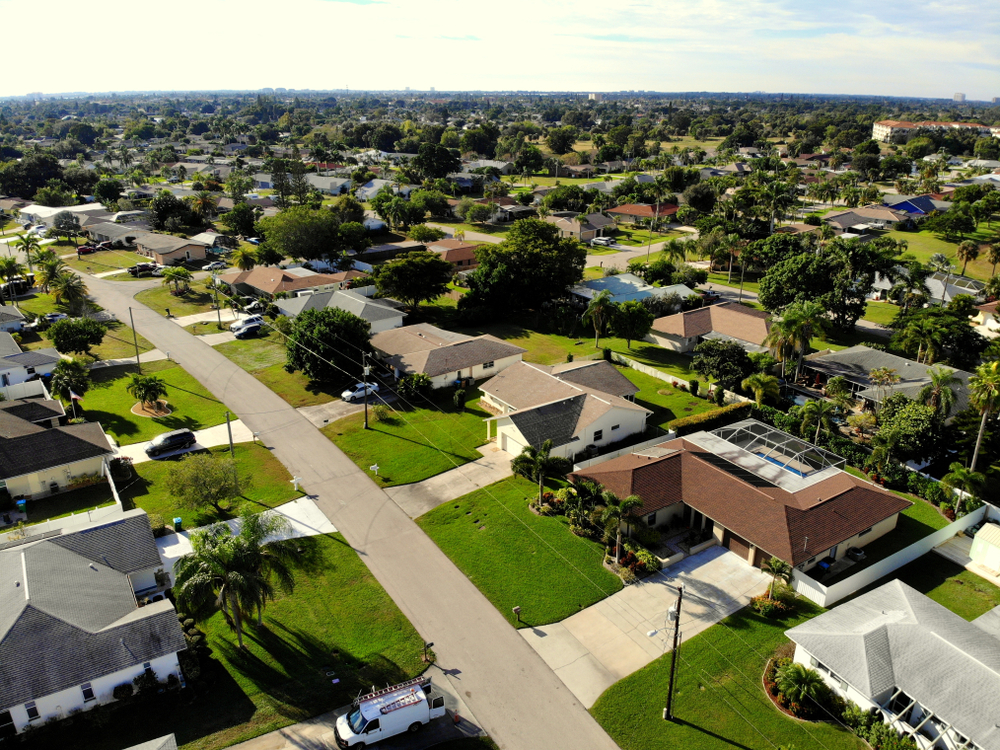
Cape Coral saw heavy new construction aimed at relocation buyers and second-home owners. As inventory expanded, buyers became more price-conscious and less reactive. New builds offer predictable layouts and financing incentives. That affects resale performance.
Homes still attract interest, but less attract immediate offers. Buyers compare closely and negotiate harder. The market feels slower because the choices multiplied.
9. Omaha, Nebraska

Omaha added new housing without attracting much national attention. That steady pace meant new developments kept coming online even as buyer behavior cooled slightly. Buyers now have more comparable options within similar price ranges.
Resale homes aren’t struggling because demand vanished. They’re facing buyers who know they have time. Listings stay active longer while buyers weigh tradeoffs more carefully. Pricing has become more sensitive to condition and location than before.
10. San Marcos, Texas
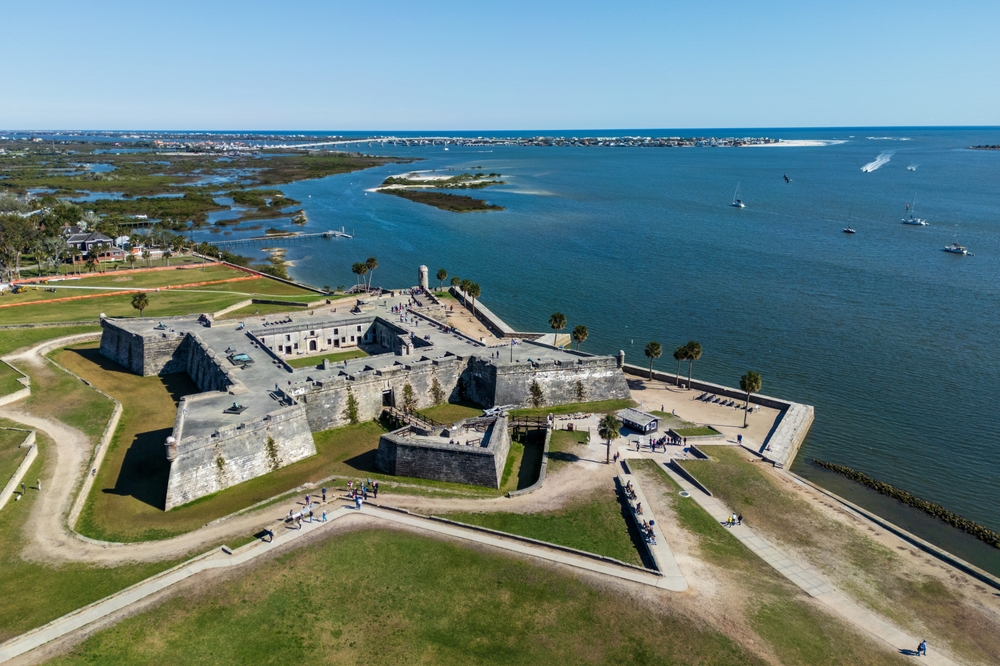
San Marcos benefited from spillover growth between Austin and San Antonio, which encouraged a wave of new construction. Many of those homes are now competing directly with resales. Buyers touring multiple developments notice how similar the options feel.
Resale sellers are adjusting to a more deliberate pace. The market favors buyers who are willing to wait. Sellers feel the weight of choice more than a lack of interest.
11. Surprise, Arizona
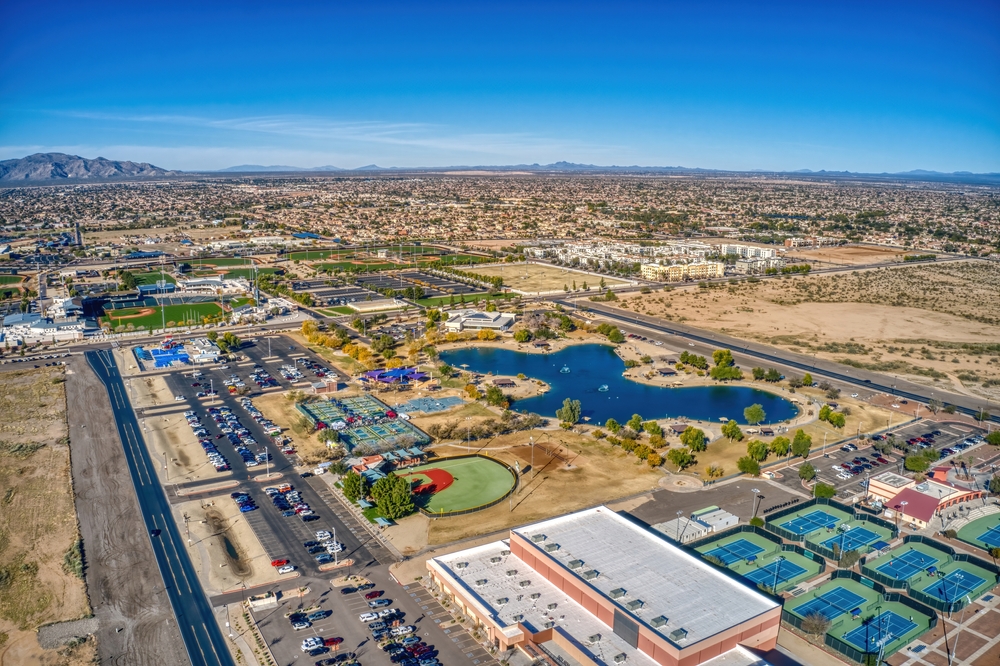
Surprise expanded rapidly to meet demand from buyers, leaving more expensive parts of Arizona. New construction dominates much of the available inventory. Buyers often start their search with brand-new homes before considering resales.
Resale homes have to work harder to stand out. Without pricing flexibility or updates, listings linger. Buyers feel no pressure to rush when similar options remain available nearby.
12. Leander, Texas

Leander added housing aggressively as part of the broader Austin metro expansion. New neighborhoods now compete directly with older homes that were once considered entry points. Buyers compare incentives and finishes closely. That comparison reshapes expectations.
Resale homes still attract interest, but timelines have lengthened. Sellers who expected fast exits are adjusting to more negotiation. The presence of new construction sets a different baseline.
This article is for informational purposes only and should not be construed as financial advice. Consult a financial professional before making investment or other financial decisions. The author and publisher make no warranties of any kind.