


Everyday stuff wasn’t always disposable. You bought it once, forgot about it, and only noticed it again years later when it finally wore out. Now, even the cheapest items seem to fail like clockwork, quietly reappearing on shopping lists again and again. The cost isn’t dramatic in any single moment—it’s the repetition that adds up.
1. Phone Charging Cables
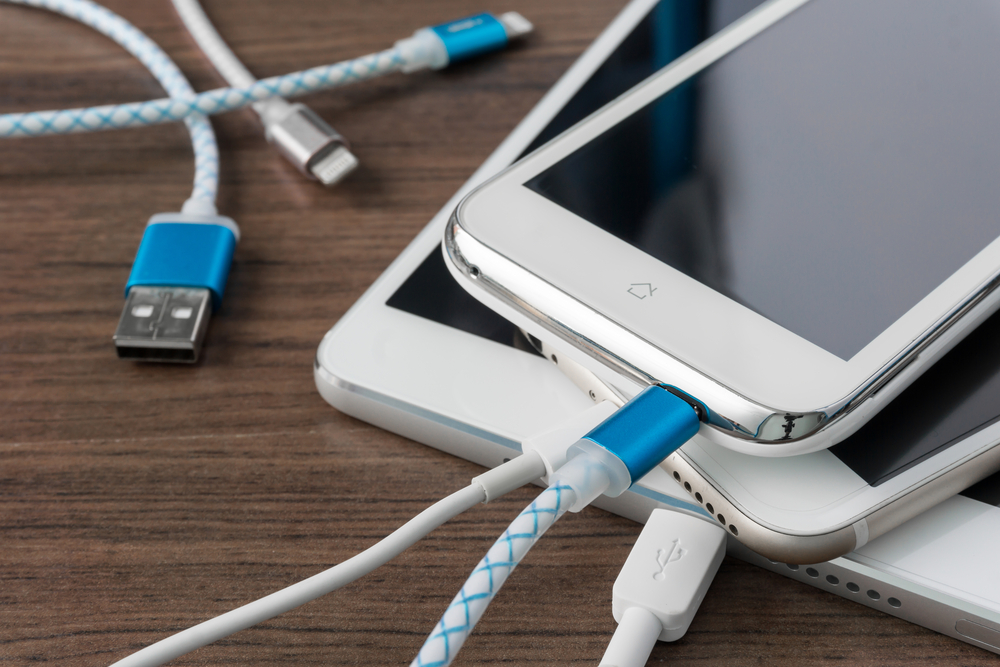
Phone chargers used to live in drawers for years without anyone thinking about them. Now they fray, stop connecting, or only work if you hold them at a specific angle. Most people don’t remember buying replacements so often because each one feels minor. The cycle blends into normal life.
What changed isn’t how people use them, but how they’re made. Thinner materials and tighter margins mean small stress points turn into failures quickly. Replacing them becomes routine. That normalization is the real shift.
2. Laundry Detergent Bottles And Pods
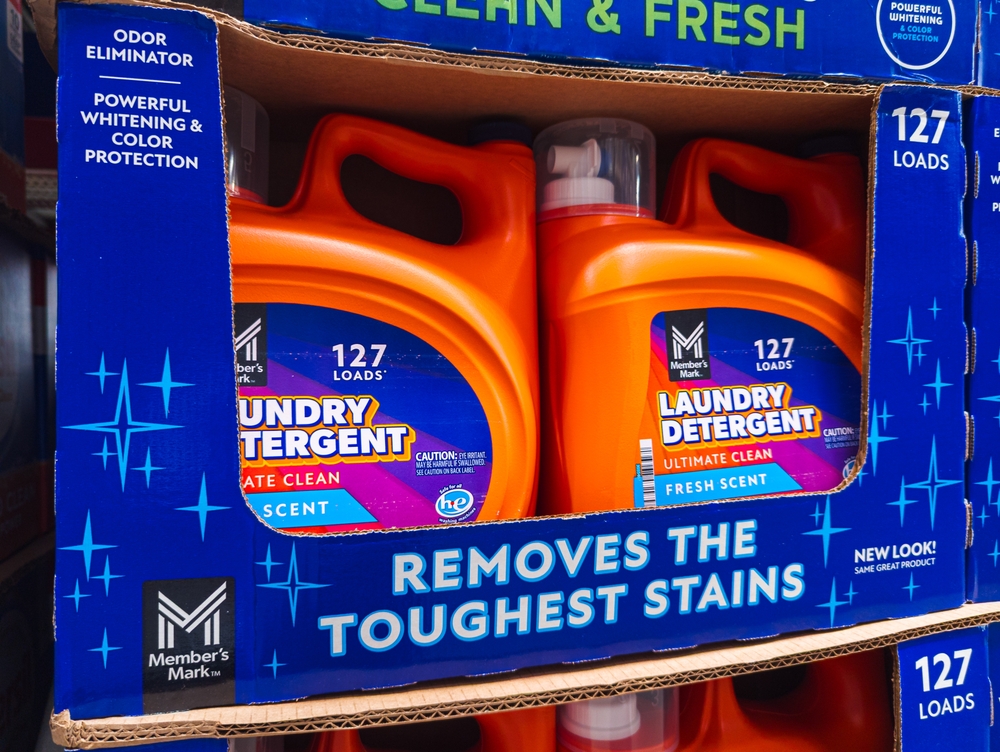
Detergent packaging has become lighter, smaller, and easier to run through without noticing. According to consumer packaging and product concentration analysis cited by Consumer Reports and the Environmental Protection Agency, many modern detergents are less concentrated than earlier versions, even when marketed as efficient. That means bottles empty faster than expected.
People don’t usually register this as a downgrade. They just assume they’re doing more laundry or buying at the wrong time. The result is more frequent purchases that feel unavoidable.
3. Nonstick Frying Pans

Nonstick pans used to survive years of daily cooking. Now they lose their coating quickly, even when people follow basic care instructions. Scratches appear faster, food sticks sooner, and replacement feels inevitable. Most kitchens have gone through several without much thought.
The problem is durability. Cheaper coatings and thinner construction shorten the lifespan dramatically. People accept this as normal wear rather than a manufacturing change.
4. Toothbrushes And Replacement Heads

Toothbrushes used to be simple, sturdy, and easy to forget about. According to dental product durability research cited by the American Dental Association and consumer testing reported by Wirecutter, modern toothbrush heads—especially for electric models—wear down faster than earlier designs. Bristles soften and spread, and replacement intervals shorten.
What makes this easy to overlook is how small each purchase feels. Heads get swapped without much reflection. Over time, the cost adds up without ever triggering an alarm. It just becomes part of the routine.
5. Cheap Work Shoes
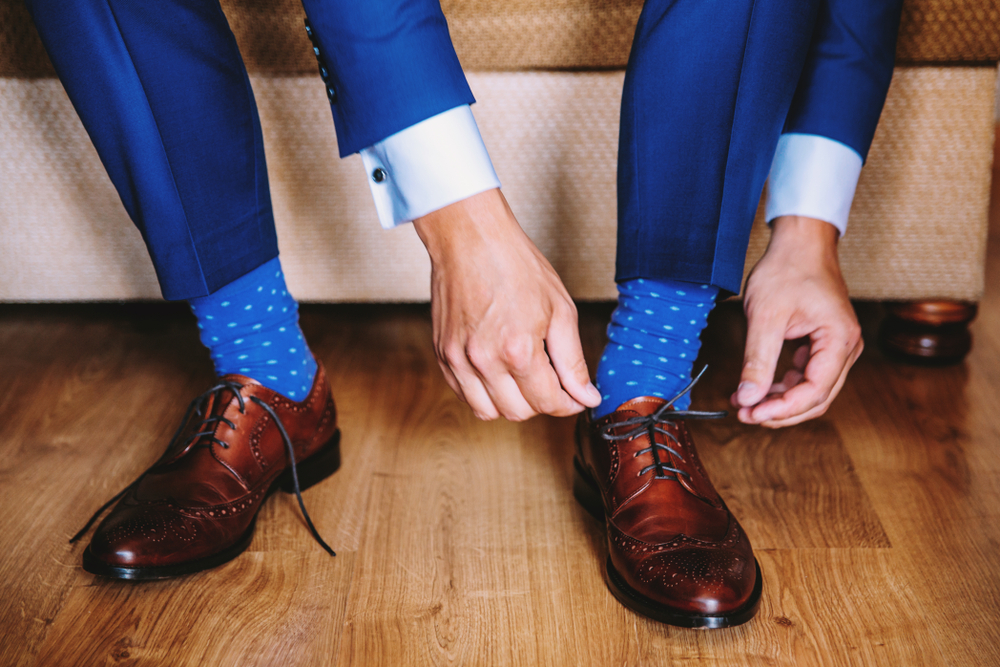
Work shoes used to be something you broke in and that was it. Now, a lot of inexpensive pairs lose their shape, cushioning, or soles within months, even with normal use. People replace them quietly, usually because their feet start hurting rather than because the shoes look worn out. It becomes a background expense.
What’s changed is how thin everything is. Less structure means less tolerance for daily wear. Buying replacements feels practical, not wasteful, so the habit doesn’t stand out. It just becomes another thing that doesn’t last the way it used to.
6. Vacuum Cleaners And Small Home Appliances
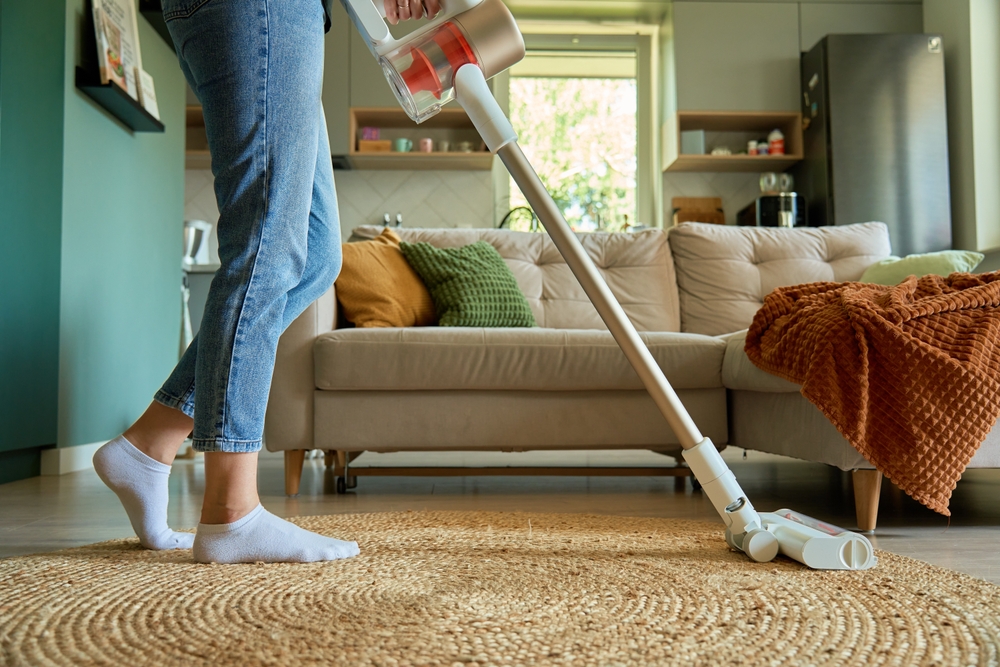
Many household appliances now fail in ways that aren’t dramatic enough to justify repair. According to consumer reliability surveys cited by Consumer Reports and repairability data from the Federal Trade Commission, newer small appliances are often designed with sealed components that make fixing them impractical. Replacement becomes cheaper than service. People choose convenience.
This shifts expectations without anyone really noticing. A vacuum breaking after a few years no longer feels surprising. It feels expected. Buying another one seems easier than questioning why it happened.
7. Basic Furniture, Like Bookshelves And Dressers
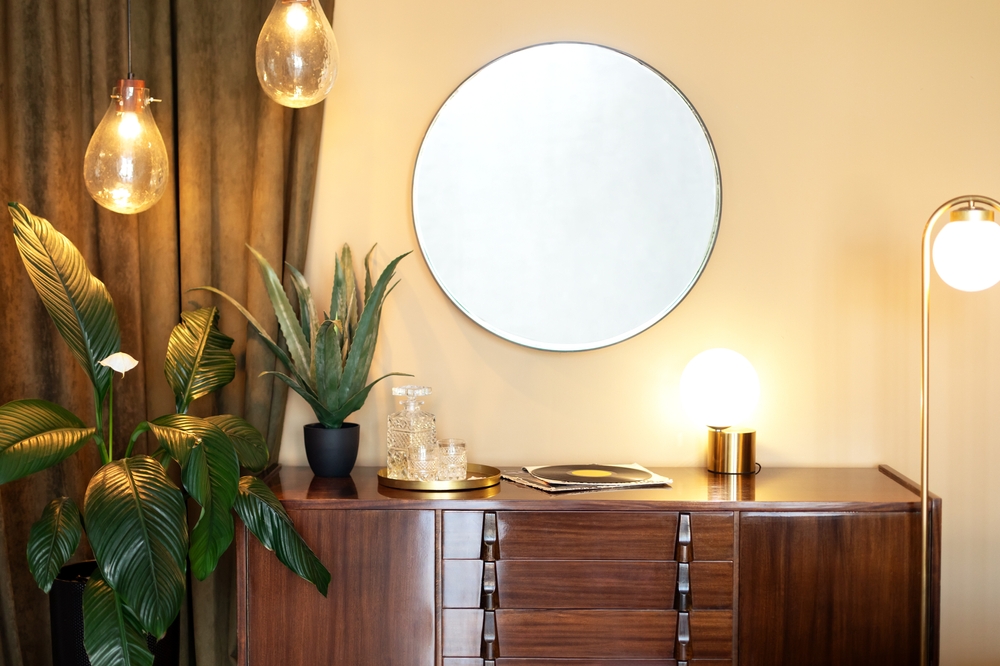
Flat-pack furniture wasn’t always meant to be permanent, but it didn’t always feel temporary either. According to materials and durability testing reported by Consumer Reports and industry analysis cited by Bloomberg, many mass-market furniture items now use thinner composite materials that degrade faster under normal load. Shelves bow, joints loosen, and drawers stop lining up. Replacement happens sooner than planned.
People don’t usually connect this to quality changes. They assume they overloaded something or moved it incorrectly. The furniture gets replaced during a move or reorganization, and the cycle resets.
8. Kitchen Utensils Like Spatulas And Tongs
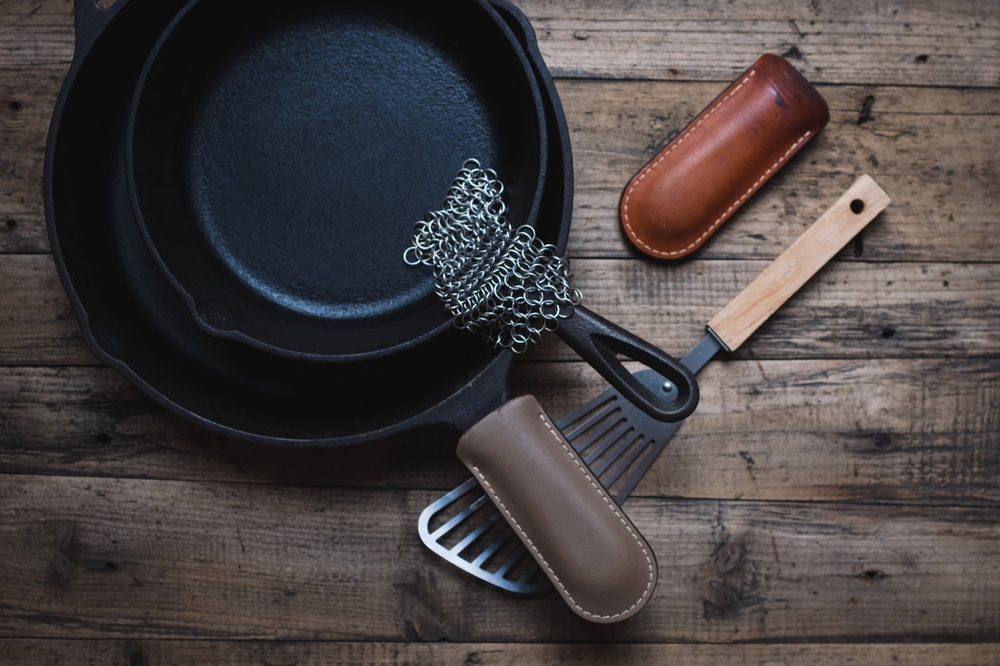
Kitchen tools used to survive years of heat and use. Now, silicone peels, metal bends, and hinges loosen quickly. Most people toss them when they stop working properly rather than when they look worn out. The drawer slowly refills.
Because each item is inexpensive, the replacement doesn’t feel notable. It happens during a grocery run or an online order.
9. Reusable Water Bottles

Lids crack, seals leak, and finishes start peeling long before the bottle itself wears out. Most people replace them not because they want a new one, but because the old one becomes slightly annoying to use. That annoyance is enough.
Notice how specific the failures are. It’s rarely the whole bottle—it’s the cap, the straw, or the hinge. Replacements happen because fixing one small part feels harder than starting over.
10. Power Strips And Extension Cords
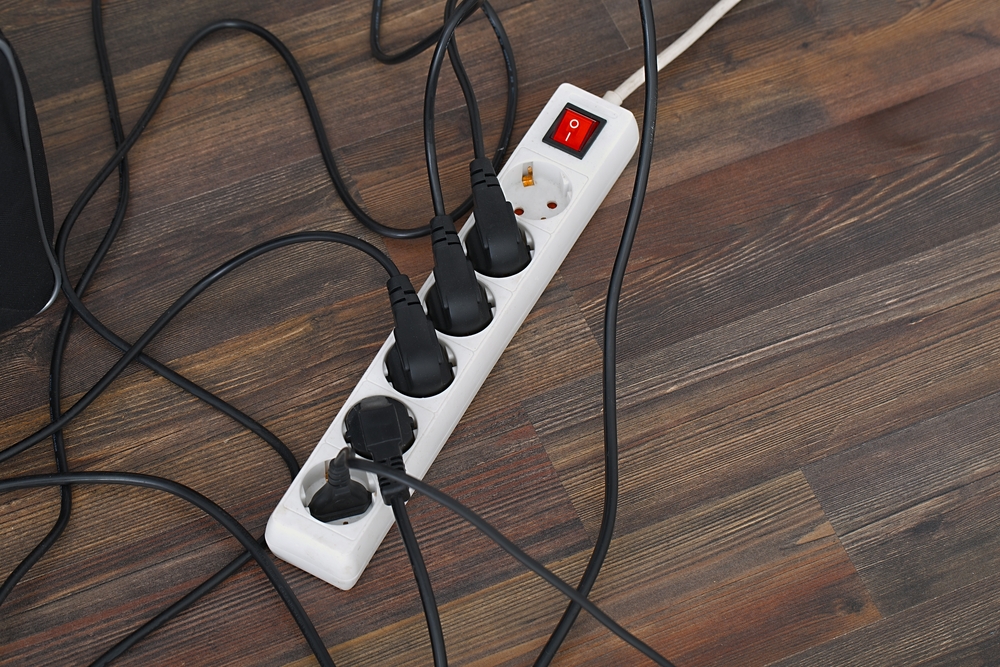
Power strips and extension cords used to live under desks indefinitely. Now switches fail, outlets loosen, or cords stiffen and crack. People replace them as soon as something feels off, usually out of caution rather than necessity. No one wants to risk it.
These items don’t break loudly. They just stop feeling reliable. A flickering indicator light or a loose plug is enough to send them to the trash. Replacement feels like maintenance rather than a purchase.
11. Cheap Office Chairs
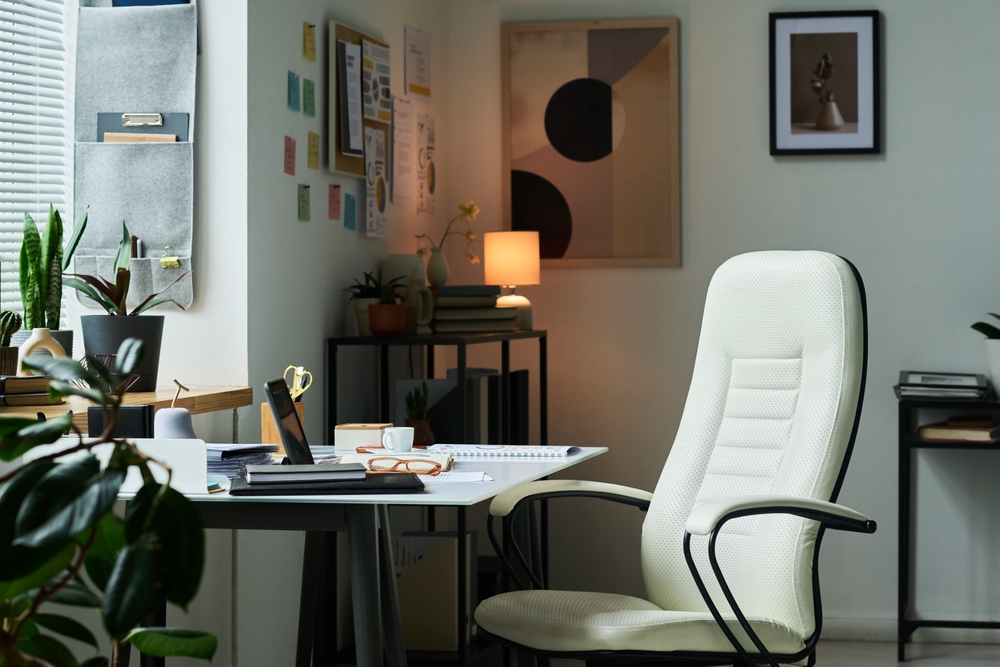
Office chairs used to hold up through years of daily use. Many inexpensive models now lose support quickly, with cushions flattening and mechanisms loosening within a short time. People notice it in their backs before they notice it visually. Comfort becomes the deciding factor.
Replacing a chair doesn’t feel optional once it starts affecting how long you can sit. Most people don’t think of it as a quality issue—they think of it as wear and tear. The chair gets replaced, and the pattern repeats.
12. Shower Curtains And Liners
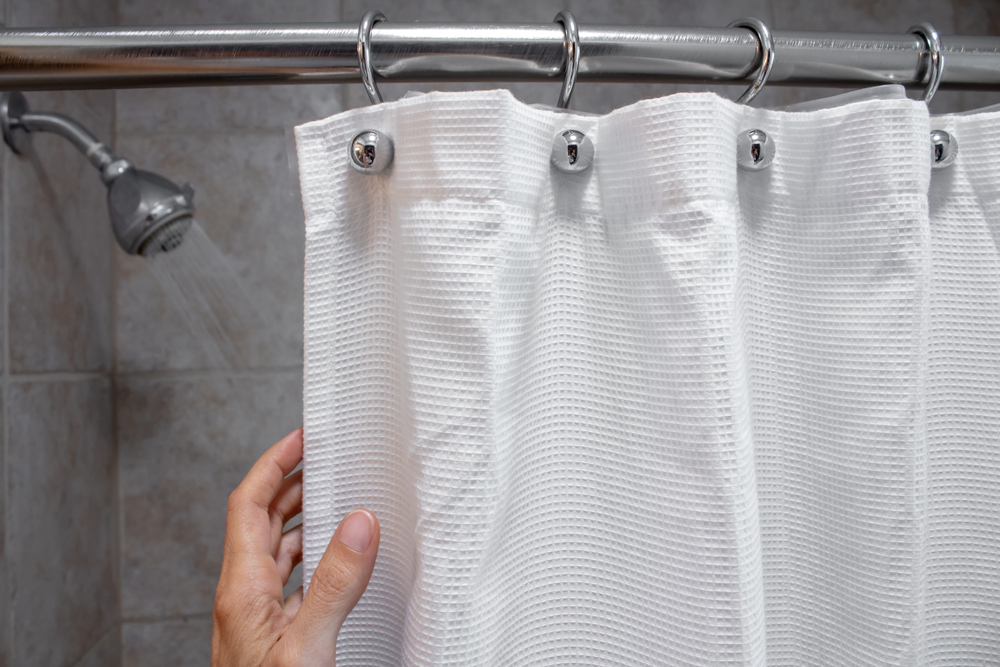
Shower curtains and liners used to last until they looked obviously worn. Now, liners cloud, tear, or grow mold faster, even with regular cleaning. People replace them more often because they stop feeling clean. The decision happens quietly during a routine store trip.
The change is subtle enough that it barely registers. Buying another liner feels like upkeep, not replacement. Over time, it becomes one of those household items you expect to rebuy, even if you don’t remember when that started.
This article is for informational purposes only and should not be construed as financial advice. Consult a financial professional before making investment or other financial decisions. The author and publisher make no warranties of any kind.