
Status purchases are often bought during moments of transition—new jobs, breakups, moves, or income jumps—when people want something to mark the change. The regret doesn’t come from wanting nice things; it comes from realizing the thing didn’t actually change much at all. What lingers is the memory of why it was bought, not how it was used.
1. Luxury Cars Bought For Novelty
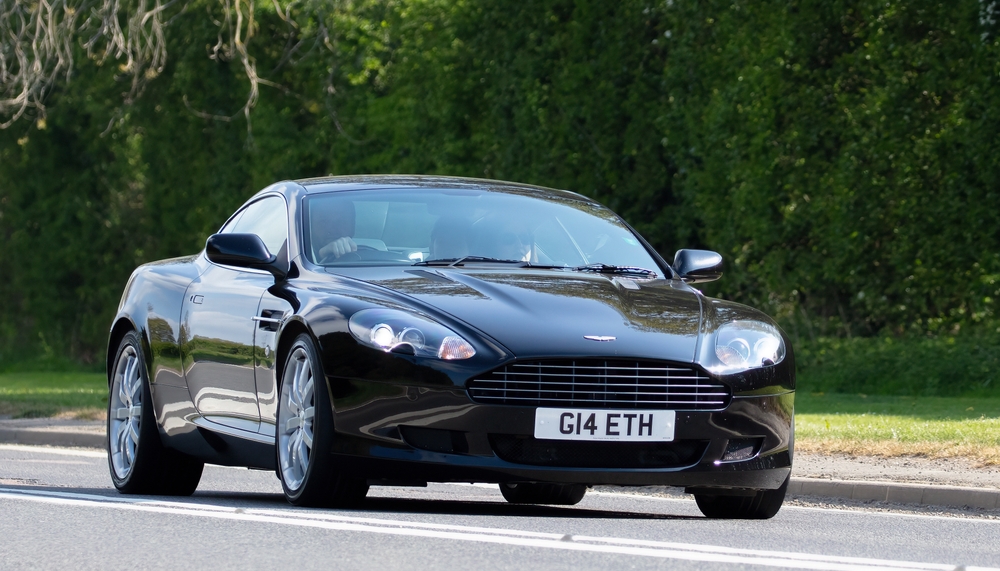
High-end cars are one of the most common status purchases people regret. According to consumer spending and satisfaction data cited by Experian and resale analysis reported by Edmunds, luxury vehicles depreciate quickly and deliver a shorter emotional payoff than buyers expect. The excitement fades faster than the monthly payment. Every day driving doesn’t match the imagined lifestyle.
People often realize they were buying a feeling tied to a moment rather than a long-term need. Once the novelty wears off, the car becomes another obligation—insurance, maintenance, parking—attached to a very expensive object.
2. Designer Bags With Loud Logos
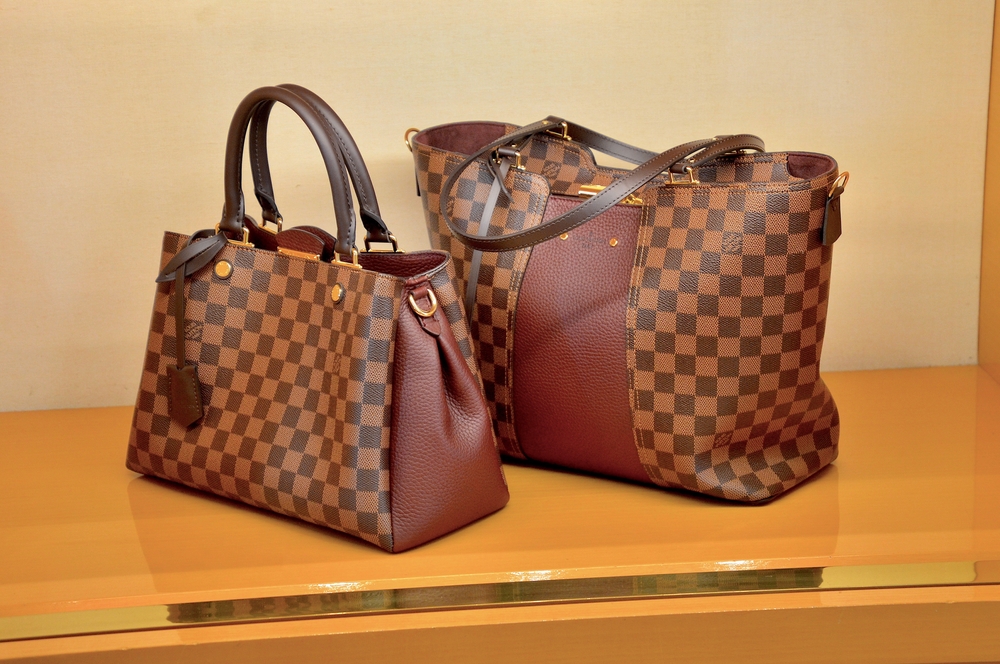
Logo-heavy designer bags tend to feel great at first because they’re instantly recognizable. According to consumer psychology research cited by the Journal of Consumer Research and resale data reported by The RealReal, highly branded items lose appeal faster than quieter luxury pieces. Trends move on. Tastes change.
Many people regret how specific these bags feel over time. They stop matching personal style or daily routines, but selling them doesn’t always recoup much. The bag ends up sitting unused, still expensive but no longer exciting.
3. Oversized Engagement Rings
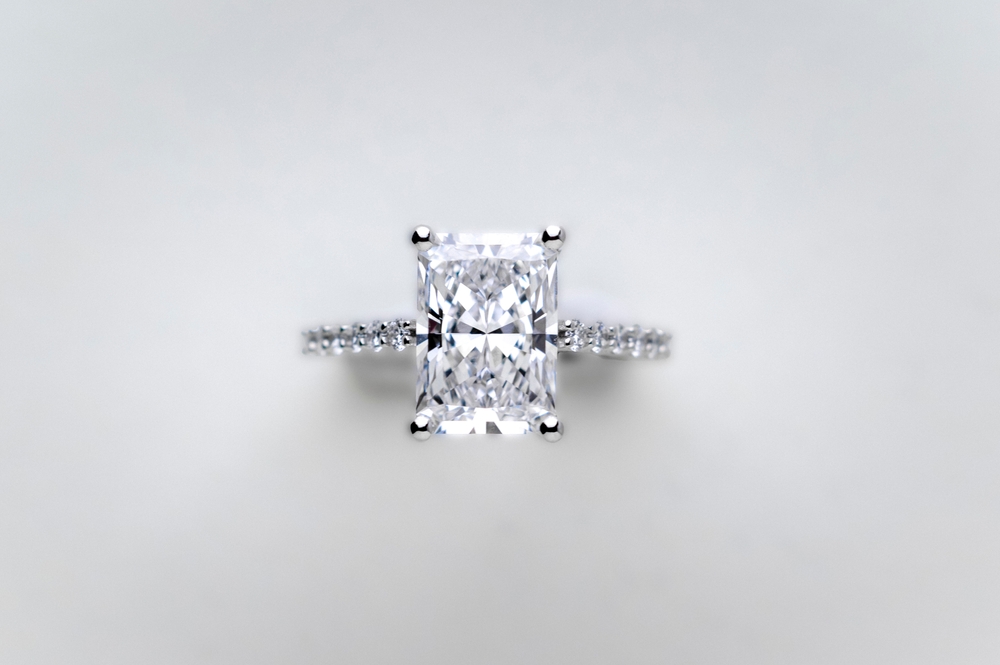
Bigger rings often come with bigger expectations. Some people later regret prioritizing size over comfort, practicality, or long-term wearability. Rings that snag, feel heavy, or require constant care become less enjoyable to wear every day. It might’ve looked impressive in photos, but it can feel inconvenient in real life.
The regret usually isn’t about the relationship—it’s about the object. People realize they were responding to external pressure or comparison. The ring becomes something they adjust around rather than enjoy naturally.
4. Watches Bought To Signal Wealth
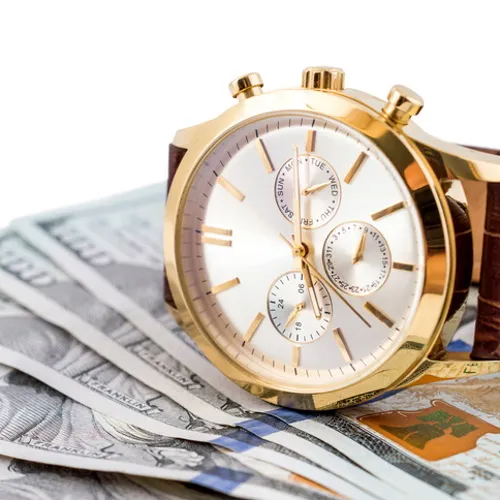
Luxury watches are often purchased to mark milestones or signal status. According to resale market analysis cited by WatchCharts and consumer finance reporting from Bloomberg, many watches don’t hold value as well as buyers assume unless they’re very specific models. The resale market is narrower than expected. Selling later can be disappointing.
For many people, the watch ends up spending more time in a drawer than on a wrist. Daily life doesn’t always call for it. The meaning attached to the purchase fades faster than anticipated.
5. First-Class Flights

Flying first class for the first time can feel like crossing an invisible line. According to consumer travel behavior research cited by NerdWallet and airline pricing analysis reported by The Wall Street Journal, people who pay full price for premium cabins often report lower satisfaction than expected once novelty fades. The comfort window is short. The price difference is not.
Many travelers realize the experience ends the moment the plane lands. The cost lingers much longer. What felt like a milestone starts to feel like an expensive few hours.
6. Custom Furniture
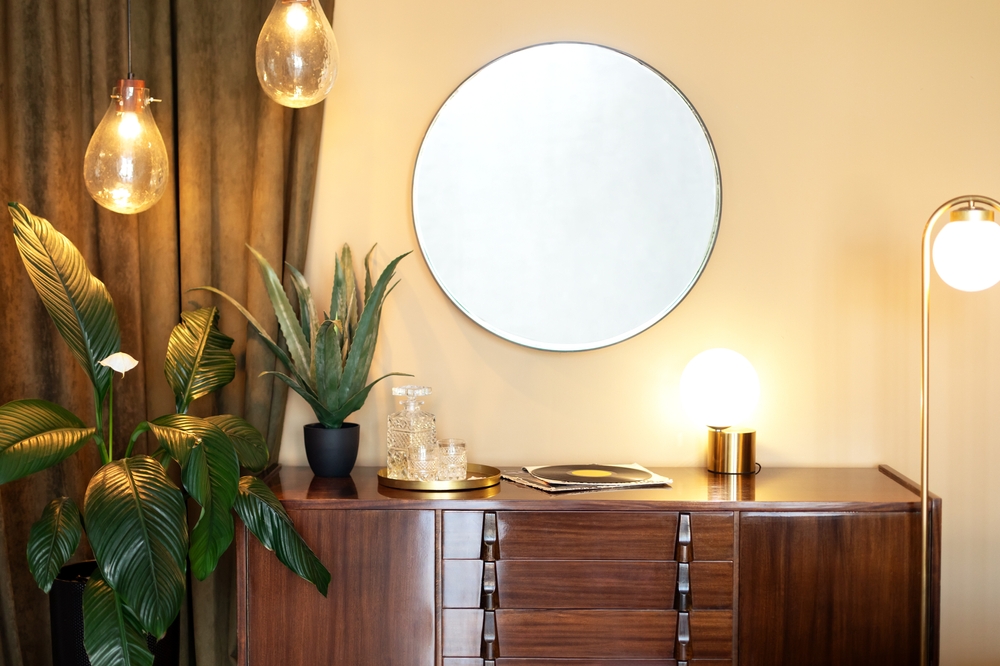
Custom furniture gets ordered to make a home feel finished or impressive. Measurements are precise, fabrics are chosen carefully, and the wait time builds anticipation. Once it arrives, it’s locked into a specific layout and lifestyle. Moves, changes, or even rearranging become harder.
People later regret how inflexible the purchase feels. The piece doesn’t travel well into the next phase of life. Selling it is difficult.
7. High-End Electronics

Flagship phones, top-tier laptops, and smart home systems often get bought early, before people know how they’ll actually use them. The specs impress, but the features go mostly untouched. Updates arrive quickly, making last year’s model feel dated faster than expected.
Regret shows up when people realize the device never becomes essential. The excitement doesn’t translate into daily value.
8. Expensive Baby Gear
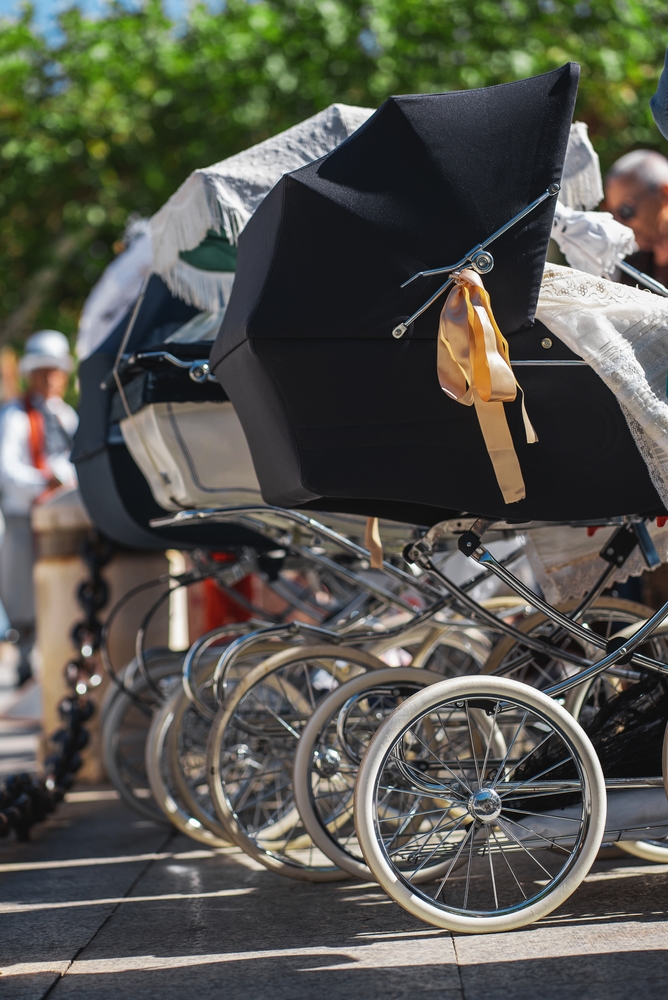
Premium strollers, bassinets, and nursery furniture are often bought with aesthetics in mind. They photograph well and signal preparedness. Many parents later realize how little some items get used. Babies outgrow things quickly or prefer simpler setups.
Storage fills up. Resale value drops. The items served a short window, while the cost stretched much longer.
9. Fancy Guest Dinnerware
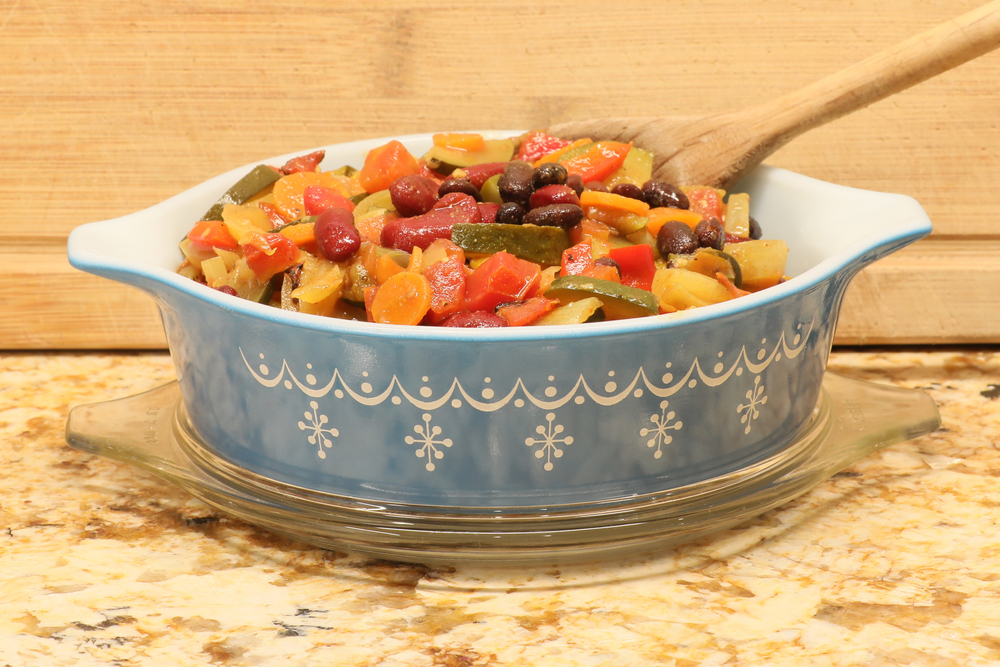
Expensive dish sets often get bought to mark adulthood or success. They’re stored carefully and brought out a few times a year, if that. Everyday meals still happen on the old plates. The nice set sits untouched most of the time.
People later realize they bought dishes for an imagined version of hosting. The lifestyle never fully materialized, but the cabinets stayed crowded. Selling a partial or outdated set isn’t easy.
10. High-End Home Office Furniture
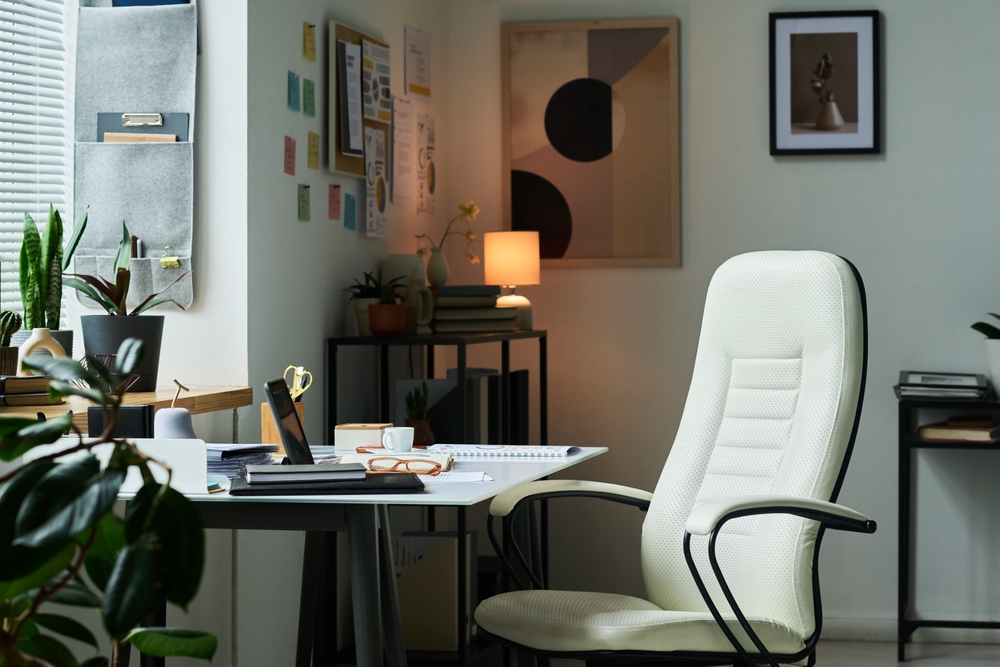
Standing desks, designer chairs, and custom shelving often get purchased early in a remote-work phase. At the time, it feels important to look professional and “do it right.” Daily routines change faster than expected. The setup no longer fits how work actually happens.
Some pieces turn out to be uncomfortable or impractical over long days. Others don’t survive moves or layout changes. The money went into furniture before habits were fully formed.
11. Premium Credit Cards

Metal cards and high-fee credit accounts often get opened because they feel grown-up or impressive. The perks sound generous on paper. In practice, many people don’t travel enough or spend in the right categories to justify the cost. Annual fees keep coming regardless.
Regret shows up when people review statements and realize they barely used the benefits. The card feels more symbolic than useful. Downgrading happens later.
12. Statement Clothing
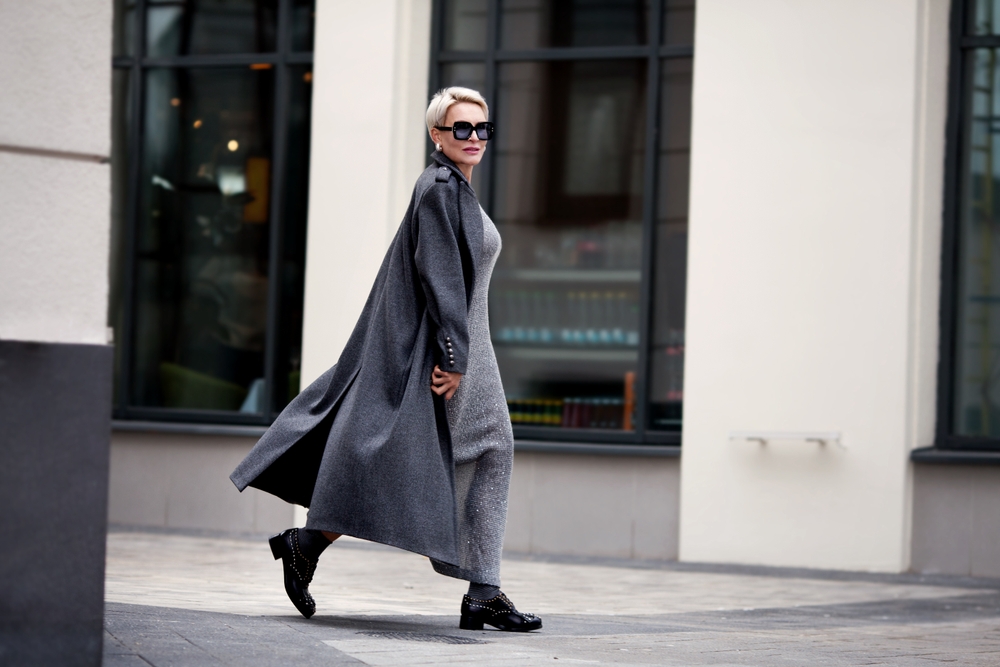
Bold coats, designer shoes, or very specific outfits often get bought during periods of change. They’re meant for a lifestyle that never fully locks in—different job, different city, different social rhythm. The clothes don’t match daily life once things settle.
They stay in the closet because they still look good. They just don’t fit where life landed. Selling them rarely feels worth the effort.
This article is for informational purposes only and should not be construed as financial advice. Consult a financial professional before making investment or other financial decisions. The author and publisher make no warranties of any kind.