
Buyers aren’t just reacting to price anymore. They’re reacting to things that feel expensive, inconvenient, or misaligned with how people actually live. In competitive markets, features that once added appeal are seen as liabilities. These are the details that cause buyers to hesitate.
1. Open Floor Plans With No Defined Spaces
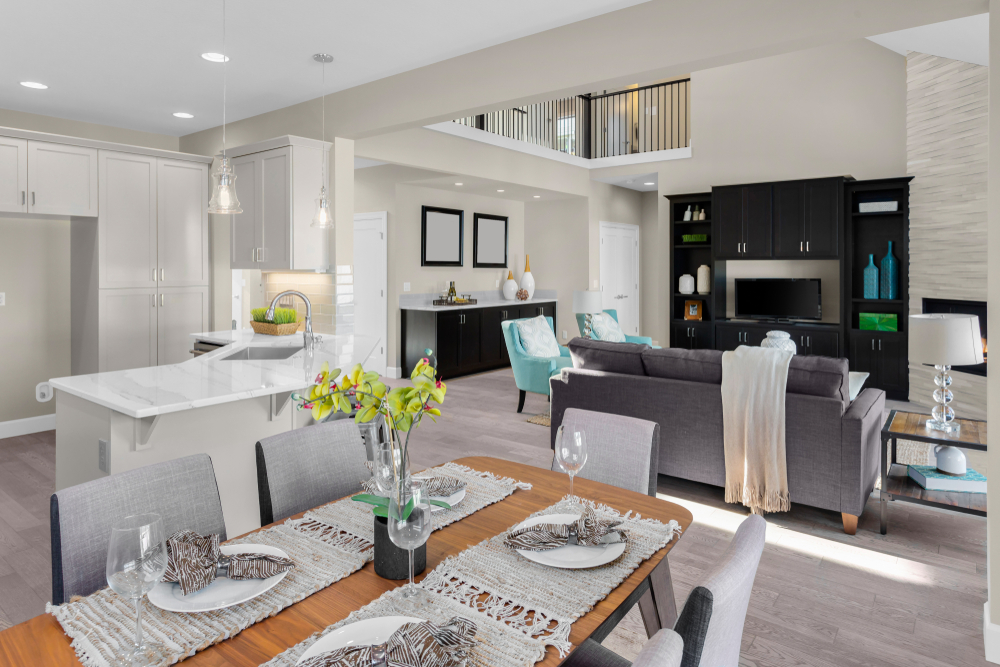
According to buyer preference data analyzed by Zillow, interest in fully open floor plans has declined as more buyers prioritize privacy, noise separation, and functional rooms. What once felt airy now often feels chaotic, especially for households working or studying from home.
Buyers walk through these homes and struggle to picture daily routines. Where does the desk go? Where does noise stop? When answers aren’t obvious, the openness stops feeling like a perk.
2. Homes With No Dedicated Storage
Lack of storage used to be something buyers thought they could “figure out later.” Now it’s a deal-breaker much earlier in the process. Closets that are shallow, missing pantries, or garages that can’t actually hold cars signal ongoing frustration.
Buyers aren’t just thinking about where things go today. They’re imagining what happens when life gets fuller—kids, hobbies, work equipment. When storage already feels maxed out, the home feels smaller than the square footage suggests.
3. Pools That Come With Ongoing Costs
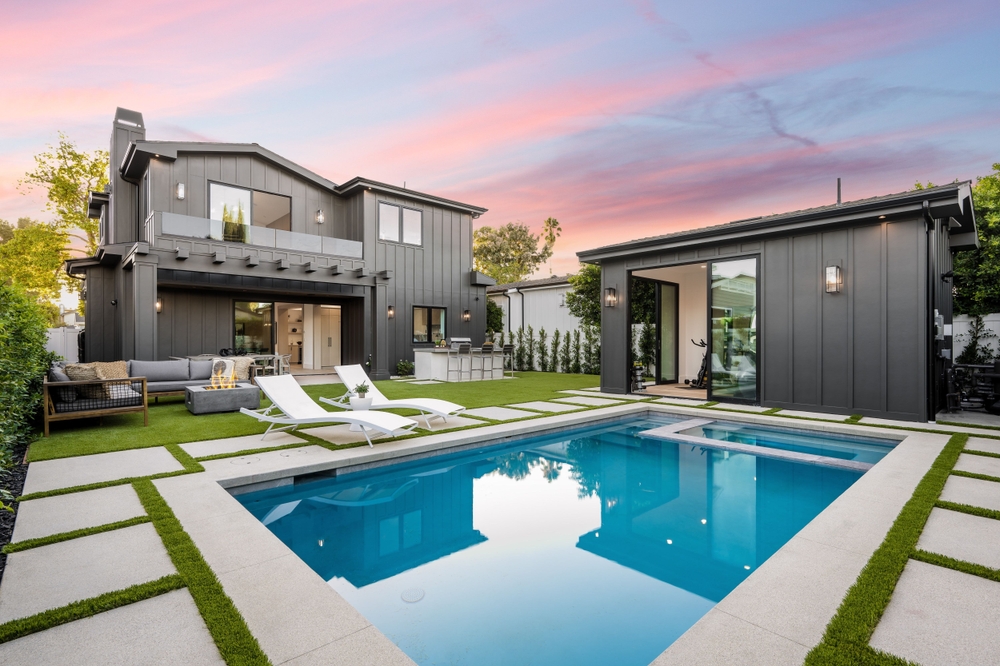
Pools still photograph well, but buyers are more cautious once they start running the numbers. According to housing cost analyses cited by the National Association of Realtors, insurance premiums, maintenance expenses, and safety concerns have made pools less attractive to a growing segment of buyers.
The hesitation isn’t about swimming. It’s about upkeep, time, and unpredictable costs. Buyers who don’t already want a pool rarely want to inherit one.
4. Trend-Heavy Renovations
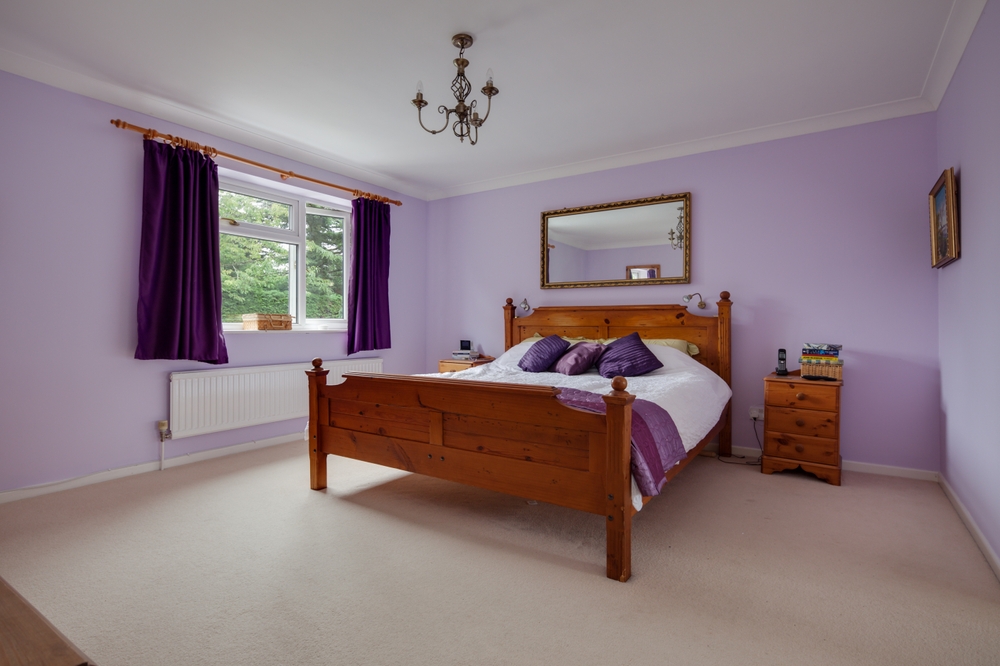
Buyers are quicker to spot design choices that lock them into someone else’s taste. Bold tile patterns, ultra-specific color schemes, and heavily themed rooms can trigger immediate resistance. Instead of seeing “new,” buyers see “redo.”
Renovations that lack flexibility feel expensive even if they were costly to install. When buyers mentally price out changes before finishing the tour, momentum drops fast.
5. Complicated Smart Home Systems

According to consumer housing research cited by Consumer Reports, buyers are increasingly wary of systems that require specific apps, subscriptions, or proprietary hardware. It used to be convenient, but now, it feels like future troubleshooting. If it’s not intuitive in a five-minute walkthrough, it raises flags.
Buyers don’t want to spend their first months resetting passwords, learning controls, or paying monthly fees just to turn on lights or adjust the thermostat. Simpler systems—or none at all—often feel safer than “smart” setups that are already aging.
6. Formal Rooms That Aren’t Used
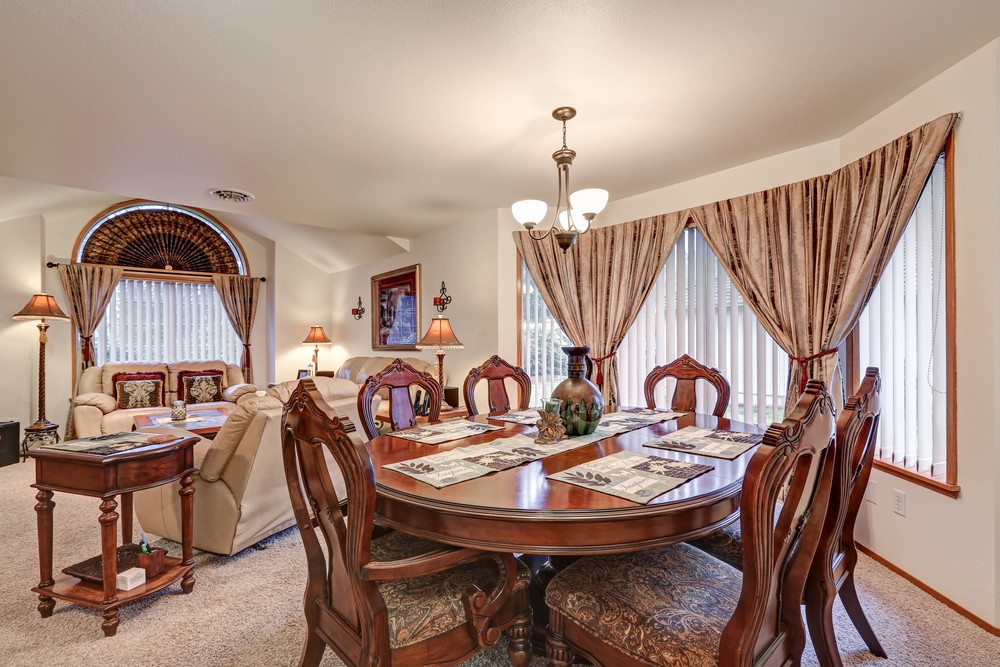
Dedicated dining rooms, sitting rooms, or formal living rooms are losing appeal when they don’t serve a clear daily function. Buyers walk through these spaces and immediately start questioning square footage efficiency. If a room’s only job is to look nice, it often feels expendable.
In a market where every square foot is priced aggressively, unused space feels wasteful. Buyers would rather have flexible rooms they can adapt than spaces that feel locked into a single purpose they don’t need.
7. Large Yards That Need Maintenance

Big yards used to be a universal selling point, but that’s changed. According to buyer preference surveys cited by Redfin, a growing number of buyers now rank low-maintenance outdoor space above sheer size. Lawns that demand constant mowing, watering, and upkeep are increasingly viewed as time commitments.
This is especially true for buyers juggling work, kids, or travel. The idea of “more space” loses its shine when it comes with weekly chores and rising utility costs. Manageable outdoor areas often win over sprawling ones.
8. Homes With Highly Customized Changes
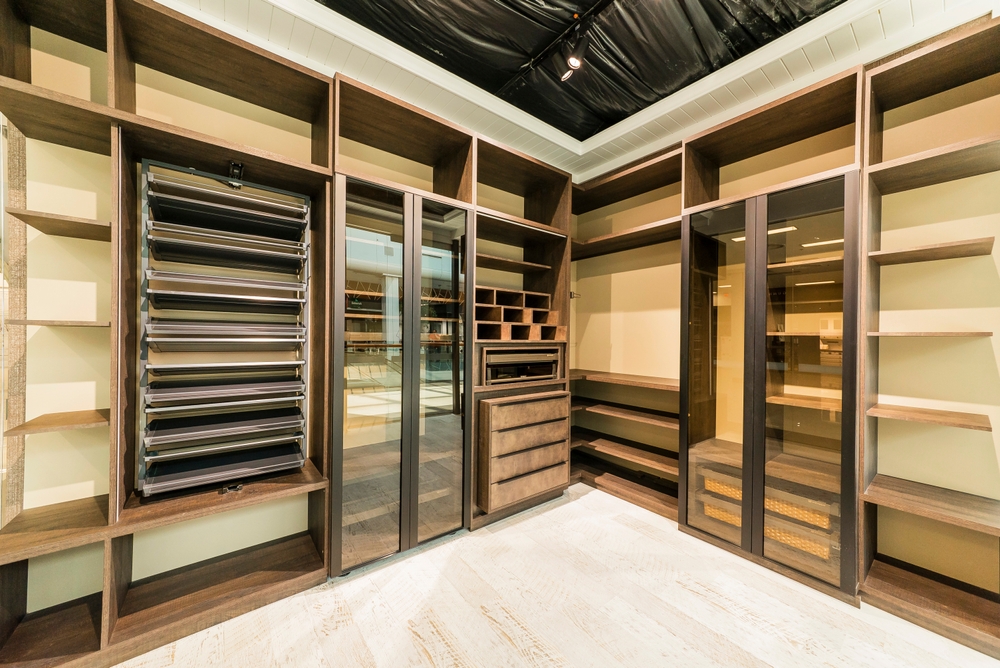
Removing bedrooms, converting garages, or merging rooms can make sense for one household and alienate the next. Buyers often struggle to reverse these changes mentally, even if the structure allows it. The more customized the layout, the narrower the appeal.
When buyers can’t easily see how the home would work for their life, they hesitate. Even well-done changes can feel limiting if they reduce flexibility. Broad appeal still matters, especially in competitive segments.
9. Homes With No Clear Work-From-Home Space
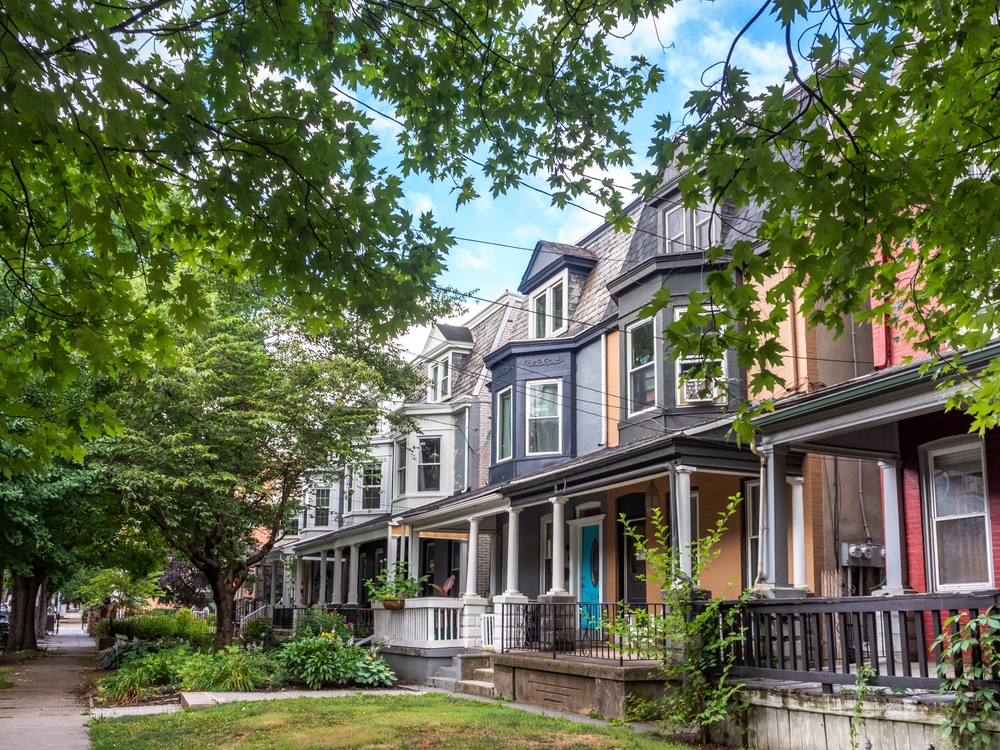
Buyers don’t necessarily need a dedicated office, but they do want a place where work can happen without disruption. Homes that lack any quiet corner, flexible room, or separation from main living areas feel limiting. People immediately start thinking about noise, privacy, and daily logistics.
If buyers can’t picture where a desk would realistically go, the home feels behind the times. This is less about square footage and more about layout adaptability. Even a small, defined space matters more than an extra open area.
10. Bathrooms With Heavy Upkeep Or Design Quirks
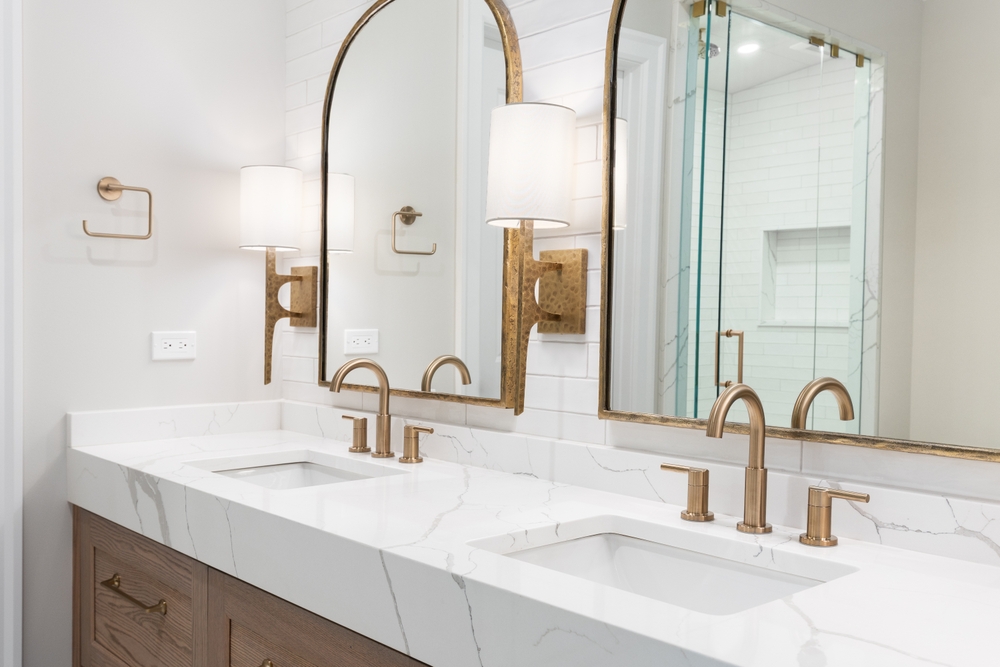
Bathrooms that require constant cleaning, special materials, or delicate finishes raise red flags. Stone surfaces that stain easily, frameless glass that shows every watermark, or tubs that dominate the room can feel impractical.
Design quirks also matter here. Odd layouts, oversized fixtures, or overly stylized choices make buyers think about renovations they didn’t plan on. Bathrooms are one of the first places buyers mentally price out changes.
11. Homes With Obvious Energy Inefficiencies

Drafty windows, old HVAC systems, or poor insulation stand out quickly during showings. Buyers are increasingly aware of utility costs and don’t want surprises after closing. Even in hot markets, inefficiency feels like a long-term expense waiting to happen.
When buyers sense that monthly bills will be unpredictable or high, enthusiasm drops. Energy upgrades aren’t always visible, but their absence often is. Comfort and cost predictability matter more than ever.
12. Properties With Complicated HOA Rules Or Fees

HOAs aren’t automatic deal-breakers. But buyers hesitate when rules are restrictive, fees are high, or enforcement feels aggressive. Unclear governance raises concerns about future conflicts and surprise costs.
If buyers feel they’re buying into ongoing negotiation rather than stability, they pause. Even well-maintained communities lose appeal when the rules feel burdensome or opaque.
13. Homes That Are For Short-Term Use
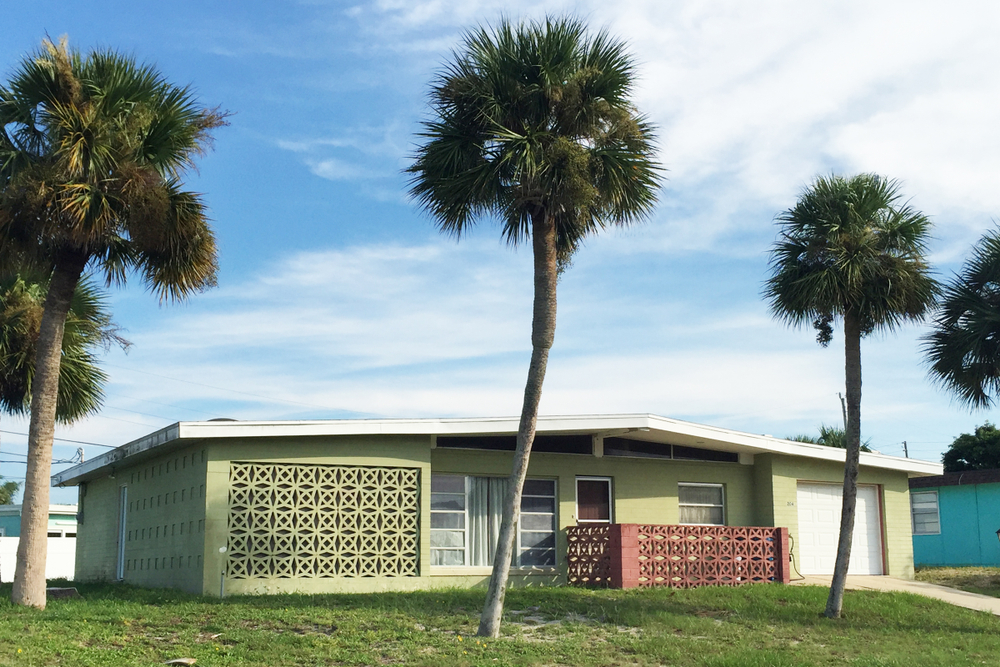
Properties designed around short-term rentals or hyper-specific lifestyles can turn off long-term buyers. Features that prioritize turnover—durability over comfort, minimal storage, or stripped-down finishes—signal a mismatch in priorities.
Buyers looking for a place to settle want homes that support daily living, not constant cycling. When a house feels more like a product than a place to live, many buyers simply move on.
This article is for informational purposes only and should not be construed as financial advice. Consult a financial professional before making investment or other financial decisions. The author and publisher make no warranties of any kind.