
Some homes don’t age badly because they’re old. They age badly because they were built around assumptions that no longer hold—about energy costs, family structure, technology, or maintenance tolerance. As buyer expectations shift, certain home types feel out of step. These are the kinds of properties that are losing appeal fast.
1. Large Suburban Homes Built For Single-Income Families
Many homes from the 1980s and 1990s assumed one income, predictable hours, and someone at home managing daily upkeep. According to housing affordability research from the Joint Center for Housing Studies at Harvard, operating costs for large single-family homes have risen faster than household incomes in many regions.
Buyers walk through these homes and immediately start doing math. Heating, cooling, taxes, maintenance, and time all feel stretched. The space itself isn’t the problem—it’s the lifestyle it demands.
2. Homes With Energy-Inefficient Designs And Materials
Older construction methods didn’t prioritize efficiency the way buyers expect today. According to data cited by the U.S. Department of Energy, homes built before modern efficiency standards often use significantly more energy for heating and cooling. Drafty windows, poor insulation, and outdated systems are hard to ignore once buyers start thinking long-term.
Even when the home looks charming, it feels expensive. Buyers aren’t just picturing the purchase price; they’re imagining monthly bills and future upgrades. That mental load makes these homes feel riskier than newer alternatives.
3. Homes With Excessive Formal Space
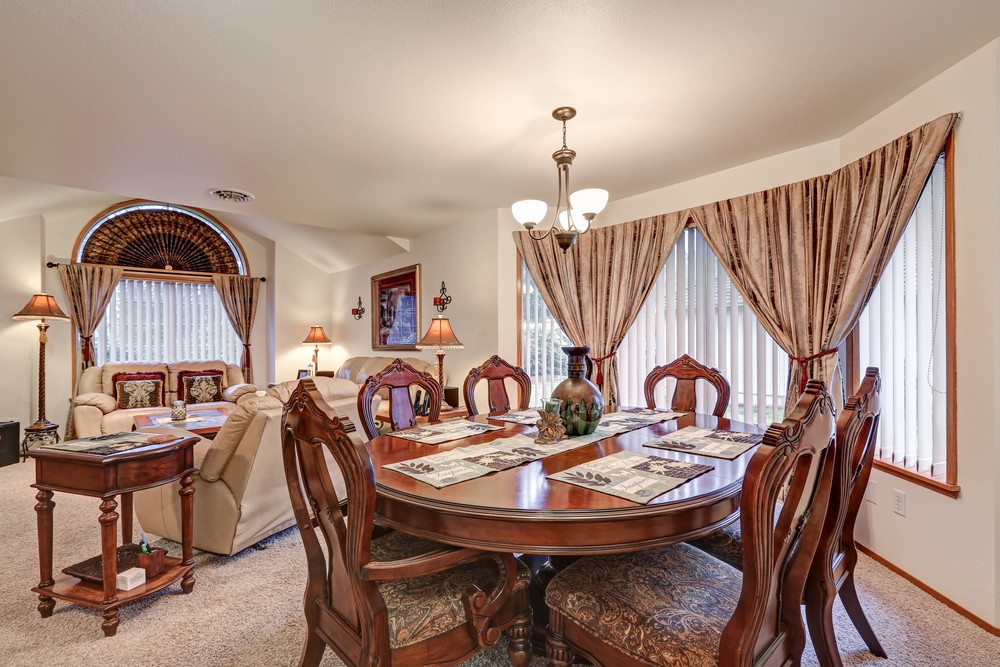
Formal dining rooms, sitting rooms, and oversized entry areas once signaled status. Now they read as wasted square footage. Buyers struggle to see how these spaces fit into daily routines that revolve around flexibility and multitasking.
When rooms don’t adapt easily, the home feels less usable. People want spaces that can shift between work, rest, and gathering. Rigid layouts age faster because they resist that kind of change.
4. Homes Designed Around Obsolete Technology
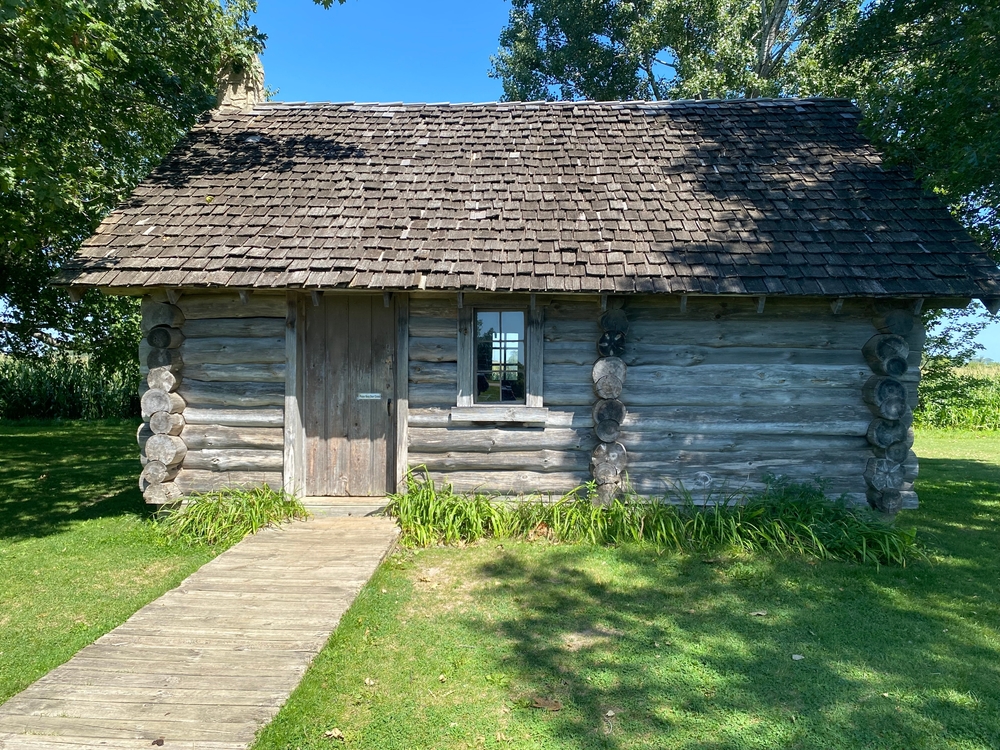
Built-in intercoms, central vacuum systems, and hardwired media setups once felt cutting-edge. Today, they feel like relics. Buyers notice when features can’t integrate with current devices or require costly updates.
Instead of reading as premium, these systems feel like future projects. The home starts to feel dated in ways that go beyond cosmetics. Functionality ages just as much as style.
5. Homes With High-Maintenance Exteriors
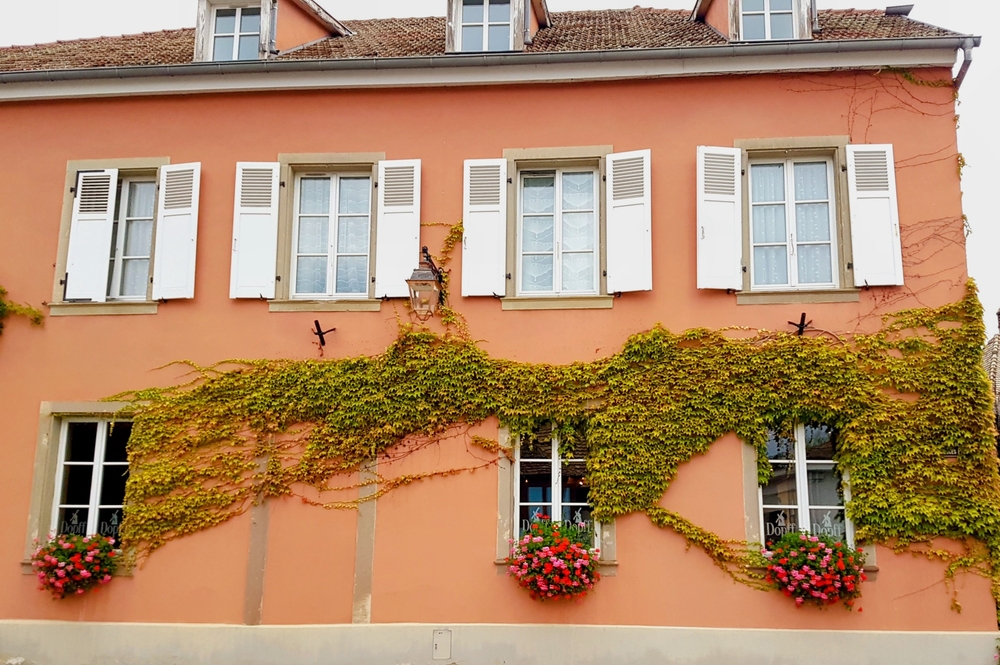
Certain exterior choices age poorly because they demand constant attention. According to housing durability research cited by Consumer Reports, materials like untreated wood siding, older stucco systems, and specialty finishes tend to require frequent repairs as they age.
Buyers aren’t just evaluating appearance anymore. They’re thinking about time, contractors, and long-term upkeep. When the exterior feels like a project, interest drops quickly.
6. Oversized Homes With Few Bedrooms
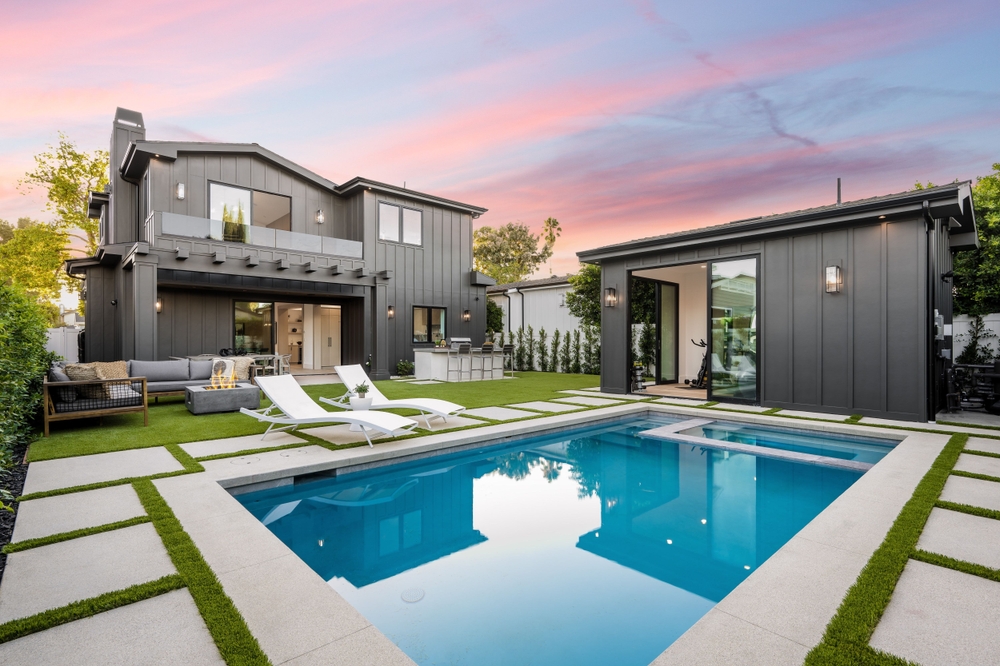
Large square footage paired with a low bedroom count often reflects older design priorities. These homes emphasized entertaining spaces over private ones. Today, buyers often want more defined rooms, even if each one is smaller.
When a home has plenty of space but limited sleeping or work areas, buyers feel constrained. The layout doesn’t match how households actually use space now. That mismatch becomes more obvious with each generation of buyers.
7. Homes With Poor Natural Light

Many older homes were built with smaller windows and deeper floor plans that limit daylight. While once acceptable for energy or privacy reasons, these designs now feel closed off. Buyers notice immediately when rooms feel dim, even during daytime showings.
Natural light affects mood, energy use, and perceived size. When it’s lacking, the home feels less inviting regardless of finishes. That’s a hard impression to overcome.
8. Split-Level Homes W
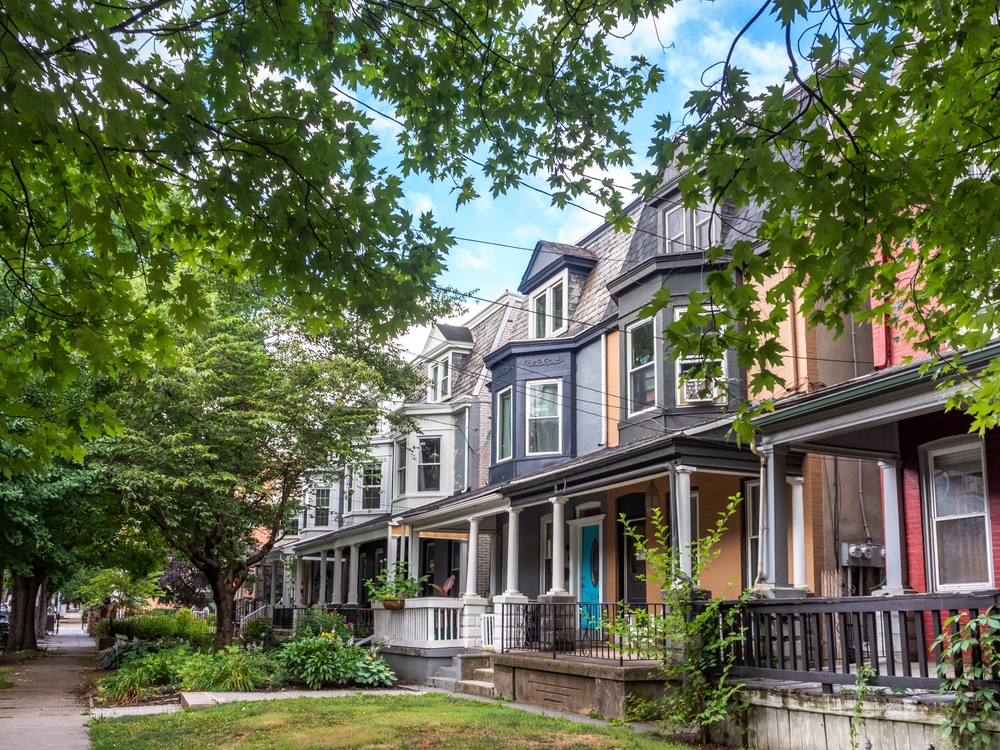
Split-level homes were designed for a different rhythm of daily life, one where separation between spaces mattered more than flow. Today, buyers often find the constant stairs and broken sightlines disruptive. Rooms feel disconnected rather than private.
As households look for flexibility and ease of movement, these layouts feel harder to adapt. The square footage is there, but it doesn’t work together intuitively. That disconnect makes these homes feel older than they actually are.
9. Oversized McMansions With Inefficient Use Of Space
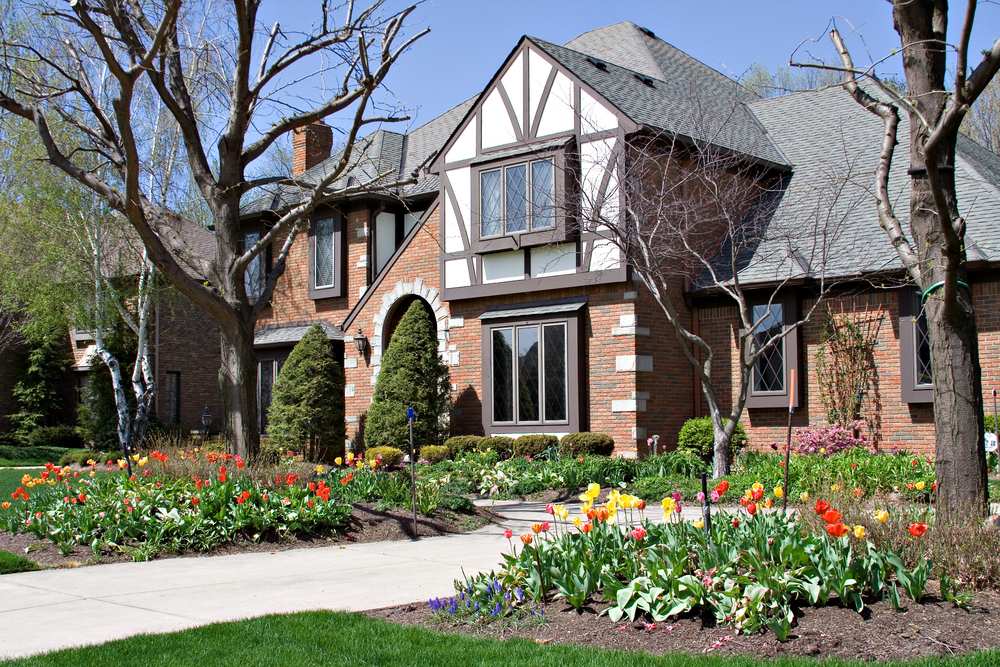
Large homes built during peak suburban expansion often emphasized size over function. Two-story foyers, formal living rooms, and sprawling footprints look impressive but don’t always translate into daily comfort. Buyers walk through and notice how much space feels unused or awkward.
Maintenance costs, heating, cooling, and cleaning all scale with size. Bigger no longer automatically means better.
10. Homes With Prominent Garages
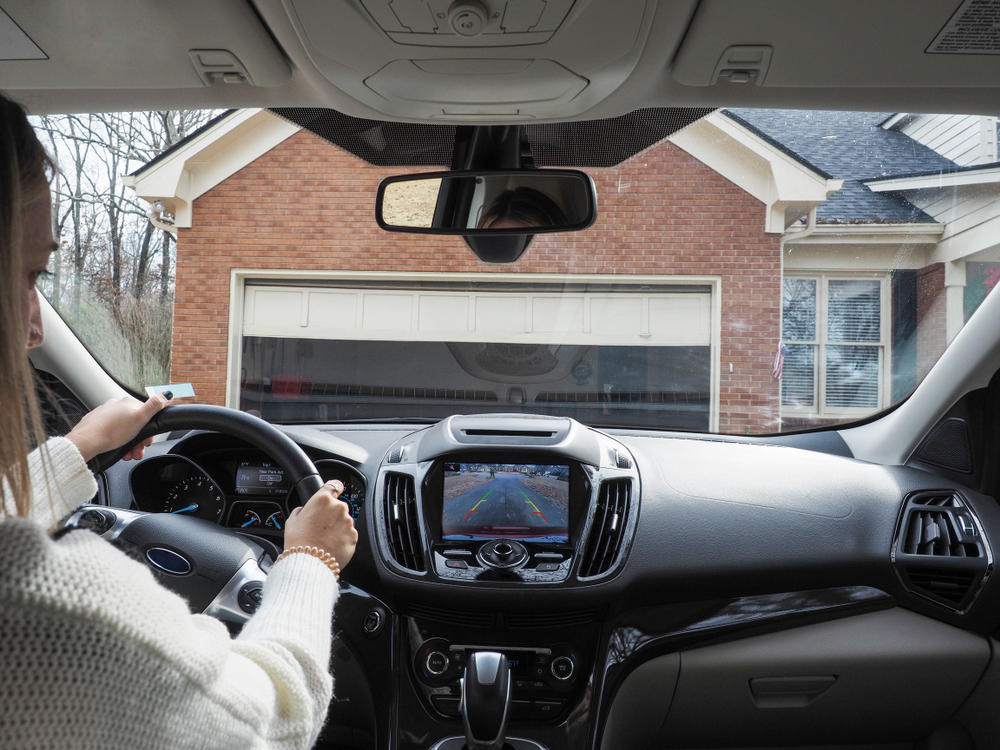
Houses where the garage is the most prominent feature tend to age poorly in terms of curb appeal. These designs prioritize car storage over living space and often feel visually unbalanced. Buyers notice when the home’s main impression is a set of garage doors.
As design preferences shift toward walkability, porches, and usable front spaces, this layout feels dated. Even when interiors are updated, the exterior presentation can hold the home back.
11. Narrow Townhomes Built With Minimal Soundproofing
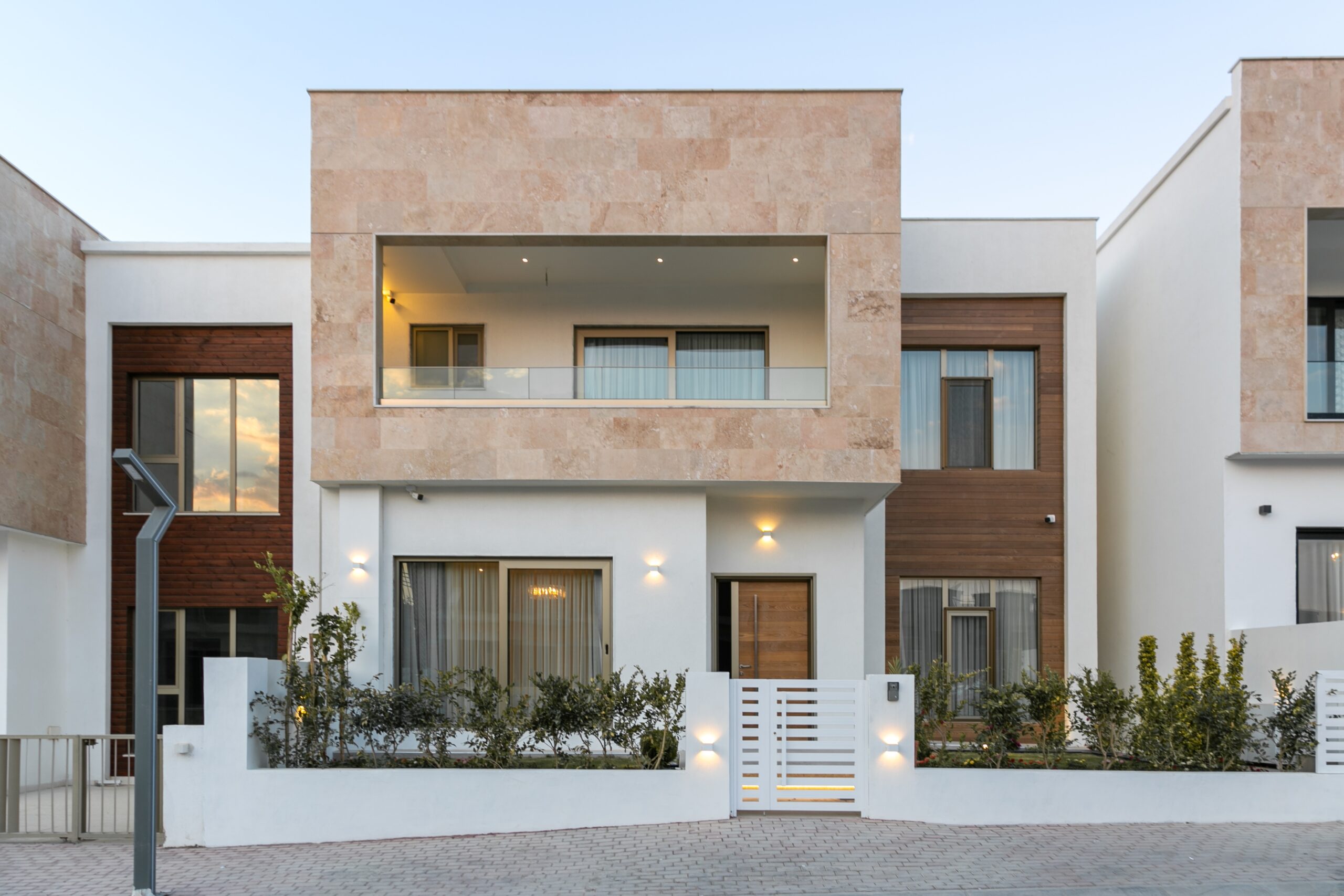
Older townhomes often prioritized density over comfort. Thin walls, limited insulation, and stacked layouts mean noise travels easily between units. Buyers today are far more sensitive to privacy and sound than they were decades ago.
When people can hear neighbors clearly during a showing, it sticks with them. Even well-located homes struggle if they feel too exposed. Quiet has become a feature buyers actively look for.
12. Homes Built With Sunken Living Rooms Or Conversation Pits
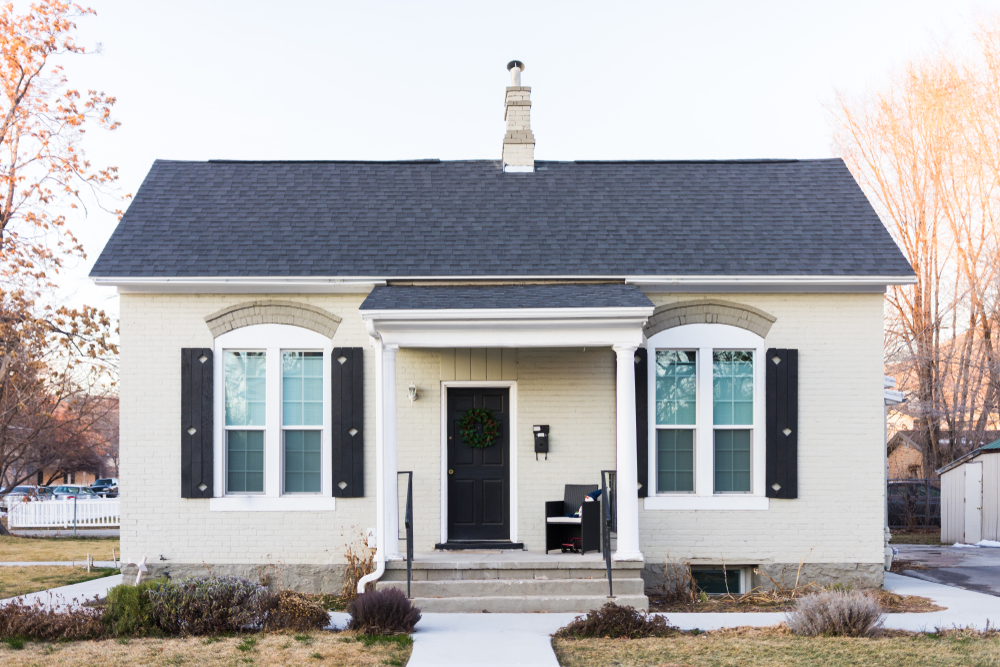
Sunken living rooms were once considered stylish, especially in mid-century and late-1970s homes. Today, they tend to raise concerns about safety, accessibility, and furniture placement. Buyers immediately notice the step-downs and start thinking about kids, aging parents, or tripping hazards.
What once felt architectural now feels impractical. These features are expensive to modify and hard to ignore. As buyers prioritize simplicity and flexibility, sunken spaces feel archaic.
13. Houses With Narrow Or Galley-Style Kitchens
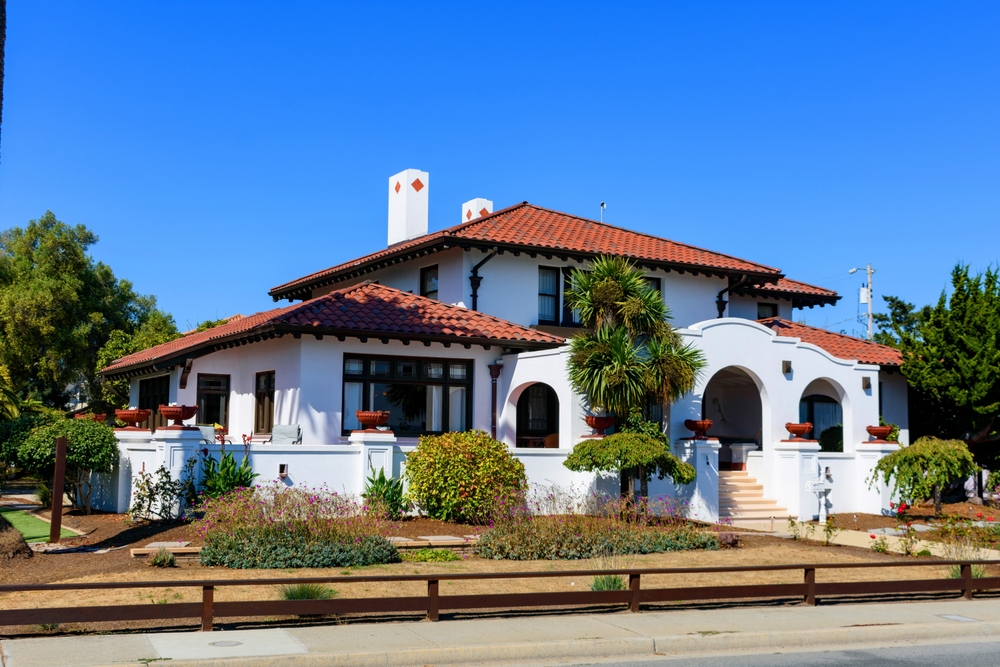
Older homes often placed kitchens in tight, enclosed layouts meant for one person at a time. Modern buyers expect kitchens to function as shared spaces, even in smaller homes. When counters feel cramped, and traffic jams are inevitable, buyers feel boxed in.
The problem isn’t just size—it’s usability. Narrow kitchens limit how people cook, gather, and move. Even otherwise charming homes can lose momentum when the kitchen feels too constrained.
14. Homes Designed Around Built-In Furniture That Can’t Be Removed
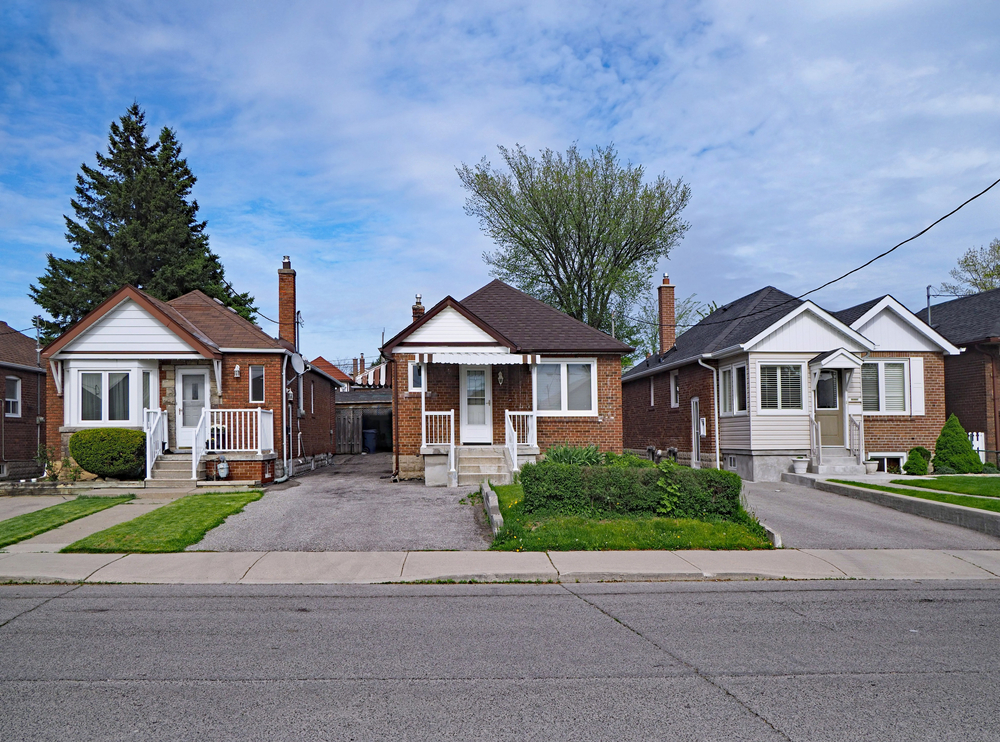
Some homes lean heavily on built-ins like wall units, desks, benches, or shelving that are permanently integrated into the structure. While these features were meant to feel custom, they lock buyers into a specific layout or lifestyle. Removing them can be costly or structurally complicated.
Buyers today want the freedom to reconfigure spaces over time. When built-ins dictate how a room must be used, the home feels less adaptable.
This article is for informational purposes only and should not be construed as financial advice. Consult a financial professional before making investment or other financial decisions. The author and publisher make no warranties of any kind.