


Most people don’t go broke because they’re reckless. They go broke because admitting they’re struggling feels unbearable. Saying “I can’t afford this anymore” can feel more threatening than maxing out another card. So instead of stopping, people double down—and the damage quietly compounds.
1. They’ve Built Their Identity Around Looking Good

Some people don’t just have money—they use it to prove they’re doing okay. The clothes, the car, the apartment, the lifestyle all say, “I’ve got this.” According to research cited by the American Psychological Association, when money becomes tied to identity, people will make worse financial choices to protect how they’re seen.
Cutting back would mean cracking that image. So they keep spending to maintain it, even when the math no longer works. From the outside, everything looks stable. From the inside, it’s already falling apart.
2. Saying “I Can’t Afford That” Feels Humiliating

Debt feels private. Admitting you’re broke feels exposed. For a lot of people, especially those who pride themselves on being capable, the sentence “I can’t afford this” feels loaded with shame.
So instead of being honest, they swipe. They borrow. They tell themselves it’s temporary. The money problem gets worse, but at least no one has to know yet.
3. They Think Being Broke Means They Failed

Many people were raised to believe that money problems only happen to irresponsible people. Research on financial stigma from Harvard Business School shows that people often internalize financial trouble as a character flaw. Once you believe that, admitting you’re broke feels like admitting you’re defective.
That belief makes people hide longer than they should. They avoid conversations. They avoid looking too closely at their accounts. The longer they wait, the scarier it feels to be honest.
4. Credit Cards Let Them Get Away With It
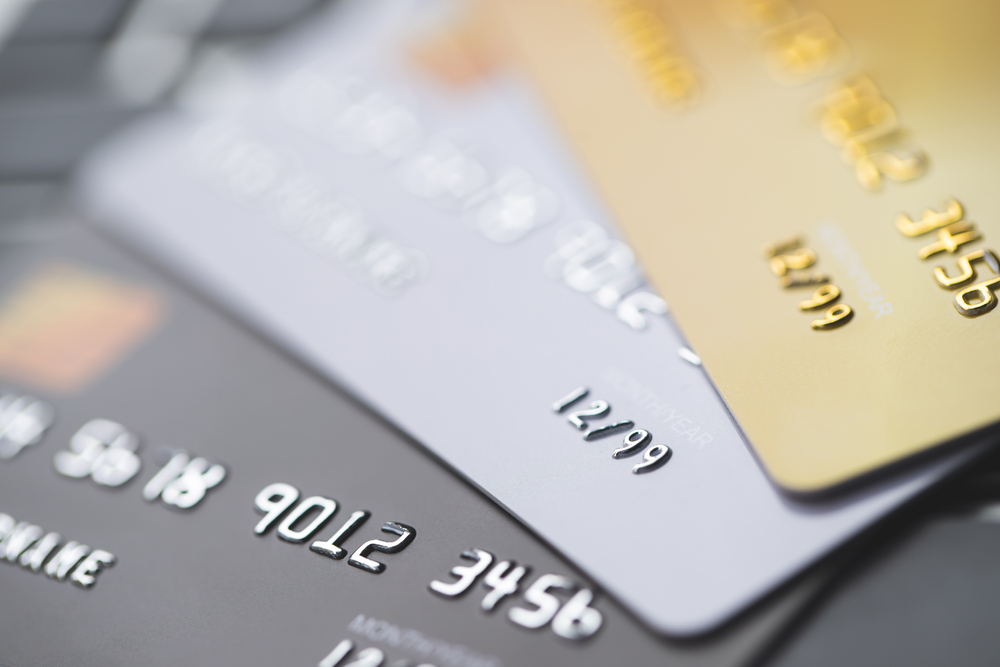
Credit doesn’t just buy things—it buys denial. As long as purchases still go through, life can keep looking normal. Bills get paid. Plans stay intact. No big decisions have to be made yet.
That “yet” is the trap. According to Federal Reserve data, people under financial stress often use credit not to splurge, but to keep their lives from visibly changing. By the time the illusion breaks, the damage is already serious.
5. Credit Feels Like A Bridge, Not A Cliff

When money gets tight, credit doesn’t feel dangerous at first. It feels helpful. According to Federal Reserve research on household debt behavior, many people use credit specifically to smooth over short-term gaps, not to live wildly. The thinking is simple: I’ll catch up next month.
That belief keeps people from making changes when they still could. Each swipe feels like buying time, not digging a hole. By the time the balance feels scary, the options to fix it have narrowed.
6. Their Social Life Is Built Around Spending

For some people, nearly every friendship involves money. Dinner plans, birthdays, weddings, trips, gifts—saying no means explaining yourself. Pulling back doesn’t just change spending, it changes relationships.
Rather than risk awkward conversations or distance, people keep showing up. They split checks they shouldn’t. They say yes when they mean no. The spending becomes the price of staying connected.
7. They Genuinely Think It’s Just A Rough Patch

A lot of people don’t see themselves as broke—they see themselves as temporarily off track. Research cited by the Urban Institute shows that many households underestimate how long financial recovery actually takes after income shocks or rising expenses. People expect things to normalize faster than they do.
So they wait. They assume the raise is coming, the bonus will hit, or expenses will settle down. That optimism delays action, even as the situation quietly worsens.
8. They’re Avoiding A Conversation

Admitting you’re broke usually forces a bigger conversation. With a partner. With family. With yourself. It might mean changing where you live, how you spend, or what you can say yes to.
For many people, that conversation feels heavier than debt. So they postpone it. They tell themselves they’ll deal with it later, once things feel less overwhelming. Meanwhile, the numbers keep moving without them.
9. It Feels Manageable (As Long as Nothing Has Exploded)

For a lot of people, “broke” only counts when something obvious breaks. Rent gets missed. Cards get declined. A call comes in that can’t be ignored. Until then, life feels tense but survivable.
That gray zone is dangerous because it feels familiar. The bills are paid, even if barely. The stress becomes background noise. Without a clear breaking point, urgency never quite arrives.
10. They Don’t Have The Right Financial Language

Some people don’t have the language for what’s happening financially. Money was never discussed growing up, or it was only talked about during fights. As adults, they carry that silence forward.
Without words, problems stay vague. They feel bad, but not specific enough to fix. Avoidance becomes the default, not because people don’t care, but because they don’t know where to start.
11. They’re Waiting For One Thing to Save Them
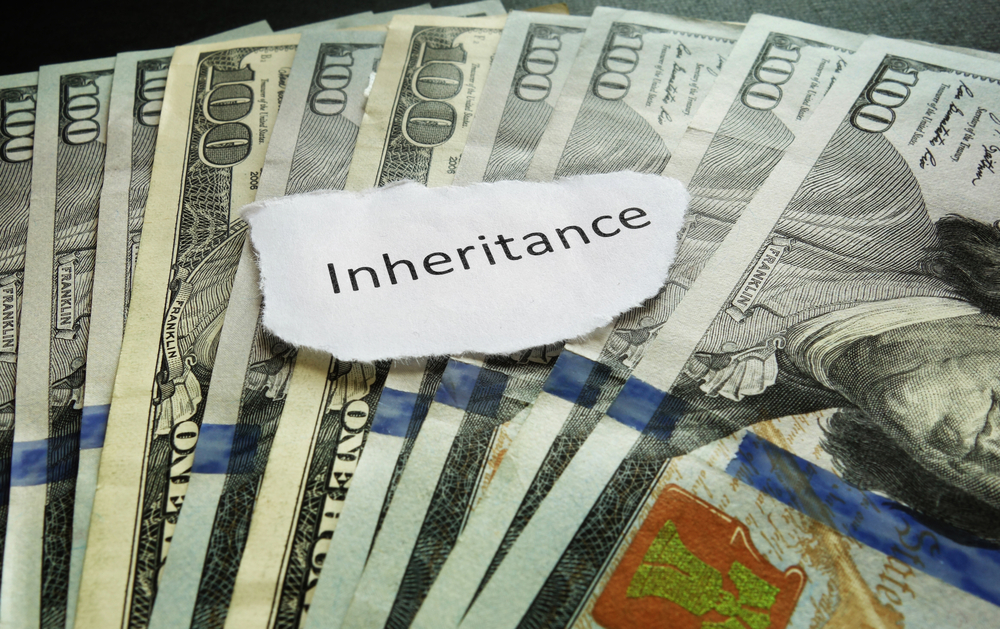
There’s often a single event people are counting on. A raise. A new job. A bonus. Something that will make everything okay again. That hope makes the current situation feel temporary, even when it’s not.
So instead of adjusting now, they wait. Spending stays the same. Debt grows quietly in the background. The rescue keeps getting pushed just far enough into the future to delay action.
12. Admitting The Truth Would Change Their Whole Life

For some people, saying “I’m broke” isn’t just about money. It would mean changing how they live, what they say yes to, and how they see themselves. That’s a lot to face all at once.
So they protect the life they know, even when it’s no longer sustainable. Bankruptcy doesn’t happen because they didn’t care. It happens because they tried to hold everything together for too long.
This article is for informational purposes only and should not be construed as financial advice. Consult a financial professional before making investment or other financial decisions. The author and publisher make no warranties of any kind.