

The middle class didn’t disappear, but it stopped meaning what it used to. Many of the things people once associated with a comfortable, stable life now come with more tradeoffs, more anxiety, and less margin for error. Two households can earn similar incomes and live very different realities depending on when they bought, where they live, and what they’re responsible for. This is what a middle-class life looks like now—and why it feels so different from 20 years ago.
1. Housing Eats More Of The Budget
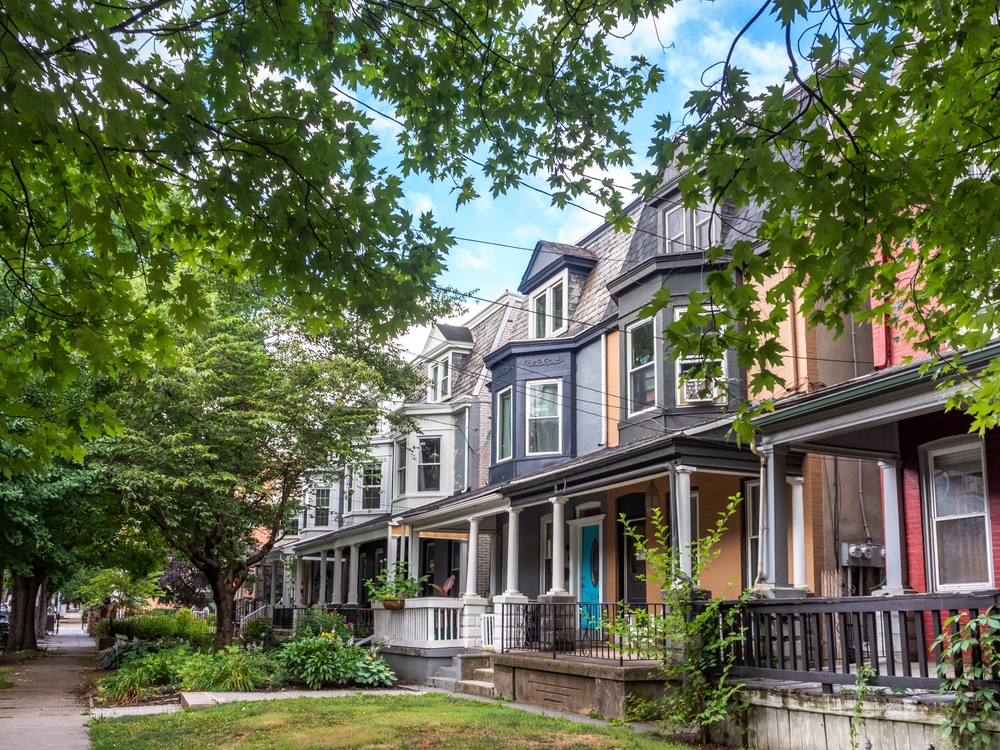
Twenty years ago, housing was usually the biggest bill, but it still left room for other things. According to data from the U.S. Census Bureau and analysis from Harvard’s Joint Center for Housing Studies, middle-income households now spend a much larger share of their income just to stay housed. Rent and mortgage costs crowd out saving, flexibility, and even basic breathing room.
What’s different now is how much everything else has to bend around housing. One increase in rent or interest rates can throw off an entire budget. Housing doesn’t just cost more—it controls more.
2. A “Good Job” Feels Less Secure

A steady job used to come with a sense of permanence. Today, even people with solid titles and decent paychecks know things can change fast. Layoffs, restructures, and benefit cuts are common enough that stability feels conditional.
That uncertainty shapes everyday decisions. People save differently, hesitate more, and keep backup plans in mind. The job may still look respectable, but it doesn’t create the same sense of safety it once did.
3. Medical Costs Show Up All the Time

Healthcare used to be something people worried about during big moments. Now it’s part of regular budgeting. According to research from the Kaiser Family Foundation, out-of-pocket healthcare costs for insured, middle-income families have risen steadily over the past two decades. Premiums, deductibles, and surprise bills show up even when nothing serious is wrong.
The result is constant calculation. People delay care, second-guess appointments, and keep medical costs in the back of their minds. Healthcare has become an ongoing expense instead of an occasional one.
4. Savings Exist, but They Don’t Feel Safe

Many middle-class households technically have savings, but those funds feel spoken for. Emergency money doubles as repair money, gap money, or buffer money for rising costs. One unexpected expense can wipe out months of progress.
Saving still matters, but it feels more fragile. The cushion is thinner, and people know it. That awareness changes how secure “having savings” actually feels.
5. Childcare Has Become A Major Financial Strain

Two decades ago, childcare was expensive, but it didn’t always rival a second rent payment. According to data from the Economic Policy Institute, childcare costs have risen much faster than middle-class wages, making full-time care a serious financial decision rather than a default. For many families, it now dictates work choices instead of supporting them.
Parents aren’t choosing between good and better options; they’re choosing between workable and impossible. Childcare has become one of the biggest pressure points in middle-class life.
6. Cars Last Longer But Cost More To Own

Cars today are more reliable than they used to be, but owning one is more complicated. Payments stretch longer, repairs are more specialized, and insurance costs keep climbing. Even keeping an older car running can feel expensive in ways it didn’t before.
For middle-class households, transportation is no longer a predictable line item. It’s a mix of monthly costs and surprise expenses that require planning. The car still represents independence, but it also carries more financial weight.
7. College Is a Family Financial Project

Higher education used to be expensive but manageable for many middle-class families. According to analysis from the Federal Reserve, student loan balances and parental contributions have become a long-term financial commitment rather than a short-term chapter. Paying for college now affects retirement timing, housing decisions, and savings goals.
What surprises people is how long the impact lasts. Even families who plan ahead often feel stretched for years afterward. College spending no longer ends at graduation.
8. “Extras” Are Cut Before Necessities

Middle-class households still enjoy travel, dining out, and hobbies, but these are usually the first things to go when costs rise. What used to feel like a normal part of life now feels optional and fragile. Plans are made with a mental asterisk.
This shift changes how people experience comfort. Life still works, but with more hesitation. Enjoyment becomes conditional rather than assumed.
9. Vacations Require More Planning

Travel is still part of a middle-class life, but it’s handled differently. Trips are planned farther in advance, compared more carefully, and often shortened to make the math work. Spontaneity costs more than it used to.
People still go, but with more limits in mind. Flights, lodging, food, and time off all have to line up just right. Vacations feel less like a break from reality and more like something that has to be justified.
10. Homeownership Comes With More Risk

Owning a home used to feel like the safest financial move available. Now it comes with more variables—interest rates, insurance costs, repairs, and taxes that don’t stay put. Even people who bought responsibly feel exposed to changes they can’t control.
That uncertainty changes how people think about ownership. The house is still important, but it’s no longer a guaranteed source of comfort. It’s something that has to be actively managed.
11. Retirement Feels Less Defined

Retirement used to have a clearer shape. Work stopped, income shifted, life slowed down. For many middle-class households now, retirement looks more flexible and less certain.
Some people plan to work part-time. Others expect to delay retirement altogether. The idea of a clean break feels harder to picture, especially when savings and healthcare costs don’t feel predictable.
12. Everyday Spending Comes With More Guilt

Small purchases used to feel harmless. Now they often come with a second thought. Dining out, subscriptions, or convenience spending can trigger quick mental math.
That constant calculation changes how people experience comfort. Life still works, but it’s filtered through awareness. Middle-class living now involves more restraint than ease.
13. Helping Family Is Part Of The Budget

Middle-class households are more likely to help adult children, aging parents, or relatives in small but ongoing ways. That help doesn’t always look like big checks—it shows up as covering a bill, helping with rent, or stepping in during a rough patch. These contributions weren’t always expected, but they’re increasingly common.
Support that was once temporary can stretch on for years. It becomes another responsibility that has to be planned around.
14. Flexibility Matters More Than Upgrades

Upgrading used to feel like progress. Bigger homes, nicer finishes, and newer cars were clear markers of doing well. Now, many middle-class households prioritize flexibility instead.
The ability to adjust—change jobs, relocate, handle an unexpected expense—often matters more than having the nicest version of something. Comfort is still important, but adaptability carries more weight.
This article is for informational purposes only and should not be construed as financial advice. Consult a financial professional before making investment or other financial decisions. The author and publisher make no warranties of any kind.