

“Best place to buy” doesn’t mean the cheapest, and it doesn’t mean the hottest. It means places where prices still make sense relative to incomes, demand isn’t purely speculative, and buyers have a little leverage instead of none. Right now, those places tend to sit just outside the hype cycle—not ignored, but not overrun either. These are markets where real people are still buying homes to live in, not just to flip.
1. Toledo, Ohio
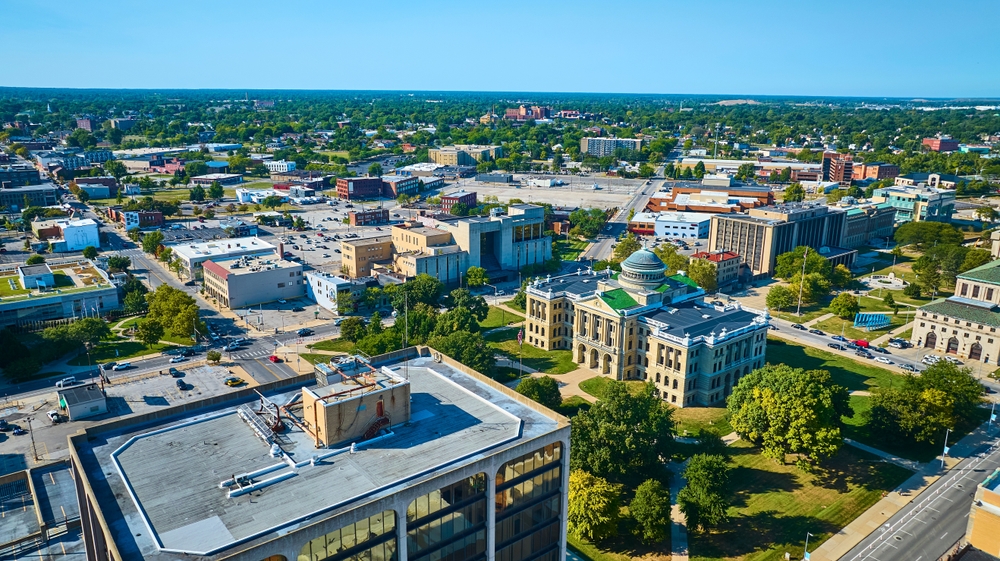
Toledo has quietly benefited from being overlooked. Home prices remain accessible, rents are steady, and demand is driven more by local jobs than outside investors. According to data from Redfin and analysis from the National Association of Realtors, Midwestern cities like Toledo continue to show healthier price-to-income ratios than most coastal or Sun Belt markets.
What makes Toledo appealing right now is the lack of urgency. Buyers aren’t competing with dozens of offers, and appreciation is tied to fundamentals, not frenzy. It’s a market where patience still works in your favor.
2. Augusta, Georgia
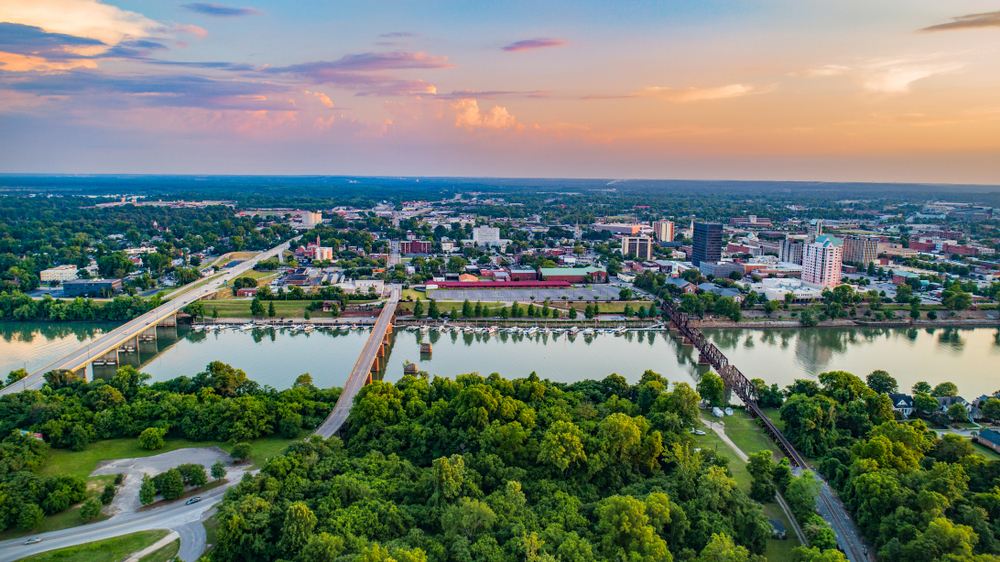
Augusta tends to get attention once a year for the Masters, then fades back into the background. That’s part of its appeal. The city has a stable employment base tied to healthcare, the military, and education, which keeps housing demand steady without dramatic swings.
Prices haven’t spiked the way they have in other Southern cities. Buyers can still find single-family homes at reasonable price points, and rental demand stays consistent thanks to a rotating population tied to nearby bases and hospitals.
3. Pueblo, Colorado
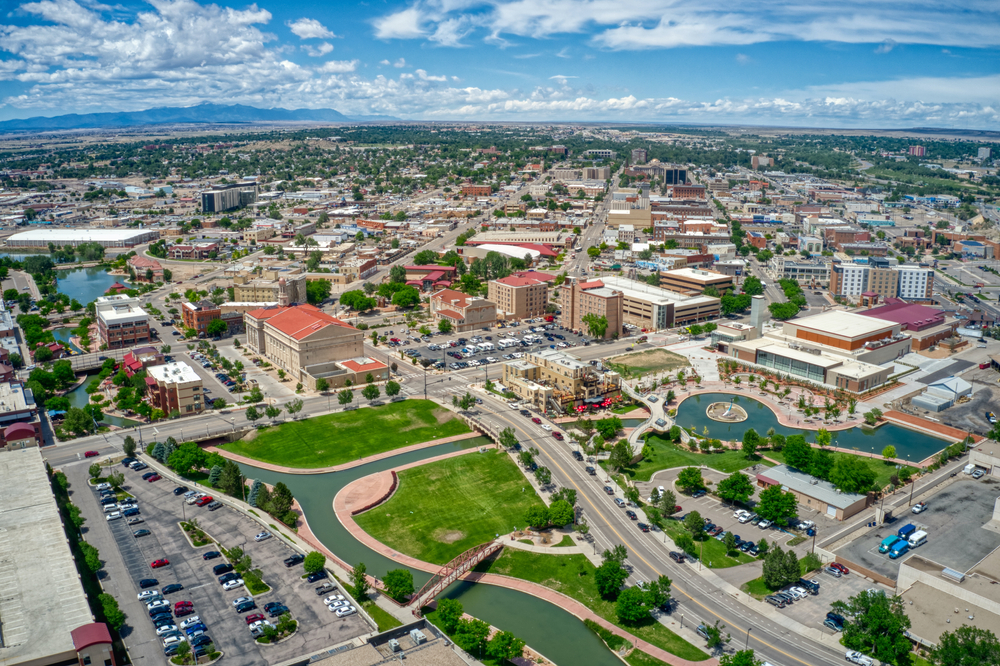
Pueblo sits south of Colorado Springs and well below Denver’s price tier, which has made it increasingly attractive to buyers priced out of the Front Range. According to housing market analysis cited by Zillow and the Colorado Association of Realtors, Pueblo has seen rising interest without the runaway pricing seen elsewhere in the state.
The appeal is simple: Colorado access without Colorado prices. The market is being driven by long-term residents and relocations, not short-term speculation. That keeps growth slower, but also more durable.
4. Scranton, Pennsylvania
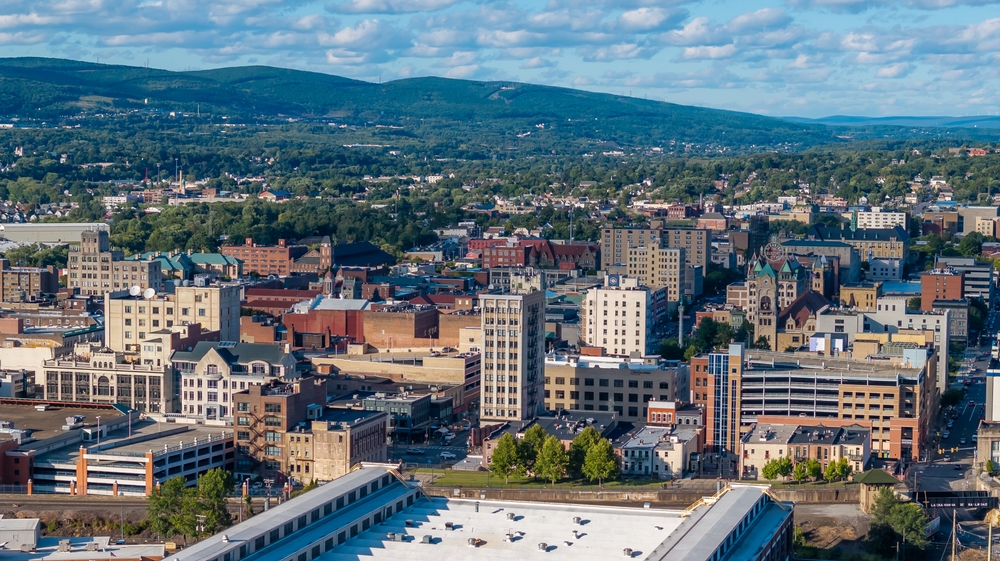
Scranton has become a landing spot for buyers leaving more expensive parts of the Northeast. Its housing stock is older but affordable, and the city benefits from proximity to larger job markets without sharing their price levels.
What stands out right now is balance. Prices have risen, but not dramatically. Buyers still have room to negotiate, and demand is tied to livability rather than hype. It’s a market where ownership still feels attainable.
5. Fort Wayne, Indiana
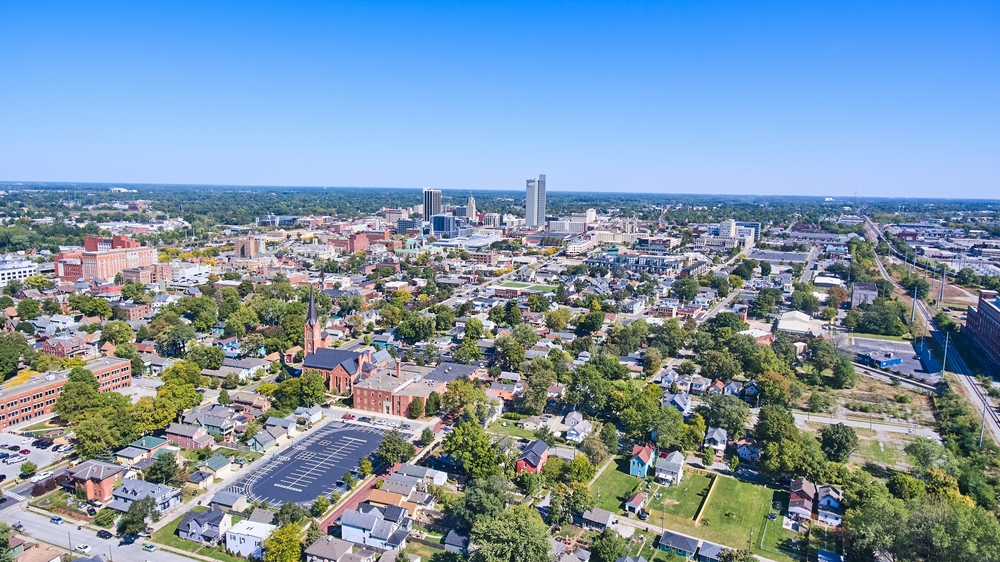
Fort Wayne has one of those markets that doesn’t make headlines, which is exactly why it works. Home prices remain modest, inventory hasn’t vanished, and demand is driven mostly by local employment in healthcare, manufacturing, and logistics. According to data from Realtor.com and the Indiana Association of Realtors, Fort Wayne continues to post stable sales without extreme price swings.
Buyers like the lack of pressure. You can still take time to inspect, negotiate, and walk away if something doesn’t add up. That alone puts it ahead of many “hot” markets.
6. McAllen, Texas
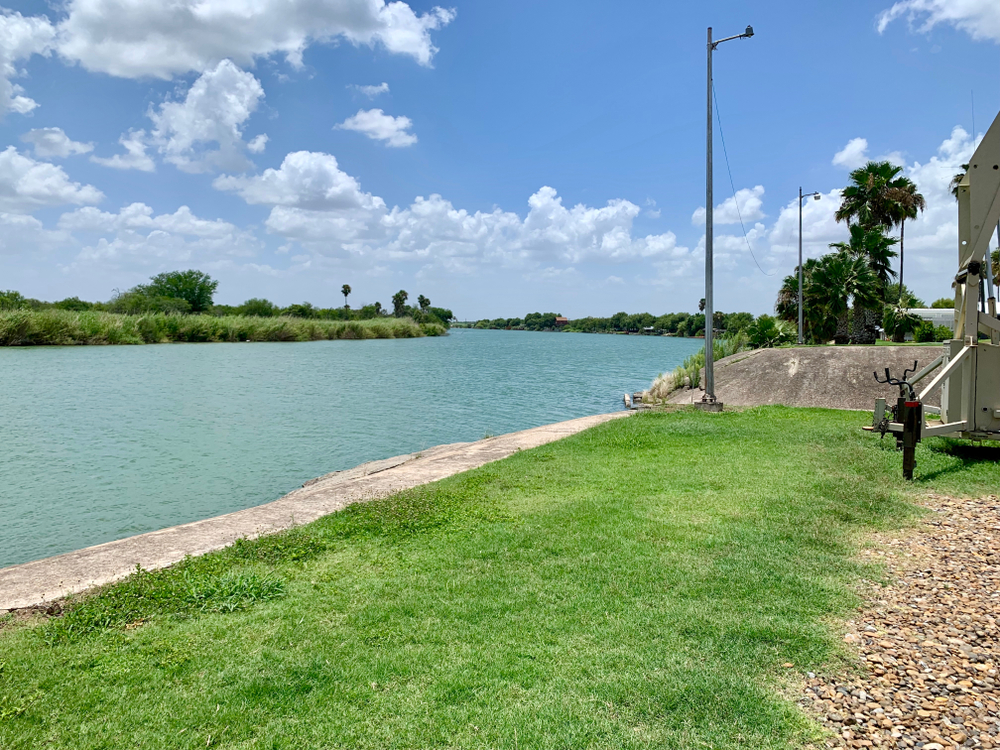
McAllen sits at the southern tip of Texas and often gets overlooked in favor of bigger metros. The region benefits from cross-border commerce, healthcare growth, and a steady population base that supports housing demand without dramatic booms. Prices remain far below the Texas average.
Buyers aren’t chasing quick appreciation here. They’re buying because monthly payments stay manageable, and rental demand is consistent. It’s a market built around everyday affordability, not speculation.
7. Lansing, Michigan
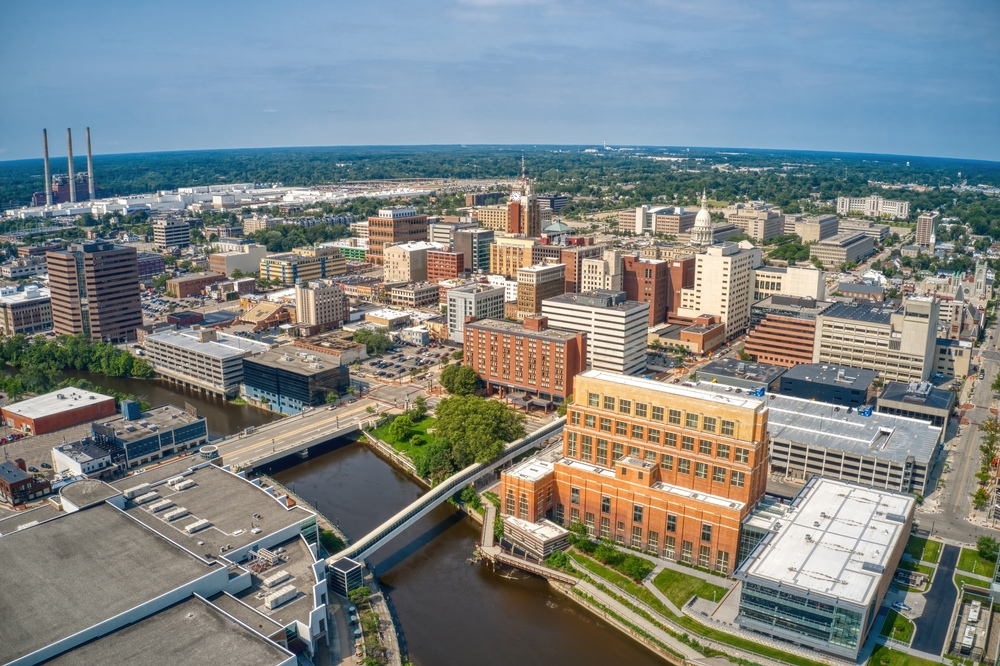
Lansing doesn’t get the attention that Ann Arbor or Grand Rapids does, but that’s helped keep prices grounded. According to housing market data from Redfin and Michigan State University economic analysis, the city benefits from stable employment tied to government, education, and healthcare, which cushions housing demand during slowdowns.
That stability shows up in pricing. Homes still move, but buyers aren’t forced into rushed decisions. For people looking to buy and hold, Lansing offers predictability that many faster markets lack.
8. Florence, Alabama
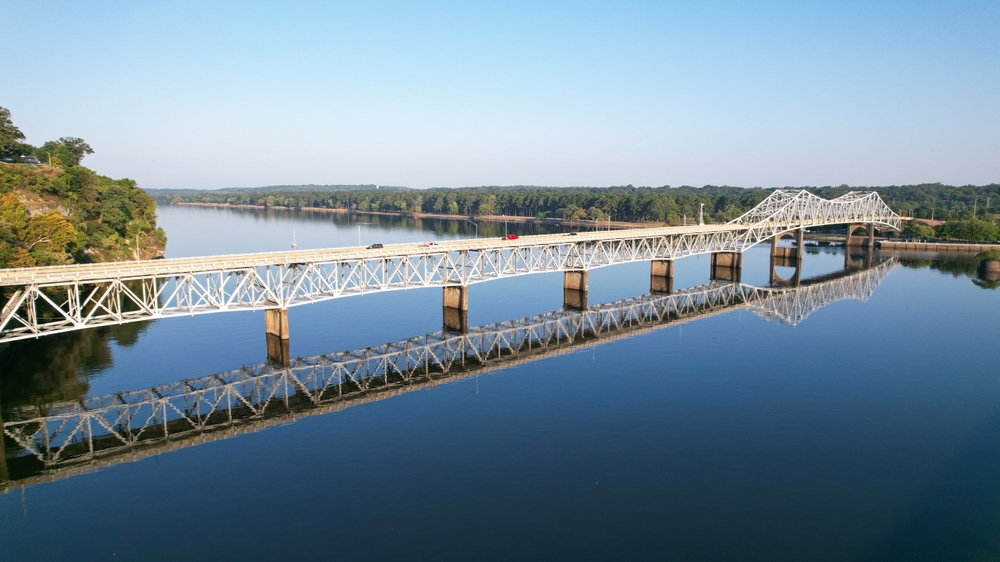
Florence sits along the Tennessee River and has quietly attracted buyers looking for lower costs and slower growth. The area benefits from a mix of manufacturing, education, and healthcare jobs that support steady housing demand. Prices have risen, but from a low enough base to remain approachable.
Buyers aren’t competing with investors or large inflows of remote workers. The market moves at a pace that still feels human.
9. Rockford, Illinois
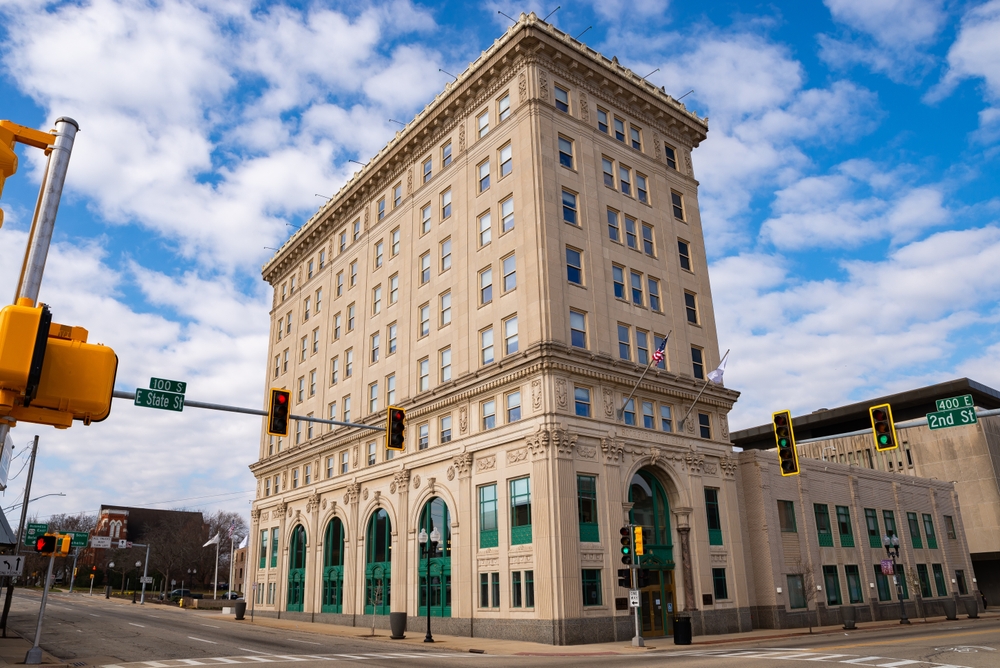
Rockford has spent years shaking off its reputation, and the housing market reflects that reset. Prices remain low compared to nearby metros, but demand has stabilized thanks to healthcare, manufacturing, and logistics jobs. Buyers aren’t rushing in, which keeps competition manageable.
The market has already corrected from past declines, but it hasn’t been overrun by speculative buying. That gives purchasers a chance to buy without betting on unrealistic growth.
10. Wichita, Kansas
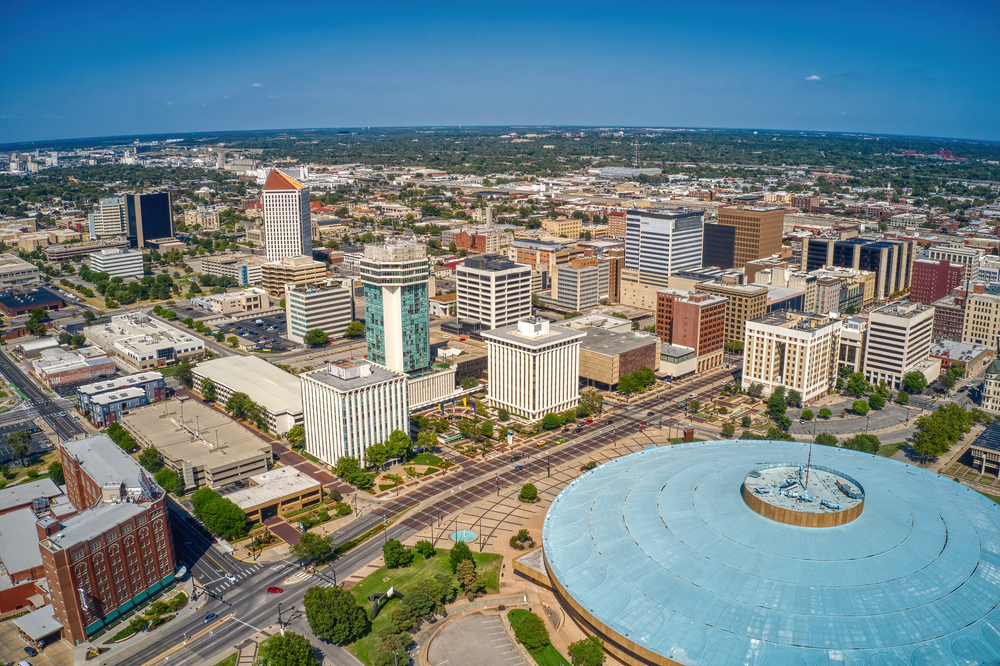
Wichita’s economy is tied to aviation, healthcare, and manufacturing, which keeps housing demand steady even when national trends wobble. Home prices remain well below the national median, and inventory hasn’t collapsed the way it has in faster-moving markets.
Buyers here are usually locals or long-term residents, not short-term investors. That keeps prices anchored to wages. It’s a market that rewards people planning to stay rather than flip.
11. Roanoke, Virginia
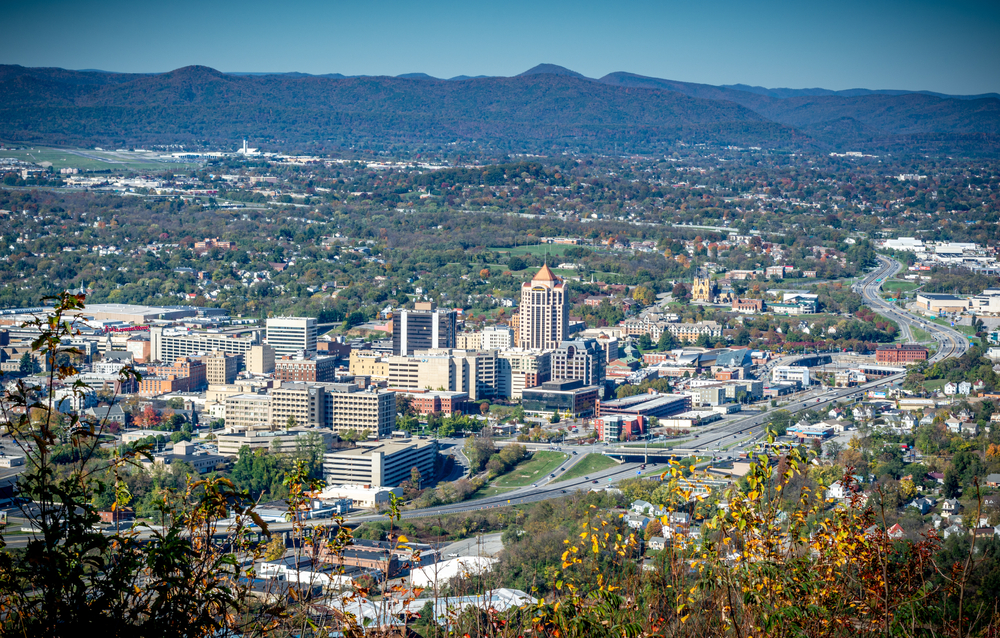
Roanoke offers a mix of affordability and livability that’s become harder to find. The city benefits from healthcare, education, and regional employers that provide consistent demand without explosive growth. Prices have risen, but not out of proportion to local incomes.
Homes don’t sit forever, but buyers still have room to think. That middle ground is rare.
12. Erie, Pennsylvania
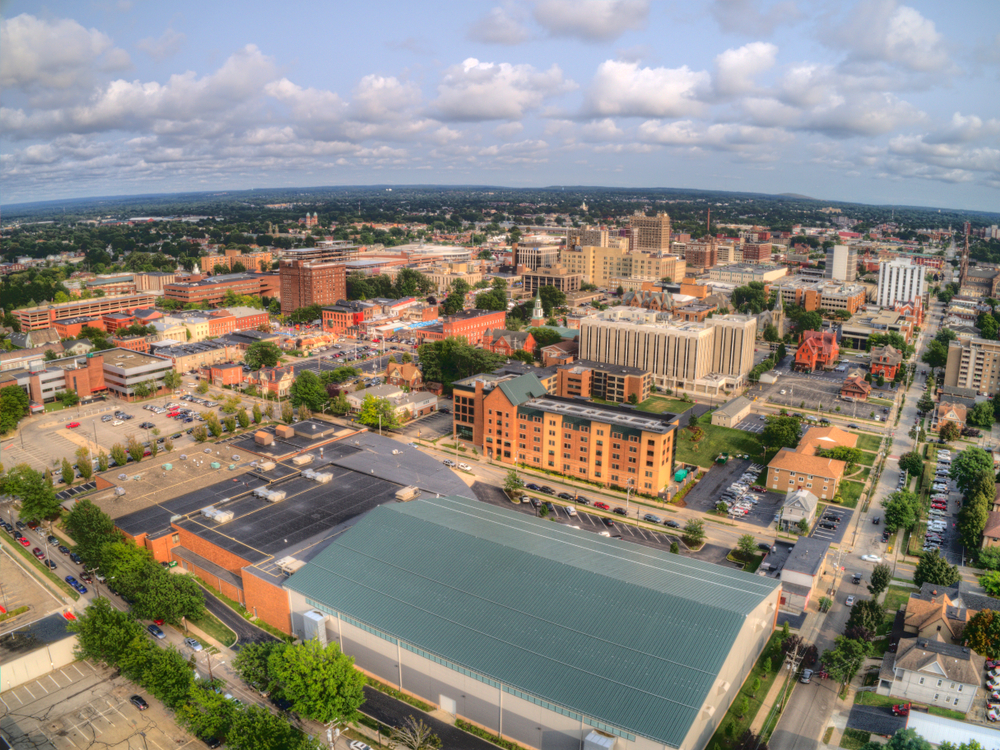
Erie remains one of the more affordable markets in the Northeast, especially compared to nearby states. Housing demand is driven by local employment and downsizers rather than outside speculation. Prices have held steady without dramatic spikes.
For buyers, that translates to predictability. Monthly costs stay reasonable, and ownership doesn’t feel like a gamble. It’s not flashy, but it’s workable.
13. Yakima, Washington

Yakima is outside Washington’s most expensive corridors and benefits from agriculture, food processing, and regional trade. Home prices are far lower than those in Seattle or the Puget Sound area, but demand remains consistent.
Buyers priced out of western Washington increasingly look east, and Yakima offers one of the more stable options. Growth has been measured, not frantic, which keeps the market approachable.
This article is for informational purposes only and should not be construed as financial advice. Consult a financial professional before making investment or other financial decisions. The author and publisher make no warranties of any kind.