

The purchases made sense in the moment. The timing felt right, the explanation was solid, and the intention was genuine. What changes isn’t the item—it’s everything around it. Schedules fill up, routines settle in, and the thing that seemed useful slowly becomes, well, not so useful.
1. Large Home Workout Equipment
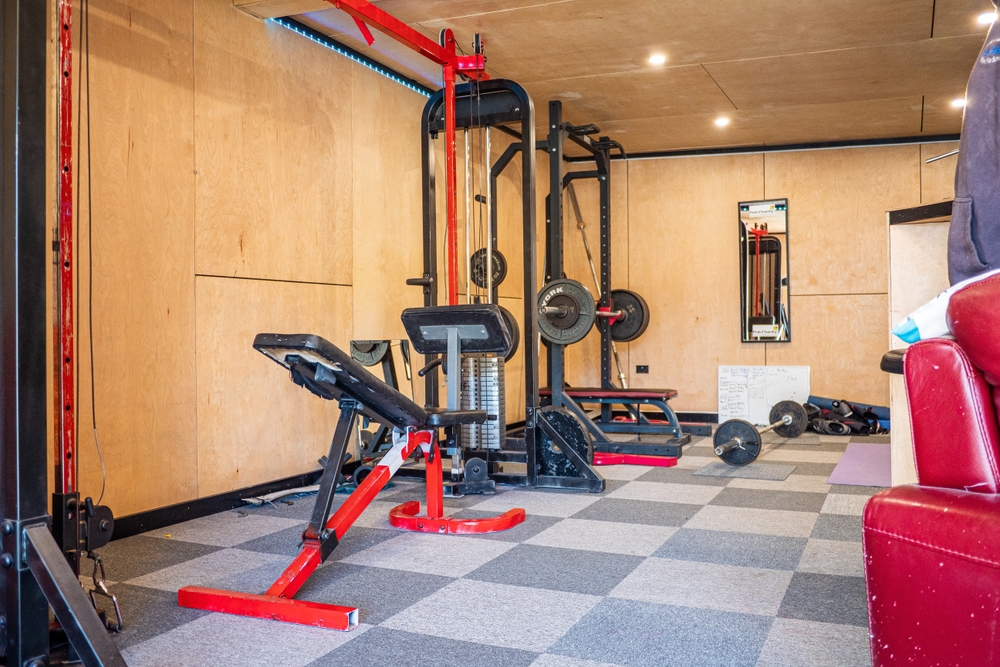
The equipment arrives during a burst of motivation. According to consumer behavior research cited by the American Council on Exercise, people tend to dramatically overestimate how often they’ll use home fitness equipment after the first few weeks. Early use is enthusiastic and visible, then usage drops off quickly.
The equipment stays put, though. It becomes something you walk around, drape clothes on, or promise yourself you’ll get back to when things slow down. It doesn’t disappear—it just stops being part of daily life.
2. A Specialized Tool Bought For One Specific Project
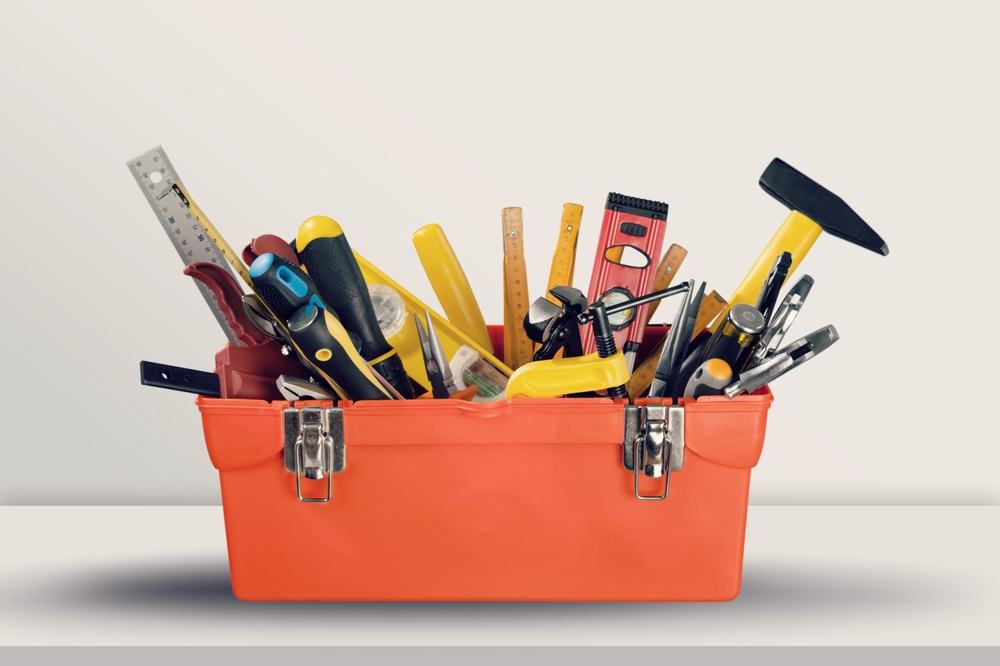
This is the tool purchased for a job that hasn’t happened yet. It’s very good at one narrow task and completely unnecessary for everything else. The logic is sound: I’ll need this eventually.
Eventually just doesn’t arrive. The tool remains unused, but not forgotten. It sits where it can be seen, quietly justifying its own existence.
3. Grill Accessories That Never Leave The Box

Beyond the grill itself, there’s usually a second wave of purchases. Rotisserie kits, pizza stones, smoker boxes, special thermometers, and oddly specific attachments that promise better results. They make sense in theory and look convincing on the shelf.
In practice, most grilling stays simple. Burgers, chicken, maybe vegetables. The accessories stay boxed or tucked into a cabinet, saved for a level of effort that rarely fits into an actual weekend.
4. A High-End Kitchen Knife

The knife is impressive. It’s sharp, heavy, and carefully stored. According to consumer spending data referenced by Statista, premium kitchen tools are often purchased with strong intentions but used far less frequently than everyday cookware.
When dinner needs to happen quickly, the familiar knife comes out instead. The expensive one stays put, admired more than relied on.
5. A Subscription He Forgot About
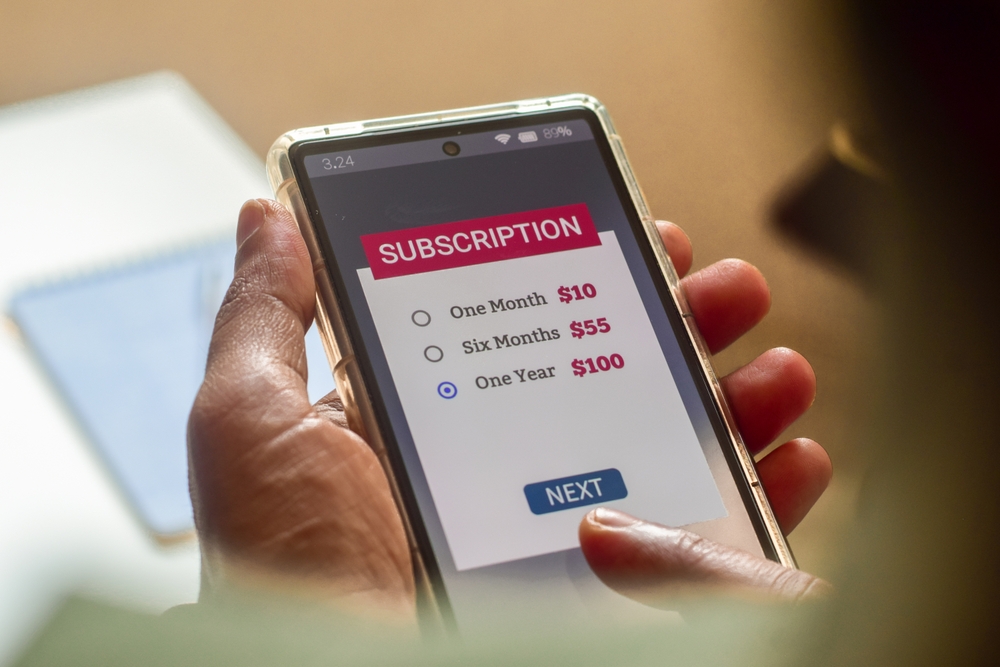
The subscription starts with a free trial or a convincing discount. According to Federal Trade Commission findings on recurring charges, many consumers continue paying for subscriptions they rarely or never use because the cost blends into monthly expenses.
The charge becomes background noise. Canceling requires remembering it exists, logging in, and making a decision. So it stays, quietly renewing.
6. A Suit Bought For Formal Events

The suit comes home after a specific event: a wedding, a funeral, a job interview, or a moment that feels like the start of a more formal phase of life. It fits well enough, gets worn once or twice, and then gets hung carefully in the closet. At the time, it feels like a practical purchase, not an indulgence.
What follows is a long stretch of casual reality. Offices loosen dress codes, events stay informal, and most invitations don’t call for anything more than a button-down. The suit stays pressed, untouched, and slightly optimistic about its future.
7. Outdoor Gear For An Old Hobby

Camping gear, fishing rods, kayaks, hiking packs—these purchases come from a real burst of interest. According to participation data from the Outdoor Industry Association, many adults try new outdoor hobbies enthusiastically but stop participating within a few years, even though they keep the equipment. The gear doesn’t break or wear out; it just stops being used.
It stays because it represents intention. Weekends that never quite aligned, trips that didn’t get scheduled, energy that went elsewhere. The gear waits, packed neatly, like a paused version of a different routine.
8. A Desk Setup Meant To Fix Work Life
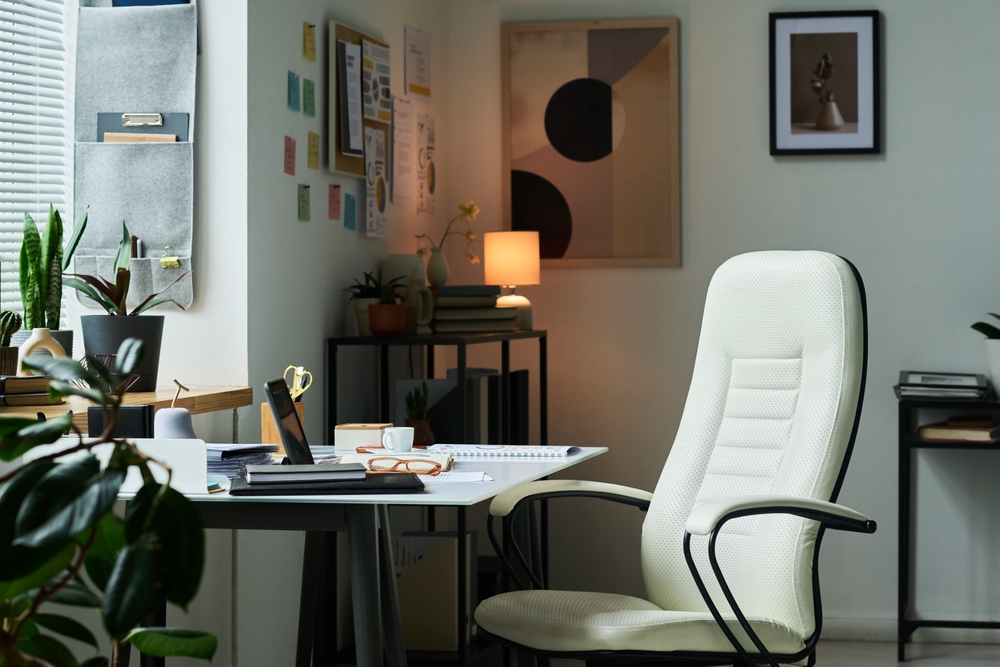
Monitor arms, ergonomic chairs, footrests, and standing desk converters—these show up when work starts feeling uncomfortable or overwhelming. The setup looks impressive once assembled, and for a few days, everything feels slightly better. Adjustments are made. Heights are tweaked.
Then habits take over again. The chair stays where it is. The desk stays seated. The setup remains intact, but the workday looks almost exactly the same as before. Nothing is wrong with the gear; it’s just no longer central to how the day unfolds.
9. A Label Maker
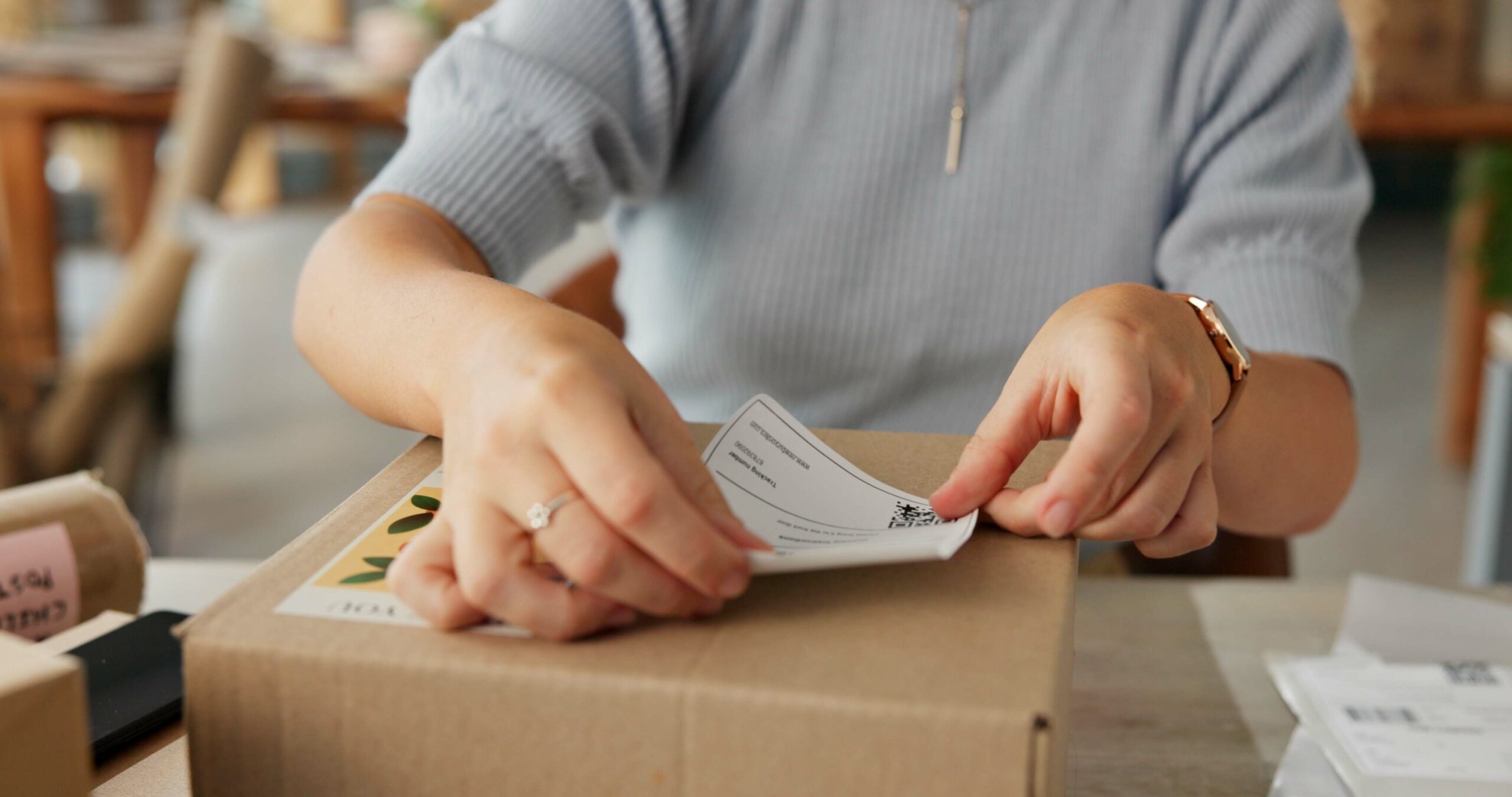
The label maker is bought during a brief, serious moment of organizational intent. Drawers are imagined neatly categorized. Cords will finally be labeled. The pantry will make sense.
It gets used once or twice, then put away. The labels run out, the enthusiasm fades, and the house returns to its original state. The label maker remains functional, unused, and oddly symbolic.
10. A Car Cleaning Kit

This usually includes specialized sprays, microfiber cloths, tire shine, and interior tools. It’s bought with the intention of keeping the car clean “from now on.” The kit feels like a reset.
The car gets cleaned once. Maybe twice. After that, it lives in the trunk while coffee cups, receipts, and dust quietly return. The kit stays untouched, waiting for another reset that doesn’t arrive.
11. A Second Monitor Or Tech Upgrade

The extra screen, upgraded keyboard, or advanced mouse is meant to improve productivity. It gets installed carefully and admired for a few days. The setup looks more serious.
Then work continues largely the same way. The second screen becomes a place for email or music. The upgrade works, but not in the transformative way it was imagined.
12. Supplies For A One-Time Hobby

Wood carving tools, photography accessories, brewing equipment, model kits. The supplies are purchased with optimism and a clear picture of future weekends.
The first attempt happens. Sometimes the second doesn’t. The supplies get stored neatly, not thrown away, because the interest isn’t gone — just inactive.
13. A “Better” Wallet Or Everyday Carry Item

The wallet, key organizer, or sleek everyday carry item is bought to replace something perfectly functional. It’s slimmer, cleaner, more intentional.
It gets used briefly, then quietly swapped back out. The old one fits better, feels more familiar, or holds the things the new one didn’t account for. The upgrade lives in a drawer.
This article is for informational purposes only and should not be construed as financial advice. Consult a financial professional before making investment or other financial decisions. The author and publisher make no warranties of any kind.