


One decade, a product is everywhere; the next, it’s becoming extinct. These aren’t dramatic boycotts or headline-grabbing collapses—they’re quiet retreats, visible mainly in declining sales figures and changing grocery store layouts. Sometimes the reasons are obvious (technology made it obsolete), sometimes they’re more complex (generational preferences shifted, health concerns mounted). Here are the products Americans are steadily walking away from, often without even realizing they’re part of a larger trend.
1. Traditional Breakfast Cereal

The cereal aisle used to be one of the most valuable pieces of real estate in the grocery store. Now it’s shrinking. Sales of cold cereal have been in a decades-long decline, and the trend shows no sign of reversing. Except for a brief bump during the pandemic when people had time to sit down for breakfast, Americans have been steadily abandoning their Corn Flakes and Froot Loops.
The reasons are multiple: busier mornings that favor grab-and-go options, concerns about sugar content, the rise of protein-focused breakfasts, and generational shifts away from the ritual of cereal-and-milk. Younger consumers in particular have moved toward yogurt, smoothies, breakfast sandwiches, or simply skipping the meal entirely. The cereal giants are scrambling with innovations like high-protein versions and interesting flavor mashups, but the fundamental habit of pouring cereal into a bowl has lost its grip on American mornings.
2. Cable Television Packages

According to industry data, cable TV penetration peaked at around 88 percent in 2010. By 2024, it had dropped below 50 percent, with some estimates putting it as low as 38.5 percent. The cord-cutting phenomenon has accelerated beyond what the industry expected, with streaming services now accounting for the majority of viewing time. In May 2025, streaming hit 44.8 percent of total TV viewership, topping the combined share of cable and broadcast for the first time.
The economics drove the exodus. Cable packages became expensive, often exceeding $100 monthly for channels people never watched. Streaming offered flexibility, lower prices, and no contracts. The final holdouts tend to be older viewers attached to live sports and news, but even that advantage is eroding as major leagues move their broadcasts to streaming platforms. Cable isn’t dead yet, but its trajectory suggests it’s becoming a niche product rather than a household default.
3. Dairy Milk

Americans drink 47 percent less milk than they did in 1975. The decline has been consistent across every decade, with the sharpest drop occurring in the 2010s when daily per capita consumption fell over 20 percent. Children, who were once the primary milk consumers, have shown the steepest decreases—their consumption dropped from 1.07 cups per day in the early 2000s to 0.79 cups by the late 2010s.
The reasons extend beyond competition from plant-based alternatives, though oat milk and almond milk have certainly taken some market share. Broader shifts in beverage preferences toward bottled water, a decline in cereal consumption (which historically drove milk purchases), and generational changes in breakfast habits all contribute. Government efforts to encourage milk drinking through school programs haven’t reversed the trend. Dairy farmers have adapted by shifting production toward cheese and yogurt, but fluid milk as a daily staple is fading.
4. Cigarettes

Cigarette sales have been declining for decades, but the pace has accelerated dramatically. Sales declined from 9.23 billion packs in 2016 to 5.61 billion packs in 2024—a drop of nearly 40 percent in eight years. Premium brands that once dominated the market have seen the steepest recent declines, falling almost 11 percent annually between 2021 and 2024 as price-conscious smokers traded down or quit entirely.
Public health campaigns, smoking bans, tax increases, and generational attitudes have combined to make cigarettes increasingly socially unacceptable. Younger generations smoke at far lower rates than their parents and grandparents did. Some former smokers have switched to vaping or nicotine pouches, but many have simply quit nicotine altogether. The remaining smokers skew older and lower-income, and as that cohort ages out, cigarette consumption will continue its steep decline.
5. Print Newspapers

The U.S. lost an average of two newspapers per week between late 2019 and May 2022, leaving an estimated 70 million Americans in news deserts or areas at high risk of becoming one. Weekday circulation had already fallen dramatically before that accelerated closure rate, and advertising revenue—once the financial backbone of the industry—has largely migrated to digital platforms.
The decline isn’t just about business models; it’s about habits. People get news from their phones now, often through social media or aggregator apps. The tactile experience of reading a physical newspaper has become a specialty interest rather than a daily routine. Some prestige publications have successfully transitioned to digital subscriptions, but local and regional papers—the ones that covered school boards and city councils—have been devastated. The product still exists, but its reach and influence have fundamentally contracted.
6. Sugary Soft Drinks

Soda consumption has been falling for years, with particularly steep declines among younger consumers. Teenagers now drink 60 percent less soda than they did 15 years ago. The broader population has followed, with soft drink consumption hitting its lowest point since the mid-2010s as Americans swap carbonated sugar water for bottled water, coffee drinks, and other alternatives.
Health concerns drive much of the shift. Awareness of sugar’s role in obesity and diabetes has made regular soda seem less like a refreshment and more like an indulgence requiring justification. Soda taxes in some cities added financial disincentive. The major beverage companies have adapted by acquiring water brands, coffee companies, and energy drink makers, essentially following their customers away from the core product that built their empires.
7. Traditional Office Attire

The pandemic accelerated a trend that was already underway: Americans are buying far less formal work clothing. Sales of suits, ties, dress shoes, and traditional office wear collapsed during lockdowns and haven’t recovered to pre-pandemic levels. Three-quarters of consumers are trading down in their clothing purchases, and the categories hit hardest are those associated with old-school workplace dress codes.
Remote and hybrid work arrangements made business casual the new ceiling rather than the floor. Even workers who returned to offices found dress codes relaxed or eliminated. Younger workers, who never developed the habit of maintaining a formal work wardrobe, see little reason to start. Brands that built their identity around suiting and formal wear have scrambled to reposition toward casualwear, acknowledging that the market they once dominated has permanently shrunk.
8. Alcoholic Beverages

Alcohol sales volume dropped nearly 3 percent in the first half of 2024 compared to the same period in 2023, with declines across all major categories, including wine, beer, and spirits. Major producers have reported significant losses, and industry giants are watching their core products lose appeal to younger consumers who are increasingly drinking-averse. A 2023 Gallup poll found that only 62 percent of adults under 35 reported drinking, down 10 percentage points from two decades ago.
Gen Z is leading the shift, with nearly two-thirds saying they plan to drink less in 2025 and a significant portion pursuing a completely dry lifestyle. Health consciousness, the rise of non-alcoholic alternatives, and changing social norms around drinking have combined to make alcohol feel less essential to social life. The “sober curious” movement has gone mainstream, and functional beverages promising mood or energy benefits without intoxication are capturing market share from traditional drinks.
9. Physical Media

DVDs, Blu-rays, and CDs have become niche products for collectors rather than mainstream entertainment purchases. Streaming services eliminated the need to own physical copies of movies and music, and most consumers made the switch without looking back. Video rental stores are extinct, and the media sections of big-box retailers have shrunk to a fraction of their former size.
The transition happened gradually, then completely. Once streaming libraries became comprehensive enough and internet connections fast enough, the convenience factor overwhelmed any attachment to physical ownership. Younger consumers who grew up with streaming often don’t even have devices capable of playing physical media. The products still exist for audiophiles and movie collectors, but mass-market physical media is essentially over.
10. Single-Use Plastic Items

Plastic straws, bags, and utensils have seen significant sales declines as both consumer preferences and regulations have shifted. Many municipalities have banned single-use plastics, and even where they remain legal, consumer demand has softened as environmental awareness has grown. Restaurants and retailers have switched to paper, bamboo, or reusable alternatives.
This shift is driven by a combination of top-down regulation and bottom-up consumer pressure. Visible images of plastic pollution have made these items feel morally fraught in ways they didn’t a decade ago. While the environmental impact of individual consumer choices is debatable, the market has responded to the perception that single-use plastics are problematic. Products that were once unquestioned conveniences now require justification.
11. Department Store Clothing
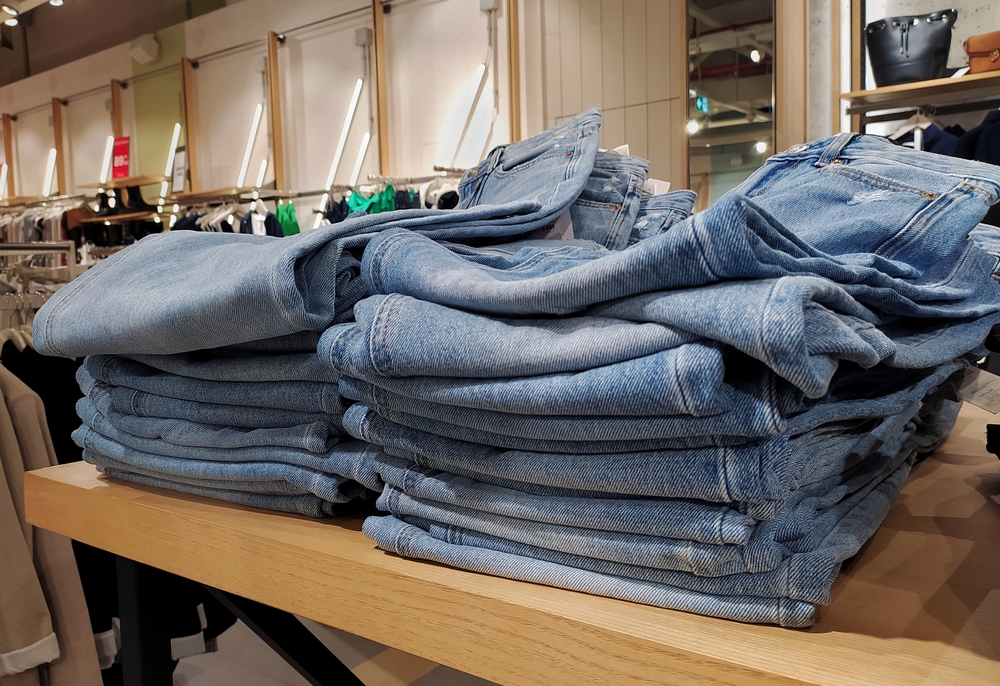
Traditional department stores have been hemorrhaging customers for years, and their clothing departments have been particularly hard hit. Consumers have migrated to fast fashion, direct-to-consumer brands, resale platforms, and specialty retailers—anywhere but the department store model that once dominated American retail. Store closures have accelerated as anchors abandon malls.
The decline reflects both changed shopping habits and changed product expectations. Department stores offered breadth but not depth, moderate prices but not bargains. Younger consumers who want either extreme value (Shein, thrift stores) or specific brand experiences (Nike, Lululemon) find department stores satisfy neither need. The format persists but serves an aging, shrinking customer base.
12. Landline Telephones

Residential landlines have become almost quaint. The majority of American households now have no landline at all, relying entirely on mobile phones. The transition happened so gradually that many people don’t remember exactly when they stopped paying for home phone service—they just realized one day that they hadn’t used it in years.
The remaining landline users skew older and rural, where cell coverage may be unreliable. For everyone else, the redundancy simply didn’t make sense. Why pay for two phone services when one works everywhere? Businesses have been slower to abandon landlines, but even commercial use is declining as internet-based phone systems take over. The physical telephone handset, once a centerpiece of home communication, has essentially disappeared from modern households.
13. Mall Retail In General
Americans aren’t just buying less of specific products—they’re buying less from the entire mall retail ecosystem. Foot traffic has declined year over year, anchor stores have closed, and the enclosed shopping mall has gone from cultural center to endangered species. The products that thrived in that environment—impulse purchases, browsing-driven apparel, food court meals—have all contracted.
E-commerce captured the convenience shoppers. Specialty retailers and direct-to-consumer brands captured the intentional shoppers. What’s left for malls is an experience that fewer people want: parking, walking, crowds, and the effort of trying things on when you could just order three sizes and return two. The decline isn’t about any single product but about a whole mode of consumption that no longer fits how Americans want to shop.
This article is for informational purposes only and should not be construed as financial advice. Consult a financial professional before making investment or other financial decisions. The author and publisher make no warranties of any kind.