


“Gold digger” is one of the laziest accusations in pop culture—and one of the most durable. It’s rarely applied evenly, and almost never considers power dynamics, age gaps, or the fact that wealth itself changes who has access to whom. In most cases, the label says far more about cultural discomfort with female ambition than it does about money. These are some of the most high-profile women who’ve been tagged with it anyway.
1. Anna Nicole Smith

Anna Nicole Smith became the most infamous “gold digger” archetype after marrying 89-year-old oil tycoon J. Howard Marshall. The narrative flattened her into a caricature: a young blonde trading affection for inheritance. The media rarely acknowledged that Marshall pursued her aggressively or that she was open about the transactional nature of their relationship.
Coverage from outlets like Time and The New York Times later complicated the story, noting how ageism, misogyny, and class resentment shaped public reaction. Smith was ridiculed for participating in a system that quietly benefits men every day—she was just too visible about it.
2. Kimora Lee Simmons
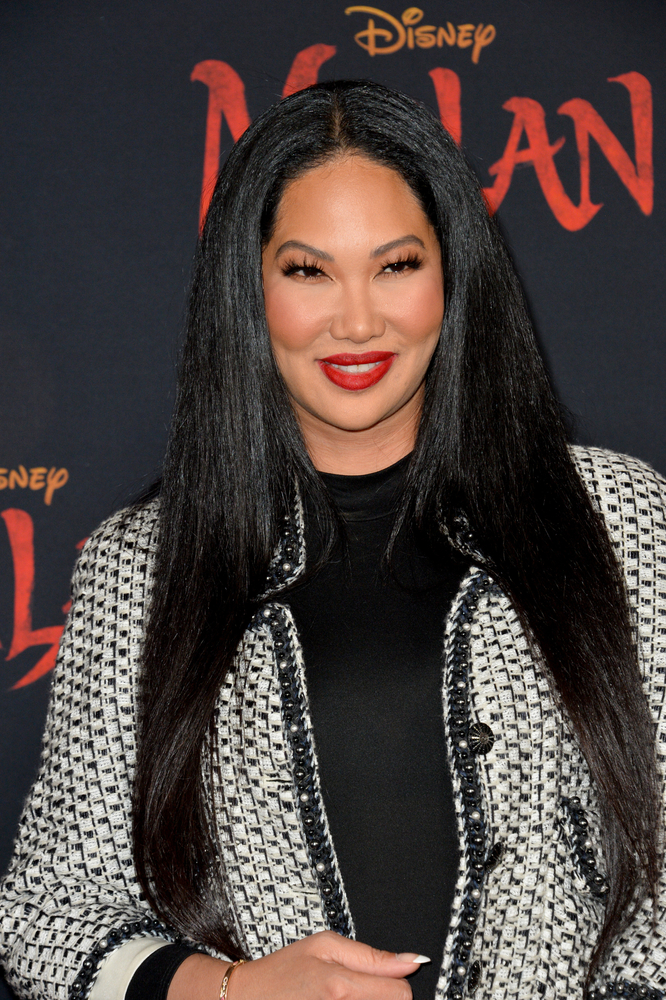
Kimora Lee Simmons has often been framed as someone who married into wealth through her relationship with Def Jam founder Russell Simmons. Early media coverage leaned heavily on the idea that her lifestyle and influence were handed to her, minimizing her role in building fashion brands and cultural capital alongside him.
What that framing ignored was how visibly she worked within—and then beyond—that marriage. Long after the relationship ended, Simmons continued to expand her businesses independently, revealing how easily ambition gets misread as opportunism when a woman’s success intersects with a powerful man.
3. Meghan Markle

From the moment her relationship with Prince Harry became public, Meghan Markle faced insinuations that she was leveraging romance for status and security. British tabloids were especially aggressive, framing her ambition and independence as evidence of ulterior motives.
Studies cited by the Reuters Institute for the Study of Journalism later highlighted how racial bias intensified media scrutiny of Markle compared to other royal partners. The “gold digger” label functioned as a socially acceptable way to question her legitimacy and belonging.
4. Amber Heard
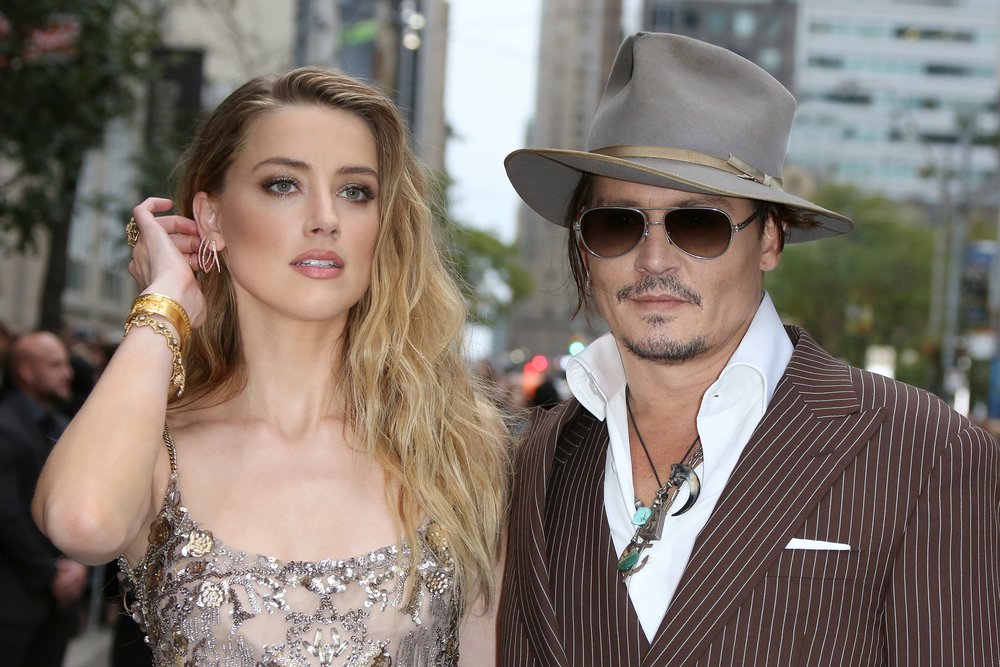
During and after her relationship with Johnny Depp, Amber Heard was frequently accused of marrying for financial gain, especially amid highly publicized legal battles. The claim persisted even as details of mutual wealth, prenups, and career earnings were widely available.
The accusation stuck because it fit a familiar storyline. When relationships end publicly and expensively, women are often cast as opportunists regardless of the financial reality.
5. Kim Kardashian

Early in her rise to fame, Kim Kardashian was often dismissed as someone who attached herself to wealthy or powerful men to climb socially. Her relationships were framed as strategic rather than personal, even as she built businesses that eventually eclipsed many of her partners’ fortunes.
Coverage from Forbes tracking her shift from reality TV figure to billionaire entrepreneur complicated that narrative. The accusation lingered anyway, largely because ambition in women is still more comfortably explained as manipulation than strategy.
6. Courtney Stodden

When Courtney Stodden married actor Doug Hutchison at 16, the public reaction focused almost entirely on accusations of gold-digging. The age gap and power imbalance were often treated as secondary to the assumption that money was the primary motivation.
Only years later did the conversation shift toward exploitation and consent. The original label revealed how quickly people default to blaming young women rather than interrogating the adults with vastly more power in the situation.
7. Yoko Ono

Yoko Ono has long been accused of attaching herself to John Lennon for fame, money, or influence, a narrative that has persisted for decades. The stereotype reduced her to a disruptive outsider rather than an established artist with her own career.
Music historians and cultural scholars, including those cited by the Rock & Roll Hall of Fame, have documented how misogyny and xenophobia shaped Ono’s portrayal. The “gold digger” framing functioned as an easy way to dismiss her creative and personal legitimacy.
8. Erika Jayne
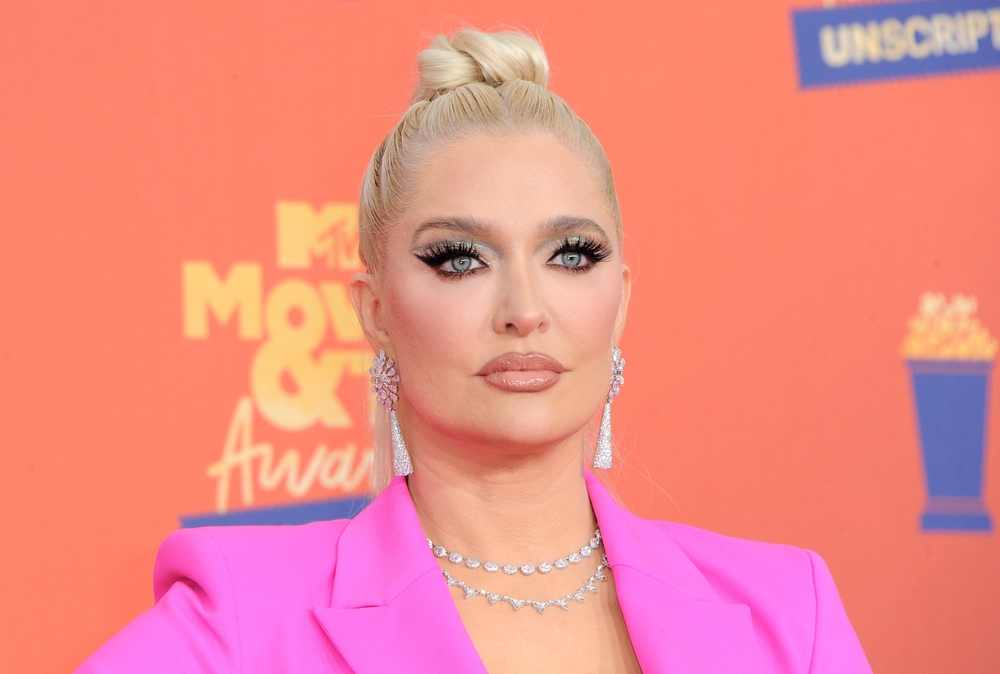
As a cast member on The Real Housewives of Beverly Hills, Erika Jayne’s marriage to powerful attorney Tom Girardi fueled constant speculation that her lifestyle was entirely funded through opportunism. When legal scandals emerged, the accusation intensified.
Public perception rarely accounts for how opaque finances can be within marriages, especially ones built around control and secrecy. The label stuck because it fit a reality-TV archetype viewers already expected.
9. Anna Faris

Despite her own successful acting career, Anna Faris has faced periodic accusations of benefiting financially from relationships with higher-earning partners. The suggestion often ignored her independent income and longevity in Hollywood.
The persistence of the claim reflects how uncomfortable people are with women whose careers coexist alongside powerful men. Even success doesn’t fully shield them from being framed as beneficiaries rather than equals.
10. Sofia Vergara

Sofia Vergara has repeatedly faced insinuations that her relationships were financially motivated, especially when dating or marrying men with comparable or higher net worths. The narrative persisted despite her being one of the highest-paid actresses on television for years.
What often gets erased is how threatening it is, culturally, for a woman to be both glamorous and financially dominant. When people can’t reconcile beauty with autonomy, they default to suspicion.
11. Hailey Bieber

Hailey Bieber has been labeled a gold digger largely because of her marriage to Justin Bieber, despite coming from her own well-connected and financially secure family. The accusation often hinges on proximity to fame rather than any actual financial dependency.
The idea that a woman might genuinely choose a high-profile relationship without ulterior motives remains oddly difficult for people to accept. Wealth and visibility distort assumptions about intent.
12. Camille Grammer

Camille Grammer was frequently portrayed as financially opportunistic during and after her marriage to Kelsey Grammer. Public commentary focused on lifestyle and divorce settlements rather than the dynamics of a long-term marriage that predated much of his later success.
The framing reflected a broader discomfort with women who benefit from marital wealth without remaining quietly grateful. Visibility tends to invite resentment.
13. Gabrielle Union

Even Gabrielle Union—an actress with decades of steady income—has faced subtle insinuations about marrying into wealth through her relationship with Dwyane Wade. The accusation surfaced despite her openly discussing financial independence and shared responsibility.
That reflexive skepticism shows how enduring the stereotype is. For some women, no amount of success fully neutralizes the suspicion that money must be the reason.
This article is for informational purposes only and should not be construed as financial advice. Consult a financial professional before making investment or other financial decisions. The author and publisher make no warranties of any kind.