


Americans are used to paying more than they should, but some prices feel especially disconnected from reality. These aren’t luxury splurges or niche products. They’re ordinary things that quietly became financial headaches without improving much—or at all—in return. The frustration isn’t just the cost. It’s how normalized these prices have become.
1. Concert Tickets (Before You Even Get To The Fees)

The advertised ticket price is rarely what anyone actually pays. By the time service charges, processing fees, and dynamic pricing kick in, a reasonable night out turns into a budgeting decision.
What makes it worse is that the experience itself hasn’t improved much. Seats are tighter, merch is pricier, and the fees feel arbitrary, not value-based.
2. College Textbooks

Textbooks have been notoriously expensive for years, often changing editions just enough to kill resale value. According to reporting by the U.S. Government Accountability Office, textbook prices rose faster than inflation for decades, despite minimal changes in content.
Students end up paying hundreds for materials they’ll use for a single semester. The cost feels especially unnecessary when digital access is restricted or expires after a short window.
3. Health Insurance Deductibles

Paying high monthly premiums used to mean decent coverage. Now, many Americans still face multi-thousand-dollar deductibles before insurance even kicks in. Data from the Kaiser Family Foundation shows deductibles have increased significantly over the past decade, even as coverage quality varies widely.
The result is insurance that’s expensive to carry and expensive to use. For many people, it functions more like catastrophe protection than actual healthcare access.
4. Airport Food

A basic sandwich or bottle of water can cost double or triple what it does outside the terminal. Travelers expect a markup, but the gap often feels punitive rather than reasonable.
The quality rarely justifies the price, and alternatives are limited once you’re past security. Convenience becomes an excuse for pricing that no one would tolerate elsewhere.
5. Childcare

For many families, childcare costs rival or exceed a mortgage payment. Full-time daycare can easily run tens of thousands per year, even in cities that aren’t considered high-cost. The expense hits during years when parents are often earning less than they will later in life.
According to data from Child Care Aware of America, the cost of center-based childcare has risen far faster than wages in most states. What makes it feel especially unjustified is that caregivers themselves are often underpaid, meaning the high cost doesn’t translate into better working conditions or dramatically better care.
6. Wedding Services

The moment the word “wedding” enters the conversation, prices seem to double. Photographers, florists, venues, and even bakers routinely charge more for the same services they offer for other events.
The markup isn’t about extra labor—it’s about expectation. Vendors price in stress, emotional stakes, and the assumption that couples won’t want to shop around once planning is underway.
7. Prescription Drugs

Many common medications cost dramatically more in the U.S. than in other countries, even when they’re produced by the same manufacturers. Research from the RAND Corporation has consistently shown Americans pay several times more for prescription drugs than patients elsewhere.
What makes this especially frustrating is that the price differences rarely reflect innovation or improved outcomes. They reflect a system that allows pricing without meaningful negotiation.
8. Cable And Internet Bundles

Internet access is no longer optional, yet pricing often feels stuck in an era when it was treated as a premium add-on. Introductory rates expire quickly, hidden fees appear, and true alternatives may not exist in many areas.
Consumers end up paying more simply because switching is inconvenient or impossible. The service doesn’t improve, but the bill quietly creeps upward year after year.
9. Basic Home Repairs

Calling a plumber, electrician, or HVAC technician now comes with sticker shock even for minor issues. A short visit can cost hundreds, regardless of whether the fix is simple.
Part of the problem is a shortage of skilled labor, but part of it is opacity. Pricing is often unclear until after the work is done, leaving homeowners little room to compare or plan.
10. Streaming Services
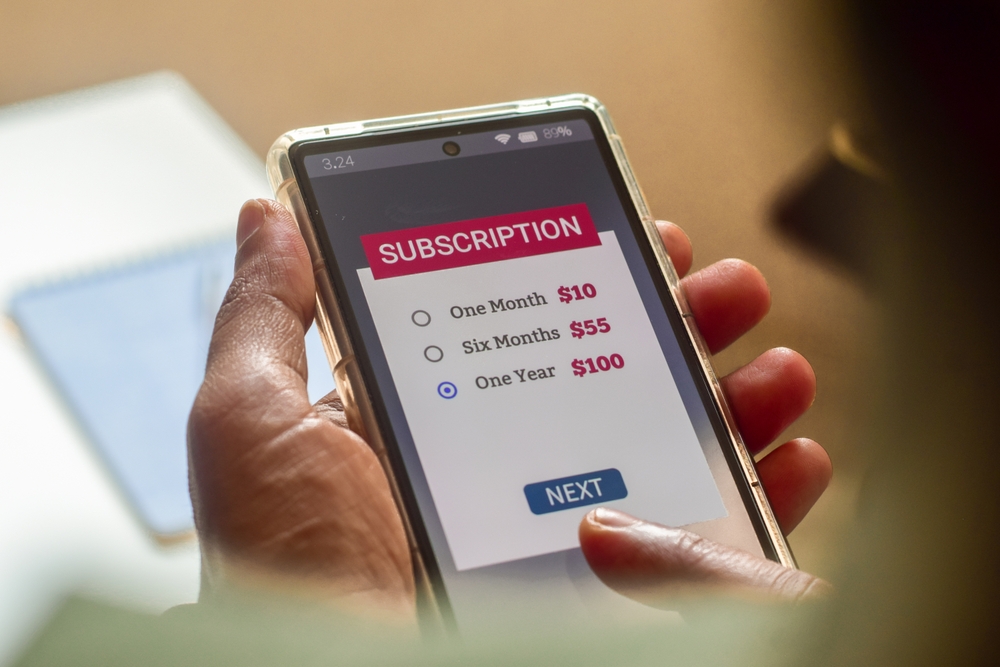
Each individual subscription looks reasonable on its own. But most households don’t have just one anymore—they have several, each creeping up in price while removing content or adding ads.
What started as a cheaper alternative to cable has slowly recreated the same problem. You’re paying more each year just to keep access to things that used to feel included.
11. Used Cars

Used cars were once the smart, cost-conscious option. Now, many are priced only slightly below new models, even with high mileage and fewer protections.
Limited inventory and high demand pushed prices up, but they haven’t come back down in a meaningful way. Buyers are paying a premium without getting much peace of mind in return.
12. College Application Fees

Applying to college isn’t just stressful—it’s expensive before anyone is accepted. Fees stack up quickly, especially for students applying broadly to increase their chances.
The cost creates a quiet barrier, particularly for families already stretched thin. It’s hard to justify charging hundreds of dollars just for the chance to be considered.
13. Bank Fees For Basic Accounts

Monthly maintenance fees, overdraft charges, and minimum balance penalties still exist for accounts offering little more than digital access. Many customers pay simply for the privilege of holding their own money.
The fees don’t reflect improved service or security. They mostly punish people for not meeting arbitrary thresholds.
14. Pet Care

Routine vet visits, medications, and basic procedures have become shockingly expensive. Even preventive care can feel like a major financial event.
People don’t question it because pets feel like family. That emotional attachment makes rising costs easier to accept, even when the increases feel out of proportion to the service.
This article is for informational purposes only and should not be construed as financial advice. Consult a financial professional before making investment or other financial decisions. The author and publisher make no warranties of any kind.