


Soho House made private clubs feel cultural instead of stuffy, but it also made people forget how extreme the upper tier really is. There’s a whole layer of clubs where the money is higher, the rules are quieter, and the barrier to entry isn’t just cash—it’s social positioning. These places don’t advertise. They don’t court influencers. And most people never even hear their names unless they already know someone inside.
1. Core Club (New York City)
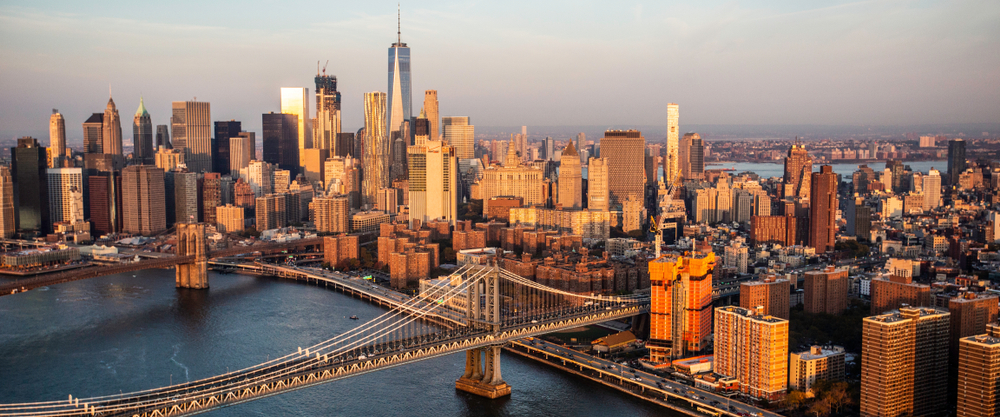
Core Club has long been considered one of the most exclusive private clubs in Manhattan, with initiation fees reported well into the six figures and annual dues that keep climbing. Membership is by invitation only, and even being wealthy isn’t enough—you need sponsors who are already deeply embedded in the club’s social ecosystem.
According to reporting in The New York Times on elite private clubs, Core is designed less as a networking space and more as a controlled environment for people who already have influence. The appeal isn’t access to opportunity—it’s insulation from everyone else.
2. Yellowstone Club (Big Sky, Montana)

The Yellowstone Club is a private ski and golf community where only members are allowed on the mountain. Homes routinely sell for millions, and membership comes with steep initiation fees on top of property ownership.
Coverage from Forbes has described it as a retreat for billionaires who want privacy above all else. The exclusivity isn’t performative—it’s enforced by geography, cost, and strict control over who gets through the gate.
3. The Battery (San Francisco)

The Battery looks approachable on the surface—stylish rooms, a bar, a library—but membership is heavily filtered. Applicants are reviewed by a committee, and many are quietly declined without explanation.
The club attracts tech founders, investors, and executives who want discretion more than visibility. Unlike Soho House, the emphasis isn’t on creative culture—it’s on containment.
4. The Arts Club (London)
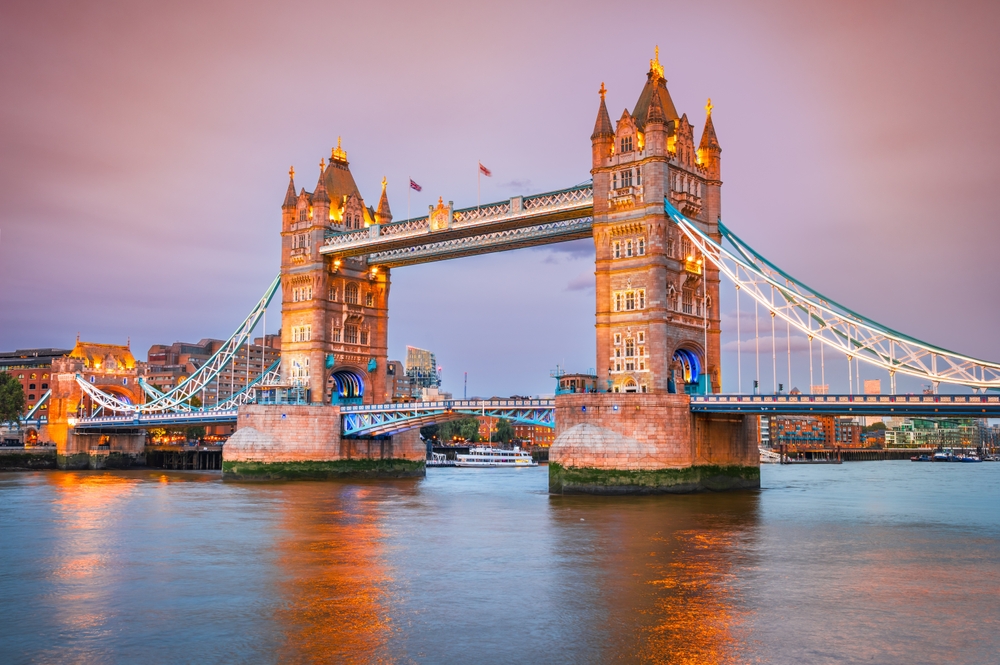
The Arts Club has existed since the 19th century, but its modern incarnation is anything but nostalgic. Membership is tightly controlled, and the waiting list can stretch for years.
It caters to global elites who value legacy and privacy over trendiness. Being famous doesn’t fast-track you here; being known in the right way does.
5. Bohemian Club (California)

The Bohemian Club is one of the most secretive private clubs in the U.S., known for its all-male membership and annual encampment in Northern California. Membership is by invitation only, and the waiting list can stretch for decades.
Reporting from The Atlantic has described the club as a place where political leaders, CEOs, and power brokers socialize far from public view. The cost is high, but the real barrier is access to the social circles that feed the invitation pipeline.
6. Annabel’s (London)
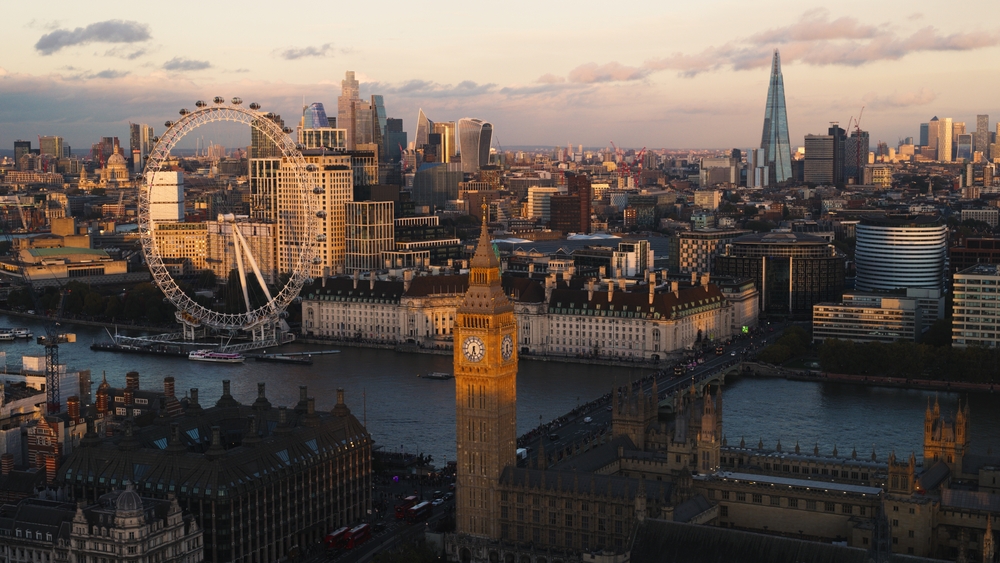
Annabel’s is often mistaken for a glamorous nightlife venue, but it operates more like a tightly controlled social ecosystem. Membership is selective, and even guests are closely scrutinized.
The appeal isn’t exclusivity for its own sake—it’s predictability. Members know exactly who will and won’t be in the room, which is part of the value.
7. Burning Tree Club (Maryland)
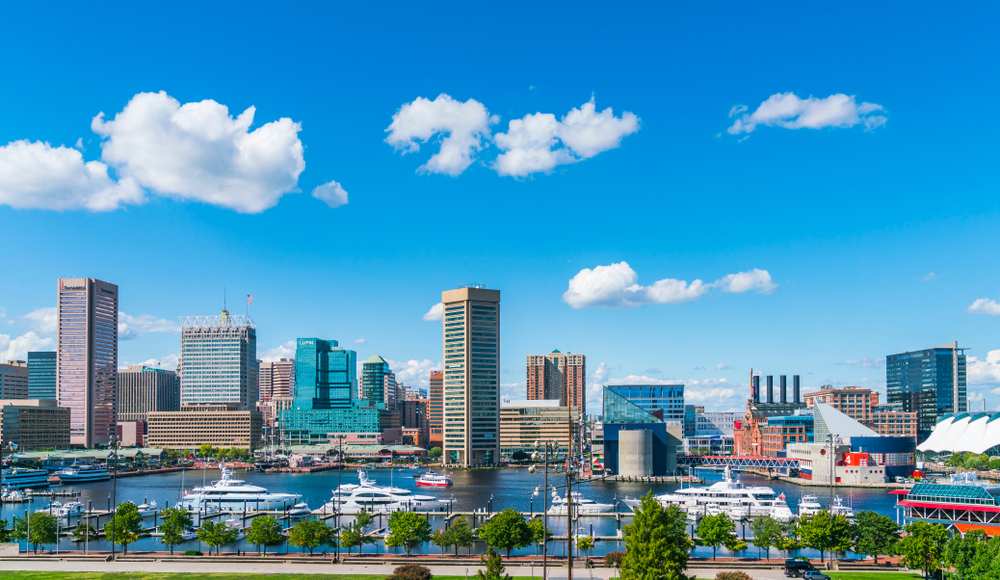
Burning Tree is a private golf club with a reputation for extreme exclusivity and tradition. It has historically restricted membership and operates with a level of privacy that keeps it out of most public conversations.
According to historical reporting from Golf Digest, the club’s appeal lies in its resistance to change. Membership is about continuity and insulation, not access to trend-driven culture.
8. The Groucho Club (London)
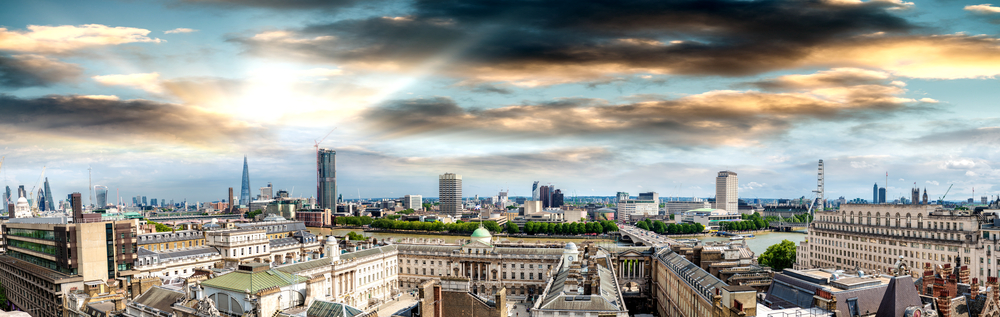
The Groucho Club is often lumped in with creative spaces, but membership approval is selective and reputation-driven. It attracts media executives, artists, and financiers who want social credibility without mass appeal.
The club trades on discretion rather than spectacle. Being seen there matters less than being comfortable staying unseen.
9. The Raintree Club (Hong Kong)

The Raintree Club is a legacy institution tied closely to Hong Kong’s elite families and business leaders. Membership is deeply traditional, and new admissions are rare.
Foreign wealth alone doesn’t guarantee entry. Long-standing social ties and regional influence carry more weight than net worth.
10. The Carnegie Club (New York City)

Located inside the Carnegie Club cigar lounge, this members-only space is deliberately old-school. Membership is tightly controlled, and the atmosphere is built around privacy, not networking optics.
The appeal is insulation. Conversations stay contained, phones stay down, and the room attracts people who already have leverage and don’t need introductions.
11. White’s (London)
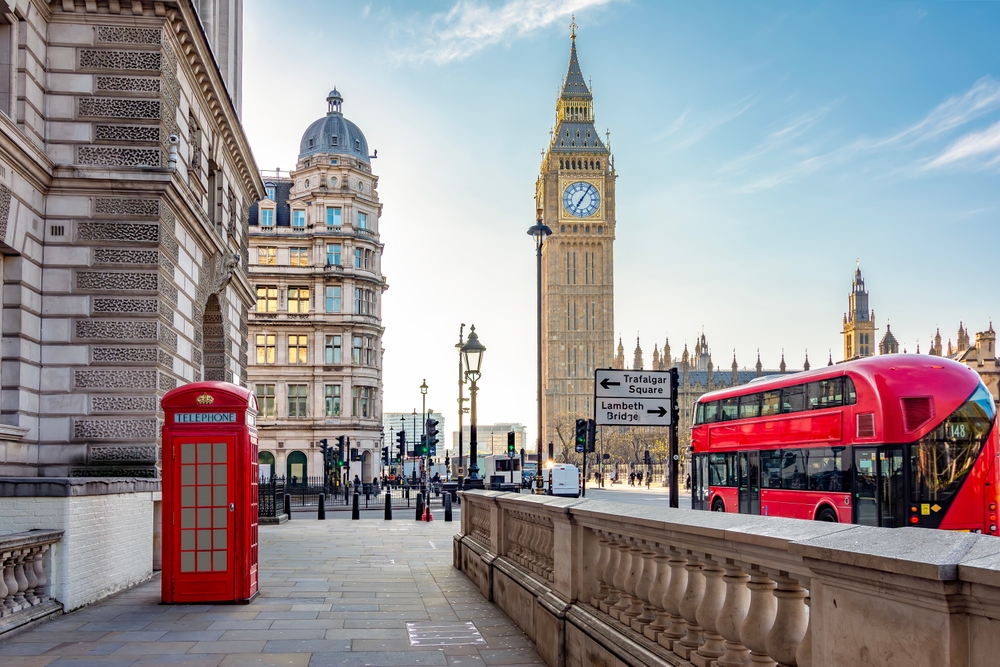
White’s is one of the oldest gentlemen’s clubs in the world, and it still operates with a level of opacity that feels almost anachronistic. Membership requires sponsorship, approval, and patience, and the waiting list can take years.
The club’s value isn’t amenities—it’s continuity. Many members inherit connections rather than seek new ones, which keeps the social ecosystem tightly closed.
12. The Pacific Union Club (San Francisco)

Founded in the 19th century, the Pacific Union Club maintains an extremely selective admissions process rooted in legacy and social standing. It’s less visible than newer clubs, but far more difficult to penetrate.
Wealth alone doesn’t carry much weight here. Longstanding family ties and social history tend to matter more than recent success.
13. Silencio (Paris)

Designed by filmmaker David Lynch, Silencio operates as a cultural club with strict membership limits and limited hours. Entry is controlled, and the space prioritizes atmosphere over accessibility.
The exclusivity comes from curation rather than cost alone. Being aligned with the club’s aesthetic and cultural values matters as much as financial qualification.
14. The Metropolitan Club (Washington, D.C.)

The Metropolitan Club caters to political and institutional power rather than celebrity or creative culture. Membership is invitation-only, with deep roots in government, law, and policy circles.
The appeal is separation. Members can socialize away from public scrutiny, in a setting designed to feel stable and predictable rather than fashionable.
This article is for informational purposes only and should not be construed as financial advice. Consult a financial professional before making investment or other financial decisions. The author and publisher make no warranties of any kind.