


The Beckhams aren’t just famous—they’re a tightly managed, multi-decade business operation. What started with elite sports and pop stardom evolved into licensing deals, fashion, media, real estate, and global influence that far outlasts any single career. The power of the Beckham brand isn’t hype or virality. It’s consistency, control, and an unusual ability to stay relevant without oversharing.
1. The Beckham Name Is Worth Over A Billion Dollars
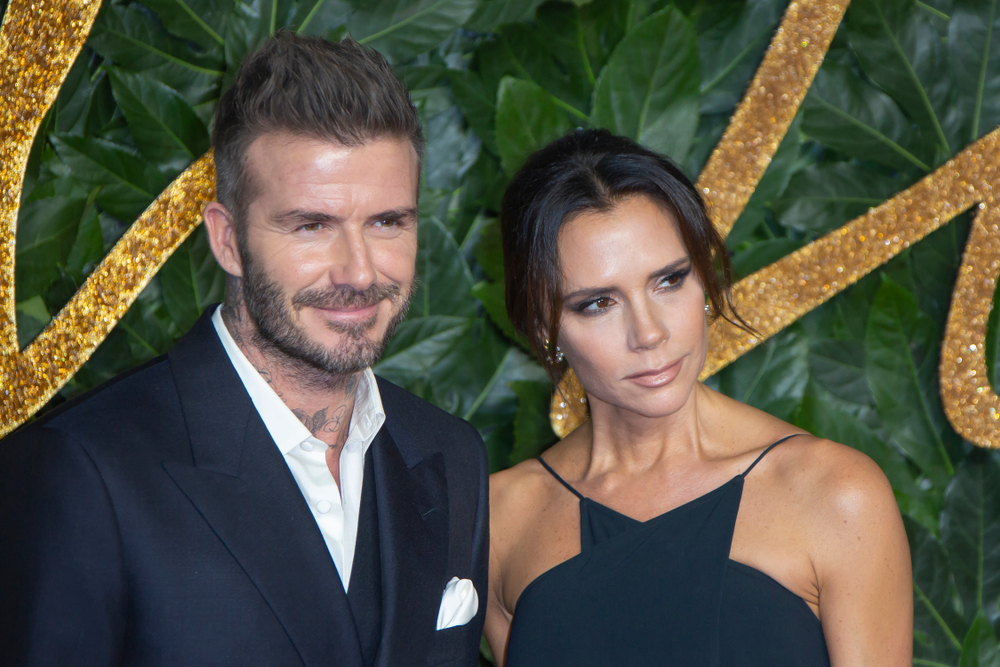
While no single company called “Beckham Inc.” exists, analysts routinely estimate the combined value of David and Victoria Beckham’s business interests at well over a billion dollars. That figure includes endorsements, licensing, equity stakes, and long-term brand partnerships.
According to reporting from Forbes, David Beckham alone has earned hundreds of millions post-retirement through endorsements and ownership stakes, while Victoria’s fashion and beauty ventures add a substantial independent revenue stream. The scale comes from layering multiple income sources, not relying on one blockbuster deal.
2. David Made More Money After He Retired
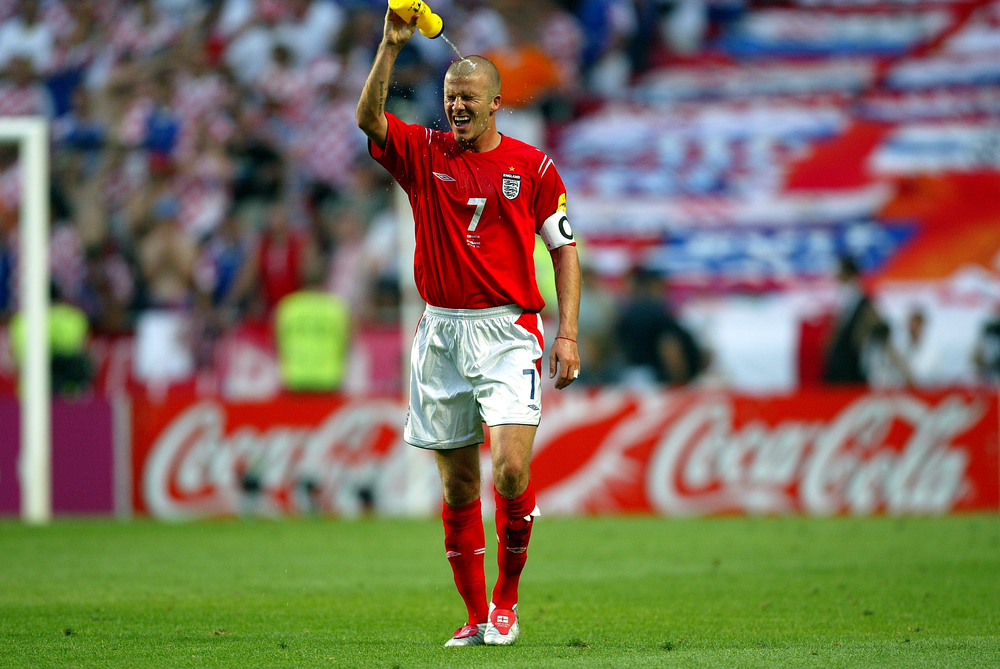
David Beckham made a fortune as a footballer, but his playing salary is a fraction of what he’s earned since retiring. Endorsements, ambassadorships, and licensing deals now dwarf his on-field income.
The shift mattered because it turned athletic fame into a long-term business asset. His public image didn’t end when his career did—it became the main product.
3. His MLS Deal Turned Celebrity Into Ownership
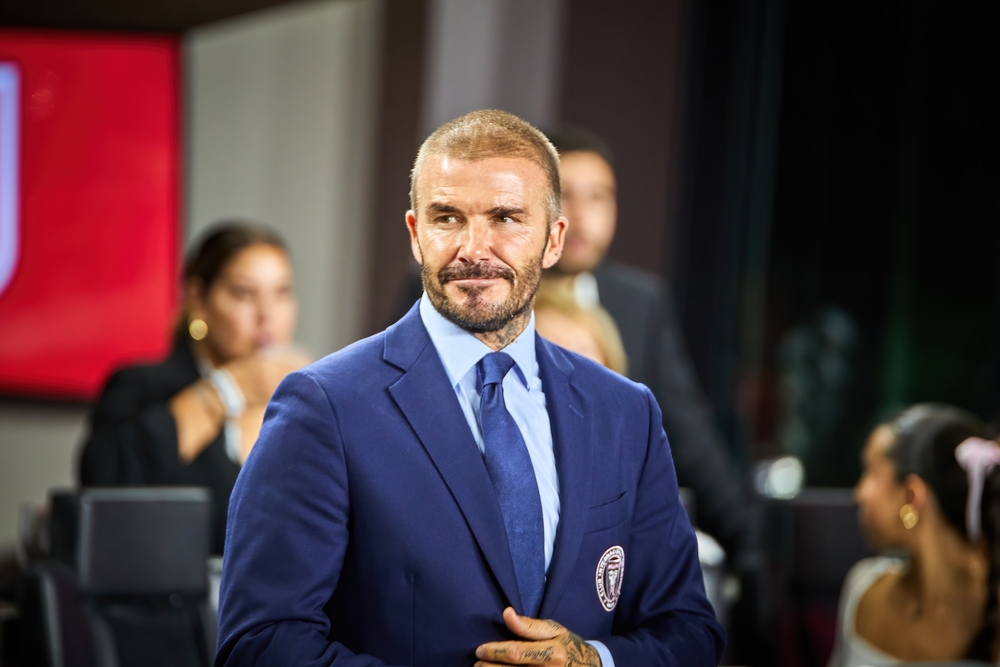
When David Beckham joined Major League Soccer in 2007, his contract included an unusual clause allowing him to buy an expansion team at a fixed price. That option later became Inter Miami CF.
According to The Wall Street Journal, the expansion fee Beckham paid was dramatically lower than what similar franchises are worth today. The move turned fame into equity, creating a valuable asset instead of just another paycheck.
4. Victoria Runs A Separate Business
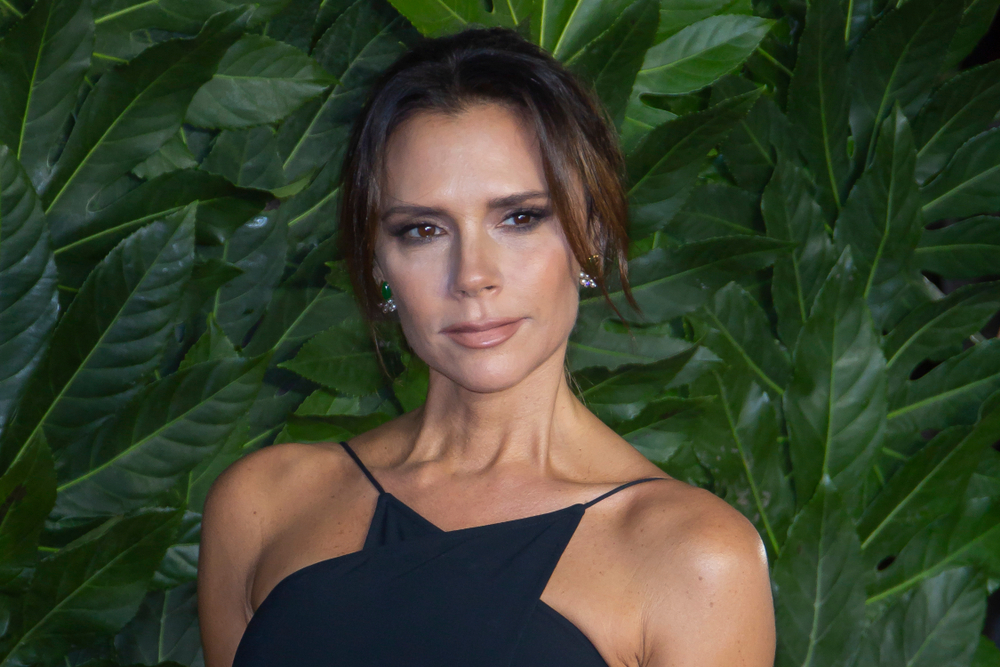
Victoria Beckham’s fashion and beauty brands operate independently from David’s sports and endorsement work. Her company focuses on luxury fashion, cosmetics, and global retail partnerships.
The separation matters because it spreads risk. The Beckham brand isn’t dependent on one person, one career, or one market to keep working.
5. A Huge Amount Comes From Licensing
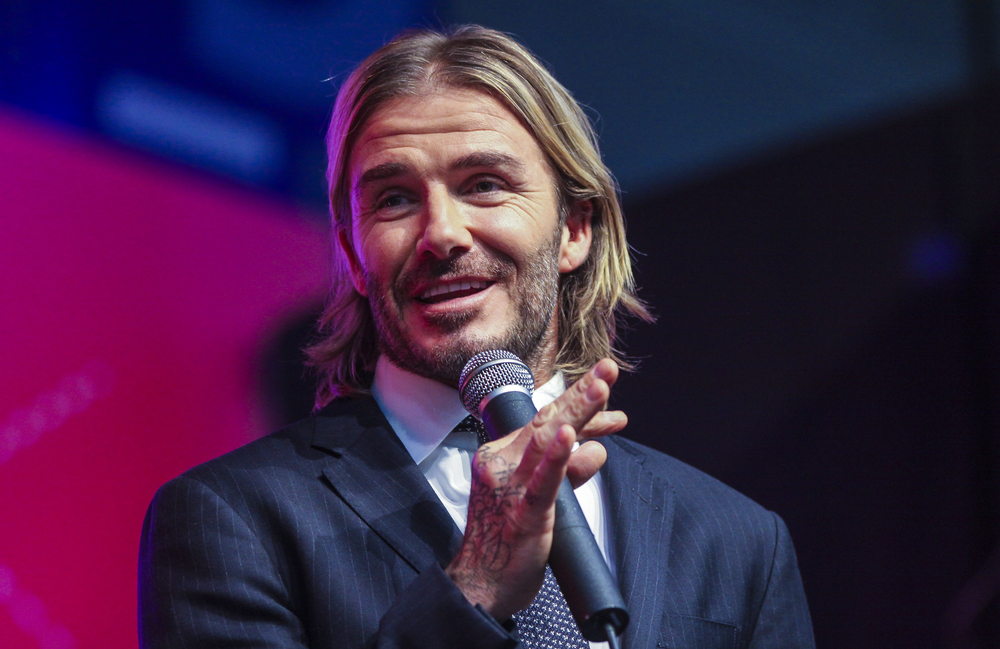
A significant portion of the Beckham brand’s income comes from licensing David Beckham’s name and likeness rather than hands-on management. This includes fragrance lines, grooming products, eyewear, and apparel that operate through established companies that handle manufacturing and distribution.
According to reporting from Business of Fashion, this model allows celebrity brands to scale globally with relatively low operational risk. The Beckhams don’t need to reinvent infrastructure—they monetize trust, consistency, and recognizability across markets that already know how to sell at scale.
6. Brands See David As A Safe Long-Term Bet
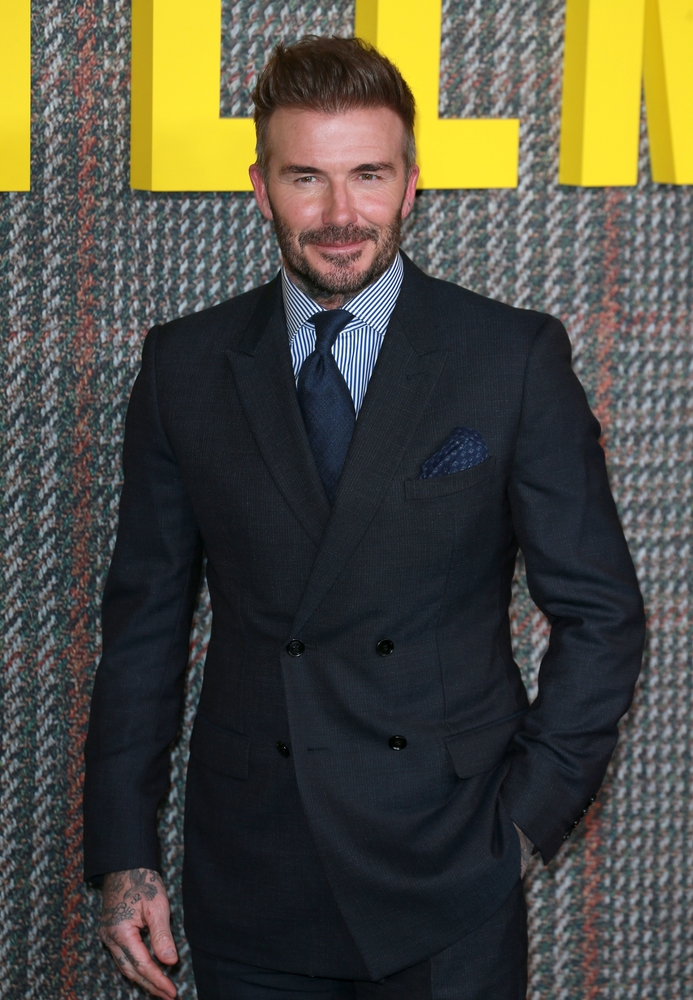
Unlike most athletes or celebrities, Beckham’s public image has been carefully stabilized over decades. He rarely comments impulsively, avoids scandals, and maintains relationships with legacy brands rather than trend-driven ones.
That predictability is intentional. It makes him a reliable partner for governments, global companies, and organizations that value steadiness over hype.
7. Inter Miami Was Always About More Than Soccer
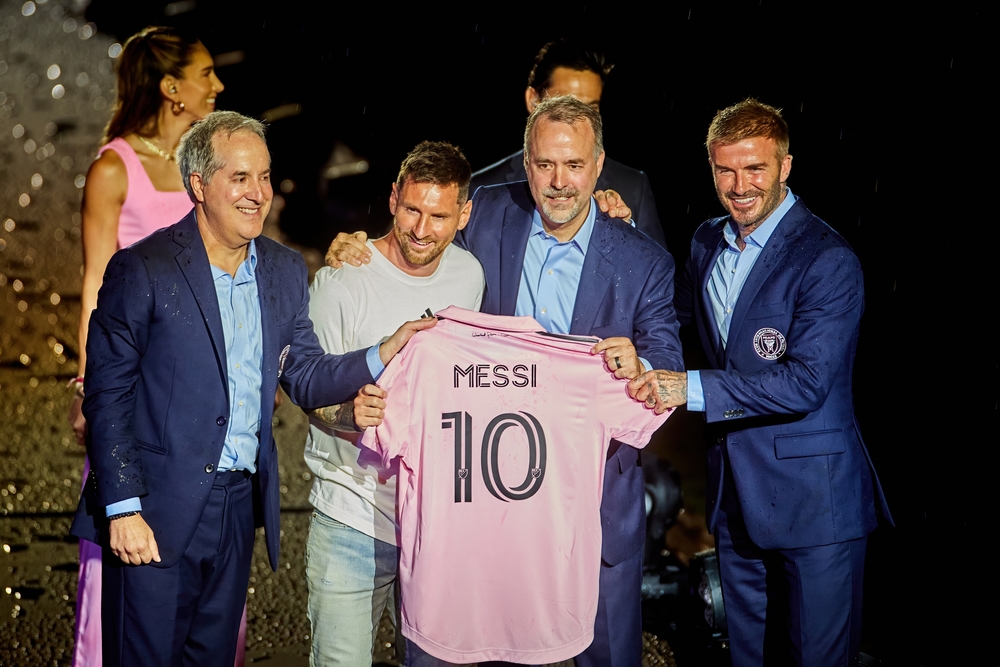
Inter Miami was never meant to be judged solely on wins and losses. From the beginning, it was positioned as a lifestyle asset—merchandise, real estate development, sponsorships, and cultural relevance baked in.
Coverage from The Athletic and Bloomberg has detailed how MLS franchises are increasingly valued for brand reach and regional development rather than competitive dominance alone. Beckham’s ownership stake functions as both an investment and a branding amplifier.
8. They’re Careful About How Much Of Themselves They Sell
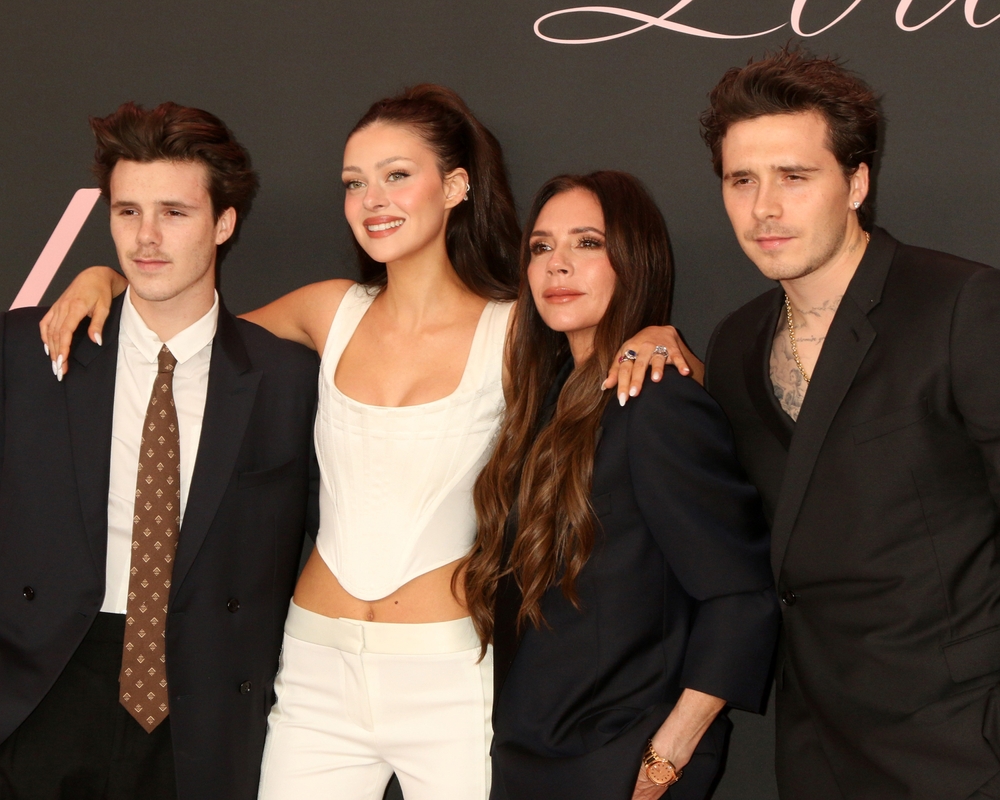
The Beckhams don’t flood the market with endorsements or constant visibility. They limit interviews, control access, and avoid oversharing their private lives.
That restraint keeps the brand from feeling worn out. By being selective, the deals they do take on carry more weight and last longer.
9. Real Estate Is A Major Part Of The Brand’s Wealth
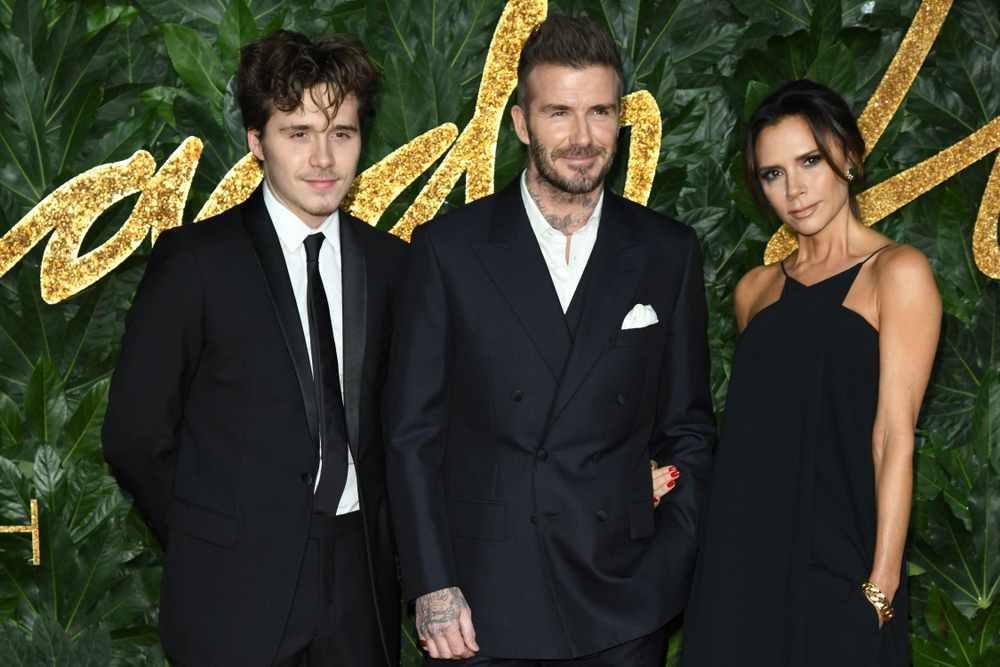
The Beckhams have steadily invested in high-value real estate across multiple countries, including the U.K., the U.S., and Europe. These properties aren’t just homes—they’re long-term assets in global markets that tend to hold or increase value.
What makes this strategy effective is discretion. Unlike flashier celebrity purchases, their real estate portfolio is low-drama and rarely leveraged for publicity, functioning more like a traditional wealth-preservation play than a branding exercise.
10. The Brand Is Built To Outlast Any One Career Phase
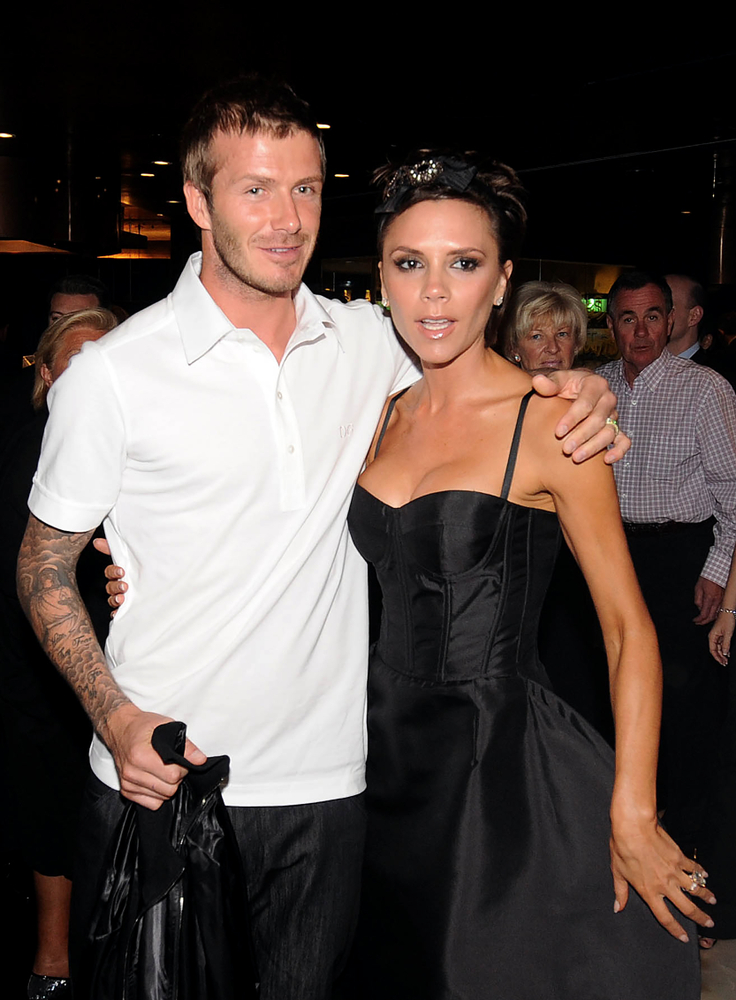
Most celebrity brands peak alongside the career that made them famous. The Beckhams planned for decline early—athletic retirement, shifting fashion cycles, aging out of youth culture—and built income streams that don’t depend on being current.
That long view is why the brand still feels stable decades in. Nothing hinges on one hit season or trend cycle.
11. David’s Image Is Managed Like a Corporate Asset
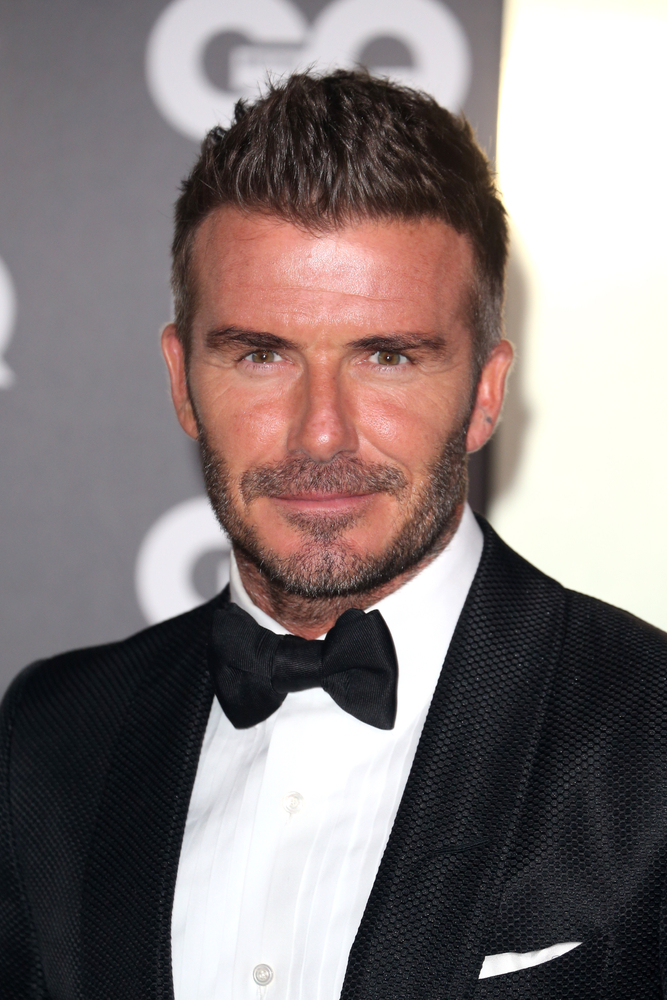
Public appearances, endorsements, and partnerships are tightly controlled. He rarely takes positions that could alienate large audiences or corporate partners, and controversies are addressed quietly, if at all.
The result is an image that feels durable rather than exciting. For brands and institutions, that reliability is worth more than edge.
12. They Monetize Global Appeal
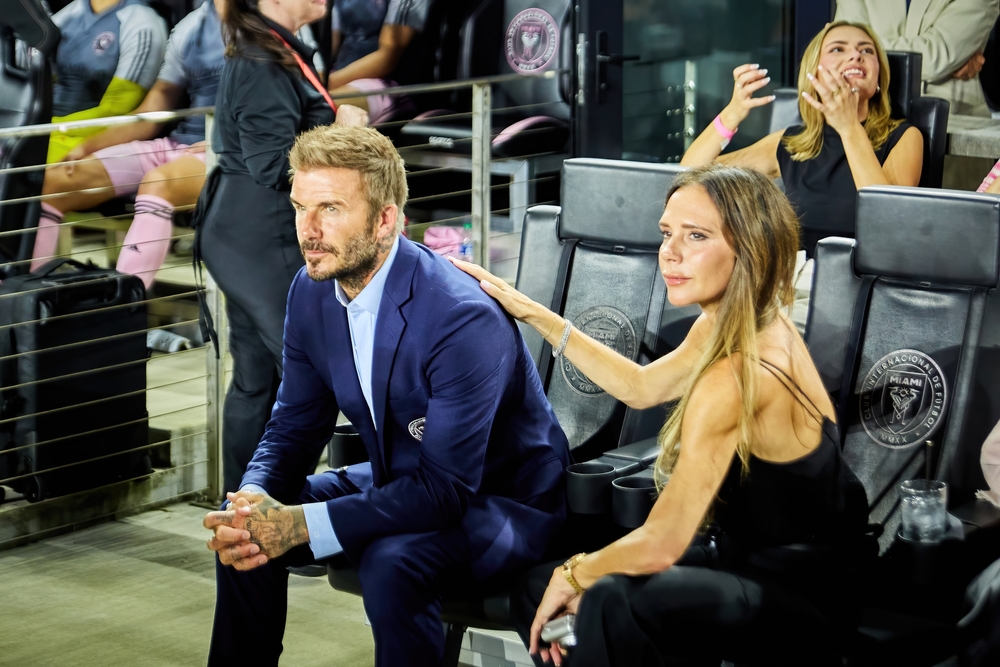
The Beckham brand was never limited to one market. From early endorsements in Asia to sports investments in the U.S., their reach has always been international.
That matters because global relevance smooths out risk. When one market cools, another often compensates.
13. Victoria’s Pivot to Beauty Was Strategic
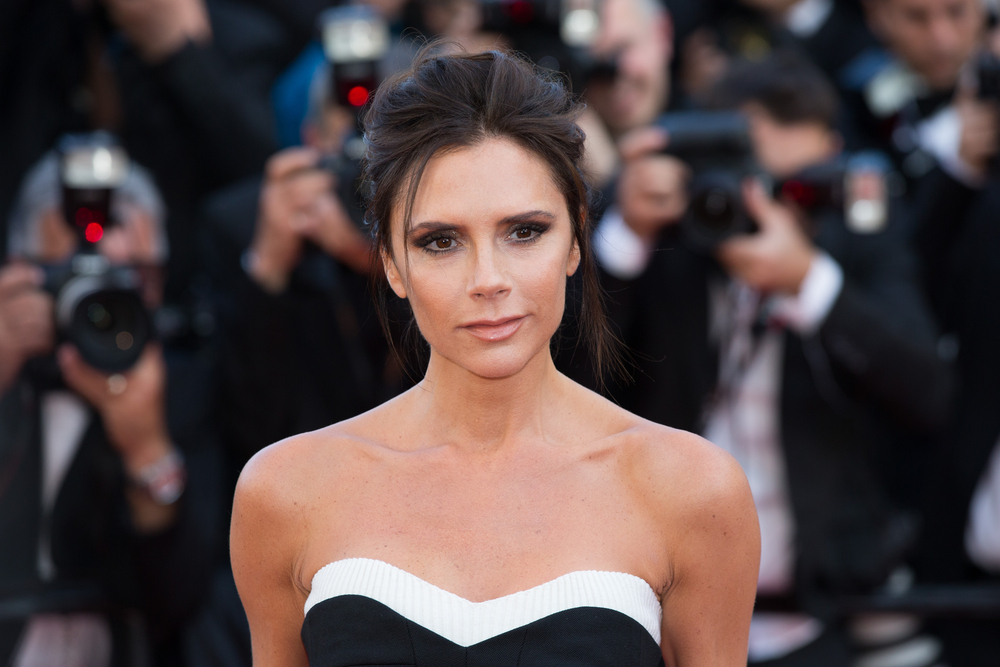
The move toward beauty products wasn’t about trend-chasing. Beauty offers repeat purchases, stronger margins, and less inventory risk than high fashion.
That shift turned her brand into a more predictable business rather than a prestige experiment. It also made the overall Beckham portfolio more resilient.
14. They Avoid Family-Brand Oversaturation
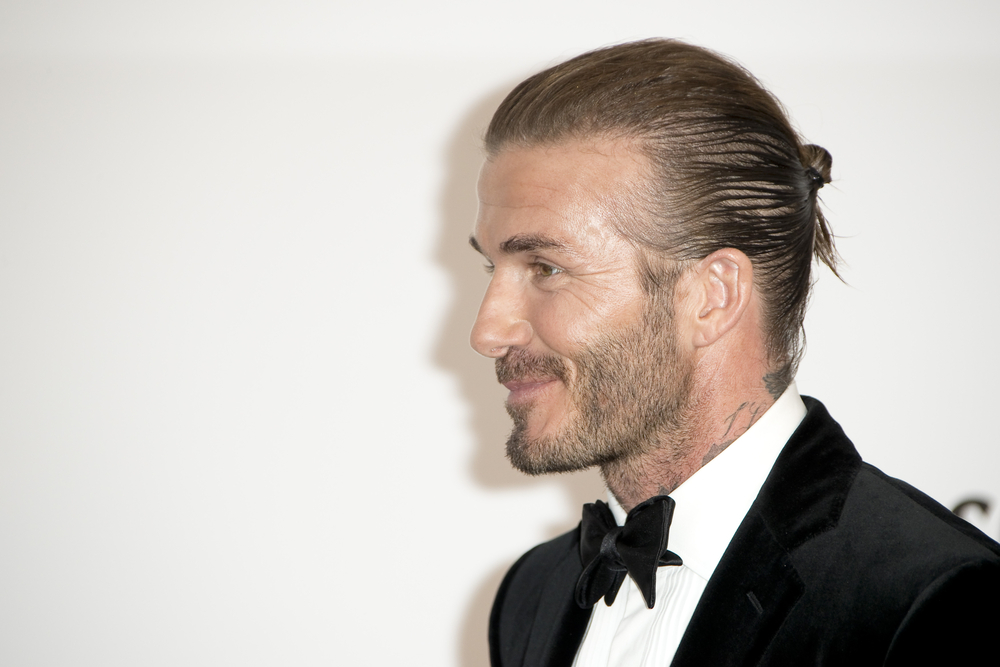
Unlike other famous families, the Beckhams haven’t aggressively monetized their children or turned their private lives into constant content. Appearances are selective, not automatic.
That restraint protects the core brand. Familiarity exists, but fatigue doesn’t.
15. The Brand Benefits From Longevity
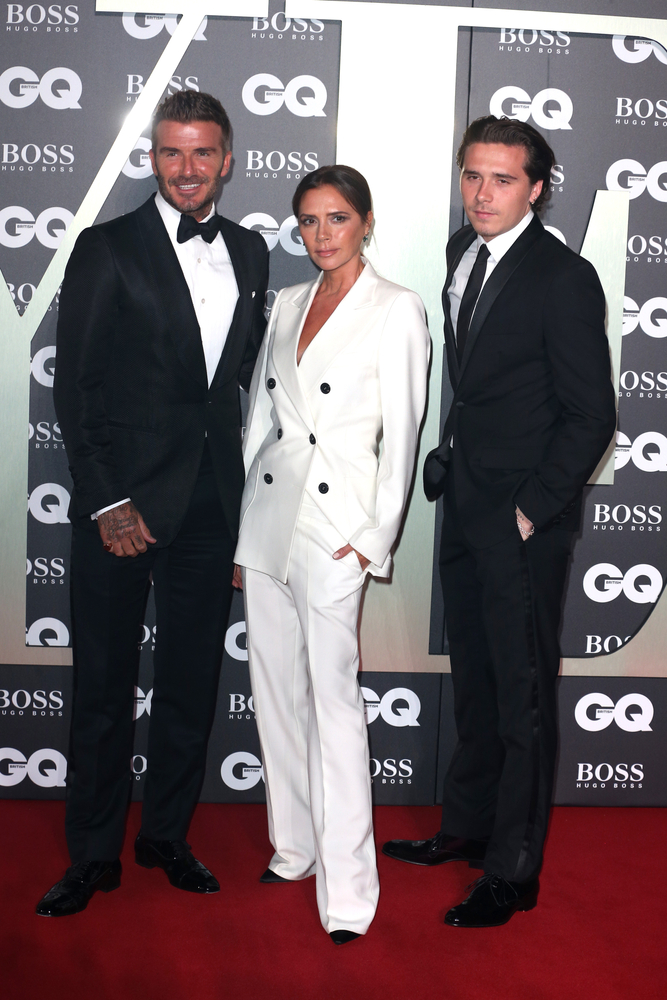
The Beckhams rarely chase cultural moments. They let relevance accumulate instead of spiking.
That slow-burn visibility is why the brand still commands trust and premium pricing long after newer celebrities have cycled through relevance.
This article is for informational purposes only and should not be construed as financial advice. Consult a financial professional before making investment or other financial decisions. The author and publisher make no warranties of any kind.