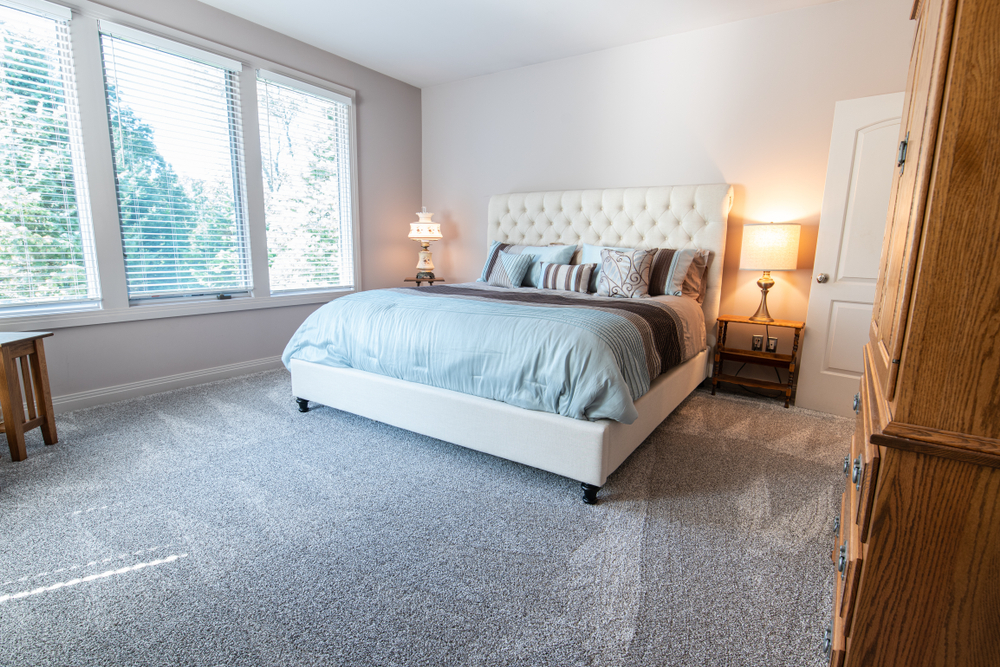


In a lot of America, a six-figure salary sounds impressive but feels surprisingly tight once housing enters the picture. In high-cost metros, $100,000 barely covers a modest home, let alone something spacious or comfortable. But outside those overheated markets, the math changes quickly.
1. Wichita, Kansas

Wichita’s housing market has stayed remarkably affordable compared to national averages. Large single-family homes with four or five bedrooms, multiple living areas, and generous yards are common, not exceptional, especially outside the most competitive neighborhoods.
For a household earning $100,000, mortgage payments often fall well below standard affordability thresholds. That leaves room for savings, upkeep, and lifestyle costs instead of forcing every dollar into housing.
2. Indianapolis, Indiana

Indianapolis consistently ranks among the metros where home prices remain closely aligned with local incomes. Suburbs in particular offer large homes—sometimes over 3,000 square feet—at prices that don’t require financial gymnastics to afford.
According to housing affordability analyses from Realtor.com, a $100k salary in Indianapolis often supports a home purchase with room to spare. The result is ownership that feels stable rather than stretched.
3. Pittsburgh, Pennsylvania

Pittsburgh’s housing market benefits from slower growth and limited speculative pressure. Many neighborhoods still feature large, older homes built when space was prioritized over density.
For six-figure earners, this means access to homes with character, size, and manageable monthly costs. Even move-in-ready properties often cost far less than comparable homes in faster-growing cities.
4. Memphis, Tennessee

Memphis stands out for its low home prices combined with a relatively low cost of living. Large brick homes, ranch-style houses, and properties with sizable lots remain attainable for middle-class earners.
Cost-of-living data frequently shows that a $100k salary in Memphis stretches significantly further than the national average. Housing consumes a smaller share of income, freeing up financial flexibility that’s rare in many cities.
5. Tulsa, Oklahoma
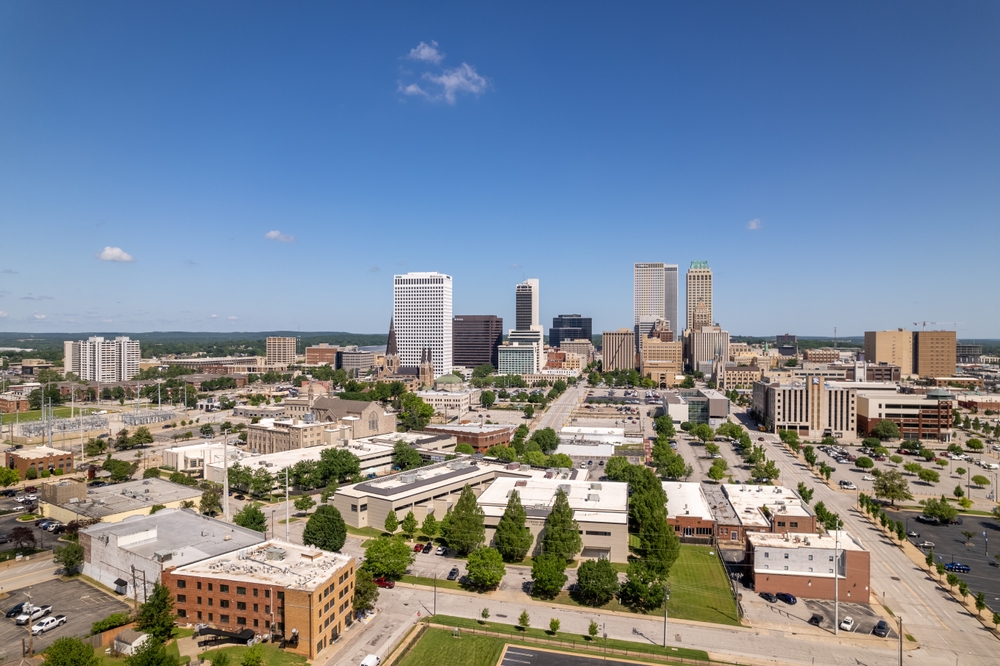
Tulsa’s housing market offers a mix of newer builds and older, well-maintained homes at prices that feel almost anachronistic compared to coastal cities. Large floor plans and multi-car garages are common rather than aspirational.
For households earning $100,000, Tulsa often allows for purchasing a home that feels expansive without sacrificing financial security. The space comes from local economics, not financial overreach.
6. Oklahoma City, Oklahoma

Oklahoma City combines low land costs with a steady housing supply, which keeps prices from spiking the way they have elsewhere. Large homes with multiple bedrooms, bonus rooms, and sizable yards are common, especially in suburban areas that still sit within a reasonable commute.
According to housing affordability data cited by the U.S. Census Bureau and Realtor.com, a $100k household income in Oklahoma City can comfortably support homes that would be considered luxury-sized in many other regions. The market rewards space without forcing buyers into risky debt ratios.
7. Louisville, Kentucky

Louisville’s housing market offers a surprising amount of square footage for the price, particularly in established neighborhoods and nearby suburbs. Many homes were built with family living in mind, which means larger layouts and usable outdoor space.
Cost-of-living comparisons published by the Bureau of Labor Statistics consistently show Louisville below the national average, especially for housing. That gap allows six-figure earners to buy homes that feel expansive while still maintaining financial breathing room.
8. Toledo, Ohio
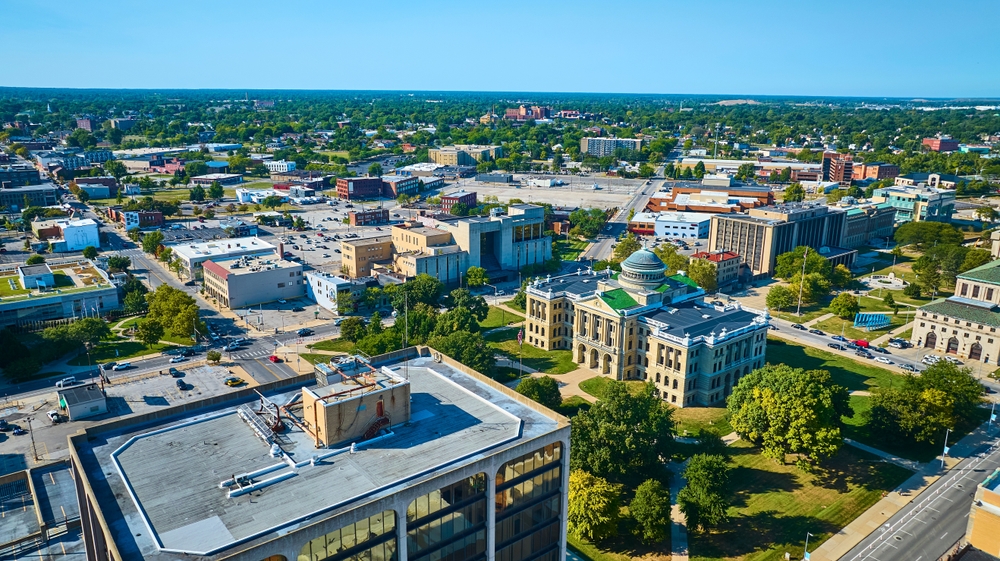
Toledo remains one of the most affordable mid-sized cities in the Midwest, largely because housing demand has grown slowly and steadily rather than explosively. Large homes, including historic properties and newer suburban builds, are widely available at prices far below national norms.
For a $100k household, this often translates into owning a home outright or carrying a very manageable mortgage. The result is less financial pressure and more flexibility than buyers in hotter markets experience.
9. Birmingham, Alabama

Birmingham’s housing stock includes a large number of spacious single-family homes built during periods when land was inexpensive and lots were generous. Many neighborhoods still offer large houses at prices that feel disconnected from national housing headlines.
A six-figure income in Birmingham often supports ownership of homes with multiple living areas, finished basements, and sizable yards. Housing costs remain low enough that buyers don’t have to compromise space for affordability.
10. Fort Wayne, Indiana
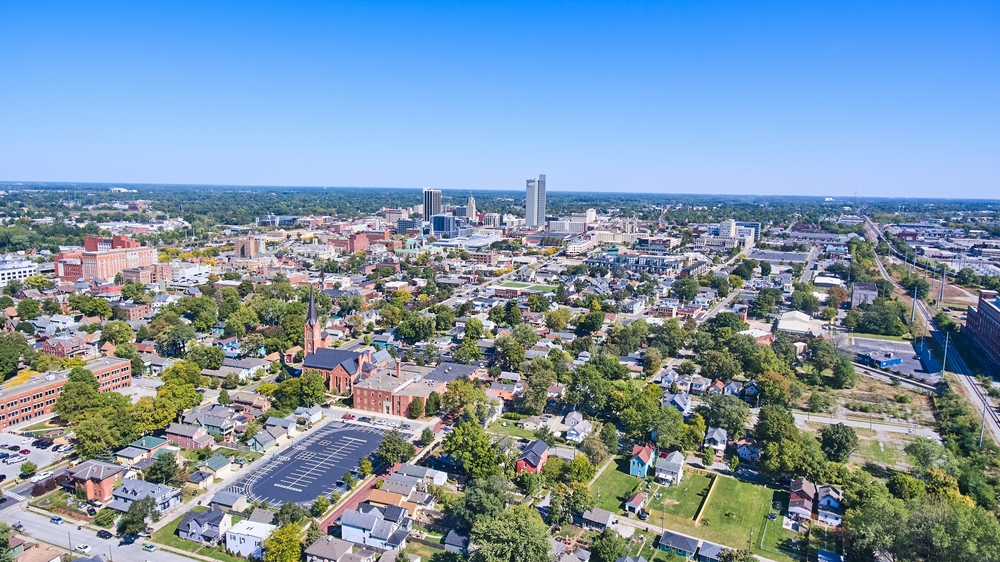
Fort Wayne quietly offers some of the most affordable large homes in the Midwest. Newer subdivisions and established neighborhoods alike feature spacious houses with multiple bedrooms, finished basements, and large yards at prices that still feel grounded.
For a household earning $100,000, buying a home here rarely requires stretching financially. Mortgage payments often stay well below what buyers would expect elsewhere, leaving room for savings and long-term stability.
11. Huntsville, Alabama

Huntsville has grown rapidly thanks to defense, aerospace, and tech jobs, but housing costs haven’t skyrocketed at the same pace. Many neighborhoods still offer large, modern homes that feel closer to luxury than compromise.
A six-figure income here often supports homes with generous square footage and newer construction. Even as demand increases, the market remains friendlier to buyers than in similarly fast-growing cities.
12. Des Moines, Iowa

Des Moines combines a strong local economy with housing prices that remain surprisingly modest. Large homes in quiet neighborhoods are common, especially outside the most competitive areas near downtown.
For $100k earners, this often means purchasing a home that feels oversized rather than just sufficient. The affordability allows homeowners to focus on quality of life instead of constant budget pressure.
13. Peoria, Illinois
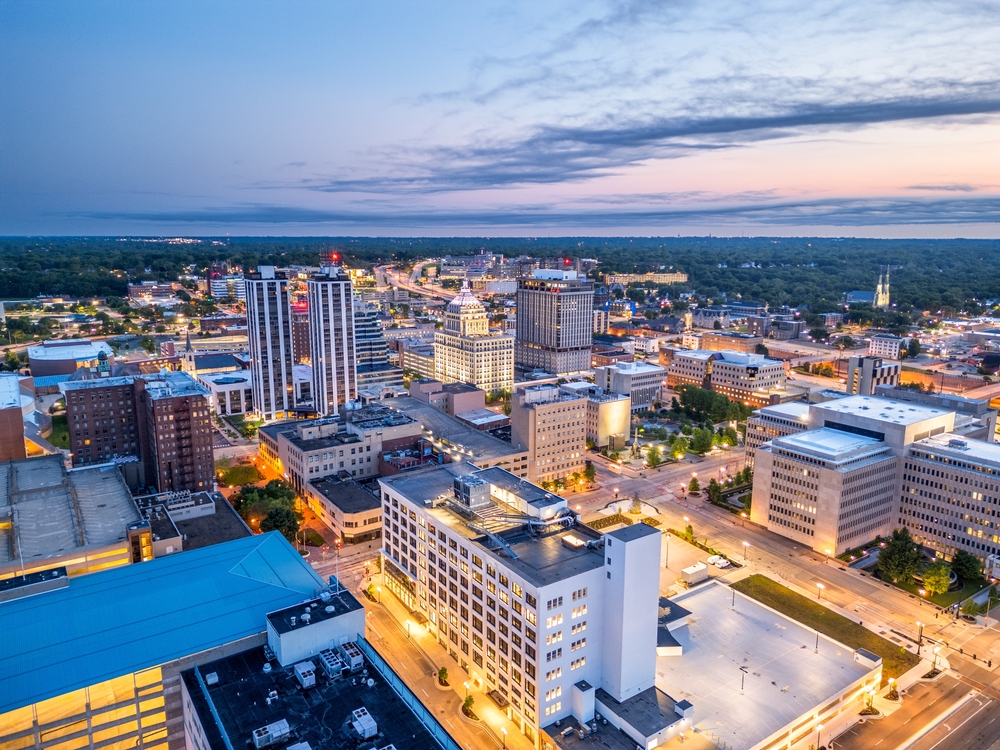
Peoria’s housing market reflects decades of steady growth rather than boom-and-bust cycles. Large homes with traditional layouts, big yards, and solid construction remain widely available.
A $100,000 salary in Peoria can comfortably support a home that would cost significantly more elsewhere. The slower pace of the market rewards buyers who prioritize space, affordability, and long-term ownership over speculation.
This article is for informational purposes only and should not be construed as financial advice. Consult a financial professional before making investment or other financial decisions. The author and publisher make no warranties of any kind.