


Climate has quietly become one of the biggest real estate forces in America. Not in the dramatic, headline-grabbing way—but in subtler shifts where certain regions stay cooler, drier, more stable, or more livable while nearby areas grow harsher. These pockets aren’t immune to climate change, but they’re buffered by geography, elevation, water access, or prevailing weather patterns in ways buyers are starting to notice.
1. The Great Lakes Shoreline (Especially Michigan’s West Coast)
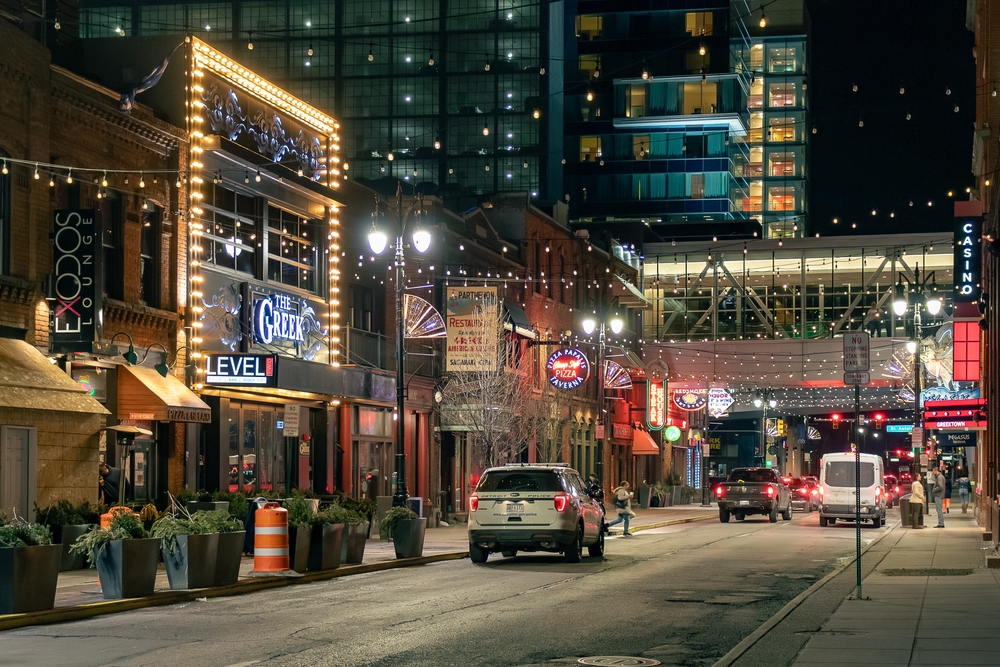
Areas along Lake Michigan benefit from one of the most powerful natural climate moderators in North America. The lake tempers extreme heat in summer, reduces severe cold in winter, and provides abundant freshwater access—an increasingly important factor for long-term livability.
Climate researchers and data from NOAA have repeatedly noted that the Great Lakes region is projected to experience fewer extreme climate disruptions compared to many coastal and southern regions. That relative stability is already driving increased interest in shoreline and near-shore communities, especially in western Michigan.
2. The Appalachian Highlands
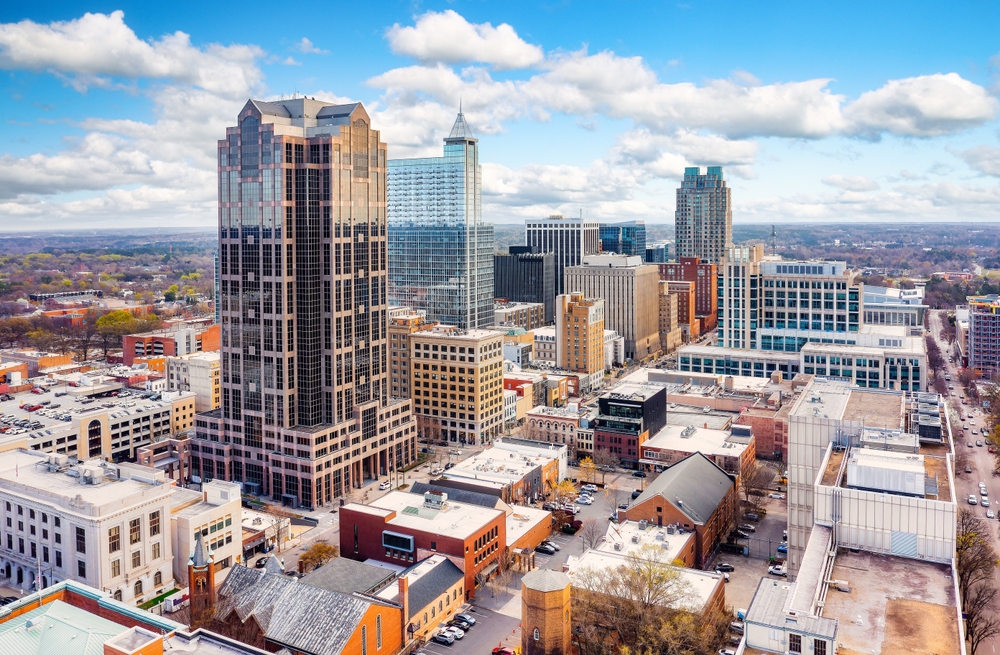
Higher elevations across parts of North Carolina, Virginia, West Virginia, and eastern Tennessee create cooler temperatures and more consistent rainfall than the surrounding lowlands. Even modest elevation changes can result in noticeably different weather patterns year-round.
As heat intensifies elsewhere, these mountain regions remain comparatively comfortable. Buyers aren’t just drawn to the scenery—they’re responding to summers that are still livable without extreme air-conditioning dependence.
3. Northern New England Interior (Not The Coast)
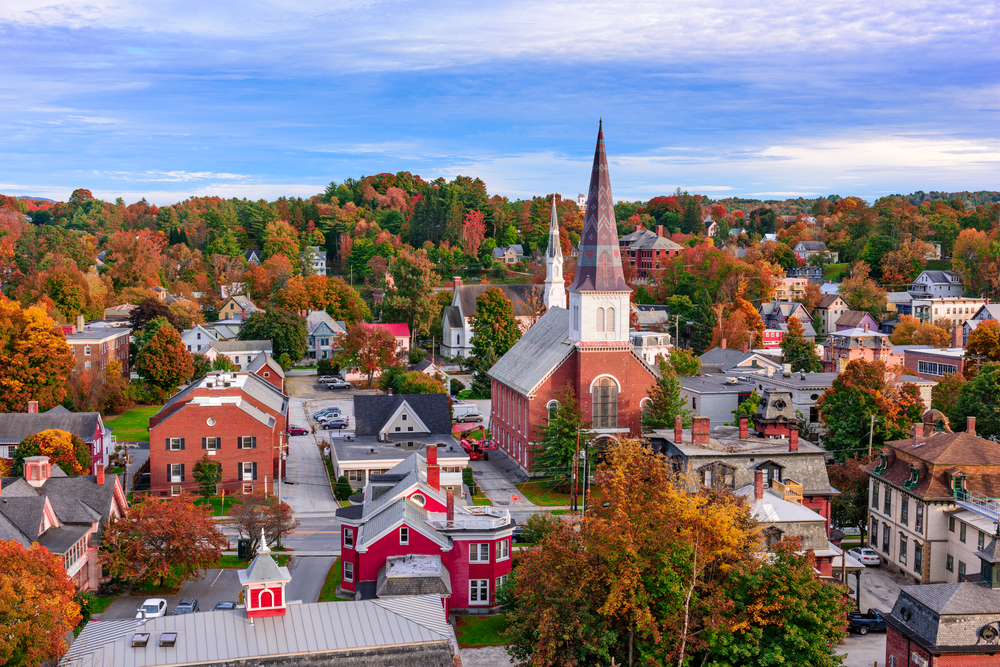
Inland areas of Vermont, New Hampshire, and western Maine avoid some of the coastal volatility while maintaining moderate summers and improving agricultural viability. Winters are still cold, but warming trends have reduced some of the historical severity.
According to regional climate assessments conducted by academic institutions and cited in federal climate summaries, interior northern New England is seeing longer growing seasons and fewer extreme heat days than much of the U.S. That combination is quietly increasing its appeal for long-term settlement.
4. The Upper Midwest Driftless Area
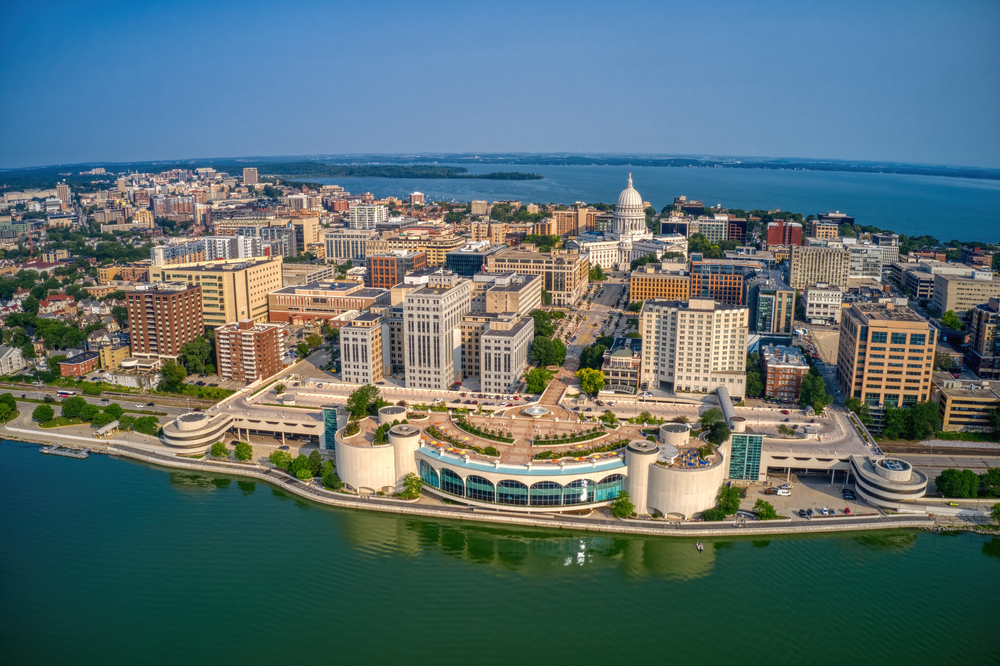
The Driftless Area—covering parts of Wisconsin, Minnesota, Iowa, and Illinois—was untouched by glaciers, leaving it with unique terrain, natural drainage, and varied microclimates. The landscape creates pockets that stay cooler and manage water runoff more effectively.
These features reduce flood risk compared to flatter agricultural regions nearby. As buyers look beyond traditional metros, this area’s climate resilience and affordability are starting to stand out.
5. The Pacific Northwest Rain Shadow (Eastern Washington & Oregon)
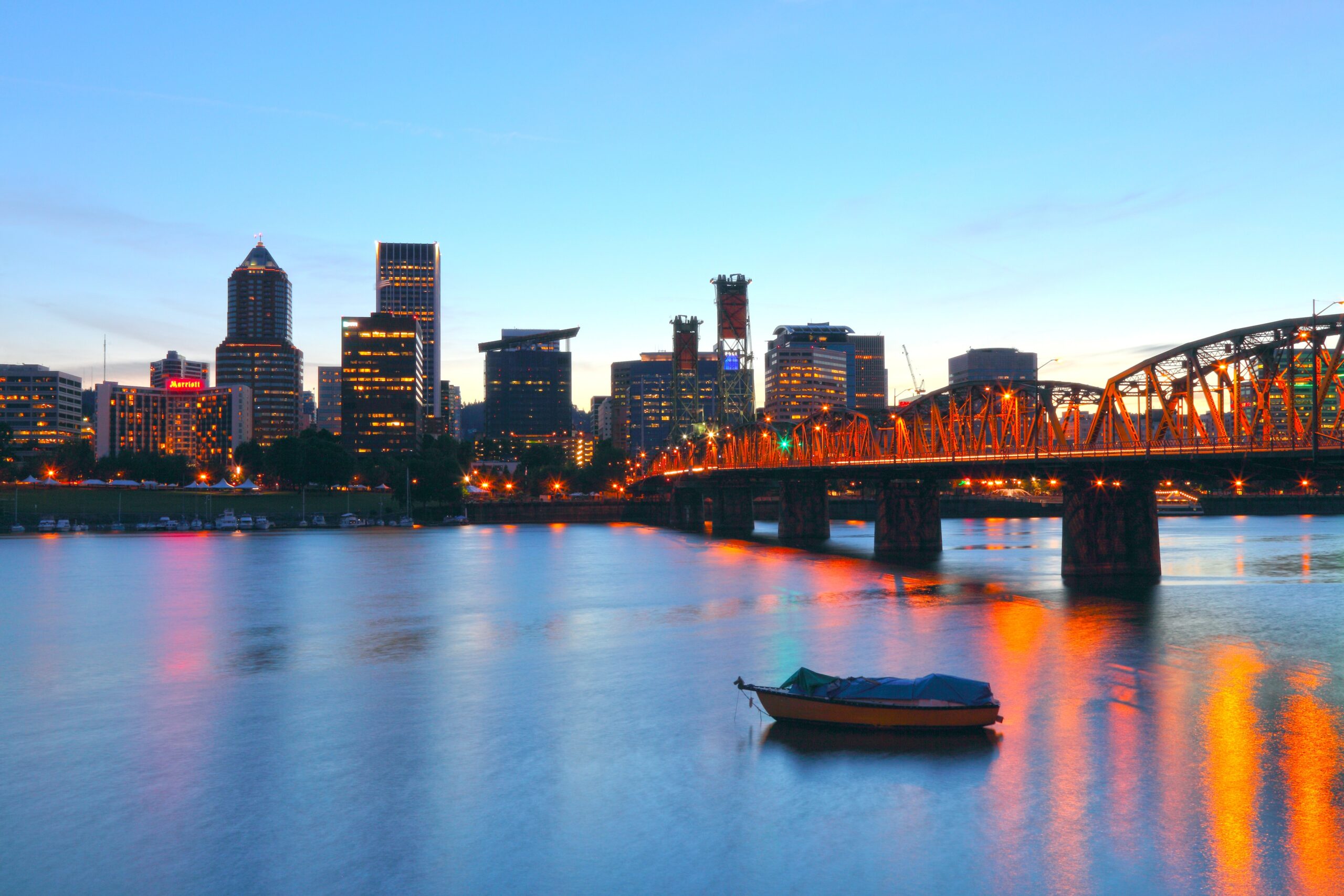
Areas east of the Cascade Mountains sit in a rain shadow that creates drier, sunnier conditions than the coastal Pacific Northwest while still avoiding the extreme heat seen in much of the West. Summers tend to be warm but not oppressive, and winters are milder than people expect.
According to regional climate data from NOAA and state climate offices, these inland zones experience fewer extreme heat days and significantly less wildfire smoke than surrounding areas in bad fire years. That balance—sun without scorch, dryness without desert—has quietly pushed demand upward in towns that were overlooked for decades.
6. The Colorado Front Range Foothills (Outside Major Metro Cores)
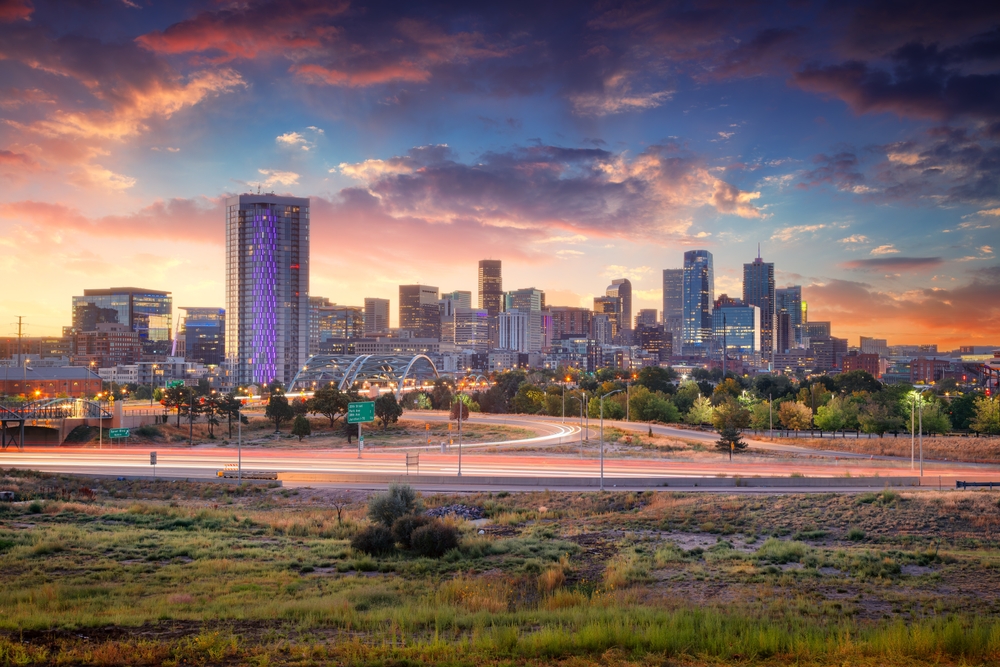
Just outside the densest parts of Denver and Boulder, the foothills create temperature swings that are often milder than the plains below. Elevation, airflow, and terrain combine to moderate heat while still offering plenty of sun.
These microclimates appeal to buyers looking for outdoor access without the harsher weather found at higher elevations. Real estate interest has grown not just because of lifestyle, but because these areas often remain usable year-round as conditions elsewhere become more extreme.
7. California’s Central Coast
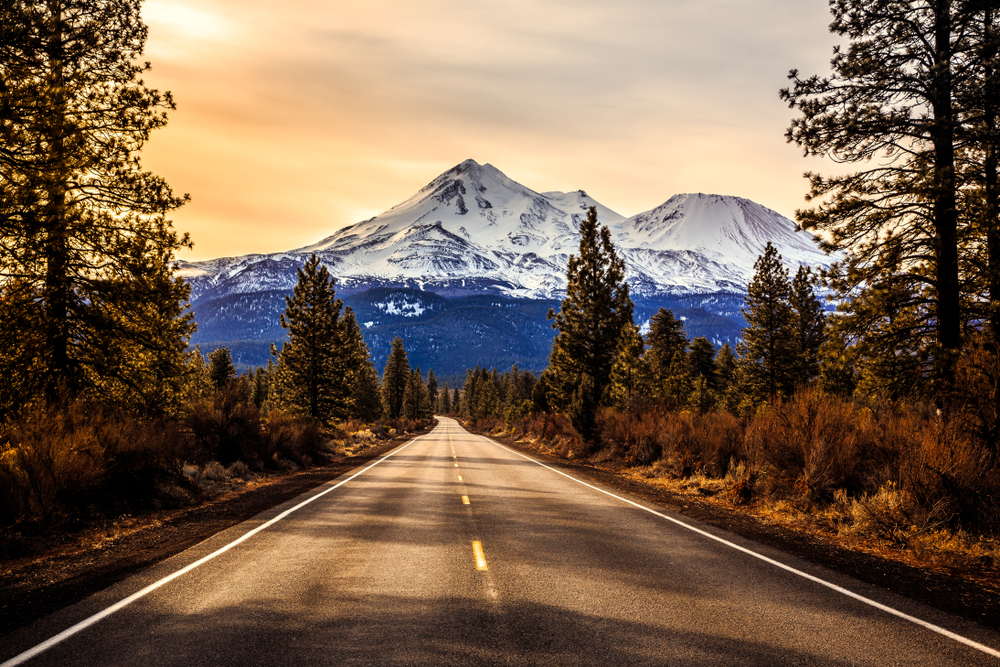
Stretching roughly from Santa Barbara through San Luis Obispo, the Central Coast benefits from a persistent marine influence that keeps temperatures remarkably stable. Heat waves are muted, humidity stays manageable, and seasonal extremes are rare.
Climate assessments referenced by the California Natural Resources Agency consistently note this region’s narrow temperature bands compared to inland California. That stability—combined with limited housing supply—has made the area increasingly valuable as other parts of the state face greater climate volatility.
8. The Inland Carolinas Piedmont
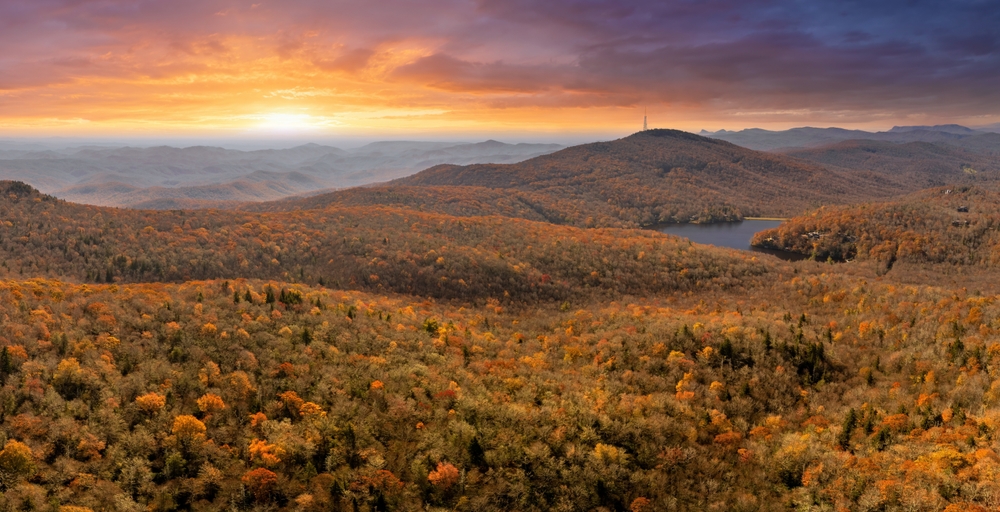
The Piedmont region between the Appalachian Mountains and the Atlantic coast avoids the worst of both extremes. It’s less flood-prone than coastal areas and cooler than the Deep South during peak summer.
This middle ground creates a surprisingly livable climate that’s drawing buyers priced out of coastal metros. As storm intensity increases along the shoreline, inland Piedmont cities are gaining attention for their relative calm and consistency.
9. The Ozark Plateau
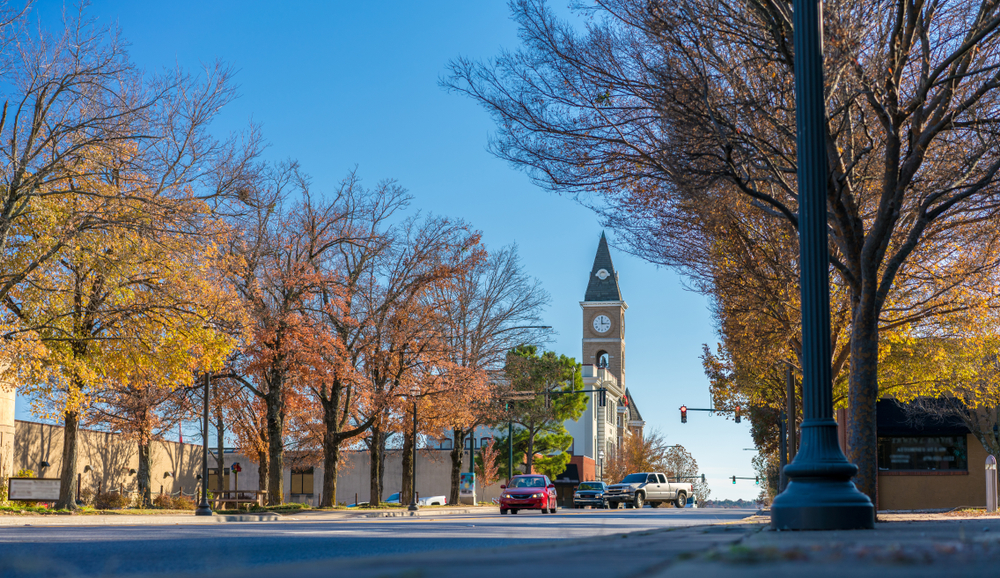
Parts of northern Arkansas and southern Missouri sit high enough to avoid some of the Deep South’s worst heat while benefiting from steady rainfall and natural water systems. The terrain creates localized cooling effects, especially compared to the surrounding lowlands.
As affordability tightens elsewhere, buyers are rediscovering the Ozarks for their combination of moderate summers, lower disaster exposure, and abundant land. What once felt isolated now feels strategically positioned.
10. New Mexico’s High Desert Towns
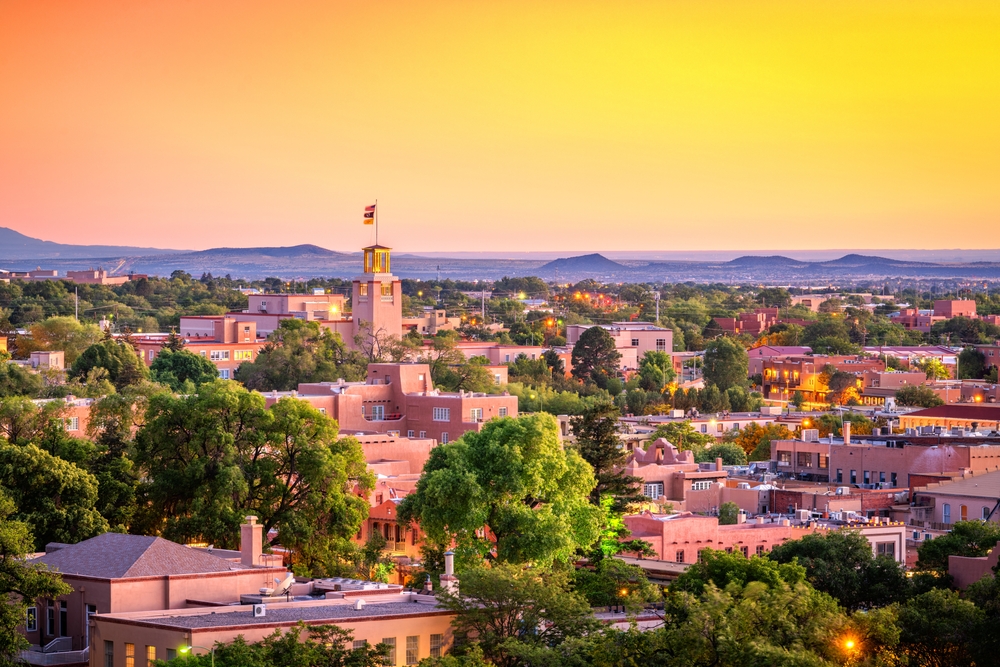
Cities like Santa Fe and Taos benefit from elevation that keeps temperatures cooler than much of the Southwest. Dry air reduces humidity-driven heat stress, and nights cool off even after warm days.
These microclimates offer desert stability without desert extremes. As water concerns intensify in lower-elevation regions, high-desert towns are drawing attention for their relative balance.
11. Western Massachusetts Hill Towns
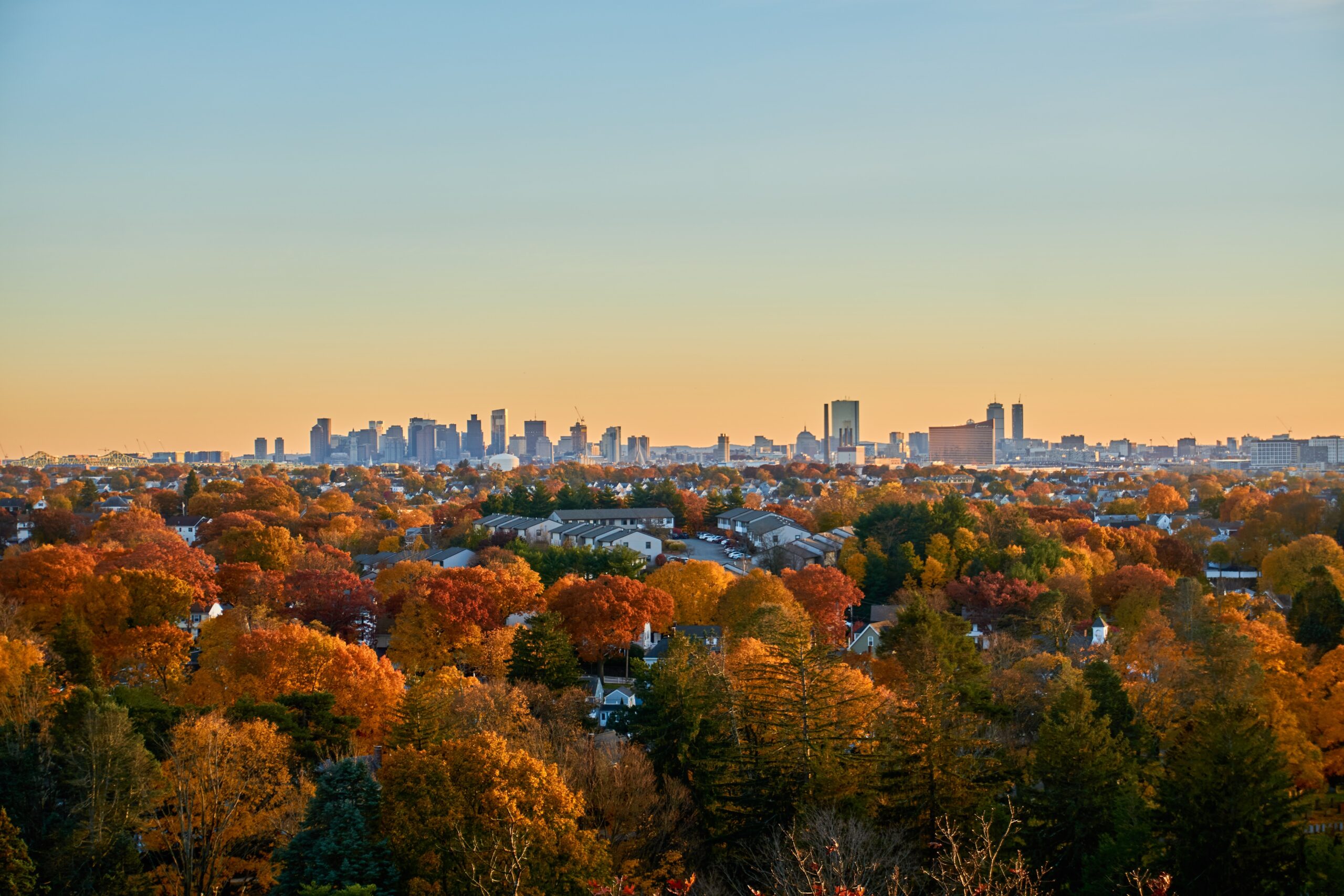
Away from the coast and major metros, the hills of western Massachusetts create cooler summers and more predictable seasonal patterns. Elevation and forest cover play a quiet but meaningful role.
These towns are increasingly attractive to buyers leaving overheated markets while still wanting access to infrastructure. The appeal isn’t trend-driven—it’s comfort-driven.
12. Northern Arizona Plateau
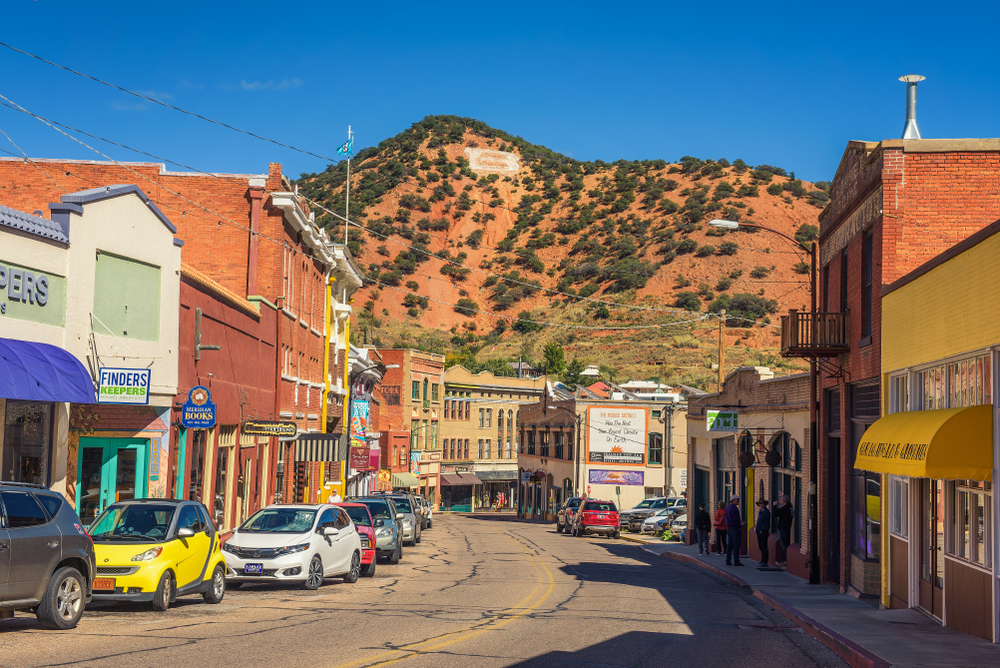
Flagstaff and the surrounding areas sit thousands of feet above the desert floor, producing dramatically different weather than nearby Phoenix. Summers remain mild, winters are real but manageable, and extreme heat is rare.
As southern Arizona grapples with intensifying heat, the plateau’s stability has made it one of the most climate-buffered regions in the state. Housing pressure is already reflecting that shift.
13. Finger Lakes Region, New York
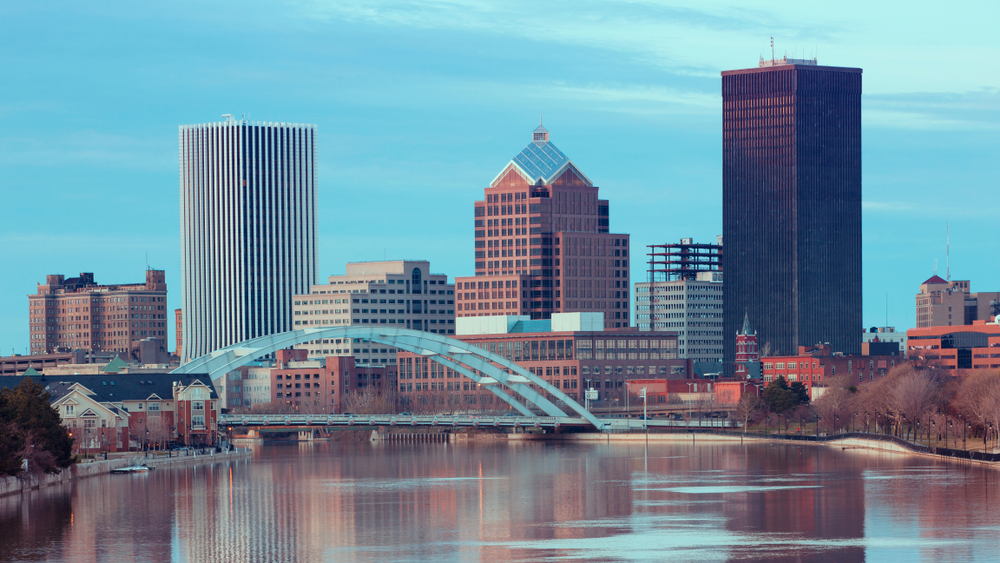
Large lakes act as natural temperature regulators, smoothing out seasonal extremes. Summers stay cooler, winters are less volatile, and water access is plentiful.
This balance is quietly reshaping demand in a region once seen as purely recreational. Buyers are starting to treat it as a long-term climate play rather than a seasonal retreat.
14. Southern Illinois Uplands
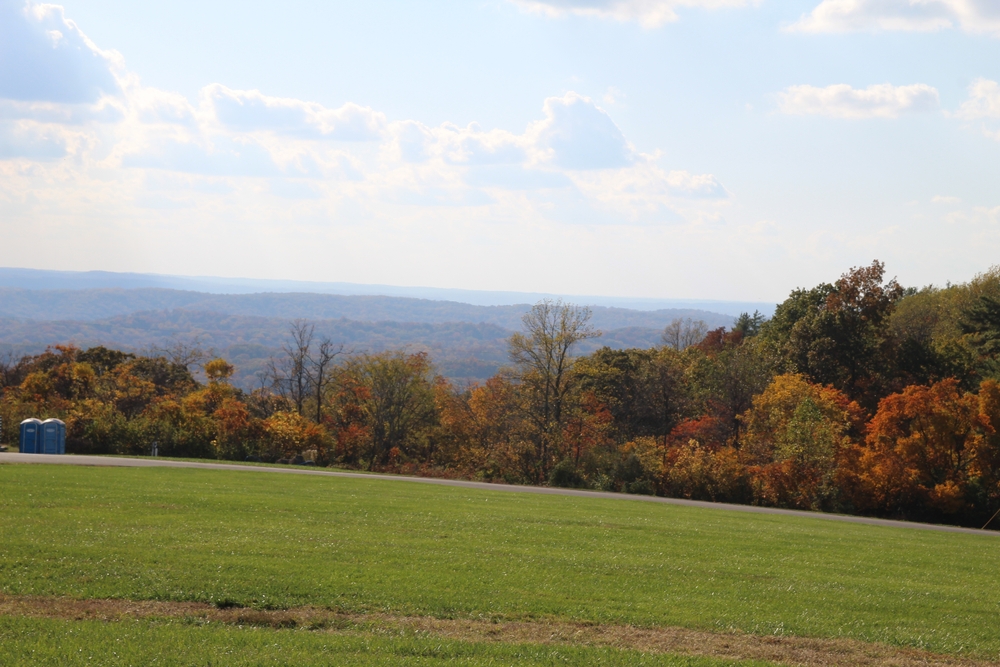
Often overlooked, this region sits higher and drier than the surrounding flood-prone areas. Its rolling terrain helps manage runoff while avoiding some of the Midwest’s harsher weather patterns.
As buyers reassess risk rather than prestige, places like this are being reevaluated. Stability is becoming more valuable than proximity to hype.
15. Coastal Maine Inland Corridors
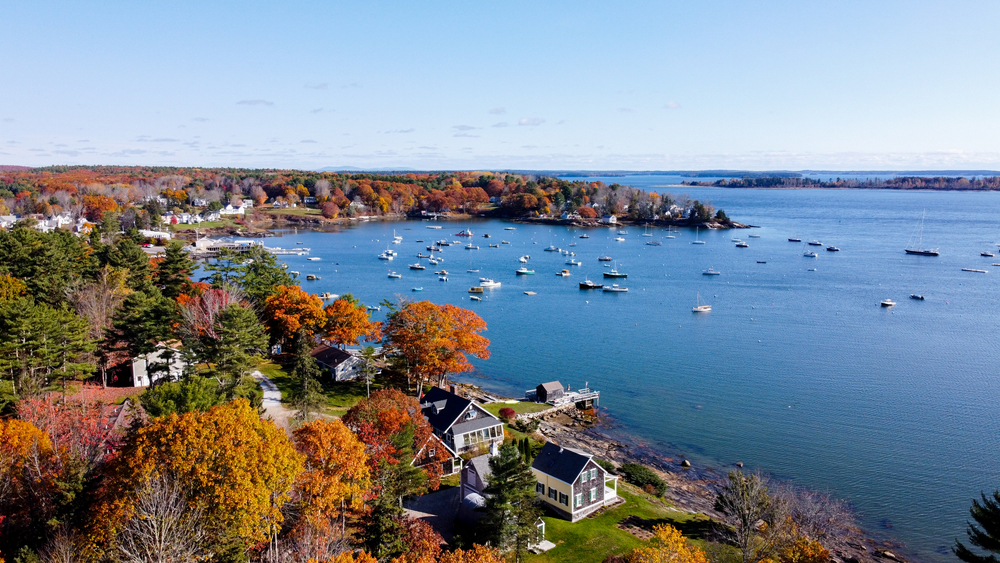
Just far enough from the coast to avoid storm surge but close enough to benefit from marine moderation, inland Maine towns strike a rare balance. Temperatures stay cooler, and extremes are softened by geography.
These corridors are seeing renewed interest from buyers prioritizing long-term livability. It’s not about escaping the weather entirely—it’s about choosing places where it’s less punishing.
This article is for informational purposes only and should not be construed as financial advice. Consult a financial professional before making investment or other financial decisions. The author and publisher make no warranties of any kind.