


It’s not just housing or healthcare anymore. Lately, it feels like you can walk into a store for something ordinary and leave wondering when that item quietly crossed into “luxury” territory. The sticker shock isn’t dramatic—it’s subtle, cumulative, and unsettling because it shows up in places that used to feel safe. These are the everyday things that make you pause, double-check the receipt, and wonder how this became normal.
1. Laundry Detergent

A single bottle of name-brand laundry detergent can now cost as much as a casual dinner out. What used to be a forgettable household staple has turned into something people actively compare prices on, dilute, or buy in bulk only when promotions hit.
According to data from the Bureau of Labor Statistics, cleaning supplies have seen sustained price increases over the past few years that outpace overall inflation. Because detergent is non-negotiable, the cost doesn’t feel optional—it just quietly eats into monthly budgets.
2. Coffee Creamer
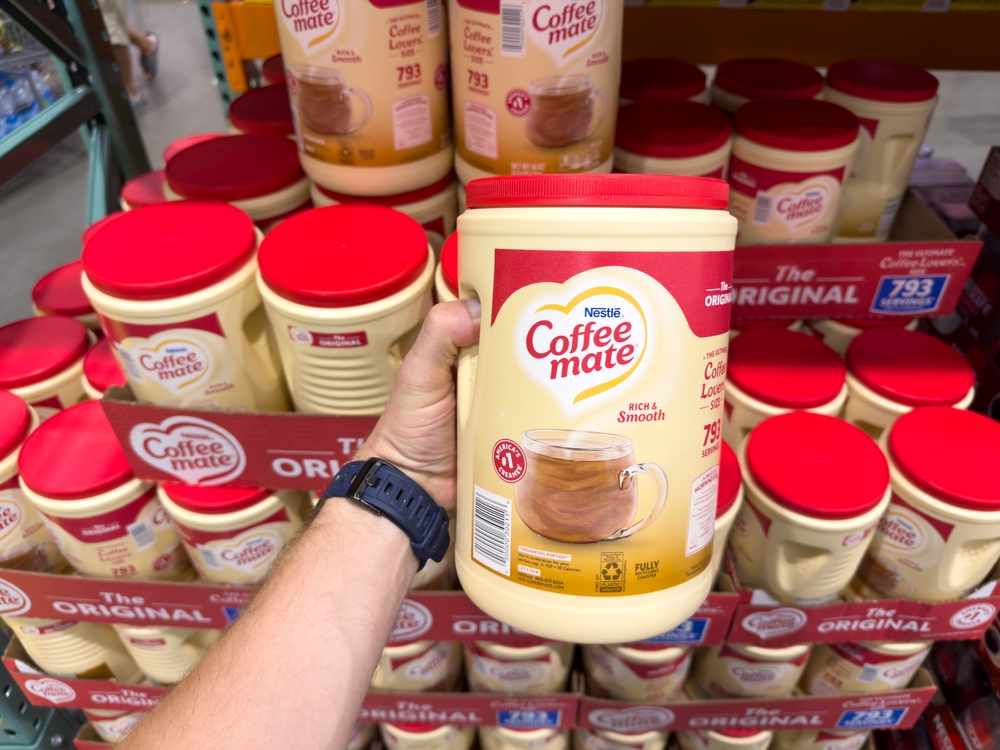
Coffee itself is already expensive, but creamer is where the shock sneaks in. Flavored, dairy-free, or “natural” options now regularly cost several dollars for a container that lasts a week if you’re lucky.
The frustration comes from how small the item feels compared to the price. It’s not a treat, and it’s not indulgent—it’s just part of the routine, which makes the cost harder to justify.
3. Shampoo and Conditioner

Hair care has quietly split into two extremes: bargain products that feel risky and premium bottles that feel absurdly priced. Mid-range options have thinned out, leaving shoppers stuck choosing between quality anxiety and sticker shock.
Industry pricing analyses and consumer reports have noted that beauty and personal care brands have steadily increased prices while shrinking package sizes. The result is paying more without feeling like you’re getting anything extra in return.
4. Greeting Cards

A single greeting card can now cost as much as a small gift. What used to be a thoughtful add-on has become something people actively hesitate over in the aisle.
The price feels especially jarring because the function hasn’t changed. It’s still paper, still brief, and still destined for a drawer or recycling bin—just at a cost that feels wildly out of proportion.
5. Over-The-Counter Allergy Medicine

Seasonal allergies haven’t gotten worse, but the price of relief definitely has. A small box of allergy pills can now cost enough that people hesitate before tossing it into the cart, even though skipping it means days of misery.
What makes this one sting is how routine it is. This isn’t a rare illness or a one-time emergency—it’s a recurring need that quietly adds up every year.
6. Eggs
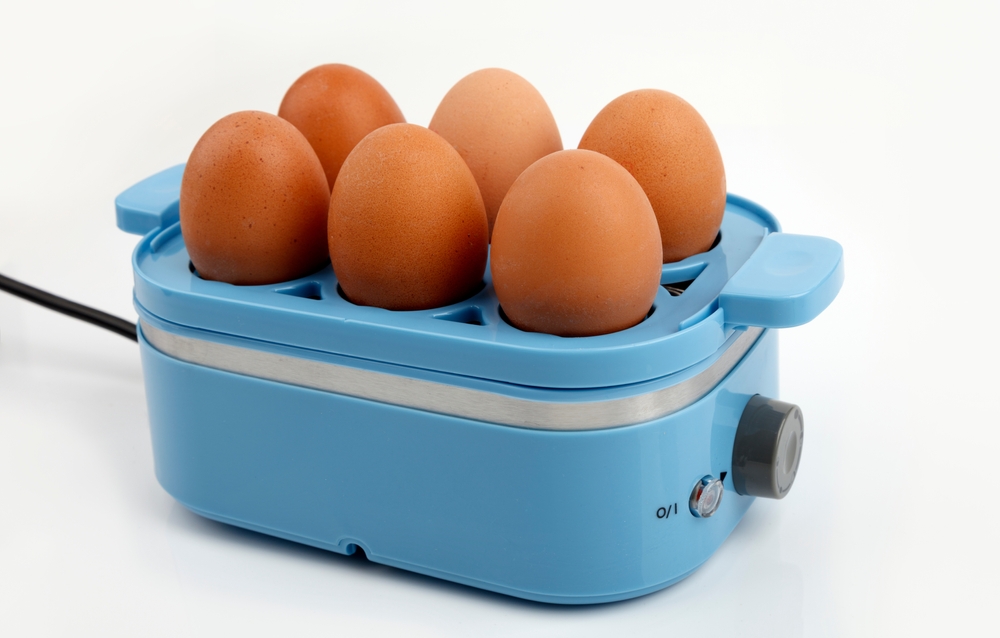
Eggs used to be the fallback protein when everything else got expensive. Now they’re often the item people check the price on twice, especially when cartons creep toward numbers that would’ve felt unthinkable a few years ago.
According to USDA data, egg prices have experienced sharp volatility tied to supply chain disruptions and avian flu outbreaks, with spikes that linger longer than consumers expect. Even when prices dip, the sense of trust that eggs are “cheap food” hasn’t fully returned.
7. Basic Pet Food

Not premium, grain-free, or boutique brands—just standard pet food. The kind you’ve bought for years without thinking now costs noticeably more, even though portion sizes and ingredients look the same.
Pet owners feel this especially hard because cutting back doesn’t feel like an option. Feeding a pet is non-negotiable, which turns price increases into a quiet source of ongoing stress rather than a one-time annoyance.
8. Car Insurance Deductibles And Premiums

Even drivers with clean records are opening renewal notices and feeling blindsided. Monthly premiums climb, deductibles rise, and the explanation is usually vague enough to feel unsatisfying.
Insurance industry analyses and consumer advocacy reports have pointed to higher repair costs, vehicle prices, and claim severity as major drivers of these increases. The shock comes from paying more for the same coverage while hoping you never have to use it.
9. Movie Theater Snacks

Tickets are already expensive, but snacks are where people really feel the shift. A popcorn and drink combo can now rival the cost of the ticket itself, turning a casual movie night into a budgeting decision.
What makes it frustrating is how familiar the experience is. The popcorn hasn’t improved, the cups haven’t gotten bigger, and yet the total feels wildly out of step with what the outing used to cost.
10. Children’s Shoes

Kids outgrow shoes quickly, which makes rising prices especially noticeable. Paying a premium for something that might fit for only a few months creates a constant sense of waste.
Parents aren’t looking for luxury—they’re looking for durability. When basic, decent-quality shoes start creeping into triple-digit territory, it stops feeling reasonable.
11. Fast Casual Lunches

What used to be a reliable $10 meal now often lands closer to $18 once taxes and tips are factored in. The shock isn’t the food—it’s how fast the total climbs for something that’s meant to be quick and unremarkable.
That creeping cost has changed how people use these places. Everyday convenience is now an occasional indulgence.
12. Prescription Eyeglasses

Frames, lenses, coatings—it all adds up fast. Even with insurance, a basic pair of glasses can trigger real shock.
Vision care occupies a strange space where the need is constant, but the pricing feels arbitrary. That disconnect makes the expense feel particularly frustrating.
13. Streaming Services

One subscription doesn’t feel expensive. Five or six quietly do. The total cost of streaming has crept up to rival cable bills without the sense that content quality has improved proportionally.
The expense sneaks in because it’s spread out. It’s not one shocking charge—it’s a steady drain that only becomes obvious when you finally add it up.
This article is for informational purposes only and should not be construed as financial advice. Consult a financial professional before making investment or other financial decisions. The author and publisher make no warranties of any kind.