

We’ve been trained to recognize wealth in very specific ways—luxury cars, designer labels, expensive watches, and pristine McMansions in gated communities. But actual wealth often looks nothing like what we’ve been conditioned to expect. The truly wealthy operate differently, spend differently, and signal their status in ways that fly under most people’s radar while those struggling to get by perform elaborate shows of prosperity. Understanding what real wealth actually looks like versus what we think it looks like can completely shift how you think about money and success.
1. Driving Practical Cars Instead of Luxury Vehicles
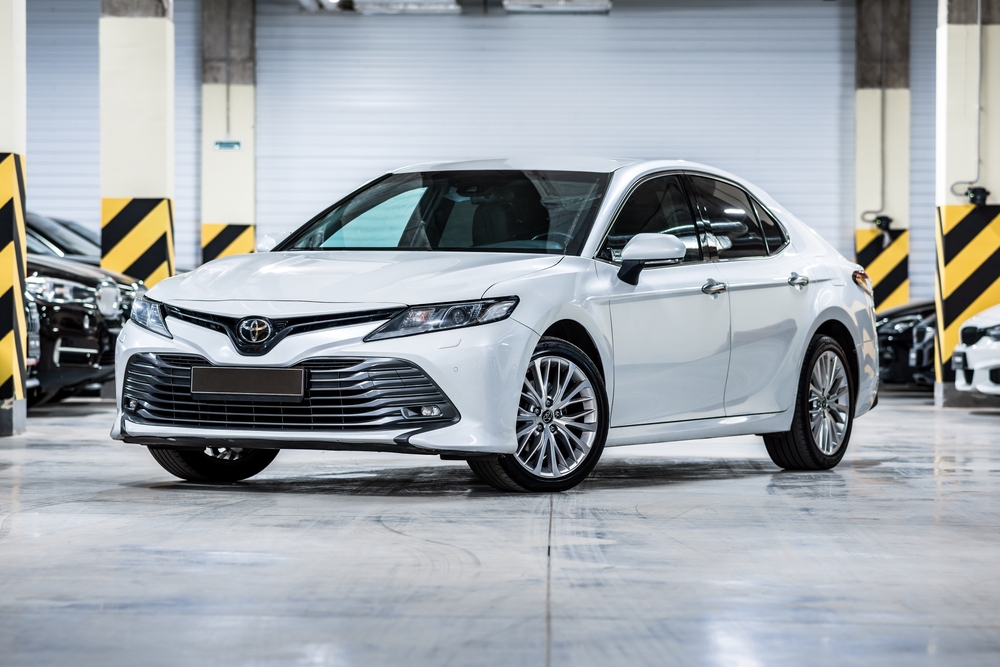
The person in the Toyota Camry or Honda Accord might be far wealthier than the one making payments on a BMW. Truly wealthy people often drive reliable, practical vehicles that cost less to maintain and don’t draw attention. They understand that cars are depreciating assets, and spending $80,000 on a luxury vehicle doesn’t make financial sense when a $30,000 car gets you to the same destination. The focus is on utility and reliability rather than impressing strangers at stoplights.
Meanwhile, people assume the luxury car driver must be doing well financially when they might be drowning in a $1,200 monthly payment. The expensive car becomes a wealth signal that actually indicates the opposite—someone prioritizing appearance over accumulation. Studies consistently show that millionaires drive modest cars and keep them for years. The flashy vehicle isn’t a sign of wealth; it’s often a sign of someone trying desperately to look wealthy.
2. Living in Modest Homes in Established Neighborhoods

Real wealth often lives in older, well-maintained homes in established neighborhoods rather than the newest McMansion developments. These homes were purchased years or decades ago, appreciated significantly, and have been paid off or nearly paid off. The mortgage is manageable or nonexistent, property taxes are reasonable, and the neighborhood has proven stability. There’s no need for the biggest house on the block when you’re actually secure.
The massive new construction homes in subdivisions, on the other hand, often house people stretched to their financial limits. Those impressive facades come with equally impressive mortgages, property taxes, HOA fees, and maintenance costs that consume enormous portions of income. Wealthy people understand that your home should support your life, not define it or drain your resources. Size and newness impress neighbors; actual equity and manageable costs create real security.
3. Wearing Unremarkable Clothing Without Visible Logos

Wealthy people often dress well but unremarkably—quality basics from brands most people wouldn’t recognize rather than logo-covered designer pieces. Their clothes fit well, last long, and don’t scream for attention. There’s no need to broadcast brand names when you’re secure in your actual financial position. The obsession with visible luxury branding is typically inversely related to actual wealth.
People struggling financially are far more likely to save up for that one logo handbag or designer belt because they need the external validation. The logo becomes the point rather than the quality or utility of the item itself. Truly affluent individuals know that people who matter don’t need labels to recognize quality, and people who focus on labels probably aren’t worth impressing anyway.
4. Taking Modest Vacations or No Vacation at All

The wealthy family might take a modest road trip or stay in a basic rental property rather than the five-star resorts that appear all over social media. They travel for the experience and family time rather than the Instagram content and status. Some wealthy people barely vacation at all because they’re focused on business, investments, or simply don’t feel the need to broadcast their leisure time. The absence of luxury vacation posts doesn’t mean absence of wealth—often it means the opposite.
Those expensive international trips and resort stays posted constantly online often represent people spending money they don’t have for photos they can share. The entire trip might be financed on credit cards or represents their entire discretionary budget for the year. Real wealth allows you to vacation however you want, which often means choosing comfort and meaning over spectacle.
5. Avoiding Debt Completely

Wealthy people often have zero debt—no car loans, no credit card balances, no personal loans for furniture or electronics. They buy what they can afford with cash and don’t purchase what they can’t afford outright. This debt-free existence provides flexibility, reduces stress, and allows more money to be invested rather than paid in interest. The freedom from monthly payments is itself a form of wealth that people carrying multiple debts can’t comprehend.
Americans have been conditioned to see debt as normal and even smart, but most wealthy individuals view debt as something to avoid except for strategic purposes like real estate or business investments. Consumer debt in particular is seen as the enemy of wealth building. When you’re not paying interest on cars, furniture, and vacations, that money compounds in investments instead. The absence of debt is one of the most powerful wealth signals there is, yet it’s completely invisible to outside observers.
6. Not Posting About Money on Social Media

Scroll through a wealthy person’s social media and you’ll likely see family photos, hobbies, or nothing at all—not financial status updates or luxury purchases. There’s no need to prove anything to an online audience when you’re genuinely secure. The silence around money matters is itself a signal, though one that most people misinterpret as meaning nothing interesting is happening financially. In reality, the most significant wealth building happens quietly, without announcement or audience.
People broadcasting their purchases, investments, and financial wins are often seeking validation they wouldn’t need if they were truly confident in their position. The performance of success on social media has become so normalized that its absence seems strange, but wealthy people know their accountant’s opinion matters infinitely more than internet strangers’. Privacy around finances is a luxury in itself that people desperate for recognition can’t afford to maintain.
7. Working Long Past Retirement Age

Some of the wealthiest people continue working well into their 60s, 70s, or beyond—not because they need to, but because they genuinely enjoy what they do or find purpose in it. This confuses people who assume wealth means early retirement and leisure. But many wealthy individuals built their wealth by being passionate about their work, and that passion doesn’t disappear just because they’ve accumulated money. The ability to work because you want to rather than because you have to is itself a form of freedom most people never experience.
Conversely, people retiring in their 50s and broadcasting it might be living on tight fixed incomes rather than genuine abundance. Early retirement can signal wealth, but it can just as easily signal someone who saved just barely enough to stop working and now lives modestly. The wealthy person still working doesn’t need to retire—they have the ultimate luxury of choosing how to spend their time without financial pressure dictating the decision.
8. Living Below Their Means Permanently

Wealthy people often maintain lifestyles well below what they could technically afford, and they do this permanently rather than temporarily. Someone making $500,000 annually might live the lifestyle of someone making $150,000, investing and saving the difference. This intentional gap between earnings and spending is how wealth compounds over time. They’re not depriving themselves—they’re simply not inflating their lifestyle to match every increase in income.
Most Americans do the opposite, immediately upgrading their lifestyle whenever income increases. This “lifestyle inflation” means earnings and expenses rise in lockstep, preventing wealth accumulation regardless of how much someone makes. The modest lifestyle maintained despite high income is nearly invisible to outsiders, who simply assume the person isn’t making much money. Meanwhile, that invisible wealth gap compounds into millions over decades.
9. Having Old Phones and Outdated Technology

The person still using an iPhone from three generations ago might be far wealthier than the one camping out for every new release. Wealthy people often use technology until it genuinely stops functioning rather than upgrading constantly for marginal improvements. They recognize that new phones, tablets, and gadgets are depreciating purchases that don’t enhance life proportionally to their cost. The lack of latest-model everything signals someone who doesn’t need to prove they can afford it.
Tech upgrades have become a weird status symbol where people prioritize having the newest device regardless of whether they need it. This creates a cycle of constant spending on depreciating items while wealthier individuals extract full value from their purchases. The scratched-up older phone in someone’s hand might belong to someone with seven figures in investments who simply doesn’t care what strangers think about their device.
10. Choosing Generic or Store Brands

Wealthy people frequently buy generic medications, store-brand groceries, and off-brand household items because they understand the products are often identical to name brands. They’re not cheap—they’re smart about where spending actually matters versus where you’re just paying for marketing and packaging. This selectiveness about spending is exactly how people build and maintain wealth rather than constantly draining it on premium versions of commodity goods.
The assumption that wealthy people always buy premium everything is wrong and counterproductive. Someone filling their cart with generic items might have more net worth than everyone else in the store combined. They’ve simply learned that paying extra for a branded label on identical products is the opposite of financial intelligence. Wealth building requires thousands of small decisions like this that add up to significant money over time.
11. Never Discussing Income or Net Worth

Truly wealthy people almost never discuss specific numbers around their income or assets unless there’s a professional reason to do so. They don’t need to prove anything, and they understand that discussing money creates uncomfortable dynamics and attracts unwanted attention. The silence around specific financial details is a protection strategy and a social courtesy. People who’ve achieved real wealth know that broadcasting it brings more problems than benefits.
Meanwhile, people constantly mentioning their income, bonuses, or investment returns are usually those who’ve recently achieved some success and need external validation. The need to tell people what you make or what you’re worth suggests insecurity about those numbers. Wealthy people let their choices and security speak for themselves without numerical announcements that serve no purpose except ego gratification.
12. Prioritizing Experiences Over Possessions

When wealthy people do spend significantly, it’s often on experiences—travel, education, time with family—rather than accumulating possessions. They understand that objects lose value and appeal while experiences create memories and personal growth. This doesn’t mean expensive resort vacations necessarily; it might mean paying for family to gather together or investing in learning opportunities. The focus is on what money can enable rather than what it can buy.
People misread this as wealthy individuals being cheap about physical goods when actually they’re being selective about what provides real value. Someone who spends modestly on cars and clothes but generously on family experiences has completely different priorities than someone buying luxury items for display. The experience-focused spending is often invisible to outsiders, making truly wealthy people appear more frugal than they actually are.
13. Maintaining Long-Term Relationships With Service Providers

Wealthy people often use the same accountant, lawyer, mechanic, or hairdresser for decades, building relationships based on trust and quality rather than constantly seeking the cheapest option. They understand that good professionals are worth paying fairly and that relationship continuity has value. This loyalty creates a network of trusted advisors who know their situation and provide better service over time. The stability in these relationships reflects a different approach to money than constant price shopping.
People struggling financially often bounce between providers seeking deals, never building the relationships that could actually serve them better. The wealthy person paying full price to their long-term mechanic gets better service, honest advice, and priority attention compared to the bargain hunter at a different shop each time. These relationships are an invisible form of wealth that compounds through better outcomes and reduced stress over time.
14. Showing No Interest in Keeping Up With Trends

Wealthy people often seem completely oblivious to current trends in fashion, technology, or lifestyle because they genuinely don’t care about following whatever’s popular at the moment. They wear styles that suit them regardless of what’s trending, use products that work for their needs, and make decisions based on personal preference rather than social pressure. This indifference to trends reads as being out of touch when it actually reflects the confidence that comes with security.
Trend-chasing requires constant spending to stay current and signals someone who needs external validation through conformity. The person wearing unfashionable but quality clothing and driving an older reliable car isn’t unaware of trends—they’ve simply opted out of the expensive cycle of keeping up. This opting out is itself a privilege of wealth that allows you to ignore social pressure to constantly update and upgrade.
15. Having Multiple Income Streams Nobody Knows About

Truly wealthy people often have diversified income from investments, rental properties, businesses, or other sources that aren’t visible to casual observers. They might work a regular job while real estate generates significant passive income, or own stake in businesses nobody knows about. This invisible income means their lifestyle might seem modest relative to their actual earnings because much of what they make goes directly into investments rather than being spent visibly.
The assumption that someone’s lifestyle reflects their income is fundamentally flawed when dealing with wealthy individuals. Someone living modestly might have investment income, dividends, and passive revenue streams that dwarf their visible salary. The discretion around these income sources prevents others from making assumptions or requests, while allowing the wealth to compound quietly. This financial privacy is the ultimate luxury that few people even recognize as a signal of genuine prosperity.
This article is for informational purposes only and should not be construed as financial advice. Consult a financial professional before making investment or other financial decisions. The author and publisher make no warranties of any kind.