

Just a few years ago, homes were flying off the market in days, sometimes with multiple offers over asking price. That frenzied seller’s market created expectations that stuck around even as conditions shifted. Now certain properties are languishing for weeks or months with price cuts and still no buyers, while others in the same neighborhoods sell quickly. The difference isn’t random—specific factors are making buyers walk past certain homes no matter how many times the price drops or how aggressively they’re marketed.
1. Pricing Above Current Market Reality

Sellers often anchor their expectations to peak market prices from 2021 or 2022, refusing to accept that conditions have changed. They list homes at prices that would have made sense two years ago but are completely disconnected from today’s buyer pool and interest rate environment. The stubbornness about pricing creates a stalemate where the home sits unsold while comparable properties priced realistically move quickly.
Buyers today are more cautious and informed, with access to extensive data about recent sales and market trends. An overpriced home is immediately obvious, and most won’t even bother viewing it. Each week the property sits on the market makes it less appealing, as buyers wonder what’s wrong with it that nobody else wanted it. Eventually sellers cut the price, but by then the listing has gone stale and needs even deeper cuts to generate renewed interest.
2. Located in Formerly Hot Markets That Peaked
Certain markets that boomed during the pandemic—secondary cities, resort towns, and remote work destinations—are seeing sharp corrections as people return to offices. Homes in these areas were bid up to unsustainable levels by remote workers and people fleeing expensive cities. Now that remote work policies have tightened and people are reconsidering their choices, demand has evaporated. Properties that seemed like smart investments at peak are now sitting without buyers willing to meet inflated asking prices.
These markets often had limited underlying economic fundamentals to support the price increases in the first place. The demand was temporary and trend-driven rather than based on jobs, infrastructure, or long-term growth. As the trend reverses, sellers find themselves competing with numerous other properties in the same situation, all chasing a much smaller pool of buyers. The correction in these markets is often severe because the run-up was so disconnected from local economic reality.
3. Poor Condition or Obvious Deferred Maintenance

Buyers today expect move-in ready homes and have little appetite for projects, especially with renovation costs and interest rates both elevated. Properties showing visible neglect—peeling paint, old roofs, outdated systems, overgrown landscaping—get immediately dismissed. The buyer pool willing to take on significant work has shrunk dramatically compared to when money was cheaper and optimism higher. Sellers hoping someone will see potential are finding that most buyers see problems and headaches instead.
The issue compounds because sellers often price these properties as if condition doesn’t matter, expecting buyers to overlook obvious issues. In reality, buyers either won’t consider the property at all or will only be interested at a significant discount that reflects repair costs plus the inconvenience. The gap between what sellers think their property is worth and what buyers will actually pay grows wider the longer the home sits. By the time sellers accept reality, the best buyers have already purchased other properties.
4. Awkward Layouts That Don’t Photograph Well
In an era where most house hunting begins online, homes with strange layouts or that don’t photograph attractively struggle to get showings. Choppy floor plans, poor flow, small rooms, or awkward spaces that might be workable in person never get that chance because buyers skip them based on photos alone. The listing might get dozens of online views but almost no actual showings because it fails the visual test before anyone experiences the space in person.
Open floor plans and specific design aesthetics have become so expected that anything deviating gets dismissed quickly. Dated layouts with formal dining rooms, separated kitchens, or compartmentalized spaces feel old-fashioned to buyers who’ve been conditioned by HGTV. These properties require buyers with vision, which is a much smaller pool than buyers seeking turnkey homes that look like current trends. Unless priced to reflect this limitation, they sit while more photogenic properties sell.
5. In Areas With Deteriorating Schools or Services
Neighborhoods where school ratings have declined or municipal services have degraded see homes sitting longer regardless of property quality. Families with children immediately filter out areas based on school performance, eliminating entire neighborhoods from consideration. The reduction in buyer pool is significant and immediate when school ratings drop even slightly. Sellers often don’t realize how much school quality affects property values until they try to sell and find minimal interest.
Municipal service cuts, increased crime, or infrastructure deterioration create similar effects as word spreads through the buyer community. Once an area develops a reputation for declining quality of life, reversing that perception takes years even if conditions improve. Properties in affected neighborhoods need significant price reductions to compensate for these perceived risks. Sellers who bought when the area was more desirable struggle to accept the new reality that their home’s value has declined along with the neighborhood’s reputation.
6. HOA Issues or Excessive Fees
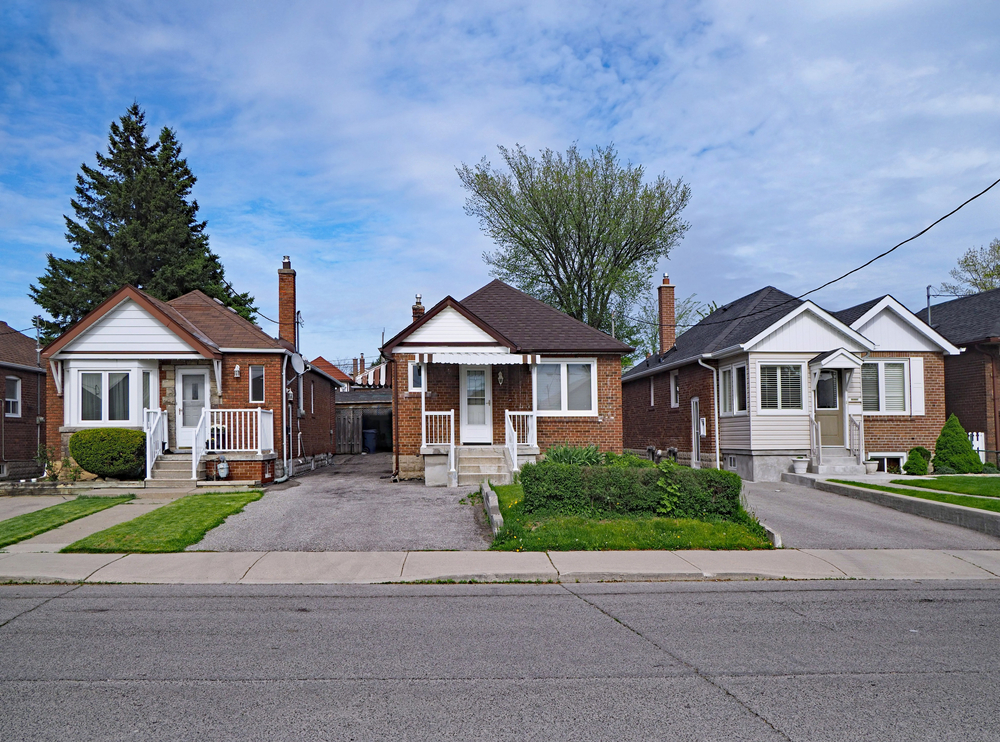
Properties in communities with aggressive HOAs, high fees, or visible discord sit on the market as buyers learn to ask detailed questions about association dynamics. Monthly fees exceeding a few hundred dollars immediately reduce the buyer pool, as that money could go toward a larger mortgage instead. Special assessments, pending litigation, or rules that restrict common activities make buyers nervous about future costs and conflicts. Once buyers start researching the HOA, they often discover issues the seller hoped would remain unknown until after closing.
The HOA experience varies so dramatically that many buyers now specifically filter out properties with associations entirely. Stories of power-tripping board members, arbitrary rule enforcement, and endless fee increases have made buyers wary. Even well-run HOAs face skepticism in the current market where buyers want maximum control over their property. Sellers in these communities find themselves competing not just with other homes but with the growing preference for association-free living.
7. Proximity to Newly Developed Problem Properties

A home that was fine last year might suddenly sit on the market because something changed nearby—a halfway house opened, a commercial property changed use, or a neighboring house became a problem rental. These changes affect desirability immediately but sellers often price as if nothing has changed. Buyers notice these issues during showings or research and simply move on to other options without explanation. The seller may be confused about why interest has dropped when the actual property hasn’t changed at all.
Fight as sellers might, they can’t control their surroundings, and buyers make decisions based on the total environment. A barking dog next door, a poorly maintained neighboring property, or new traffic patterns all impact value regardless of the home’s condition. Sellers sometimes learn about these issues only through buyer feedback after multiple failed showings. By the time they adjust pricing to reflect the diminished desirability, the listing has already accumulated days on market that make it seem even less appealing.
8. Requiring FHA or VA Financing in Current Condition
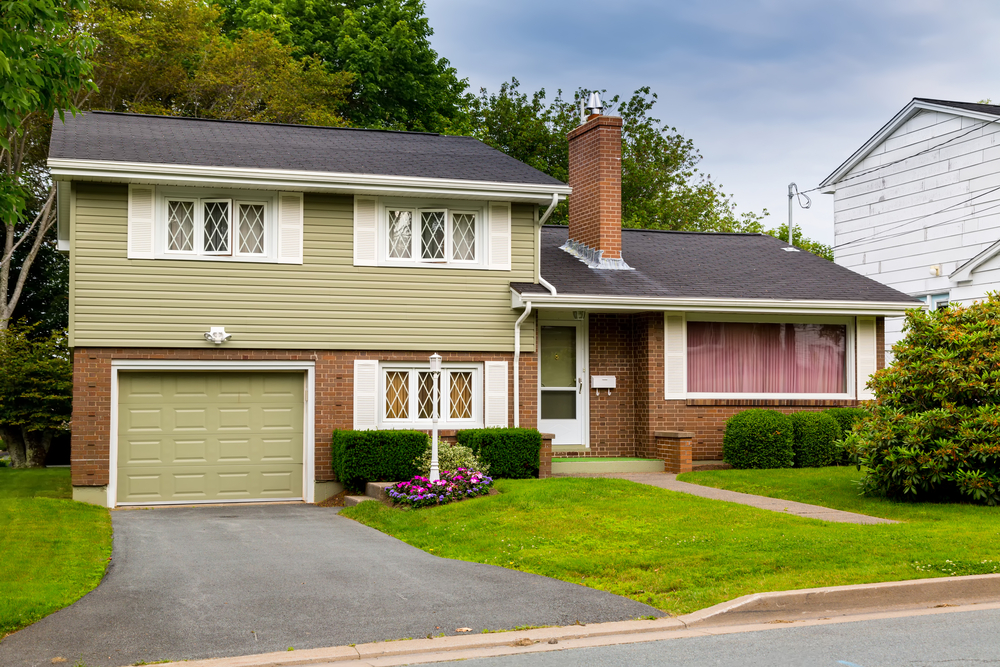
Properties that would only qualify for FHA or VA financing due to condition issues face a challenging market position. These loan types have stricter property standards, yet the homes needing them are often in conditions that won’t pass those inspections. Sellers price for the broad market but find their actual buyer pool limited to cash or conventional buyers willing to overlook issues. The mismatch between condition and pricing strategy leaves properties sitting without offers that work for either party.
First-time buyers who typically use FHA loans get interested but then learn the property won’t qualify for their financing. Cash buyers who could close regardless want significant discounts for taking on properties others can’t finance. The seller is caught between pricing for a market that can’t actually buy the house and pricing for buyers who can but won’t at those numbers. This fundamental disconnect explains why some lower-priced homes sit longer than more expensive but move-in ready alternatives.
9. Unique Features That Appeal to Almost Nobody
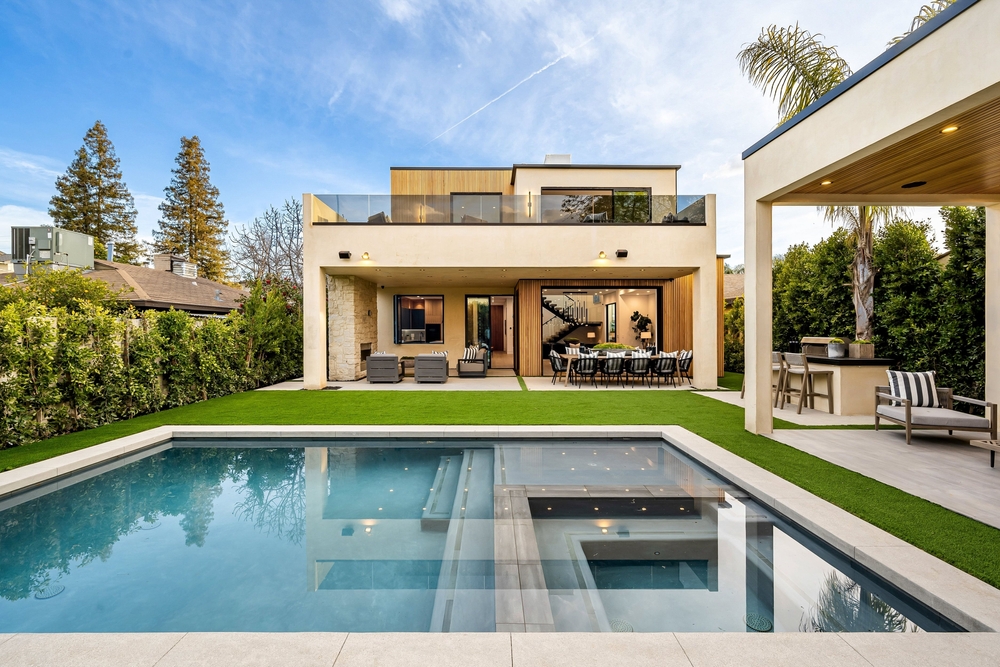
Homes with highly customized features, unusual layouts, or niche amenities find small buyer pools in any market, but especially in slower conditions. The indoor pool, elaborate home theater, or converted garage-to-studio seemed like value-adds to the seller but actually limit appeal to the general buyer population. Most people don’t want to maintain a pool, don’t need a theater, and would prefer a garage. These features often add cost and complexity without adding corresponding value in buyers’ eyes.
The seller invested heavily in these customizations and expects to recoup that investment, pricing the home as if the features add value. In reality, many buyers see them as negatives they’ll need to remove or work around. The home sits on the market while the seller insists these are premium features and refuses to price accordingly. Eventually reality sets in that unique doesn’t mean valuable, and highly customized properties often need to be priced below comparable standard homes to offset the limited appeal.
10. Solar Panel Leases or Other Transferable Obligations

Buyers researching properties discover solar panel leases, PACE loans, or other liens that transfer with the property and immediately lose interest. These obligations seemed like good ideas when installed but now complicate sales significantly. The leases often have terms that are worse than current solar economics, making them liabilities rather than assets. Buyers either don’t want the complexity or calculate that the transferred obligation negates any savings, removing the supposed benefit entirely.
Sellers often don’t disclose these issues upfront, so buyers discover them during due diligence and walk away feeling misled. Even when disclosed, explaining the terms and trying to convince buyers these are actually beneficial rarely succeeds. Properties with these complications sit longer and often sell for less to the subset of buyers willing to accept the transferred obligations. Some sellers end up paying to break the leases or satisfy the liens just to make the property marketable.
11. Staged Too Personally or Not at All
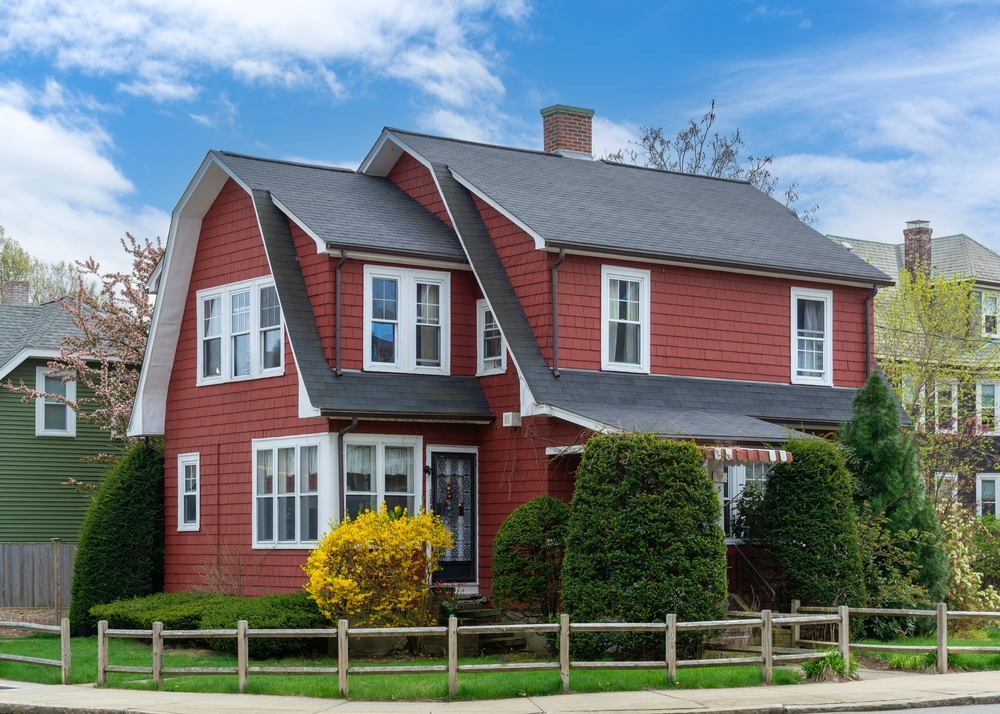
Homes either over-staged with the seller’s personal taste or left completely unstaged both struggle in current markets where presentation matters enormously. Buyers viewing cluttered personal spaces can’t visualize themselves living there, while empty homes feel cold and hard to evaluate. The explosion of design content has raised buyer expectations about how homes should look, making poor presentation stand out negatively. Sellers who won’t invest in proper staging or who stage incorrectly find their homes skipped over in favor of better-presented alternatives.
Professional staging has become nearly essential in competitive markets, yet many sellers balk at the cost or think their personal decorating is sufficient. The reality is that staging is marketing, and homes that market well sell faster and for more money. The few thousand dollars sellers save by not staging often costs them tens of thousands in eventual price reductions. By the time this becomes apparent, the property has sat long enough that staging alone won’t fix the staleness—it requires price cuts too.
12. In the Path of Insurance Market Chaos
Properties in areas where insurance costs have spiked or availability has disappeared face major marketability issues. Coastal areas, wildfire zones, and flood plains see buyers withdrawing when they discover insurance costs that equal or exceed the mortgage payment. Sellers often don’t realize how much insurance dynamics have changed until buyers start backing out after receiving insurance quotes. The property might be lovely but effectively unfinanceable when insurance is unaffordable or unavailable through standard markets.
This issue particularly affects markets that were fine historically but have recently become high-risk due to climate change or claims history. Sellers bought when insurance was reasonable but now face buyers who can’t justify the total monthly costs. The problem extends beyond individual properties to entire neighborhoods or regions being functionally redlined by insurance markets. No amount of price cutting solves insurance unavailability, leaving properties in affected areas increasingly difficult to sell at any price.
13. Listed by Sellers Who Won’t Negotiate or Make Repairs
Rigid sellers who refuse to negotiate on price or address inspection issues find their homes sitting while more flexible sellers close deals. Today’s buyers expect some negotiation and sellers willing to address reasonable repair requests. Properties where sellers have drawn hard lines—”price is firm” or “selling as-is, no repairs”—immediately reduce the buyer pool to those desperate enough to accept no-negotiation terms. In most markets, that pool is very small compared to buyers who expect normal transaction dynamics.
The stubbornness often stems from sellers who don’t actually need to sell and would rather wait than compromise. Unfortunately, every month a property sits is a month of costs, market exposure, and declining appeal to buyers. By the time sellers realize their approach isn’t working, they’ve lost their best buyers and the market has moved on. The eventual sale almost always involves more compromise than if they’d been reasonable from the start, plus months of carrying costs and stress.
14. Subject to New Development or Zoning Changes
Homes near approved developments, proposed zoning changes, or pending infrastructure projects sit on the market as buyers worry about future impacts. The uncertainty itself is enough to scare off many buyers even if the changes might be neutral or positive. Sellers often aren’t fully aware of what’s been approved or proposed, so they can’t address concerns effectively. Buyers doing research discover these issues and simply move on to properties without these question marks hanging over them.
The challenge for sellers is that they can’t control or change these external factors, yet they directly impact desirability and value. A planned apartment complex, road widening, or commercial development nearby creates enough doubt to tank buyer interest regardless of the home’s quality. By the time sellers accept this reality and price accordingly, they’ve lost months of marketing time to buyers who are long gone. Properties in these situations often need significant discounts to compensate buyers for accepting the uncertainty and potential future impact.
This article is for informational purposes only and should not be construed as financial advice. Consult a financial professional before making investment or other financial decisions. The author and publisher make no warranties of any kind.