

Retirement was supposed to mean stretching your fixed income in a comfortable, affordable place where your savings could last. But in certain states, the cost of living has escalated so quickly that retirees who’ve been there for years are reconsidering whether they can afford to stay. These aren’t always the obvious expensive states—some places that were retirement havens a decade ago have become financial pressure cookers. Property taxes surge, insurance costs spiral, and everyday expenses creep up until fixed incomes simply can’t keep pace with the bills.
1. Florida
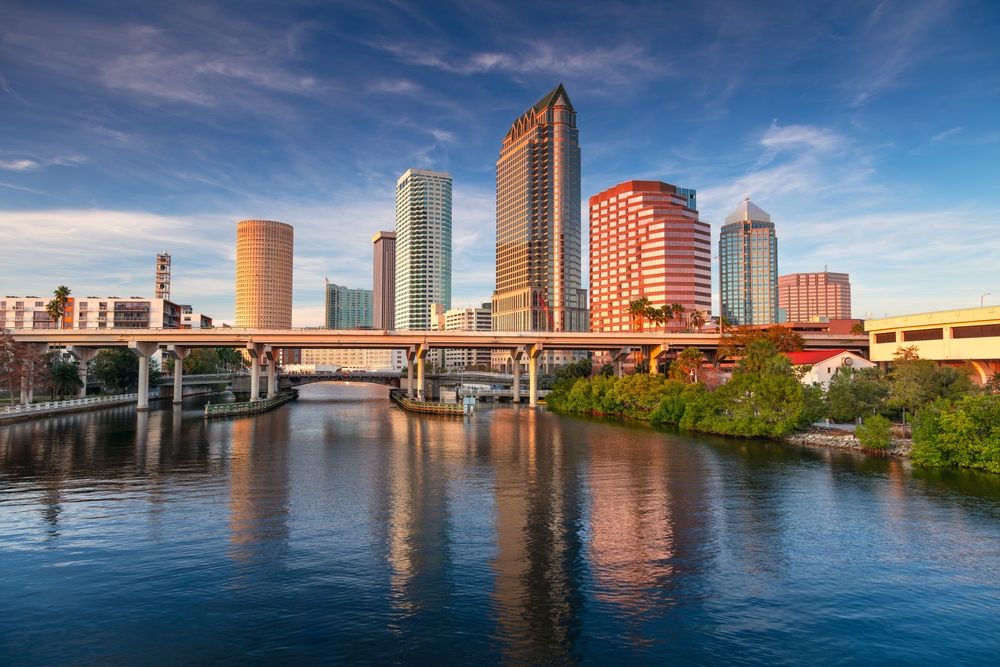
Florida built its reputation as a retirement paradise with no state income tax and warm weather year-round. That image persists even as the reality has shifted dramatically for people living on fixed incomes. Property insurance has become prohibitively expensive or outright unavailable in many coastal areas, with annual premiums reaching $10,000 or more for modest homes. Hurricane risk and insurance company exits from the state have created a crisis that hits retirees especially hard.
Property taxes have also climbed steadily despite the homestead exemption, and the overall cost of living has increased as wealthy transplants drive up prices. HOA fees in retirement communities have skyrocketed as buildings age and require major repairs and insurance costs get passed to residents. The all-in cost of retirement in Florida—insurance, taxes, HOA, utilities, and general expenses—often exceeds what the same lifestyle would cost in less trendy states. Many retirees who moved to Florida decades ago are now considering leaving for more affordable Southern states where their money goes further.
2. California

California’s high cost of living is no secret, but retirees who’ve been there for decades are facing impossible choices between staying near family and maintaining financial stability. Property taxes, even with Proposition 13 protections, continue rising as home values climb. The state also taxes retirement income including pensions and 401(k) withdrawals, which surprises retirees who didn’t plan for that expense. Healthcare expenses in California run well above other states, eating into retirement budgets faster than anticipated.
Wildfires have created an insurance crisis similar to Florida’s hurricanes, with some mountain and rural areas becoming nearly uninsurable at reasonable rates. The dream of aging in place in the home you’ve owned for 30 years becomes impossible when insurance alone costs $15,000 annually. Combined with property taxes and the general cost of living, many fixed incomes simply can’t sustain a California lifestyle. Retirees sell homes that have appreciated enormously and move to states like Nevada, Arizona, or Texas where that equity translates to a much more comfortable existence.
3. Colorado
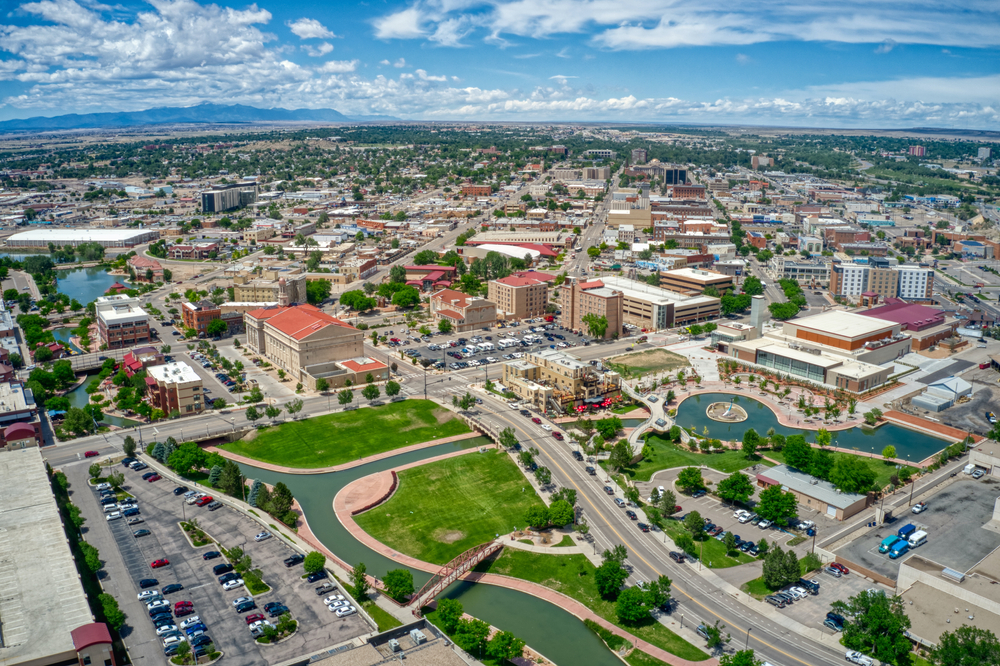
Colorado attracted retirees with outdoor recreation, natural beauty, and what was once a reasonable cost of living. Those days are gone as the state has become increasingly expensive across the board. Property taxes have climbed steeply in desirable areas, and home values have appreciated so much that long-time residents face taxes on assessed values triple what they were a decade ago. The state also fully taxes Social Security benefits and retirement income, unlike many neighboring states.
The influx of wealthy remote workers during the pandemic accelerated price increases that were already problematic for retirees on fixed incomes. Healthcare costs in mountain communities run particularly high due to limited competition and geographic challenges. Retirees in resort towns find themselves priced out not just of housing but of basic services as workers can’t afford to live nearby. What was sold as an active retirement paradise has become financially untenable for many, forcing relocations to New Mexico, Montana, or back to the Midwest where costs are more manageable.
4. Arizona
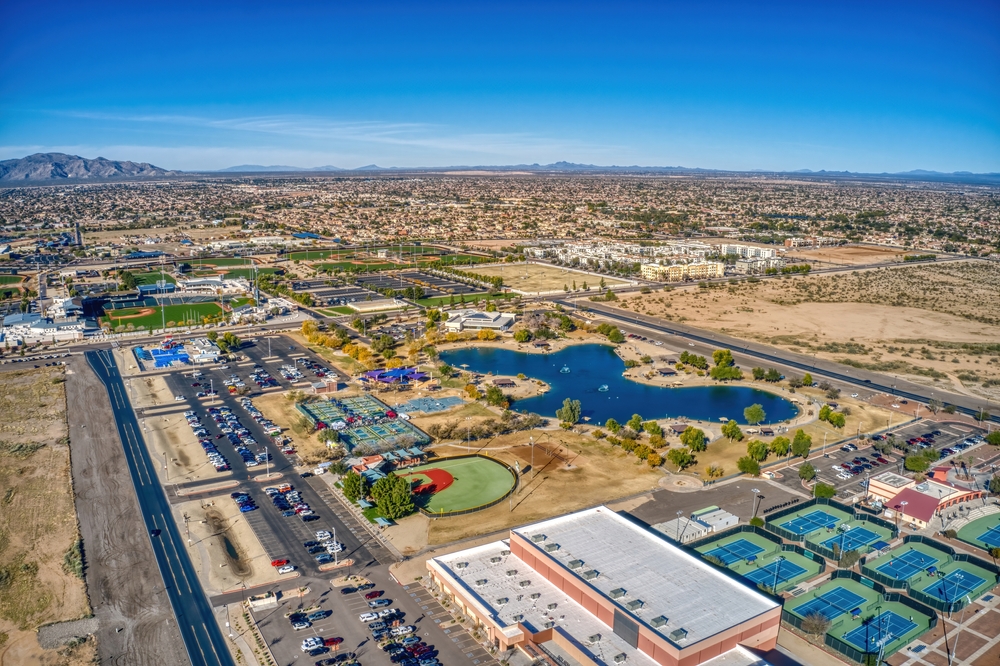
Arizona’s reputation as a retiree-friendly state is being tested by rapidly rising costs and climate concerns. Property taxes in the Phoenix metro area have increased significantly as home values soared, while utilities—particularly air conditioning—have become crushingly expensive during longer, hotter summers. The state taxes retirement income at higher rates than many competing retirement destinations, which comes as a surprise to many newcomers. Water scarcity issues threaten long-term viability of desert communities, creating uncertainty about future costs and restrictions.
The heat itself has become a health concern as temperatures regularly exceed what many older adults can safely tolerate even with air conditioning. Medical costs have also climbed as demand from the aging population exceeds healthcare capacity in many areas. Combined with inflation that’s hit Arizona particularly hard and rising insurance costs, the overall picture looks less appealing than it did even five years ago. Retirees who moved to Arizona for affordable desert living are finding that affordability has disappeared, prompting some to relocate to milder climates in the Pacific Northwest or Southeast.
5. Nevada

Nevada attracted retirees with no state income tax, proximity to California, and affordable housing compared to neighboring states. Those advantages have eroded as Las Vegas and Reno housing markets have exploded and property taxes have risen accordingly. The state’s reliance on sales tax means retirees pay a high rate on every purchase, offsetting the income tax benefit. Healthcare infrastructure struggles to keep up with the growing retirement population, leading to longer wait times and higher costs.
The boom in remote workers and California transplants has driven up prices across the state, particularly in areas that were previously affordable for retirees. Fixed incomes that seemed adequate a few years ago no longer cover the same lifestyle. The desert climate that seemed appealing becomes more challenging with age, and the entertainment-focused culture doesn’t necessarily serve retirees’ actual needs. Insurance costs have also climbed as climate-related weather events become more common, adding another layer of expense to what was supposed to be a budget-friendly retirement destination.
6. Oregon
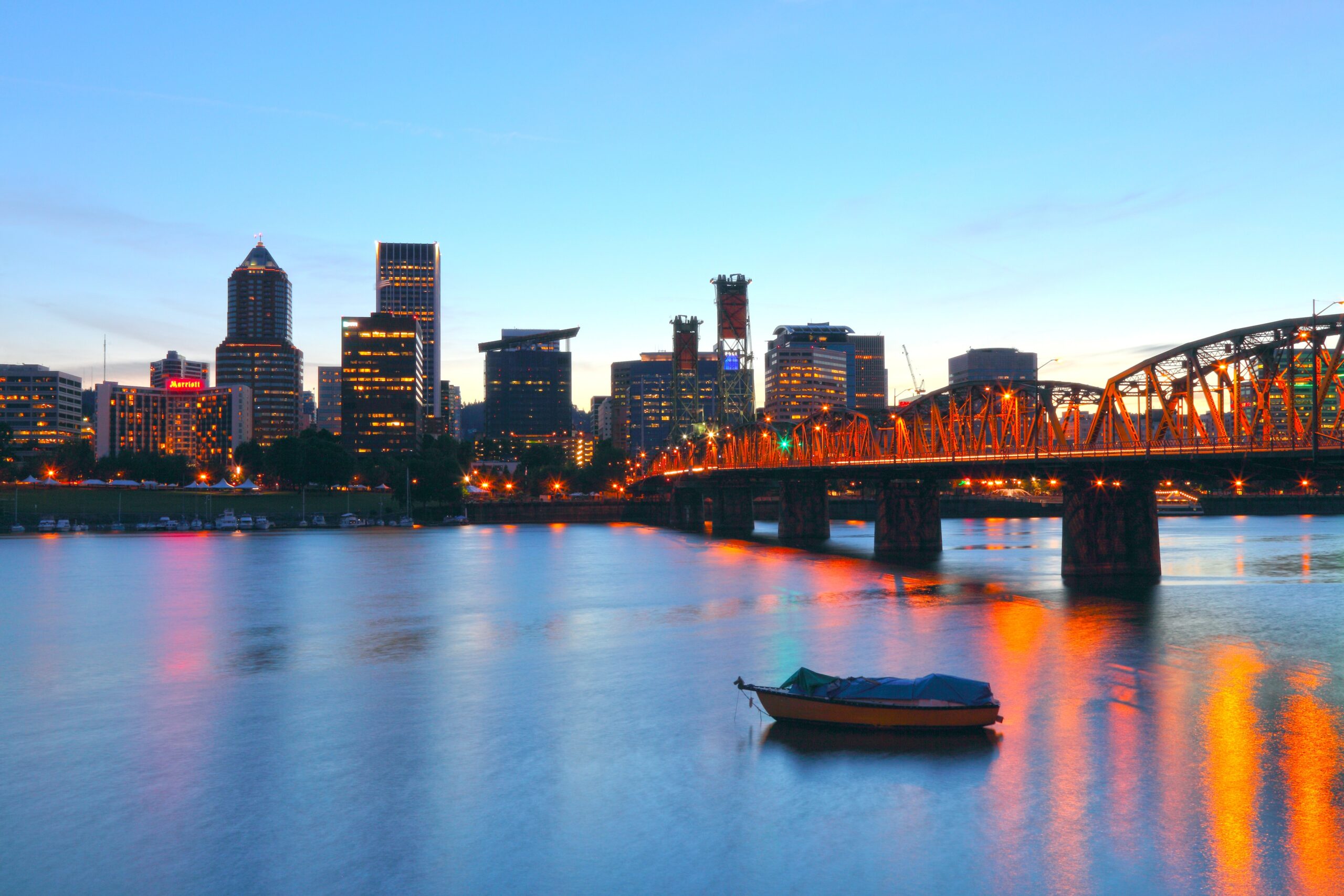
Oregon’s natural beauty and lack of sales tax made it seem like an ideal retirement destination. However, property taxes are high and rising, and the state fully taxes retirement income including Social Security. The cost of living in desirable areas like Portland and the coast has become prohibitively expensive for people on fixed incomes. Wildfire risk has increased dramatically, with summers now routinely bringing hazardous air quality and evacuation concerns that affect insurance availability and costs.
Healthcare costs run above national averages, particularly in rural areas with limited options. The wet climate that provides the lush scenery also contributes to mold issues and high heating costs that affect older adults disproportionately. What seemed like a comfortable retirement environment has become financially and environmentally challenging as property values surge and climate concerns mount. Many Oregon retirees are relocating to Idaho, Montana, or back to the Midwest where costs are lower and climate concerns less pressing.
7. Washington
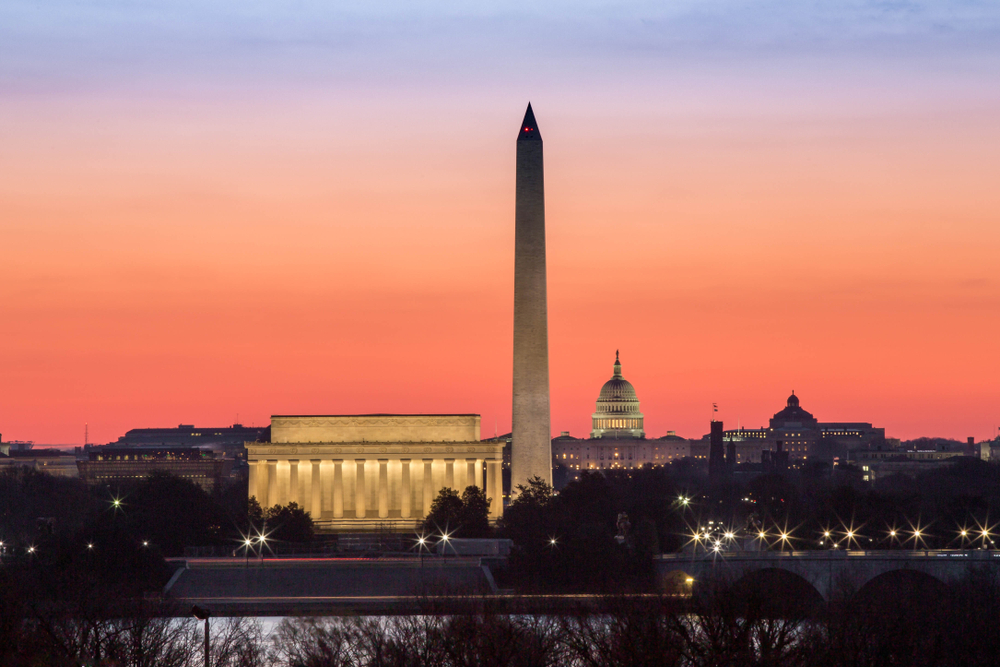
Washington’s lack of state income tax and beautiful scenery attracted retirees willing to tolerate rain. But property taxes are among the highest in the nation, and the state compensates for no income tax with high taxes on everything else. Sales tax rates in many areas exceed 10%, making every purchase significantly more expensive. The cost of living in the Seattle area and even smaller cities has skyrocketed beyond what most retirees can sustain on fixed incomes.
Property values have increased so much that selling and relocating has become the only way some retirees can maintain their lifestyle. Healthcare is expensive despite good hospital systems, and long-term care costs are particularly high compared to other states. The rain and gray skies that seemed like a small tradeoff become more oppressive with age, affecting mental health and mobility. Many Washington retirees are moving to sunnier, more affordable states where their retirement savings will last longer and quality of life feels higher.
8. New York
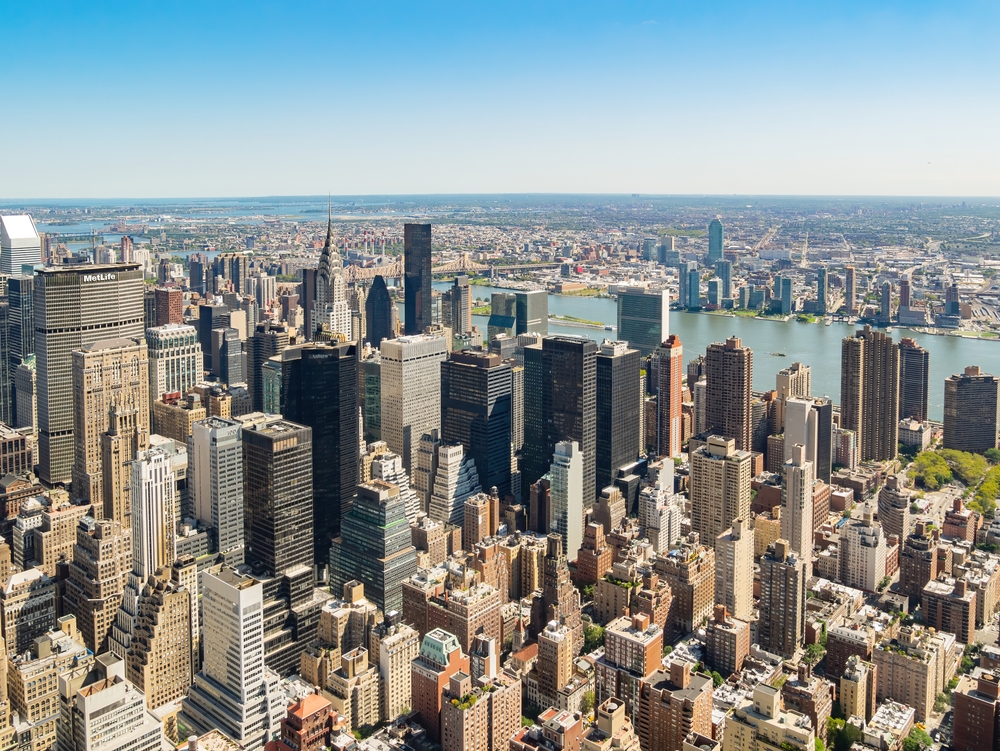
New York has never been cheap, but retirees who stayed for family and familiarity are finding even that justification insufficient. Property taxes are crushingly high even outside New York City, and the state taxes all forms of retirement income. The overall cost of living makes fixed incomes feel inadequate no matter how much you saved. The harsh winters become harder to tolerate with age, requiring expensive heating and creating mobility and safety concerns.
Healthcare is excellent but expensive, and long-term care costs are among the highest in the nation. Younger family members are also leaving New York for economic reasons, removing the main justification many retirees had for staying. Without family nearby and facing financial pressure, the decision to relocate becomes easier. The equity they’ve built in homes allows them to relocate to states like Florida, the Carolinas, and Tennessee where costs are a fraction of what they left behind and the same money provides a dramatically better lifestyle.
9. Massachusetts
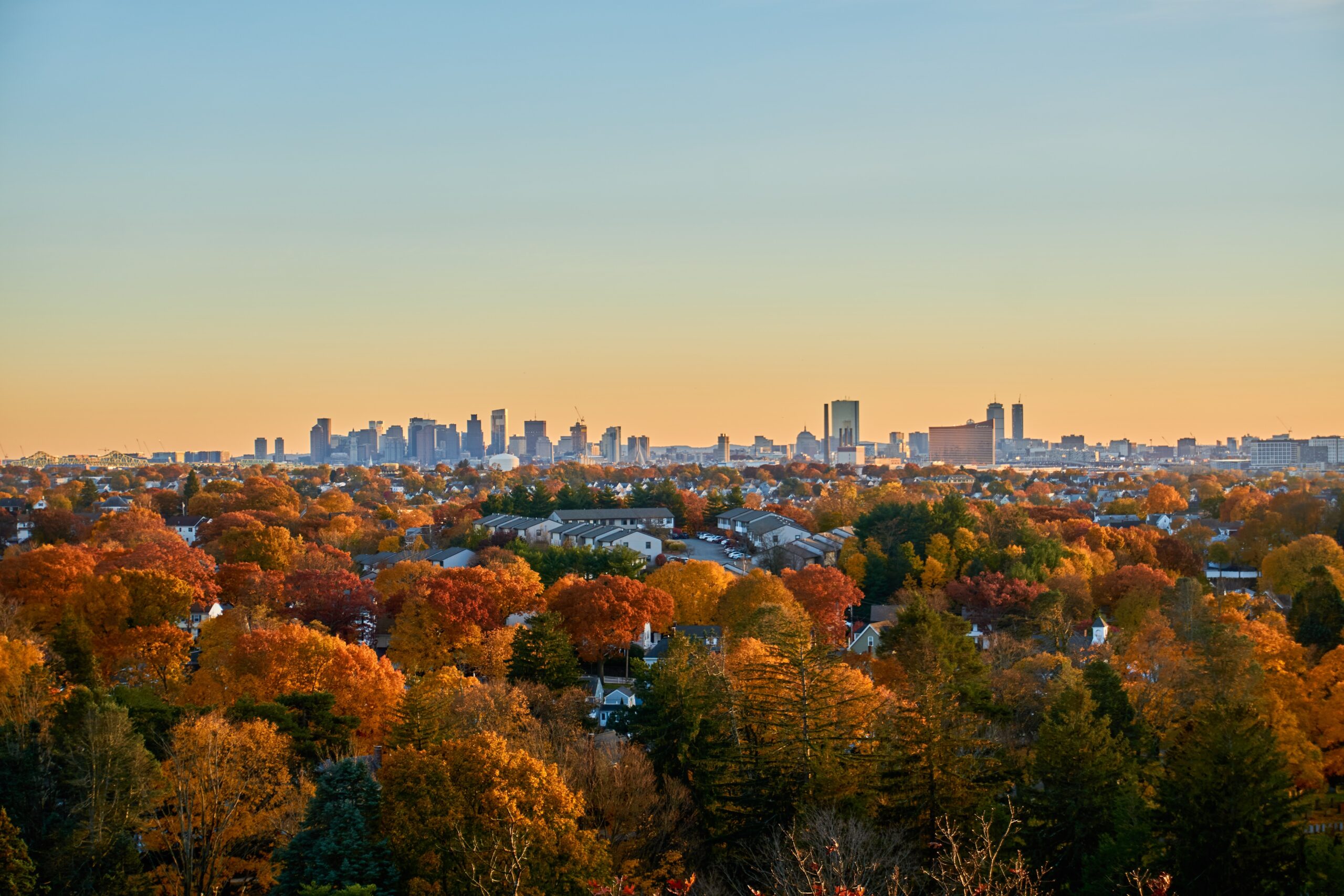
Massachusetts combines high property taxes, full taxation of retirement income, and an expensive overall cost of living. Even areas outside Boston have become expensive enough that retirees on modest incomes struggle to maintain their homes. Healthcare is excellent but costly, and utilities—particularly heating in harsh winters—consume significant portions of fixed incomes. Insurance costs for both property and health run well above national averages.
Long winters are increasingly difficult to manage with age, yet heating costs keep climbing. The cultural and educational amenities that made Massachusetts appealing lose some value in retirement compared to the financial burden of staying. Many retirees who spent their careers in Massachusetts are selling homes with significant equity and relocating to states that treat retirement income more favorably. Popular relocation destinations include New Hampshire, the Carolinas, and Florida, where the tax burden is substantially lower and the same lifestyle costs far less.
10. New Jersey
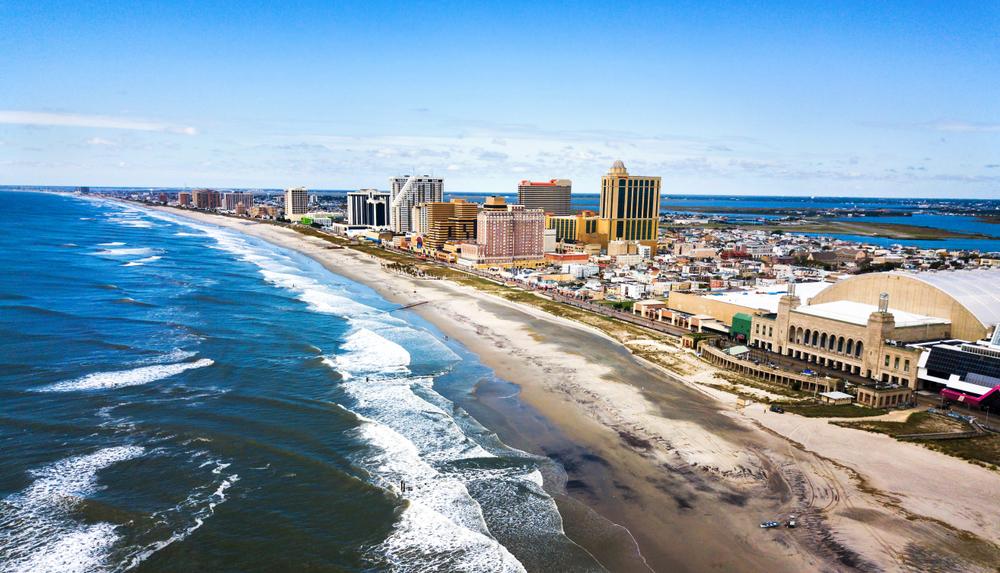
New Jersey has the highest property taxes in the nation, which alone makes it challenging for retirees on fixed incomes. The state also taxes most retirement income, though there are some exemptions for lower-income retirees. Overall cost of living is extremely high, particularly near New York City. Property taxes alone can equal what entire monthly budgets would be in other states, making the value proposition simply unworkable for most retirees compared to alternatives.
The state has been losing retirees for years to places like Florida, Pennsylvania, and the Carolinas. Those who stay often do so only because of family ties, not because the state makes financial sense for retirement. Healthcare is good but expensive, and the state’s overall environment has shifted in ways that make some retirees uncomfortable staying. The combination of financial pressure and quality-of-life concerns drives ongoing outmigration of the retirement population, particularly those with significant home equity who can dramatically improve their lifestyle by relocating.
11. Hawaii

Hawaii is paradise with a price tag that has become impossible for many retirees to sustain. The cost of living is roughly 80% higher than the national average, with groceries, utilities, and basic goods costing far more than on the mainland. Property taxes and insurance have both climbed significantly, and property values have reached levels that make even modest homes worth over a million dollars in desirable areas. Healthcare costs are high and options limited compared to the mainland, requiring some retirees to travel for specialized care.
The isolation that makes Hawaii beautiful also creates challenges as retirees age and need more services or want to visit family on the mainland. The paradise lifestyle becomes less important when you’re stressed about money or isolated from family and necessary services. Many long-time residents are selling and moving to the West Coast where they can visit Hawaii occasionally rather than paying premium prices to live there. Selling Hawaiian property provides enough equity to retire very comfortably almost anywhere else, making relocation increasingly appealing despite the emotional attachment.
12. Connecticut
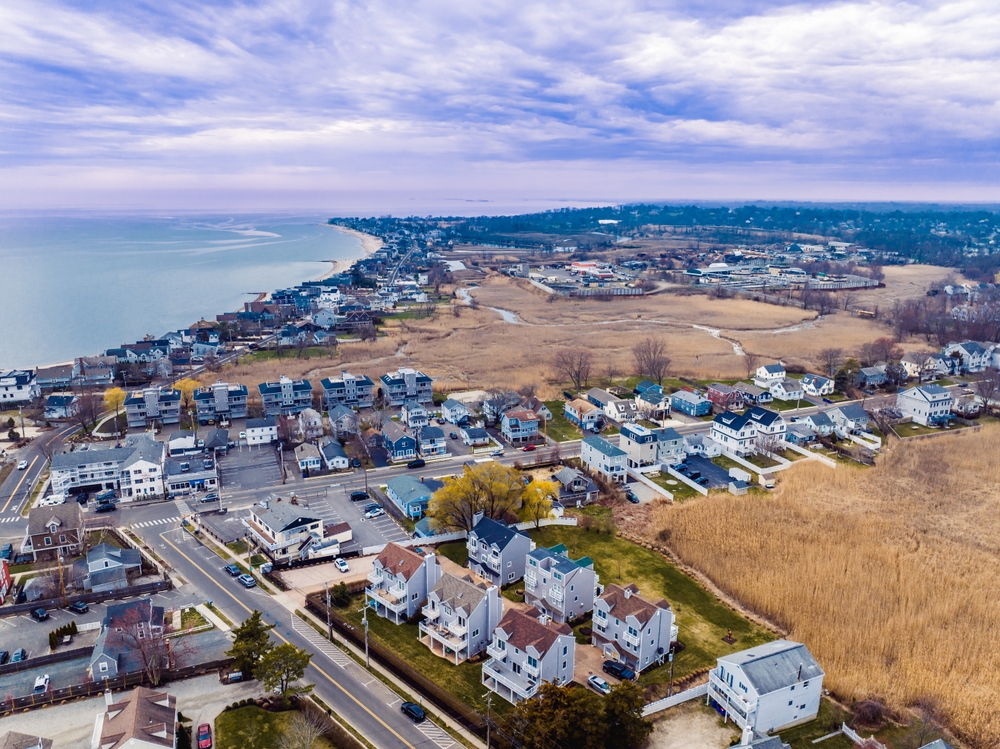
Connecticut combines high property taxes, taxation of retirement income, and an expensive overall cost of living. The state has been losing retirees steadily to lower-cost alternatives that offer similar or better quality of life. Property values haven’t appreciated as much as in other expensive states, meaning residents face high taxes without the corresponding wealth-building benefit. Utilities, particularly heating, are costly due to long winters and expensive energy.
The cultural amenities and proximity to New York that once justified the costs feel less important in retirement compared to financial security. Harsh winters become harder to tolerate with age, adding physical challenges to financial ones. Healthcare is good but expensive, and the state’s fiscal challenges create uncertainty about future taxes and service levels. Many Connecticut retirees are choosing to leave for states like South Carolina, North Carolina, or Florida where their money goes much further and the climate is more forgiving.
13. Maryland
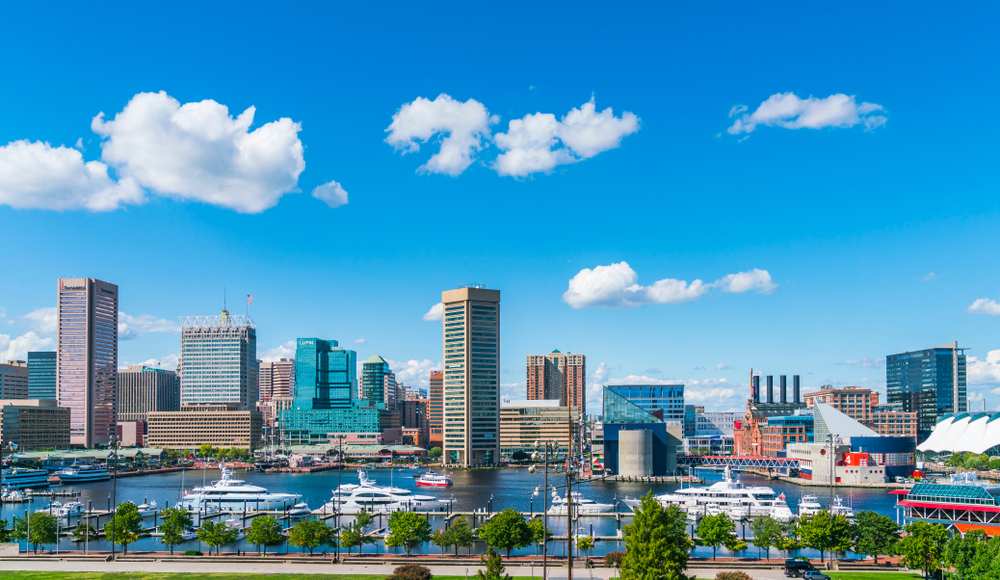
Maryland taxes all retirement income including Social Security, though there are some exemptions for lower earners. Property taxes are high, particularly in desirable areas near Washington DC or Baltimore. The overall cost of living runs well above national averages, and traffic and congestion have worsened, making daily life more stressful for older adults. Healthcare is excellent but costly, particularly specialized care in the Baltimore-Washington corridor.
The state’s fiscal situation creates uncertainty about future tax increases and service cuts that concern retirees planning for decades ahead. Many retirees find themselves paying premium prices without corresponding improvements in quality of life compared to alternatives in nearby states. The combination of high taxes, expensive living costs, and increasingly congested roads drives many Maryland retirees to Delaware, Pennsylvania, and the Carolinas. Those who can sell Maryland property and relocate often find their retirement finances significantly improved by making the move to more retiree-friendly environments.
This article is for informational purposes only and should not be construed as financial advice. Consult a financial professional before making investment or other financial decisions. The author and publisher make no warranties of any kind.