


The housing market has always been full of decisions people later question, but there’s one choice that’s particularly widespread right now—and the consequences are just starting to surface. Millions of homeowners made what seemed like a smart move during the pandemic boom, locking in record-low interest rates and riding home values to dizzying heights. But that decision came with a hidden trap that’s becoming impossible to ignore. They’re now stuck in homes they’ve outgrown, in neighborhoods that no longer fit their lives, unable to move without devastating their finances. The very thing that seemed like winning the housing lottery has become a cage.
1. Locked Into 3% Mortgages They Can’t Give Up

Homeowners with 2.5% to 3.5% mortgage rates from 2020 to 2021 are discovering that those rates have become financial handcuffs. Moving to a new home means giving up that rate and taking on a 6.5% to 7.5% mortgage, which could double their monthly payment even on a similarly priced house. The math is so punishing that people are staying in homes that no longer work for them—too small, wrong location, bad schools—simply because they can’t afford to move. The low rate that seemed like such a victory has trapped them in place.
The problem compounds because life circumstances change—families grow, jobs relocate, parents age and need proximity—but the financial penalty for moving has become unbearable. Someone with a $2,000 monthly payment at 3% would face a $3,500 payment at 7% on the same loan amount. That extra $1,500 monthly, or $18,000 annually, makes moving financially impossible for most households. The housing market has essentially frozen for millions of people who are locked into rates they’ll probably never see again.
2. Bought at Peak Prices With Minimal Equity
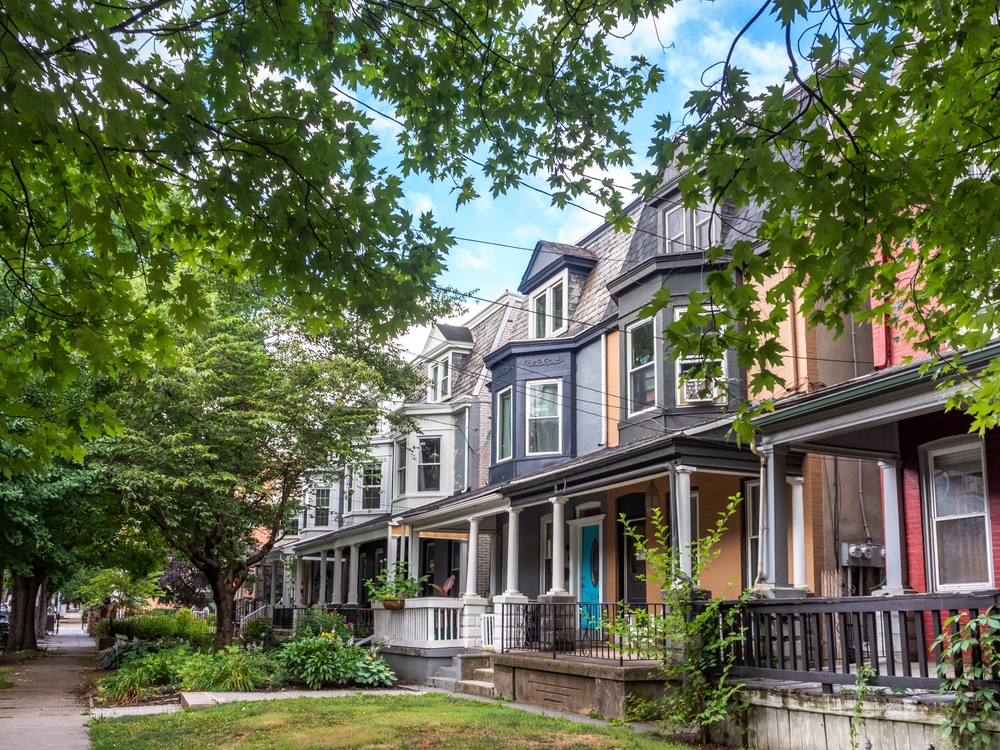
Buyers who purchased in 2021-2022 at market peak often paid 20% to 40% over pre-pandemic values, and many put down minimal down payments through low-equity loan programs. They’re now sitting in homes worth the same or less than what they paid, with virtually no equity after just a few years of ownership. If they need to sell—job loss, divorce, family emergency—they’ll barely break even after paying realtor commissions and closing costs. Some will actually owe money at closing, discovering they can’t afford to leave homes that no longer serve them.
The assumption that real estate always appreciates quickly has been shattered for this cohort of buyers. They expected to build equity rapidly like previous generations did, but instead, they’re treading water financially. Maintenance costs, property taxes, and insurance all continue rising while their equity position remains stagnant or negative. The dream of homeownership as wealth-building has turned into expensive stagnation, where they’re paying more than rent would cost without building any actual wealth.
3. Waived Inspections and Bought Sight Unseen

The competitive frenzy of 2020-2022 pushed buyers into waiving inspections, making offers without seeing properties in person, and skipping due diligence that would normally protect them. They’re now discovering expensive problems—foundation issues, electrical nightmares, plumbing disasters—that would have been caught in standard inspections. These repairs cost tens of thousands of dollars they didn’t budget for, and there’s no recourse because they explicitly waived their right to inspection. The rush to win bidding wars has resulted in buying very expensive problems they can’t afford to fix.
Beyond major structural issues, buyers are finding that homes don’t match what they thought they were buying. The photos were carefully staged, the virtual tour was flattering, and the quick in-person showing missed red flags that are now glaringly obvious. Every month brings new discoveries of things that need repair or replacement, draining savings and creating stress. The waived inspection that seemed necessary to compete has turned into one of the most expensive shortcuts many homeowners will ever take.
4. Overextended on Purchase Price Assuming Income Growth
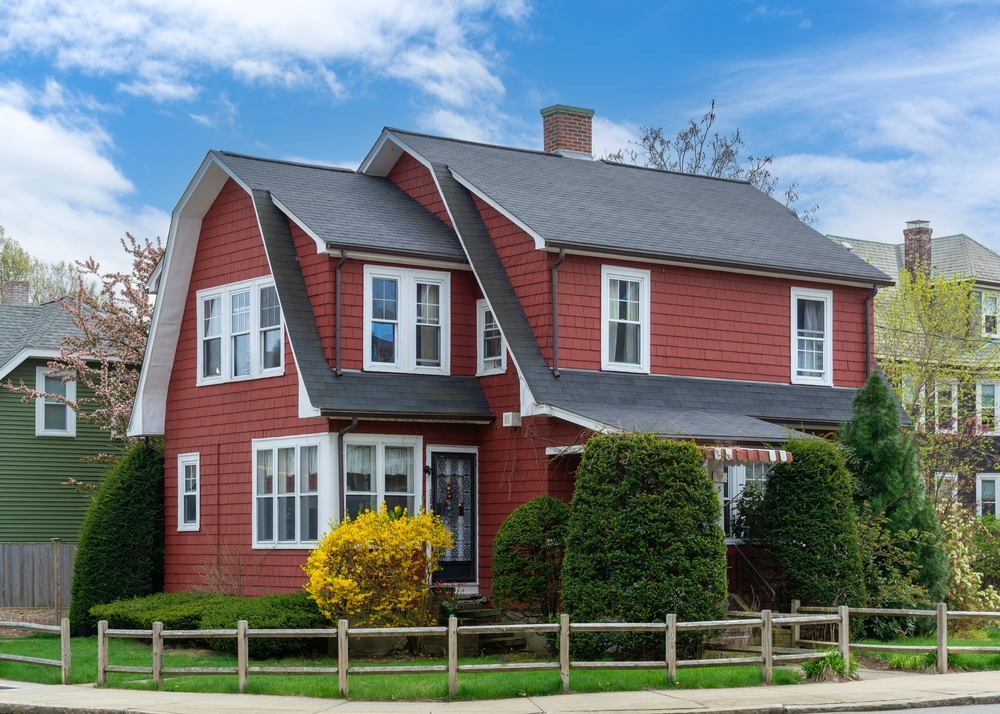
Buyers stretched to afford homes at the top of their budget, assuming their incomes would increase steadily and make payments more comfortable over time. Instead, inflation has made everything else more expensive while many salaries haven’t kept pace. The mortgage payment that consumed 35% of income when they bought now takes 45% or more as other costs have risen but wages haven’t. They’re house-poor, unable to save, travel, or handle emergencies because the mortgage eats everything.
The assumption of steady raises and career advancement hasn’t materialized for many people who bought expecting their financial situation to improve. Layoffs, industry changes, and economic uncertainty have made income less predictable rather than more secure. Meanwhile, property taxes, insurance, and utilities have all increased significantly, making the total housing cost much higher than anticipated. The aggressive purchase price that barely worked at signing has become unsustainable, yet they’re stuck because selling would mean taking a loss and giving up their low interest rate.
5. Moved to Remote-Work Locations That Aren’t Remote Anymore
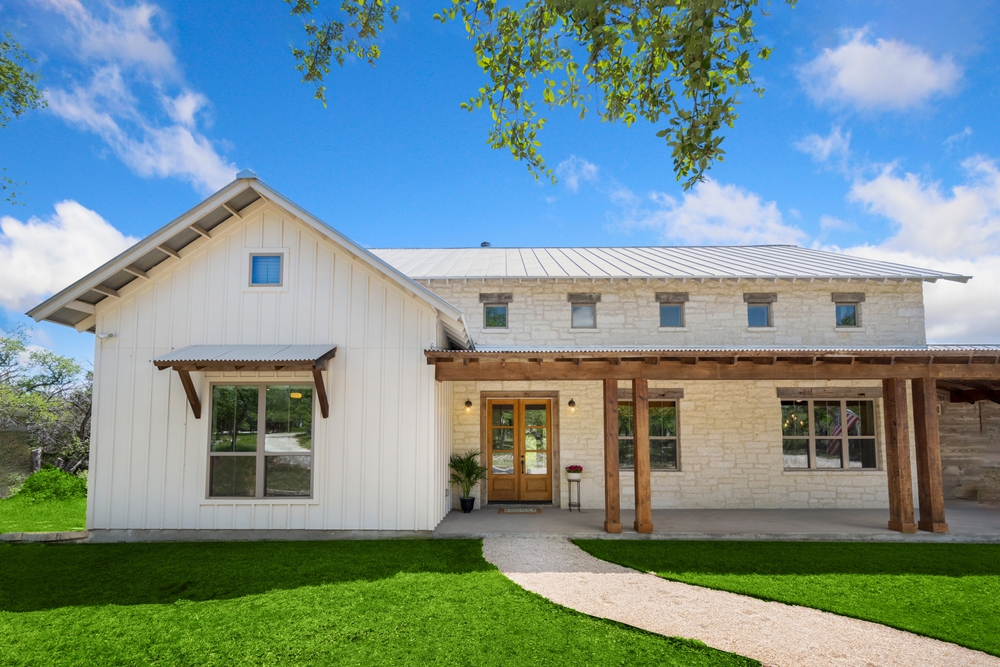
Thousands of people relocated to cheaper areas during the pandemic, buying homes in mountain towns, beach communities, or affordable cities far from their employers. They assumed remote work was permanent and bought based on that assumption. Now companies are demanding a return to the office, and these homeowners face impossible choices—quit their jobs, endure brutal commutes, or try to sell homes in markets that were artificially inflated by the same remote work trend. The locations that seemed like brilliant arbitrage now feel like exile.
The communities themselves often weren’t built for the influx of remote workers and are now struggling with overcrowding, housing shortages, and resentment from locals. The charm that attracted people has been damaged by the very migration they were part of. Meanwhile, the job market in these remote locations is limited, so losing the remote position means either commuting hours or taking significant pay cuts for local work. The remote work gamble has failed for many who now feel trapped in places they wouldn’t have chosen if they’d known the arrangement was temporary.
6. Bought Investment Properties at Peak That Won’t Cash Flow

The real estate investment boom convinced people to buy rental properties at inflated prices, assuming rents would keep rising and appreciation would continue indefinitely. These amateur landlords are now struggling with properties that don’t generate positive cash flow after mortgage, insurance, taxes, and maintenance. The expected rent increases haven’t materialized, and in some markets, rents have actually decreased as supply increased and remote workers left. What was supposed to be passive income has become a monthly expense and constant headache.
Many of these investors used leverage heavily, putting minimal down payments on multiple properties, expecting quick appreciation to build wealth. Instead, they’re stuck managing tenants, dealing with repairs, and covering monthly shortfalls from their primary income. The exit strategy of selling for a profit doesn’t work when properties are worth less than the purchase price. They’re trapped in investments that are losing money monthly with no easy way out except foreclosure or short sales that will destroy their credit.
7. Refinanced and Pulled Out Equity Before the Crash
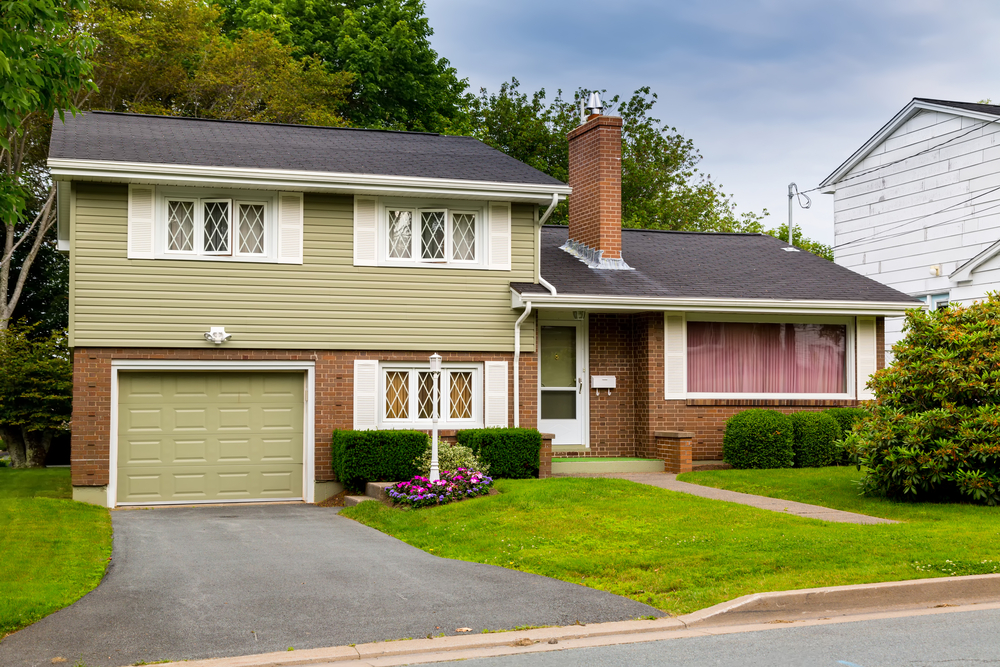
Homeowners who watched their home values climb during the pandemic often refinanced to pull out equity for renovations, debt consolidation, or investments. They converted home equity into cash right before values stagnated or declined, leaving them with larger mortgages than their homes are now worth. The $80,000 they pulled out to remodel the kitchen didn’t actually add $80,000 in value, and now they owe more than the house is worth. The easy equity that seemed like smart financial management has turned into being underwater on a home they might need to leave.
The timing couldn’t have been worse—pulling equity at peak values and then watching the market soften. The money is spent, the loan balance is higher, and the home value is lower, creating a trap. Some used the money for depreciating assets like cars or vacations, compounding the problem. Others invested in crypto or stocks that subsequently crashed. The equity that represented years of wealth building disappeared in a refinance decision that can’t be reversed, leaving them in worse financial shape despite having owned the home for years.
8. Bought in HOA Communities With Spiraling Costs
The appeal of amenities and maintained common areas convinced buyers to purchase in HOA-governed communities without thoroughly researching the association’s financial health. They’re now facing massive special assessments for deferred maintenance, insurance shortfalls, and infrastructure repairs that weren’t budgeted. Monthly HOA fees have doubled or tripled in some communities, and special assessments of $20,000 to $50,000 per unit are devastating household budgets. The amenities that justified the purchase have become financial anchors impossible to escape without selling.
The condo and townhome markets have been particularly hard hit as insurance costs spike and older buildings need major repairs. Owners are essentially trapped because properties with massive pending assessments won’t sell, or sell at significant discounts. The HOA that was supposed to simplify homeownership has created a nightmare of unexpected costs and no control over spending. Many owners are walking away or facing foreclosure rather than pay assessments they can’t afford, destroying credit and equity in the process.
9. Assumed Property Taxes and Insurance Would Stay Stable

Buyers calculated affordability based on initial property tax and insurance costs, not anticipating the massive increases coming. Property taxes have climbed steeply as home values increased during reassessments, sometimes doubling or tripling annual bills. Insurance costs have skyrocketed, particularly in coastal and wildfire areas, with some policies quadrupling in price or becoming unavailable altogether. The mortgage payment that seemed manageable now requires an escrow payment hundreds of dollars higher monthly, straining budgets that were already tight.
Some homeowners in high-risk areas are discovering that insurance companies are simply leaving the market, forcing them into state-run high-risk pools with exorbitant premiums. A home that was barely affordable now requires an extra $500 to $1,000 monthly just for insurance and taxes that weren’t accurately projected at purchase. The stable housing payment they expected has become a moving target that increases annually. Many can’t afford the increases but also can’t afford to sell and move, creating a financial vise that tightens each year.
10. Bought Fixer-Uppers Without Realistic Renovation Budgets
The HGTV effect convinced buyers that purchasing run-down homes and renovating them was a path to wealth and sweat equity. They bought properties needing significant work without realistic budgets or timelines, assuming they’d do the work gradually. Reality has been much harsher—renovation costs have doubled or tripled from pre-pandemic levels, contractors are scarce and expensive, and supply costs remain elevated. That $30,000 kitchen remodel is now $70,000, and the whole-house budget they planned has been blown on just a few rooms.
Many fixer-upper buyers are living in construction zones for years, unable to afford to finish projects they started. The stress of constant renovation, dust, and dysfunction affects family relationships and mental health. Meanwhile, they’re making mortgage payments on homes they can’t fully use while also paying for materials and contractors in dribs and drabs as money becomes available. The dream of creating their perfect home has become an endless nightmare of half-completed projects and mounting debt for work that may never be finished.
11. Overestimated the Value of Pandemic Home Improvements
Sellers watching market values climb during the pandemic invested heavily in improvements they thought would pay off in eventual sales or increased enjoyment. They built home offices, created outdoor living spaces, installed pools, and upgraded everything, assuming values would keep rising. Now they’re discovering that many pandemic-era improvements don’t add dollar-for-dollar value and some actually hurt resale appeal. The $50,000 they spent on improvements added maybe $20,000 to $30,000 in actual value, if that.
Pools in particular have become liabilities rather than assets in many markets, as buyers don’t want the maintenance hassle and expense. Home offices are less valuable as people return to workplaces. The outdoor kitchens and fire pits that seemed essential in 2020 now feel like expensive luxuries that don’t justify their cost. Homeowners who invested their savings into improvements are discovering they can’t recoup those costs in current market conditions, yet they’re stuck with higher property taxes based on the improvements they made.
12. Bought Second Homes Assuming They’d Rent Easily
The short-term rental boom convinced people to buy vacation properties, assuming platforms like Airbnb would generate income to cover mortgages and expenses. They’re now competing with thousands of other amateur landlords in saturated markets where rental income has plummeted. Cities and towns have cracked down on short-term rentals with new regulations, taxes, and restrictions that make profitable operation difficult or impossible. The property that was supposed to pay for itself requires monthly subsidies while generating nowhere near the projected income.
The fantasy of passive rental income while enjoying a vacation home a few weeks a year has collided with the reality of constant maintenance, difficult guests, property damage, and fluctuating demand. Many owners are underwater on properties they rarely use, can’t afford to keep, but can’t sell without significant losses. The vacation home purchase that seemed like brilliant financial planning has become an expensive albatross, draining resources monthly. They’re stuck managing what has become a failing small business in a distant location while juggling their regular jobs and lives.
This article is for informational purposes only and should not be construed as financial advice. Consult a financial professional before making investment or other financial decisions. The author and publisher make no warranties of any kind.