


Six-figure incomes used to guarantee financial security and comfortable living with money left over for savings and luxuries. But a strange thing has happened—households earning $150,000, $200,000, or even more are living with the same financial stress as people making half that amount. They’re one missed paycheck away from crisis, carrying debt, and feeling like they can never get ahead despite salaries that should provide abundance. The gap between high income and actual financial security has widened into a chasm, and it’s not just about the cost of living in expensive cities. It’s about a toxic combination of lifestyle inflation, keeping up appearances, and structural costs that scale with income in ways that trap even high earners in perpetual financial stress.
1. Private School Tuition Consumes What Used to Be Savings

High-earning families in competitive areas feel intense pressure to send kids to private schools costing $30,000 to $60,000 per child annually. What could be substantial retirement contributions or investment income instead goes entirely to education expenses that seem mandatory within certain social circles. A family with three kids can easily spend $150,000 yearly on tuition alone, which equals the entire after-tax income of many high earners. The social pressure and fear that public schools won’t provide adequate opportunities drives spending that completely eliminates any financial cushion.
The normalization of private education within high-income communities creates competitive pressure where not enrolling your children feels like educational neglect. Parents convince themselves the investment is essential for their children’s futures while sacrificing their own financial security. The cost doesn’t end at tuition—uniforms, technology fees, activity fees, fundraising expectations, and social pressures to match peer spending add tens of thousands more. High-earning families are choosing to be cash-poor for 13-18 years per child, destroying any chance of building wealth during prime earning years.
2. Housing Costs Scale Directly With Income

High earners don’t just buy more expensive houses—they buy houses that consume the same or higher percentage of income as lower earners, despite making far more. Someone earning $200,000 somehow ends up with a $4,000 to $6,000 monthly mortgage payment, matching or exceeding the percentage that someone earning $60,000 pays. The assumption that you should buy “as much house as you qualify for” leads to debt loads that eliminate flexibility regardless of income level. Property taxes, insurance, and maintenance on expensive homes add thousands more monthly, creating housing costs that absorb 40% to 50% of gross income.
The expectation to live in the “right” neighborhoods for schools and status drives housing decisions that make financial security impossible. High earners move to expensive areas and then must earn those high incomes perpetually just to maintain the house. The equity building happens slowly, while the opportunity cost of having all that money locked in real estate prevents wealth building elsewhere. Houses in competitive markets also come with informal spending expectations—landscaping services, home improvements, keeping up with neighbors—that add ongoing costs high earners feel pressure to match.
3. Luxury Cars Became Non-Negotiable Status Symbols
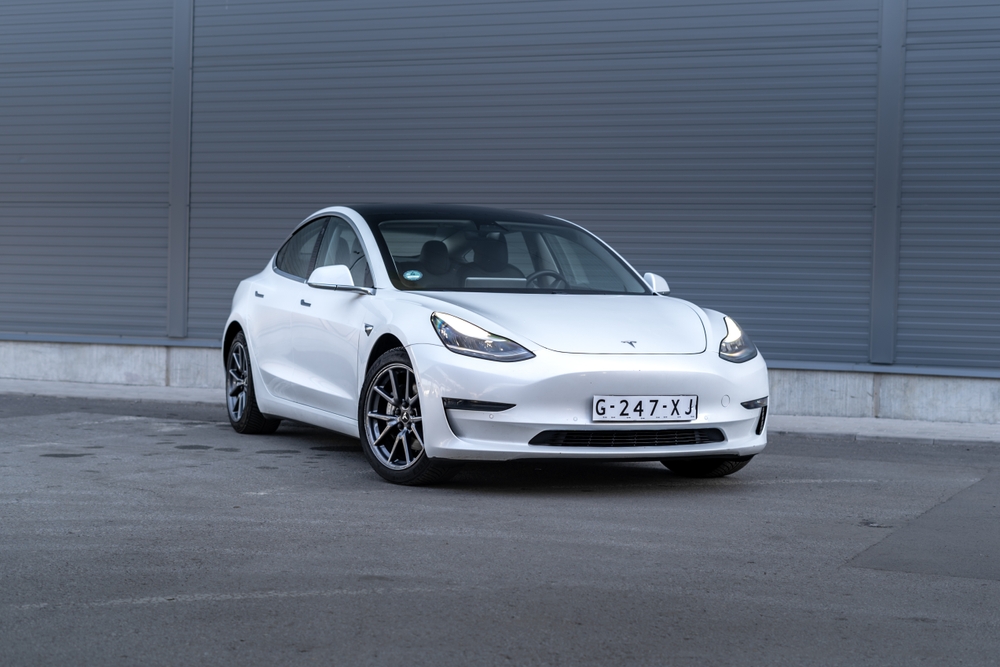
High-earning professionals increasingly view luxury vehicles as necessary rather than optional, spending $800 to $1,500 monthly per vehicle on payments, insurance, and maintenance. The expectation to drive cars that “match” your income level creates self-imposed requirements to lease BMW, Mercedes, or Tesla vehicles that previous generations of similar earners didn’t have. Two luxury vehicles in a household can easily consume $30,000 annually, money that could build substantial wealth if invested instead. The depreciation and opportunity cost make these purchases extraordinarily expensive status signals.
The shift from viewing cars as transportation to viewing them as status indicators has trapped high earners in perpetual leases and loans. Each three-year cycle brings another new luxury vehicle and another payment that never ends. The social pressure within professional circles to drive the right brands makes modest vehicles feel like admissions of failure rather than smart financial choices. High earners often convince themselves that these purchases are investments in their professional image, when in reality, they are merely expensive ways to signal their income to people who don’t matter.
4. Lifestyle Inflation Happens Automatically With Raises

Every salary increase is immediately absorbed by lifestyle upgrades that high earners often don’t even consciously decide to make. A $20,000 raise leads to a nicer apartment, more frequent dining out, upgraded travel, and subscriptions that somehow consume the entire increase. What should be opportunities to save more or pay down debt instead become new baseline expenses that feel impossible to cut. The lifestyle ratchet only goes up, never down, meaning high earners need every dollar of their current income to maintain standards they’ve created for themselves.
The psychological adjustment to higher income happens instantly, while the adjustment to lower spending happens painfully slowly, if at all. High earners who lose jobs or take pay cuts discover they can’t downsize their lifestyles quickly enough to match reduced income. The spending that seemed reasonable when making $250,000 becomes completely unsustainable at $150,000, yet the habits and commitments don’t disappear just becausethe income dropped. Lifestyle inflation is the silent killer of high-income financial security, preventing wealth accumulation no matter how much someone earns.
5. Childcare Costs Rival Mortgage Payments

High-earning families often pay $2,000 to $4,000 monthly per child for quality daycare or nanny services, essentially requiring one parent’s entire after-tax income to cover childcare. The cost of raising children in ways that match peer expectations—activities, camps, tutors, equipment—adds thousands more monthly. A family with two young kids can easily spend $60,000 to $100,000 annually just on childcare and child-related expenses before considering education costs. The years when families should be building wealth become survival mode years where high incomes get completely consumed by childcare.
The expectation within high-earning circles that children should have enrichment activities, travel experiences, and opportunities creates spending obligations that feel mandatory. Music lessons, sports teams, summer camps, and educational travel all come with premium prices in wealthy communities. Parents convince themselves these investments benefit their children while sacrificing their own financial security and retirement planning. The pressure to provide opportunities that peer children receive drives spending that high-earning families can technically afford but that prevents them from ever getting ahead financially.
6. Keeping Up With Social Circles Costs a Fortune

High earners socialize with other high earners, creating peer groups where expensive activities are the norm and opting out feels socially isolating. Weekend trips, nice dinners, wine tastings, concerts, and events all come with premium prices that add up to thousands monthly. The expectation to participate, host, gift appropriately, and maintain social standing within these circles creates spending pressure that high earners don’t recognize as optional. Saying no means social exclusion, so they say yes and charge it, perpetually spending beyond their means to maintain relationships.
The wedding gifts, baby gifts, birthday parties, and social obligations within affluent circles all carry price expectations far exceeding what middle-class families spend. Giving a $50 wedding gift feels embarrassingly cheap when everyone else is giving $200 to $500. Hosting a birthday party at your house seems inadequate when peers are renting venues and hiring entertainers. The social costs of high-earning life are substantial and rarely discussed, but they consume enormous amounts of income while providing questionable value beyond status maintenance.
7. Eating Out Multiple Times Weekly Feels Normal

High-earning households often spend $2,000 to $4,000 monthly on restaurants, takeout, and food delivery without recognizing it as the luxury spending it actually is. The convenience and social aspects of dining out become so normalized that cooking at home feels like deprivation rather than normal life. Business lunches, date nights, family dinners, and weekend brunches all happen at restaurants with price points that match income levels. The annual spending on dining out can easily reach $50,000 for high-earning families who don’t track this category carefully.
The food delivery app revolution has made expensive restaurant meals feel as casual as cooking, removing psychological barriers to spending. High earners order $60 dinners for delivery multiple times weekly, not recognizing that they’re spending more annually on food than many families earn in total. The casual nature of app-based ordering disguises the magnitude of spending, and restaurant meals feel like basic life rather than luxury splurges. Meanwhile, the opportunity cost of that spending—what the money could do if invested—never gets considered because restaurants have become the default rather than the exception.
8. Vacation Expectations Match Income Level

High-earning families don’t take modest vacations—they take premium trips to desirable destinations staying in nice hotels and doing expensive activities. A family vacation can easily cost $10,000 to $20,000, and taking multiple trips annually consumes what should be substantial savings. The expectation within peer groups that vacations involve resorts, international travel, and curated experiences creates pressure to spend far more than necessary for rest and recreation. Social media documentation of travel creates additional pressure to visit impressive destinations rather than affordable ones.
The shift from vacations as occasional special trips to vacations as regular entitlements has massively increased annual spending for high earners. The expectation that children should have travel experiences, that couples need regular getaways, and that families should visit multiple destinations creates travel spending that equals what some families earn annually. High-income professionals convince themselves they’ve earned and deserve these vacations while failing to recognize they’re trading future financial security for current experiences. The vacation spending that feels mandatory prevents wealth building regardless of income level.
9. Premium Everything Becomes the Only Option

High earners unconsciously gravitate toward premium versions of everything—organic groceries, boutique fitness, high-end haircuts, luxury goods, and designer services. The incremental cost of each premium choice seems small, but collectively they consume thousands monthly. Groceries at Whole Foods or Erewhon cost double what they would at regular supermarkets, yet high earners shop there without considering the premium as a choice. Every category of spending gets automatically upgraded to the expensive version, eliminating the budget consciousness that would benefit even high-income households.
The normalization of premium spending happens gradually as income increases, making it feel like basic life rather than luxury choices. High earners don’t recognize they’re choosing expensive options because within their social context, these are the default options everyone uses. The $200 haircut, $35 fitness class, $8 coffee, and $25 salad all feel normal rather than premium. The accumulated impact of premium choices across every spending category means high incomes get consumed by lifestyle costs that could easily be halved without significantly impacting quality of life.
10. Taxes Consume More Than Expected

High earners are often shocked by their effective tax rates once federal, state, local, payroll, and property taxes are all calculated. That $200,000 salary might net only $120,000 after taxes, and the $5,000 monthly take-home feels far less impressive than the gross salary sounds. The tax burden at high income levels is substantial, yet many people don’t adjust spending expectations to match actual net income. They spend based on gross salary while taxes consume 35% to 45% of earnings, creating cash flow problems despite high compensation.
The complexity of tax situations at high income levels—multiple W-2s, investment income, property taxes, state taxes—means many high earners don’t fully understand their true tax burden until filing. The quarterly tax payments for self-employed high earners or tax bills for those with investment income create additional stress and surprises. High earners often fail to plan adequately for taxes, leading to shortfalls and debt even when gross income seems more than sufficient. The gap between impressive-sounding salary and disappointing actual take-home creates financial strain that high earners don’t anticipate and struggle to manage.
11. Retirement Contributions Feel Impossible Despite High Income

High earners often contribute little or nothing to retirement accounts despite making incomes that should allow substantial saving. The lifestyle costs they’ve created consume everything, leaving no room for the $30,000 to $50,000 annually they should be saving for retirement. The assumption that their high income will continue indefinitely makes retirement planning feel less urgent, leading to chronic under-saving. Years pass with minimal retirement accumulation despite six-figure earnings, creating a situation where high earners approach retirement age with inadequate savings and no ability to reduce spending.
The maximum 401(k) contribution of $23,000 for 2024 should be automatic for high earners but often isn’t because the cash flow simply doesn’t exist after all other spending. High earners convince themselves they’ll catch up later or that their home equity will fund retirement, avoiding the uncomfortable reality that they’re failing to save despite earning far more than most people. The combination of high income and low savings is shockingly common, creating a cohort of professionals who earned well but will struggle in retirement because they never controlled spending or prioritized wealth building over lifestyle maintenance.
12. One Financial Shock Would Destroy Everything

High-earning households with impressive incomes often have minimal emergency savings, substantial debt, and spending commitments that require every dollar of current income. A job loss, medical emergency, or economic downturn would immediately create crisis despite the six-figure earnings. The house of cards only stands while income continues flowing, and any interruption would topple the entire financial structure. High earners don’t feel wealthy because they aren’t—they’re high-income broke people one shock away from financial disaster.
The lack of financial resilience despite high income is perhaps the clearest indicator that something has gone terribly wrong with spending choices. Households earning $200,000 with $5,000 in savings and $8,000 monthly in committed expenses are more financially fragile than lower earners living within their means. The psychological stress of maintaining a high income becomes crushing because stopping or reducing work isn’t possible without financial collapse. High earners who should feel secure instead feel trapped, working constantly to sustain lifestyles they can’t actually afford, despite earning incomes that should provide abundance and security.
This article is for informational purposes only and should not be construed as financial advice. Consult a financial professional before making investment or other financial decisions. The author and publisher make no warranties of any kind.