


The modern economy has created entirely new indicators of financial status that would have been meaningless or nonexistent in the 1990s. These signals reveal how technology, social media, and changing economic structures have transformed not just how we spend money but how we display, hide, or navigate our financial situations. Understanding these new markers helps decode the contemporary financial landscape where traditional measures like homeownership or new cars no longer tell the complete story about someone’s economic position.
1. Number of Active Subscription Services – The Death by a Thousand Charges

Thirty years ago, subscriptions meant magazines and cable TV—maybe $50-$100 monthly total. Today, someone’s subscription count reveals financial management skills or lack thereof, with many households unknowingly spending $200-$500 monthly across streaming services, meal kits, apps, software, cloud storage, fitness memberships, and dozens of other recurring charges. Someone juggling 15-25+ subscriptions often signals either high disposable income or complete loss of financial awareness as forgotten charges accumulate month after month.
The subscription economy exploits human psychology—each individual charge seems trivial at $5-$15 monthly, but collectively they represent $3,000-$6,000 annually that many people don’t realize they’re spending. Financial health is now partially measured by whether someone audits subscriptions regularly or lets them proliferate unchecked. The person who canceled Netflix to save $15 while maintaining seven forgotten subscriptions they don’t use reveals different financial signals than someone who actively manages a curated list of services they actually utilize.
2. Credit Score Obsession and Monitoring – The Three-Digit Identity

Credit scores existed 30 years ago but weren’t consumer-facing—most people didn’t know their scores and couldn’t easily access them. Today, credit scores function almost like social credit systems, with people checking them weekly, obsessing over 10-point fluctuations, and defining financial success by reaching 800+. The behavior reveals both heightened financial awareness and sometimes misplaced priorities, where people optimize scores while making poor actual financial decisions.
Someone with a pristine 820 credit score might be drowning in manageable debt they’ve never missed payments on, while someone with a 680 score might have substantial net worth but occasional late payments. The obsession with scores over actual financial health—net worth, savings rate, debt-to-income ratio—represents a cultural shift where a number generated by private companies has become more important to many people than traditional wealth measures. Apps sending push notifications about score changes create anxiety and engagement that didn’t exist when credit scores were invisible background checks rather than constantly monitored metrics.
3. Gig Economy Income Diversification – The Side Hustle Portfolio

In the 1990s, people had jobs—maybe a second part-time job if money was tight, but income sources were straightforward. Today, financial stability is signaled by how many income streams someone has cobbled together—full-time job plus Uber driving, Etsy shop, rental arbitrage, freelance consulting, and online course sales. Someone working one traditional job now seems financially vulnerable compared to someone with five income sources generating similar total income.
The shift reveals economic insecurity disguised as entrepreneurship—multiple income streams often signal that no single source provides adequate income or security, rather than abundant opportunity. Someone earning $75,000 from one stable job with benefits might be in better financial position than someone earning $85,000 across six gig economy sources with no benefits, retirement contributions, or job security, yet culturally the latter is often portrayed as more financially savvy. The romanticization of “hustling” obscures the fact that this diversification often represents adaptation to an economy that no longer provides stable middle-class employment.
4. Phone Upgrade Cycle – The Two-Year Trap

Thirty years ago, phones were utilities connected to walls, not status symbols or financial indicators. Today, whether someone upgrades phones annually, every 2-3 years, or uses devices until they physically fail reveals financial priorities and awareness. Someone on the annual upgrade treadmill spending $1,200+ yearly on devices signals either substantial disposable income or poor financial decision-making, depending on their overall situation.
The carrier upgrade cycle—trade-ins, payment plans, lease programs—has normalized treating phones as subscription services rather than purchases, and participation signals financial literacy or lack thereof. Someone paying $40 monthly indefinitely for phones via carrier financing demonstrates different financial awareness than someone buying previous-generation models outright for $300-$400 and using them for 4-5 years. The phone upgrade behavior correlates with broader financial patterns around consumption, debt acceptance, and susceptibility to marketing that creates artificial obsolescence.
5. Venmo/Payment App Transaction Visibility – The Public Ledger Problem

Payment apps didn’t exist 30 years ago, and the social feeds showing who’s paying whom for what creates entirely new financial signals and anxieties. Someone’s Venmo activity reveals their lifestyle—frequent bar payments, rent splits, small transactions suggesting tight budgets, or large transfers indicating either generosity or wealth. The default public settings mean financial behaviors that were previously private are now visible to networks, creating both transparency and performative spending.
The behavior around payment apps signals generational and class differences—someone immediately Venmo-requesting their share of a $40 restaurant bill down to the penny signals different financial position or personality than someone who waves it off or covers the whole check. The apps have created new etiquette and expectations around splitting costs that reveal financial comfort levels, and the transaction descriptions people write—jokes versus straightforward labels—signal different relationships with money and privacy. The entire concept of semi-public financial transactions would have been incomprehensible in the 1990s.
6. Working Remotely From “Anywhere” – The Geographic Arbitrage Signal

Remote work existed marginally 30 years ago but wasn’t a widespread financial strategy. Today, someone working from Bali, Portugal, or Mexico while earning San Francisco wages signals financial sophistication and usually high income in knowledge work. The digital nomad lifestyle or domestic geographic arbitrage—earning coastal salaries while living in low-cost states—represents a financial optimization strategy that creates enormous wealth-building advantages unavailable to location-bound workers.
The signal is complex—it can indicate high earning potential and financial freedom, or it can mask financial stress where someone lives abroad because they can’t afford their home city despite decent income. Someone “living their best life” in Chiang Mai on Instagram might be doing it because their $65,000 tech salary doesn’t work in Austin anymore, not because they’re wealthy. The ability and willingness to work remotely from low-cost locations has become a financial indicator that correlates with both income level and financial strategy sophistication.
7. Amazon Subscribe & Save Dependency – The Autopilot Consumption

Subscription grocery delivery and Amazon’s Subscribe & Save didn’t exist 30 years ago, and someone’s relationship with automated purchasing signals both financial status and decision-making patterns. Heavy users either have substantial disposable income making convenience worth premium costs, or they’ve completely lost track of spending through automation. Someone with 40+ Subscribe & Save items probably spends 20-30% more than necessary on household goods but values time over money.
The financial signal is about priorities and awareness—some people deliberately use subscription services to automate necessities and mental load, accepting higher costs for convenience. Others drift into subscriptions through inertia and pay inflated prices without realizing it. The person who regularly audits their Subscribe & Save list and comparison shops versus the person who’s been auto-shipped the same items at increasing prices for years demonstrates different levels of financial engagement even at identical income levels.
8. Social Media Posting Patterns – The Highlight Reel Economy

Social media didn’t exist 30 years ago, and posting behavior now signals financial status in complex ways. Someone posting luxury travel, designer purchases, and expensive experiences constantly signals either genuine wealth or performative spending funded by debt. The absence from social media or minimal posting can signal either authentic wealth that doesn’t need validation or financial stress someone’s hiding, making interpretation dependent on context.
The rise of “stealth wealth” content—posts showcasing intentional frugality, thrifting, and anti-consumption—represents its own financial signal, often from people secure enough to reject consumerist displays. The person posting their beat-up car and modest home while having substantial net worth demonstrates different values than someone posting luxury goods they financed at 24% APR. Social media has created performative financial behaviors that reveal little about actual wealth while consuming real resources—people going into debt for Instagram-worthy experiences that previous generations would never have considered necessary.
9. Electric Vehicle Ownership – The $60,000 Environmental Signal
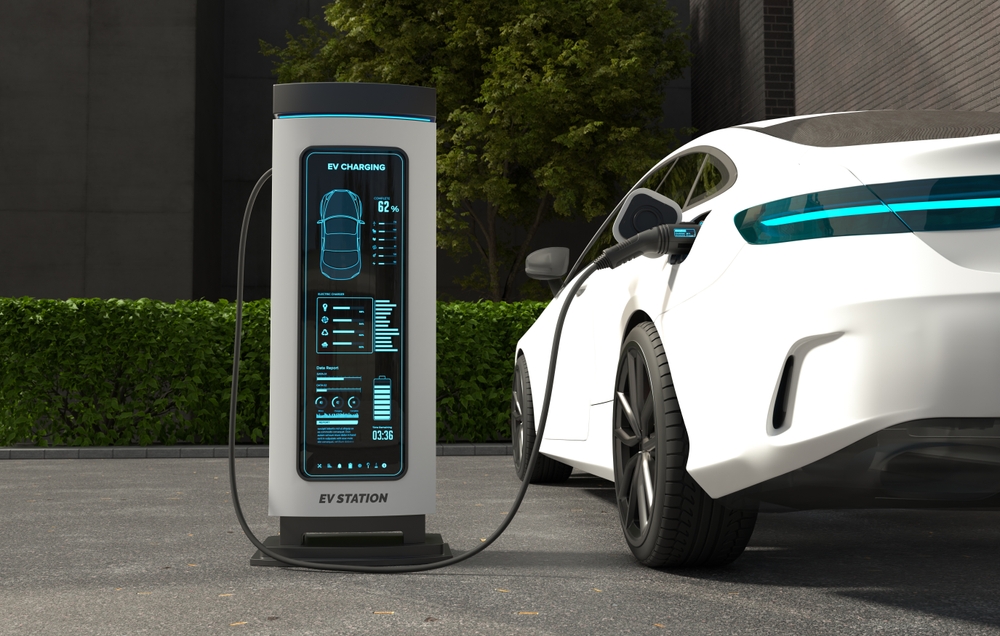
EVs barely existed as consumer products 30 years ago, and ownership now sends complex financial signals. Someone driving a Tesla signals either substantial income/wealth or questionable financial priorities depending on the model and their overall situation. The $65,000+ price tag for new EVs means they’re largely wealth indicators rather than environmentally-motivated purchases, despite the virtue-signaling aspects of ownership.
The secondary market dynamics are revealing—used EVs depreciate rapidly and have battery degradation concerns, creating entirely new financial calculations that didn’t exist with traditional vehicles. Someone buying a new EV likely has disposable income and potentially tax incentives making it viable; someone buying a used EV might be getting tremendous value or buying into expensive future problems. The charging infrastructure access also signals housing situation—home charging requires single-family housing or updated apartment infrastructure, making EV ownership partially a proxy for housing wealth.
10. Influencer Income Claims – The Monetized Authenticity Trap

The entire concept of influencer income didn’t exist 30 years ago, and people claiming to support themselves through social media content signal either successful entrepreneurship or delusional financial planning. Someone actually earning $100,000+ from influencing demonstrates savvy monetization of attention, but the space is filled with people claiming income they don’t have while going into debt maintaining appearances.
The financial signal is increasingly about what people don’t show—the influencer posting luxury while never mentioning debt, brand partnerships that don’t disclose payment amounts, or “passive income” that requires 60-hour weeks to maintain. The rise of courses teaching others to become influencers represents potentially the purest signal of desperation—you’re not successful at the thing, so you monetize teaching others to fail at it too. This entirely new economic category creates financial signals that are deliberately obscured, making actual assessment of someone’s financial position nearly impossible from their online presence.
11. Rent vs. Own in High-Cost Cities – The Reversed Status Symbol

Thirty years ago, renting signaled youth or financial struggle while homeownership meant stability and success. Today, in cities like San Francisco, New York, and Seattle, someone choosing to rent in their 40s-50s while having substantial investment portfolios might be making smarter financial decisions than someone stretching to buy. The traditional signal has inverted—the homeowner might be house-poor and cash-flow negative while the renter builds wealth in diversified investments.
The calculation depends entirely on local markets—in some cities, owning costs twice what renting does for comparable properties, making ownership a lifestyle choice rather than financial decision. Someone renting a $4,000/month apartment while investing $6,000 monthly that would have gone to a mortgage may build more wealth than the homeowner, challenging 100+ years of financial conventional wisdom. This reversal creates confusion about signals—you can’t assess someone’s financial position by homeownership anymore in many markets, yet culturally the bias toward ownership persists.
12. “Financial Independence” Content Consumption – The Aspirational Anxiety

The entire FIRE movement (Financial Independence, Retire Early), personal finance YouTube, and money optimization content didn’t exist at scale 30 years ago. Someone’s engagement with this content signals either disciplined wealth-building or performative financial anxiety where consuming content substitutes for action. The person with ten finance apps, following 50 money influencers, and listening to three investing podcasts weekly might have $5,000 in savings while someone with substantial wealth never engages with financial content.
The content consumption has become its own signal—some people genuinely use it to improve their financial positions and build wealth, while others use it as entertainment that makes them feel productive while changing nothing. The prevalence of financial anxiety content, savings challenges, and budget tracking apps that didn’t exist 30 years ago reveals both increased financial awareness and increased financial stress. The behavior of meticulously tracking every expense while maintaining $30,000 in credit card debt signals a different financial health than someone who doesn’t track anything but automatically saves 30% of income and lives well below their means.
This article is for informational purposes only and should not be construed as financial advice. Consult a financial professional before making investment or other financial decisions. The author and publisher make no warranties of any kind.