


The vehicles that truly indicate stable, lasting wealth are remarkably different from the flashy luxury cars that new money favors, revealing that people with genuine financial security make automotive choices based on completely different criteria than those trying to signal success. Wealth advisors and luxury car dealers confirm that their wealthiest clients—those with $10 million to $100 million in assets—consistently choose practical, understated vehicles that last decades and never announce their owners’ net worth. These aren’t the cars featured in rap videos or parked at trendy restaurants; they’re reliable, quality vehicles that solve transportation needs efficiently while preserving capital and avoiding the attention that ostentatious automotive choices attract.
1. Well-Maintained 10-15 Year Old Luxury Sedans
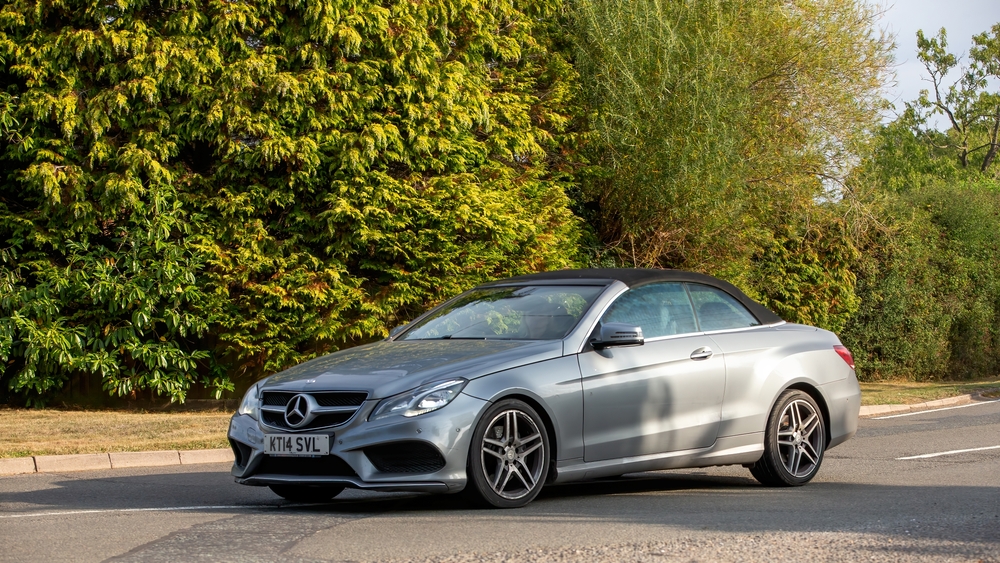
Truly wealthy individuals drive fully-paid Mercedes E-Class, BMW 5-Series, or Lexus ES models from 2010-2015, impeccably maintained but never upgraded for fashion. The cars were high-quality when purchased and remain perfectly functional with proper maintenance, making replacement unnecessary despite easily affordable. The 12-year-old car with 80,000 meticulously documented service miles signals someone who views cars as transportation tools, not status symbols requiring constant updates.
The lack of urgency to upgrade despite obvious financial capacity demonstrates the wealth-building mindset that created the fortune in the first place. These owners invested what would have been car payments for the past decade, compounding wealth rather than burning it on depreciating assets. The pristine older luxury car says “I can easily afford new but choose not to waste money on unnecessary upgrades.”
2. Base Model Teslas Without Upgrades
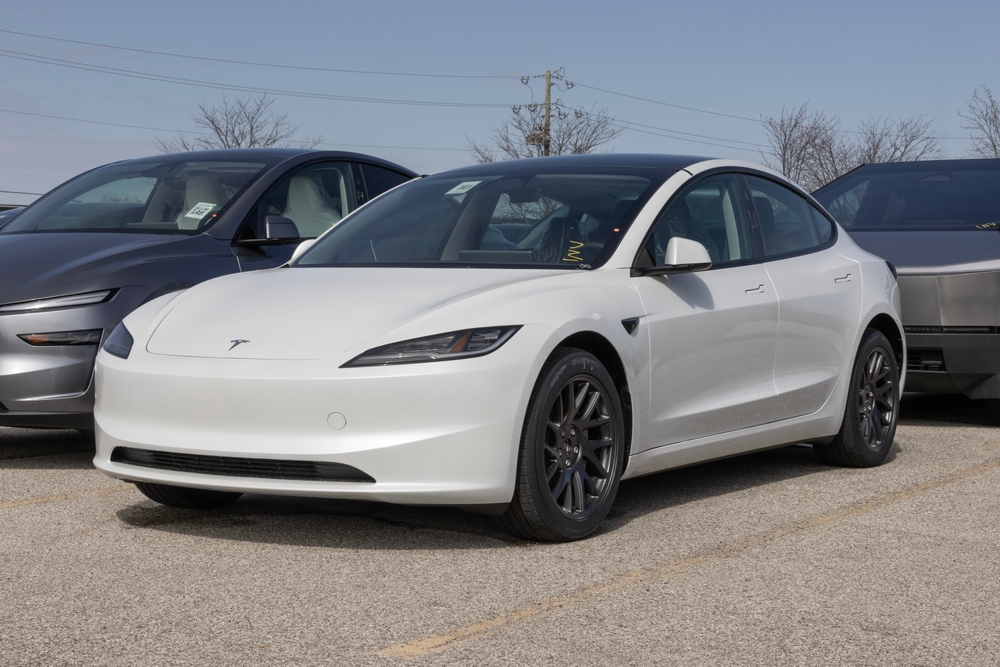
Wealthy Tesla owners choose base Model 3 or Model Y variants without premium packages, autopilot upgrades, or performance modifications. The choice reflects practical appreciation for electric efficiency and technology without the need for status-signaling through premium trim levels. The vehicle serves transportation and environmental preferences without the six-figure price tags of Model S Plaid or upgraded variants.
The base Tesla selection demonstrates understanding that the $15,000 to $40,000 in upgrades provides minimal functional benefit for an enormous additional cost. These buyers appreciate that a base Tesla accomplishes 95% of what premium versions do at 60% of the cost. The restraint to buy only what’s needed rather than everything available signals the discipline that builds and maintains wealth.
3. Fully-Loaded Honda Odyssey or Toyota Sienna
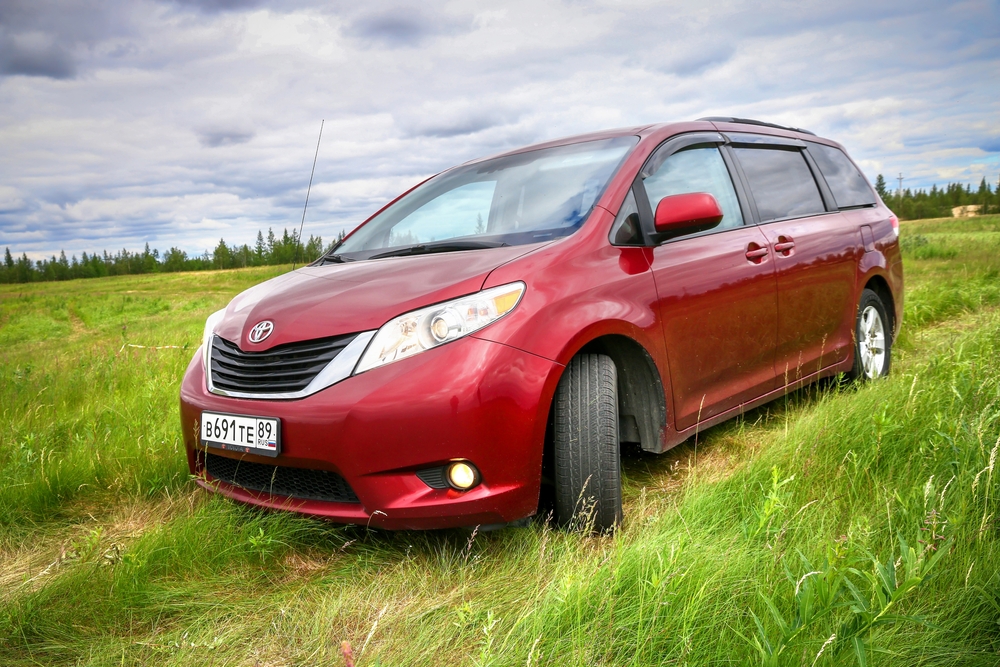
Millionaire parents drive top-trim Honda Odysseys or Toyota Siennas, choosing ultimate practicality and reliability over the luxury SUVs that new-money families favor. The minivan choice signals prioritization of family utility—best-in-class safety, cargo capacity, sliding doors—over maintaining image through “cooler” vehicles. The $50,000 fully-loaded minivan outperforms $90,000 luxury SUVs for actual family needs while saving $40,000 for more productive uses.
The willingness to drive minivans despite social stigma and easy ability to afford Escalades or Range Rovers demonstrates confidence that doesn’t require automotive validation. These families recognize that minivans are objectively superior for child-rearing logistics regardless of perception. The new Odyssey with all features signals practical wealth; the Escalade signals prioritizing image over function.
4. Volvo Wagons Kept for 15-20 Years
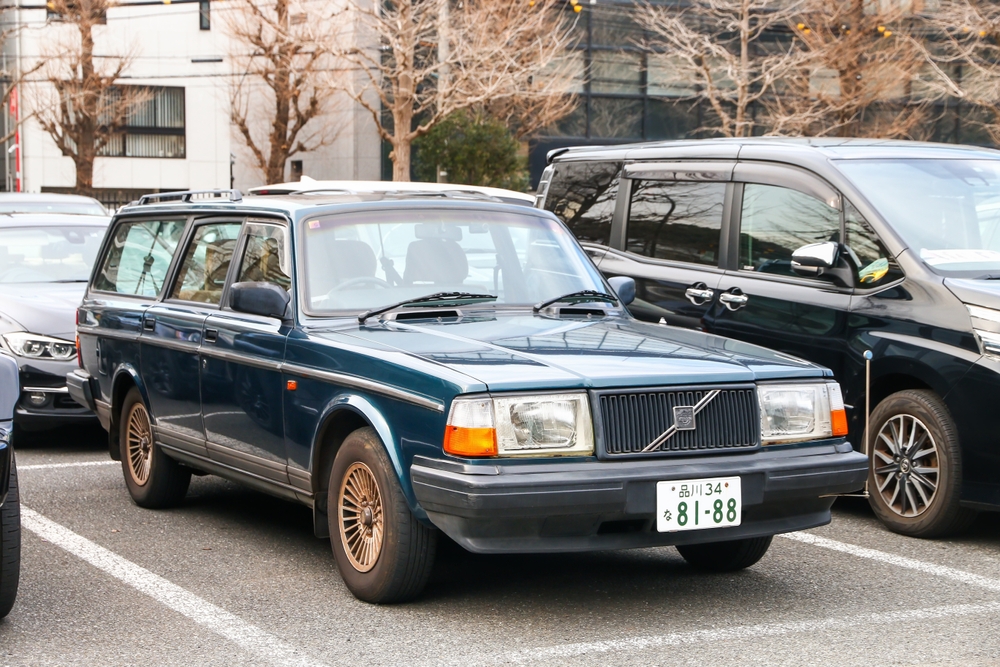
Wealthy families drive Volvo V70 or V90 wagons for nearly two decades, maintaining them meticulously and appreciating their safety, practicality, and longevity. The Volvo wagon becomes a family member, used for everything from daily driving to moving college students to hauling supplies. The unglamorous but supremely practical vehicle serves reliably for twice the timeframe most people keep cars.
The decades-long Volvo ownership demonstrates the buy-it-for-life philosophy that characterizes steady wealth accumulation and maintenance. These owners value the known quantity of their perfectly-maintained familiar vehicle over the unknown of new cars. The 18-year-old Volvo wagon with 220,000 miles and complete service records signals someone who maximizes value from quality purchases rather than constantly consuming new products.
5. Used Toyota Land Cruisers or Lexus GX
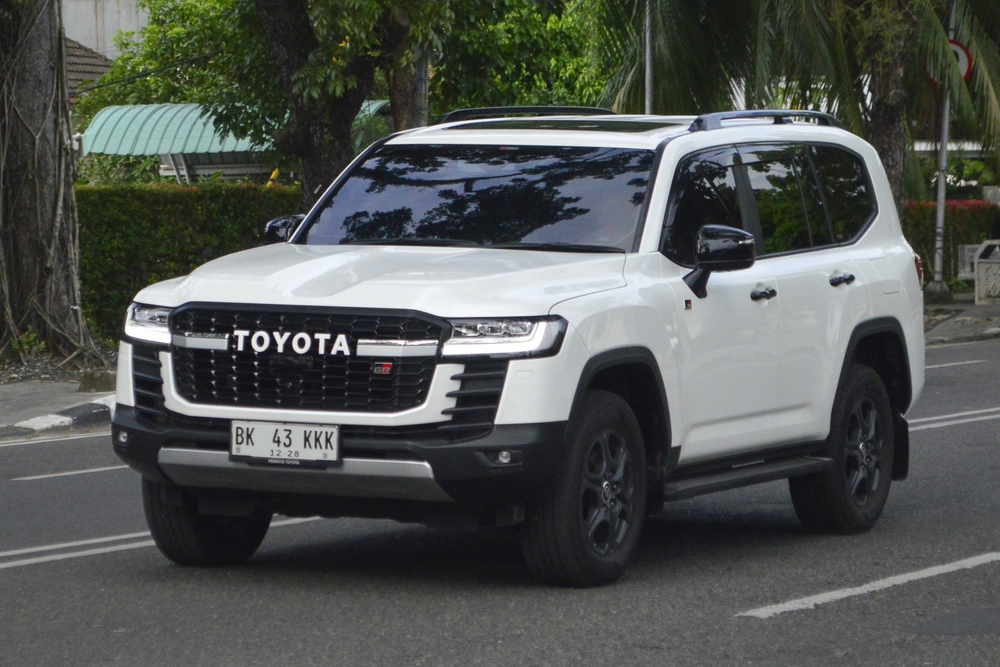
Genuinely wealthy buyers purchase 3-5 year old Land Cruisers or Lexus GX models, avoiding the 30-40% depreciation of buying new while getting effectively identical vehicles. The used luxury SUV strategy gets $90,000 vehicles for $55,000-$65,000 by letting the first owner absorb depreciation. These buyers understand that year-old luxury vehicles are mechanically identical to new but cost dramatically less due to new-car premium.
The used luxury purchase demonstrates sophisticated financial thinking—getting maximum value by timing purchases to avoid steepest depreciation while still obtaining low-mileage, warranty-covered vehicles. The strategy requires patience and delayed gratification that new money lacks. The two-year-old Land Cruiser signals smart wealth; the brand-new one signals either commercial success requiring image management or poor financial decision-making.
6. Subaru Outbacks in Wealthy Vacation Communities
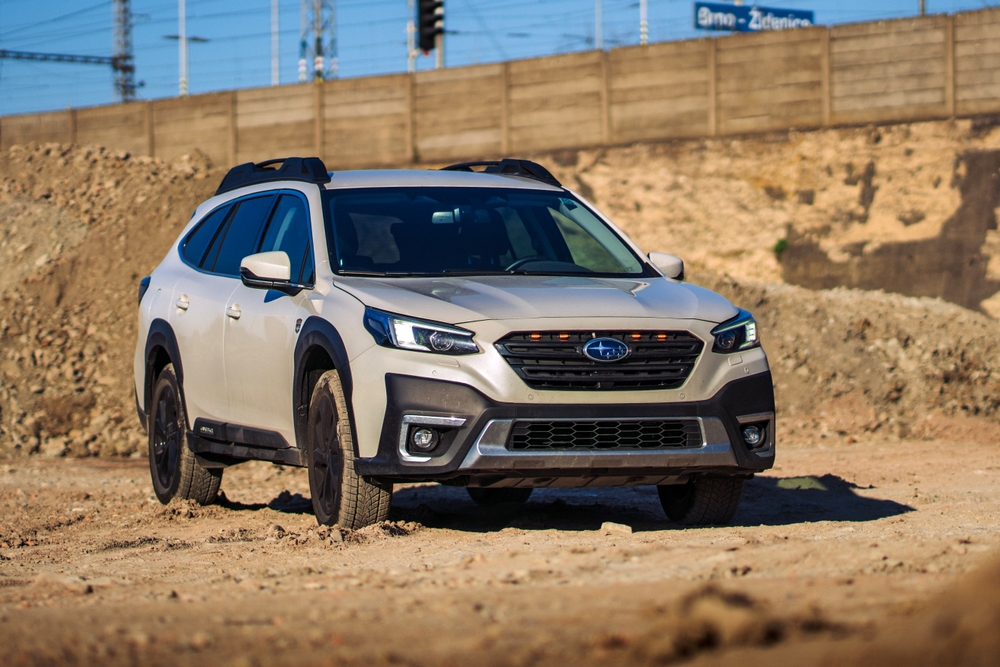
Multi-millionaires in vacation towns like Aspen, Jackson Hole, or Martha’s Vineyard drive Subaru Outbacks rather than the Range Rovers and G-Wagons favored by visitors. The Subaru provides all-weather capability and utility without the showiness of luxury SUVs costing three times more. The choice signals local knowledge and comfort with wealth that doesn’t require expensive signaling to seasonal visitors trying to look rich.
The Outback prevalence among actual wealthy residents versus luxury SUVs among aspirational visitors creates a reverse correlation between vehicle cost and actual wealth. Long-time wealthy residents recognize Subarus as practical, reliable tools while visitors perform wealth through vehicles. The new Outback signals established local wealth; the Range Rover signals visiting new money.
7. Maintained American Full-Size Trucks
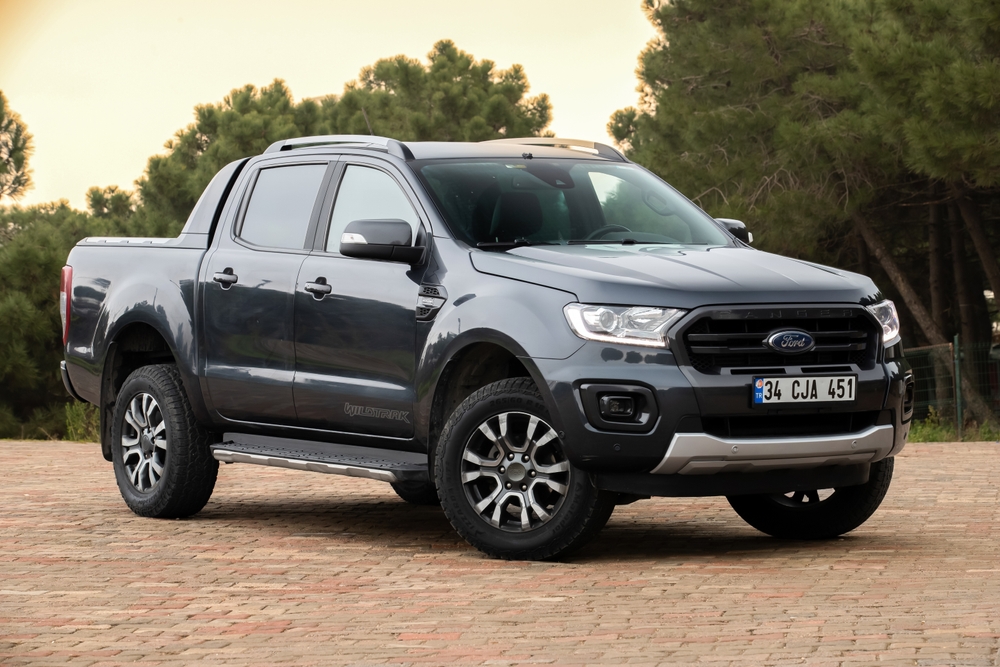
Wealthy landowners, ranchers, and rural property owners drive well-maintained Ford F-250s or Chevy Silverado 2500s for decades, valuing capability over image. The trucks are work tools that haul equipment, tow trailers, and access properties, chosen for function without concern for luxury perceptions. The 12-year-old truck with 150,000 miles and zero body damage demonstrates care and long-term thinking.
The practical truck choice among people who could easily afford luxury vehicles demonstrates that steady wealth comes from prioritizing function and long-term value over appearances. These owners maintain expensive properties and businesses but drive utilitarian vehicles because that’s what the work requires. The pristine older work truck signals productive wealth; the luxury truck with no towing evidence signals performing rurality.
8. Certified Pre-Owned German Sedans
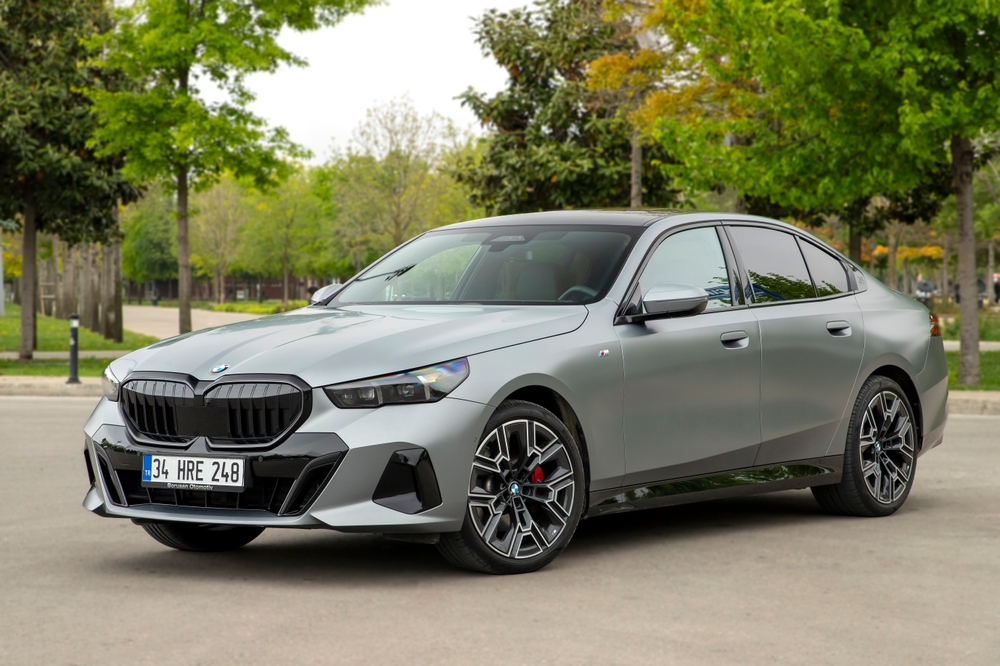
Sophisticated buyers purchase certified pre-owned BMW 5-Series or Mercedes E-Class vehicles at 2-3 years old, obtaining luxury vehicles at 40% discounts while retaining manufacturer warranties. The CPO strategy gets essentially new vehicles—under 30,000 miles, full warranty coverage—without paying new-car premiums. The approach demonstrates understanding of automotive depreciation curves and a willingness to optimize value over having the current year’s model.
The CPO preference signals financial sophistication and patience that characterize wealth-building mindsets focused on maximizing value in every purchase. These buyers recognize that 2-year-old luxury cars are functionally identical to new but cost $25,000-$40,000 less. The recent CPO Mercedes signals smart wealthy buyer; the brand-new one signals either business image needs or poor value optimization.
9. Lexus ES or RX Models Bought New and Kept Forever
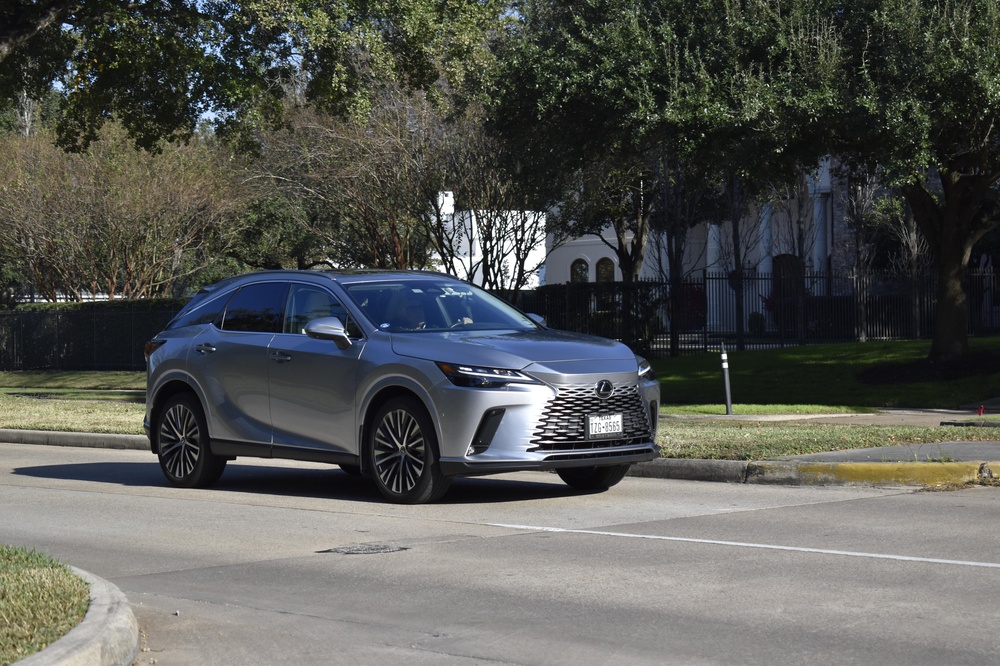
Wealthy buyers purchase new Lexus ES sedans or RX SUVs and drive them for 15-20 years, valuing legendary reliability and low maintenance costs. The Lexus choice prioritizes total cost of ownership over the performance or prestige of German competitors. The plan from purchase is decade-plus ownership, making the slightly higher purchase price irrelevant compared to minimal maintenance costs and bulletproof reliability.
The buy-and-hold Lexus strategy demonstrates long-term thinking where the vehicle decision is made once per decade rather than reconsidered every few years. These owners appreciate that Lexus vehicles require only routine maintenance for 200,000+ miles, minimizing the hassle and cost of automotive ownership. The 16-year-old Lexus with 180,000 trouble-free miles signals smart wealth; the frequently-replaced luxury cars signal poor financial planning.
10. Base Model Porsche 911 Bought Used
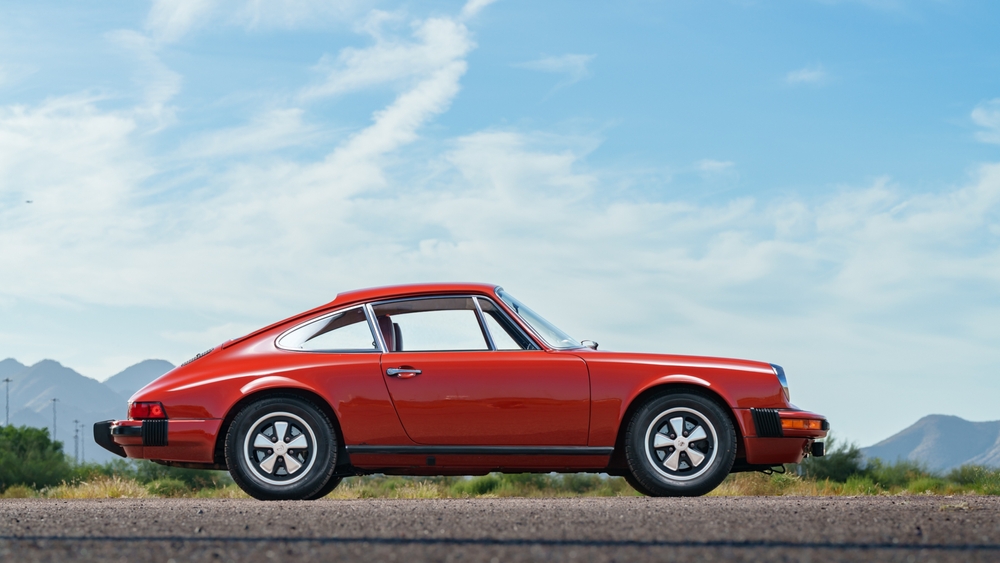
Wealthy driving enthusiasts buy used base-model Porsche 911s without the extensive option packages that add $40,000-$80,000 to purchase prices. The choice reflects genuine appreciation for driving dynamics rather than using the car as status symbol. The 4-year-old base 911 provides 95% of the driving experience of new, heavily-optioned versions at 55% of the cost.
The restrained Porsche purchase demonstrates that even in passionate hobbies, wealthy individuals optimize value and avoid unnecessary spending on marginal improvements. These buyers understand that exotic option packages provide minimal functional benefit while dramatically increasing costs. The used base 911 signals genuine enthusiast wealth; the new, fully-loaded one signals using the car for image rather than driving enjoyment.
11. Minivans or Wagons Over Three-Row SUVs
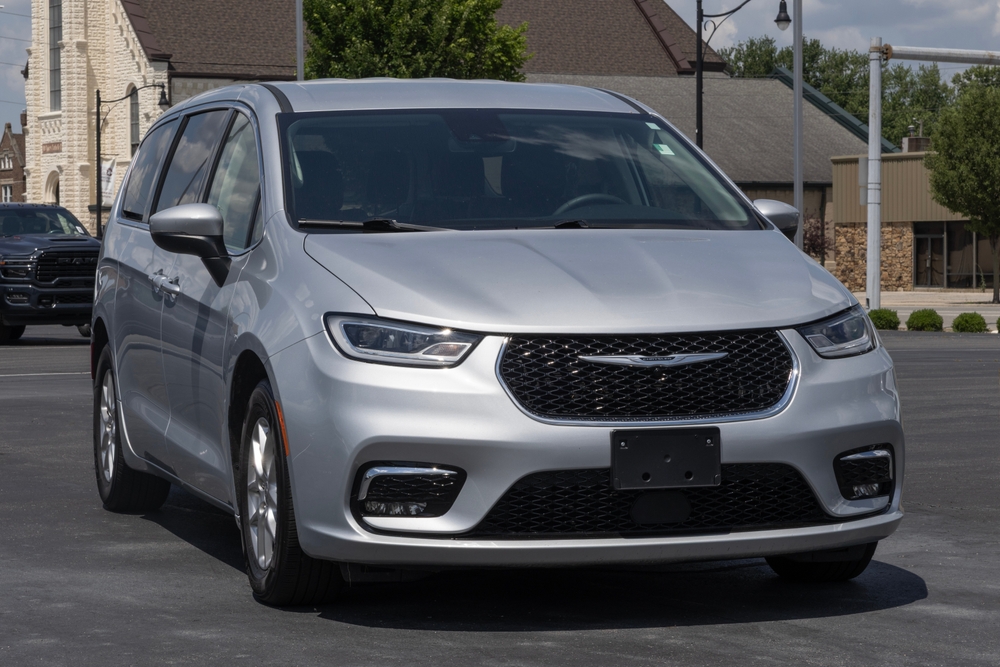
Wealthy families choose minivans or wagons over the three-row luxury SUVs that have become status symbols despite being objectively inferior for family transportation. The Pacifica or Sienna offers better access, more usable space, improved fuel economy, and lower costs compared to Escalades or GLS-Class SUVs. The choice prioritizes function over the image that drives less-wealthy families toward luxury SUVs that are worse at actual family hauling.
The practical choice demonstrates confidence that doesn’t require automotive validation and recognition that three-row SUVs are marketing successes, not engineering ones. These families did the math and concluded that $50,000 minivans beat $95,000 luxury SUVs for everything except ego. The top-trim minivan signals practical wealth; the three-row luxury SUV signals prioritizing perception over function.
12. Whatever Car Serves Current Life Stage Efficiently
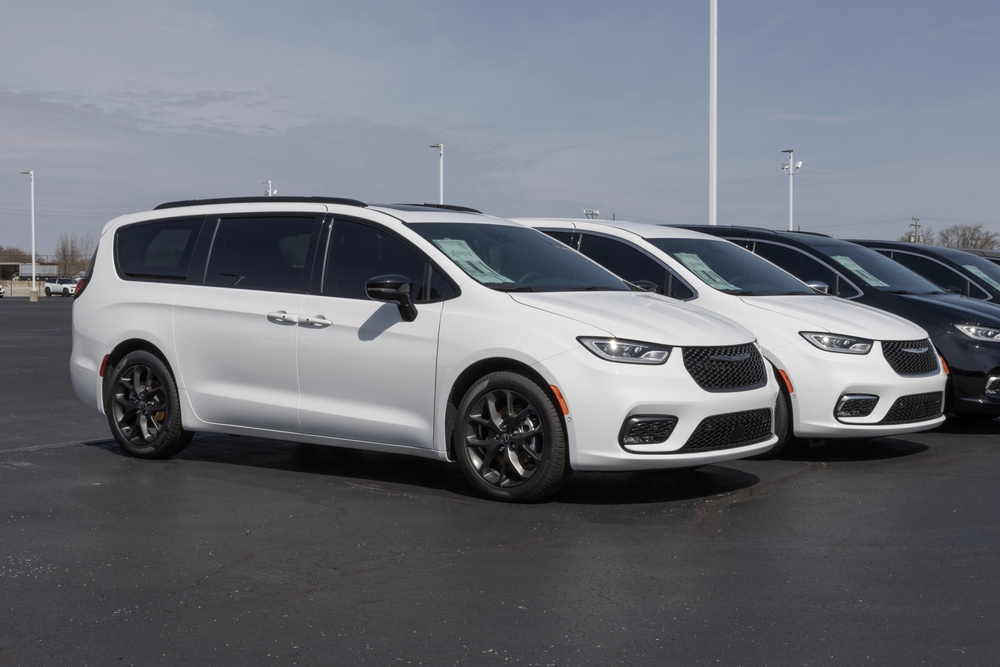
The wealthiest individuals drive whatever vehicle efficiently serves their current needs without emotional attachment or identity investment in automotive choices. The car changes based on practical requirements—sedan during commuting years, SUV during kid years, sports car during empty-nest years—without brand loyalty or status considerations. Vehicle decisions are purely functional, treating cars as tools that should match current needs rather than expressions of identity or status.
The life-stage automotive flexibility demonstrates the ultimate wealth signal—complete indifference to what car communicates to observers. These buyers choose vehicles the way they choose hammers or lawn mowers, based on fit-for-purpose rather than brand, image, or peer perception. The practical, current-need-appropriate vehicle regardless of brand or prestige signals supreme wealth confidence; the expensive car chosen for image signals insecurity requiring automotive validation.
This article is for informational purposes only and should not be construed as financial advice. Consult a financial professional before making investment or other financial decisions. The author and publisher make no warranties of any kind.