


Certain investments and purchases seem brilliant when acquired—solving problems, providing utility, or promising appreciation—but deteriorate in value or usefulness far faster than buyers anticipate. Unlike stocks or real estate that can appreciate over decades, these assets follow predictable decay curves that destroy wealth while owners remain convinced they made smart decisions. The gap between perceived and actual value creates financial blind spots where people believe they’re building or preserving wealth when they’re actually watching it evaporate in slow motion.
1. Timeshares – The Gift That Keeps on Taking
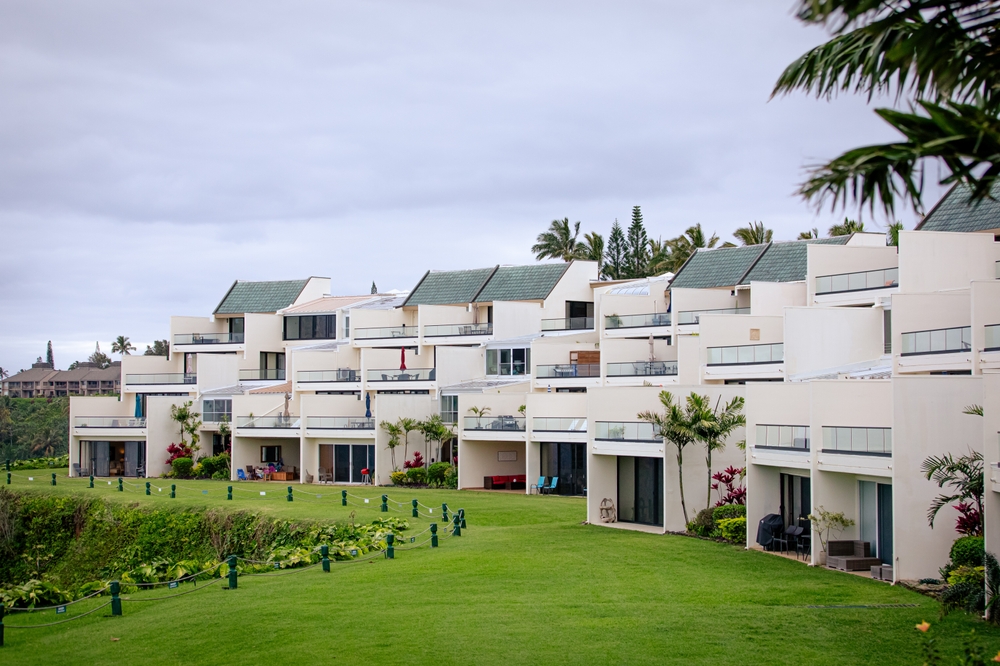
Timeshares are sold as smart vacation investments that lock in future travel costs and appreciate over time, but they’re actually depreciating liabilities with perpetual carrying costs. Buyers pay $20,000-$40,000 upfront plus $1,200-$2,000 in annual maintenance fees that increase 4-6% yearly, making the total 20-year cost $50,000-$80,000 for one week annually at a single location. The resale market reveals the truth—timeshares sell for 10-30% of the purchase price if they sell at all, with many owners unable to give them away.
The maintenance fees continue regardless of usage, creating permanent expenses that exceed hotel costs for equivalent vacations within just a few years. Many owners discover they can’t use their week due to scheduling conflicts, blackout dates, or simply wanting to vacation elsewhere, yet the fees continue forever. The propagation of timeshare exit scams targeting desperate owners reveals how badly these “investments” perform—people pay thousands to companies promising to release them from contracts that have negative value. What seemed like smart vacation planning at a high-pressure sales presentation becomes a financial albatross within five years.
2. Luxury Watches as “Investments” – Ticking Toward Depreciation
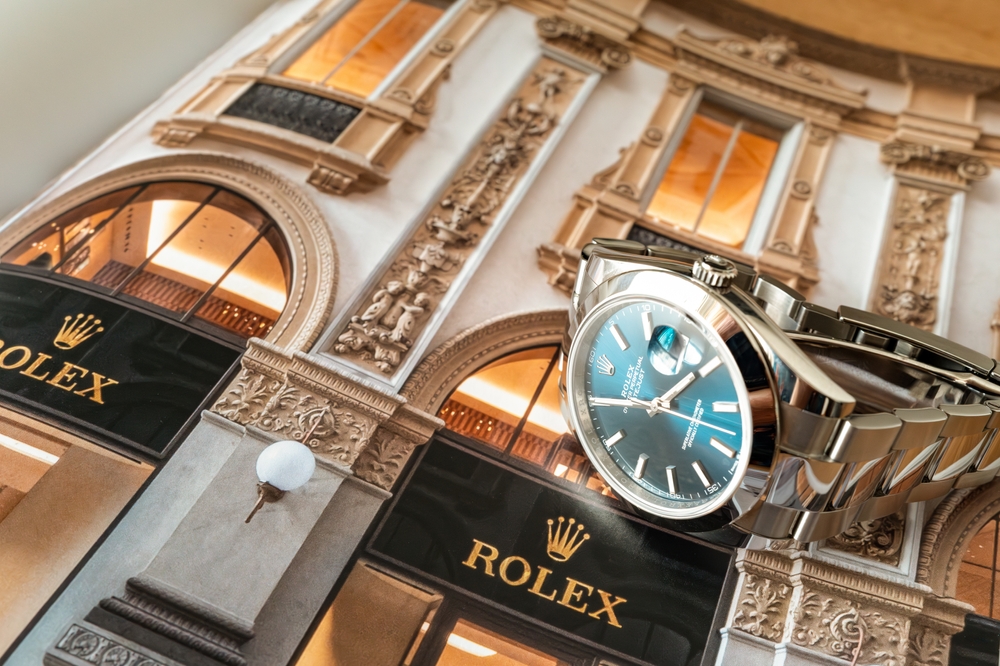
High-end watches from brands like Rolex, Omega, and Tag Heuer are marketed as appreciating assets and stores of value, but the vast majority depreciate 30-60% immediately upon purchase. Someone buying a $12,000 Omega or $15,000 Tag Heuer will find it worth $4,000-$7,000 on the secondary market the day after purchase. Even Rolex models, with few exceptions like specific Daytona or Submariner references, lose value over time when you factor in service costs of $800-$1,200 every 5-7 years.
The exceptions—highly sought models with years-long waiting lists—prove the rule that watches are luxury consumption items, not investments. Someone who bought a stainless steel Daytona at retail in 2020 might have seen appreciation, but they likely spent years on waiting lists or paid gray market premiums that eliminate gains. For every Daytona or Nautilus that appreciates, dozens of models from the same brands lose half their value. The servicing costs, insurance, and opportunity cost of capital tied up in watches that mostly depreciate make them poor wealth preservation tools despite the marketing narrative.
3. Boats and Watercraft – Holes in the Water to Pour Money Into
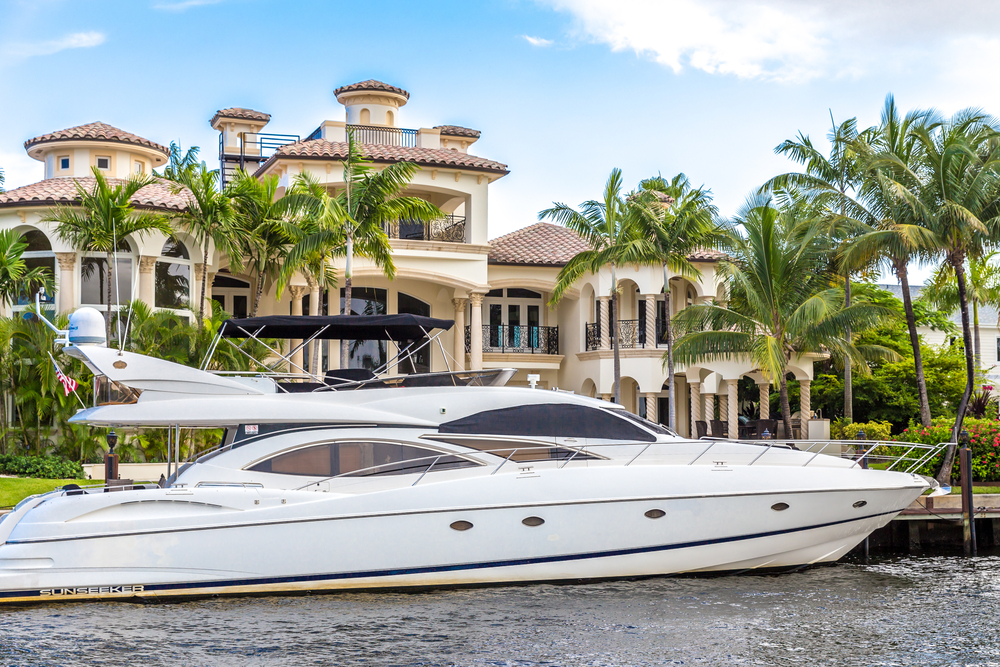
Boats seem like smart recreation investments that provide years of family enjoyment, but they depreciate 8-10% annually while consuming thousands in maintenance, storage, insurance, and fuel costs. A $60,000 boat loses $5,000-$6,000 in value the first year alone while costing $4,000-$8,000 in dock fees, storage, winterization, maintenance, and insurance. After five years of ownership, someone has spent $80,000-$100,000 total on a boat now worth $35,000-$40,000, representing $40,000-$60,000 in lost wealth.
The boating industry saying “the two happiest days of boat ownership are the day you buy it and the day you sell it” reflects this reality. Most boats sit unused 90% of the time while accumulating costs, and many owners discover after a few seasons that the hassle and expense outweigh the enjoyment. The used boat market is flooded with barely-used vessels from people who learned this lesson, depressing values further. Chartering boats for the occasional use costs far less than ownership, but the dream of being a “boat person” overrides the math for many buyers who convince themselves they’ll use it enough to justify the expense.
4. RVs and Motorhomes – Depreciating Faster Than They’re Driven

Recreational vehicles depreciate shockingly fast while requiring constant maintenance and repairs on systems that combine housing and automotive complexity. A $120,000 motorhome loses $20,000-$25,000 in the first year, then continues depreciating 10-15% annually while costing $3,000-$6,000 yearly in storage, insurance, and maintenance. After ten years, owners have spent $160,000-$200,000 on a vehicle worth $35,000-$45,000, and many discover major systems failures requiring $10,000-$20,000 repairs at exactly the worst time.
The utilization is pathetically low—most RVs are used 15-25 days annually, making the cost per day of use astronomical compared to hotels or vacation rentals. Maintenance requirements are constant because RVs combine all the problems of houses (plumbing, appliances, roofs) with vehicles (engines, transmissions, tires), and sitting unused actually causes more problems than regular use. The vision of retired freedom touring the country in an RV crashes against the reality of breakdowns, expensive campground fees, and the discovery that most people enjoy traveling more when they’re not also maintaining a rolling house.
5. Time-Limited Professional Credentials – Expiring Expertise

Professional certifications, licenses, and advanced degrees seem like permanent career assets, but many require continuous education, renewal fees, and maintaining active practice to retain value. Someone who spends $100,000 on an MBA or law degree discovers that stepping away from the field for 5-10 years makes the credential nearly worthless—knowledge becomes outdated, networks dissolve, and returning to practice requires essentially starting over. Medical licenses, CPA credentials, and engineering certifications require ongoing education costing thousands annually to maintain.
The decay accelerates in fast-changing fields like technology, where certifications from five years ago are irrelevant today. Someone who earned expensive cloud computing or cybersecurity certifications in 2019 finds them obsolete by 2024, requiring constant recertification to maintain value. The credential itself ages poorly as knowledge evolves, and the time out of the field creates gaps that employers view skeptically. What seemed like a permanent career investment proves to require constant reinvestment just to maintain, and any interruption—parental leave, health issues, career changes—can devalue the credential to near zero.
6. Collectible Cars – Money Pits Disguised as Appreciation
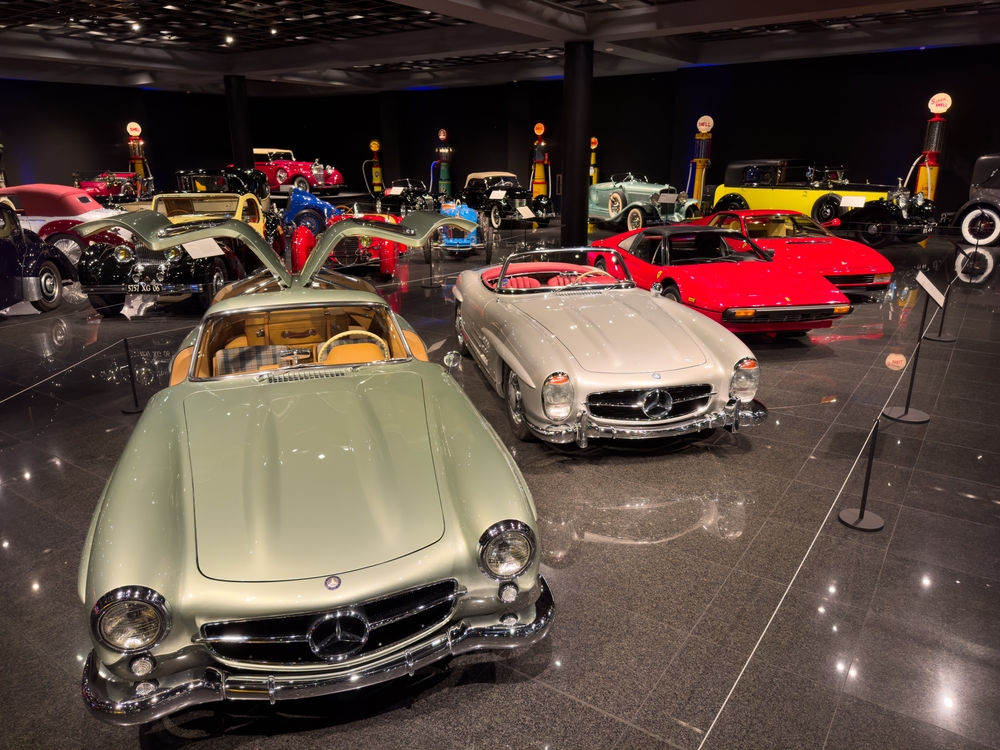
Classic and collectible cars are marketed as appreciating assets that combine passion with profit, but for every Barrett-Jackson success story, thousands of collectors lose money maintaining vehicles that appreciate slower than storage and maintenance costs accumulate. Someone buying a $40,000 classic car spends $2,000-$4,000 annually on climate-controlled storage, insurance, maintenance, and occasional restoration work. After 15 years of $3,000 annual costs, they’ve invested $85,000 total in a car that might be worth $55,000-$65,000.
The appreciating collectibles are rare, specific models in exceptional condition—most classic cars are worth less than their total cost of ownership when you include the years of carrying costs. Mechanical systems deteriorate whether driven or not, requiring rebuilds of engines, transmissions, and braking systems that cost $10,000-$25,000 even when the car sat properly stored. The collector car market is also generational—Baby Boomers drove values of 1960s-70s muscle cars high, but as that generation ages out, demand and prices are falling while younger collectors want different eras.
7. Whole Life Insurance – The Underperforming “Investment”

Whole life insurance is sold as both protection and investment, combining death benefits with cash value accumulation, but the returns dramatically underperform simple investment alternatives while locking in high fees. Someone paying $5,000 annually in whole life premiums might accumulate $60,000 in cash value after 15 years, while the same money in low-cost index funds would likely be worth $125,000-$150,000. The internal rate of return on whole life policies typically ranges from 1-4% once you factor in the actual cost of the insurance component.
The policy ages poorly because the fees embedded in early years mean cash values don’t accumulate meaningfully for a decade or more, and accessing the cash value through loans creates interest charges that compound against you. Many buyers surrender policies after 5-10 years when they realize the poor returns, locking in massive losses from the early fee structure. The insurance agents who sold these policies collected huge commissions—sometimes 80-100% of first-year premiums—creating incentive for aggressive sales of products that rarely serve clients’ best interests compared to buying term insurance and investing the difference.
8. Franchise Ownership – The Business Opportunity That Becomes a Job

Franchise opportunities are marketed as turnkey business investments with brand support and proven systems, but many franchisees discover they’ve bought an expensive job with limited upside and significant ongoing costs. Someone investing $150,000-$300,000 to open a franchise often works 60-70 hours weekly for income they could have earned as an employee elsewhere, while also bearing all the business risk. The franchise fees—typically 5-8% of revenue plus marketing fees of 2-3%—create permanent drains on profitability that limit wealth building.
The asset ages poorly because franchise agreements eventually expire after 10-20 years, and renewal isn’t guaranteed—franchisors can refuse renewal or demand expensive remodels as a condition. Resale values are often disappointing because buyers can usually buy new franchises directly, and existing locations may have limited remaining term on leases or agreements. After 15 years of 60-hour weeks and modest profits after fees, many franchisees discover their business is worth less than they invested, and they’ve essentially bought themselves a job that paid less per hour than employment would have while consuming their capital.
9. Home Exercise Equipment – The Expensive Clothes Rack

High-end exercise equipment like Peloton bikes, rowing machines, and home gyms seems like smart investments that pay for themselves by eliminating gym memberships, but utilization rates collapse within 6-12 months while the equipment depreciates to near zero. Someone spending $2,000-$4,000 on equipment plus $40 monthly subscriptions uses it intensively for a few months, then sporadically, then not at all, while the $500 annual subscription continues on autopilot. After three years, they’ve spent $3,500-$5,500 on equipment worth maybe $800 on the used market.
The resale market is flooded with barely-used equipment from people who learned this lesson, creating massive depreciation—$2,500 Peloton bikes sell used for $600-$900, and heavy equipment is difficult to move, further depressing prices. The space occupied by unused equipment becomes a daily reminder of wasted money and failed intentions, yet moving it or selling it requires the effort most people avoid. The equipment ages poorly, not just in depreciation but in becoming obsolete as companies release new models, subscription services change, and the initial motivation completely evaporates, leaving expensive furniture that nobody wants.
10. Timberland and Farmland as Passive Investments – The Illiquid Money Trap

Agricultural land and timberland are marketed as inflation hedges and passive investments with tax benefits, but absentee owners discover they’re actually active management responsibilities with high carrying costs and limited liquidity. Someone buying 40 acres of farmland for $200,000 pays $2,000-$4,000 annually in property taxes, maintenance, and management costs while hoping for appreciation or crop income that rarely materializes as projected. Trees take 20-30 years to mature for harvest, and crop farming requires expertise and active management to generate meaningful returns.
The asset ages poorly because it’s illiquid—selling farmland in rural areas can take years, and you’re competing with local farmers who know the land’s true value and won’t pay premium prices. Property taxes increase annually while income remains uncertain, creating negative cash flow that drains other assets. Environmental regulations, water rights issues, and changing agricultural economics can dramatically impact values in ways absentee owners can’t predict or control. What seemed like a simple inflation hedge becomes a management headache that’s difficult to exit and whose carrying costs exceed returns for most investors.
11. Fine Art from Living Artists – Appreciation That Never Comes

Purchasing contemporary art from living or recently deceased artists as an investment looks sophisticated, but the vast majority of art never appreciates and is essentially worthless upon resale. Someone buying a $15,000 painting from a gallery pays a 50% markup over what the artist received, and resale requires finding the rare buyer willing to pay for that specific work. After 15 years, most contemporary art has zero resale value beyond perhaps $500-$2,000 to dealers who might include it in mixed lots.
The 1% of art that dramatically appreciates gets all the attention, but that success is unpredictable and requires buying from artists who become major figures—odds no better than picking winning stocks. Storage and insurance costs for valuable pieces add hundreds annually, and art requires climate-controlled environments to prevent deterioration. The asset ages poorly, literally as well as financially—works on paper fade, oils crack, and contemporary mixed-media pieces using experimental materials can physically deteriorate. Someone who bought art “as an investment” discovers it was an expensive decoration with no exit strategy.
12. Designer Handbags and Luxury Goods – Depreciating Accessories
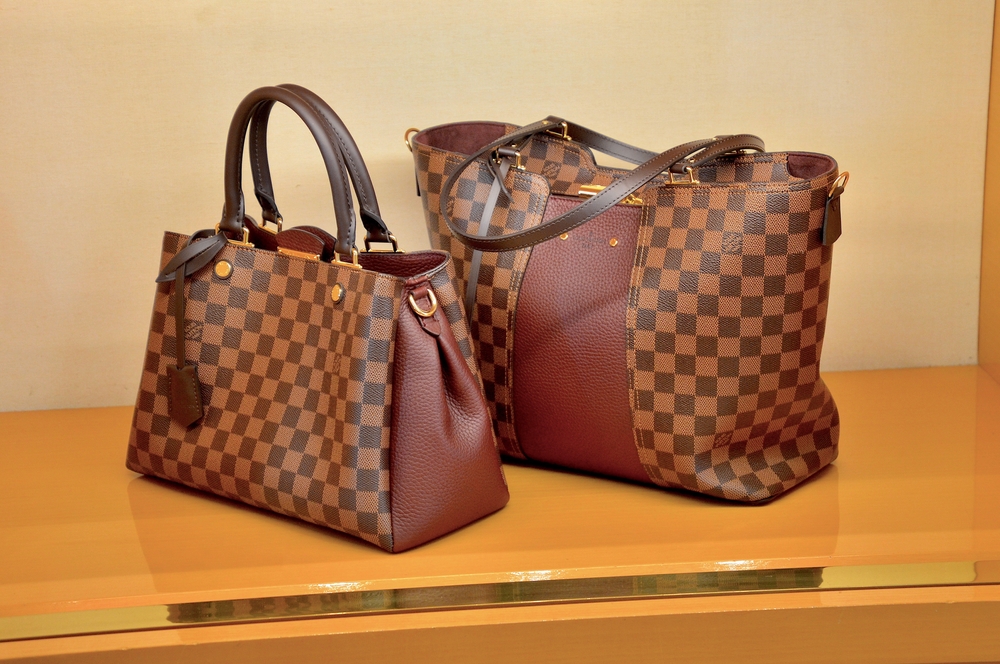
High-end handbags from brands like Louis Vuitton, Chanel, and Hermès are marketed as investments that hold value or appreciate, but most depreciate 30-50% immediately and continue declining except for extremely rare pieces like Birkin bags in specific colors. Someone buying a $4,000 Gucci or Prada bag will find it worth $1,500-$2,000 used, and fashion trends make even luxury items look dated within 5-10 years. The bags physically age as well—leather wears, hardware tarnishes, and interiors deteriorate—requiring expensive restoration or simply looking shabby.
The exception is Hermès Birkin and Kelly bags in rare configurations, but these require relationships with boutiques and years on waiting lists, and the secondary market premium means you’re paying $30,000-$100,000 for bags retailing at $12,000-$25,000, eliminating any investment case. For the other 99% of luxury bags, they’re consumption items that lose most of their value quickly while requiring careful storage and insurance. After ten years, most luxury bags have depreciated to 20-40% of purchase price while providing no utility beyond what a $100 bag would have offered, making them spectacularly poor uses of capital that seemed sophisticated at purchase.
This article is for informational purposes only and should not be construed as financial advice. Consult a financial professional before making investment or other financial decisions. The author and publisher make no warranties of any kind.