



Class markers used to be obvious. You could spot them in neighborhoods, job titles, brand logos, or where someone shopped. But after 2020, a strange shift happened—many of the signals people relied on to guess someone’s financial position stopped working. Remote work, inflation, asset booms, and social changes scrambled the old cues, and now what “looks” middle class, wealthy, or struggling does not always match reality.
1. Working From Home Means You’re Comfortable

Before 2020, working from home was often associated with freelancers or high-level executives. It carried an assumption of autonomy and financial stability. After 2020, remote work became widespread across income levels.
Now, someone working from a kitchen table might be a tech professional earning six figures or a customer service contractor juggling unstable hours. The visual of home-based work no longer signals security. Income stability became harder to judge from daily routines.
2. Big Cities Equal Opportunity
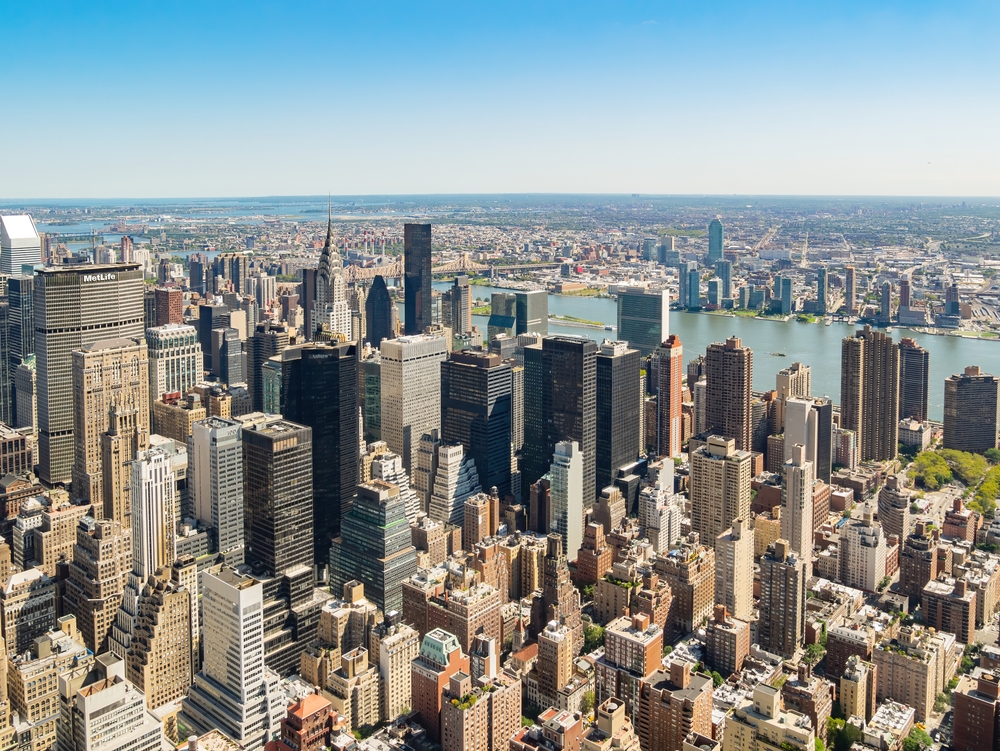
Major metro areas once symbolized upward mobility and high earnings potential. Living in New York, San Francisco, or Los Angeles implied access to better jobs and wealth. But post-2020 migration patterns shifted that equation.
Remote work allowed high earners to relocate, while rising costs pushed many long-time residents out. A prestigious ZIP code no longer guarantees financial comfort. Some residents are asset-rich homeowners, while others are stretched renters barely keeping pace.
3. Owning a Home Means You’re Wealthy

Homeownership long functioned as a middle-class milestone. But soaring property values after 2020 distorted what ownership represents. Someone who bought in 2012 may appear wealthy today due to appreciation alone.
Meanwhile, a household earning a high income today might still be locked out of ownership entirely. The timing of purchase matters more than income alone. Owning property now reflects when you entered the market as much as how much you earn.
4. New Cars Signal Financial Success

For decades, driving a brand-new vehicle suggested strong finances. After 2020, auto shortages and rising prices changed the dynamic. Some buyers stretched loans to seven or eight years just to secure transportation.
A new car might now represent heavy debt rather than disposable income. Meanwhile, some wealthy individuals quietly drive older, fully paid vehicles. The visible cue no longer tells the full story.
5. Travel Photos Mean Financial Freedom

Social media vacation posts once suggested disposable income and flexibility. But travel financing increased sharply after 2020. Many households fund trips through credit rather than savings.
At the same time, some affluent families travel quietly and avoid public posting altogether. Travel visibility no longer guarantees wealth. It may instead reflect credit usage or shifting priorities.
6. College Degrees Guarantee Middle-Class Stability

Higher education was long viewed as a clear pathway to class security. Rising tuition and student debt altered that assumption dramatically. Many degree holders now carry five- or six-figure loan balances.
Meanwhile, skilled trades and entrepreneurial paths have grown more lucrative. A degree no longer automatically signals financial comfort. The cost of obtaining it changed the risk calculation.
7. Corporate Jobs Mean Long-Term Security

Working for a large corporation once implied stability, healthcare benefits, and career growth. After widespread layoffs and restructuring across industries, that perception weakened. Even high-level employees discovered job security could evaporate quickly.
Contract roles, gig work, and short-term consulting expanded across income levels. A polished job title now offers less certainty about actual financial durability. Stability became harder to assume from employer name alone.
8. Renting Means You’re Struggling

Renting was historically associated with transitional or lower-income households. But in high-cost markets after 2020, even six-figure earners often rent by choice or necessity. Skyrocketing down payments and interest rates made ownership less accessible.
Some renters maintain significant liquidity and investment portfolios. Meanwhile, some homeowners are house-poor and highly leveraged. Housing status alone stopped signaling clear class position.
9. Side Hustles Signal Financial Trouble

Before 2020, holding multiple jobs often implied financial strain. Now, side businesses and freelance income are common across income brackets. High earners frequently build secondary revenue streams.
Diversification became normalized rather than stigmatized. A second income stream may reflect strategic growth rather than desperation. Class assumptions tied to “extra work” shifted significantly.
10. Luxury Branding Reflects Wealth

Designer logos and visible consumption once served as clear wealth indicators. Post-2020 inflation and easy financing blurred those lines. Many luxury goods are now widely financed or purchased through resale markets.
Simultaneously, affluent consumers increasingly favor understated brands. Quiet luxury replaced obvious status signaling in many circles. Logos no longer reliably distinguish net worth.
11. Early Retirement Signals Financial Independence

Leaving work before traditional retirement age once implied strong savings. After 2020, early exits often reflected layoffs, burnout, or caregiving responsibilities. Some early retirees are financially secure, while others are navigating forced transitions.
Public perception struggles to differentiate voluntary retirement from economic displacement. The same outward behavior can reflect entirely different financial realities. Retirement timing no longer communicates class with clarity.
12. Suburban Living Equals Stability
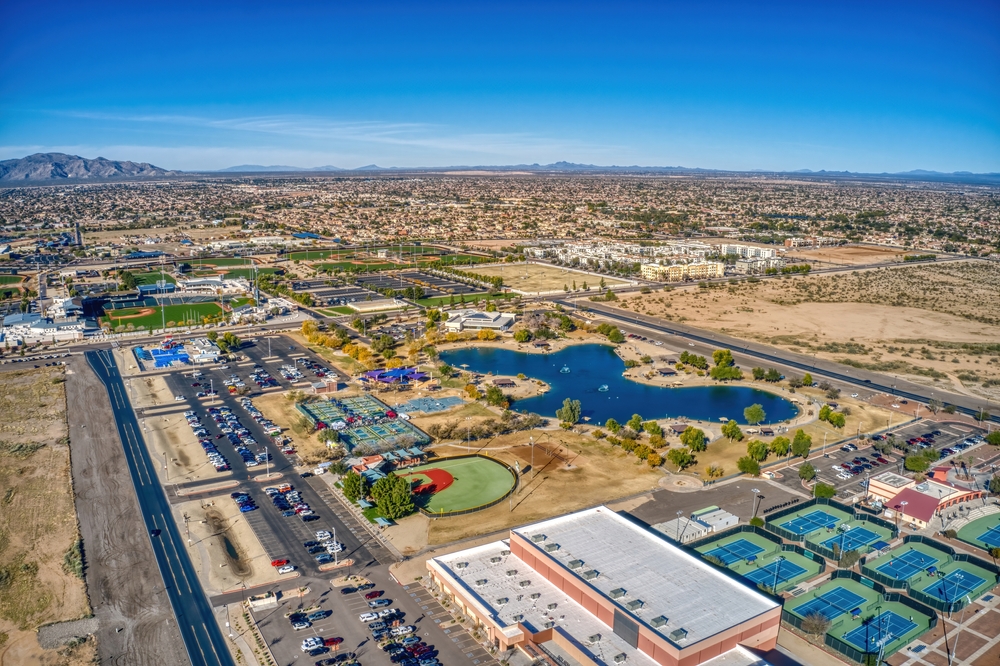
Suburbs traditionally symbolized middle-class comfort and family-oriented stability. Rising suburban housing costs after 2020 disrupted that assumption. Some suburban homeowners are sitting on significant equity gains.
Others stretched aggressively to buy during peak markets. Geographic location alone does not confirm security. Stability depends more on balance sheets than addresses.
13. Owning Investment Property Means Wealth

Investment properties were long considered reliable markers of financial advancement. After 2020, many small landlords faced rising interest rates, maintenance costs, and tenant protections that cut into returns. Ownership became more complex and risky.
Some highly leveraged investors appear wealthy on paper but operate on thin margins. Meanwhile, many financially stable households avoid real estate risk entirely. Property ownership no longer guarantees effortless wealth.
14. Financial Confidence Reflects Financial Strength

Perhaps the most misleading assumption is that confidence equals security. Social media, networking culture, and post-2020 optimism messaging blurred that distinction. Many households project stability while quietly managing debt or uncertainty.
Meanwhile, some financially secure individuals remain cautious and understated. The emotional tone of someone’s financial life does not always match their balance sheet. After 2020, appearances became more disconnected from underlying reality than ever before.
This article is for informational purposes only and should not be construed as financial advice. Consult a financial professional before making investment or other financial decisions. The author and publisher make no warranties of any kind.