


Buying a house is a significant milestone and one of the biggest financial commitments you’ll ever make. But before you dive into real estate, there are several essential financial steps to take first. Ensuring that you have a robust financial foundation can make the home-buying process smoother and less stressful. Here are 14 important things to do with your money before you even think about buying a house.
1. Start an Emergency Fund

Before you contemplate a mortgage, make sure you have a solid emergency fund. This fund acts as a financial safety net, covering at least three to six months of your living expenses in case of unexpected events like job loss or medical emergencies. According to a study by Bankrate, 28% of Americans have no emergency savings, underscoring the importance of prioritizing this reserve over homeownership. An emergency fund gives you peace of mind and helps prevent financial strain during tough times.
Having this cushion can also prevent you from dipping into other savings or accruing debt when surprises arise. It might sound tedious to set aside extra cash, but think of it as financial insurance. Break down your savings goal into monthly contributions to make it more manageable. Remember, consistency is key — small, regular deposits can build a substantial fund over time.
2. Pay Off High-Interest Debt

Dealing with high-interest debt, like credit card debt, should be a priority before purchasing a home. High-interest rates can drain your finances, leaving you with less disposable income for savings or investments. Focus on paying down these debts using methods like the avalanche or snowball strategy, both of which can help reduce the balance faster. Reducing your debt load can also improve your credit score, potentially lowering your future mortgage interest rate.
Interest payments can add up quickly, so getting out from under this debt can free up more cash flow. Consider transferring balances to lower-interest accounts or consolidating debts for a more manageable payment plan. Be disciplined with your spending to avoid accumulating new debt while you’re paying off old balances. Reaching a debt-free status can provide an immense sense of relief and financial clarity.
3. Boost Your Credit Score
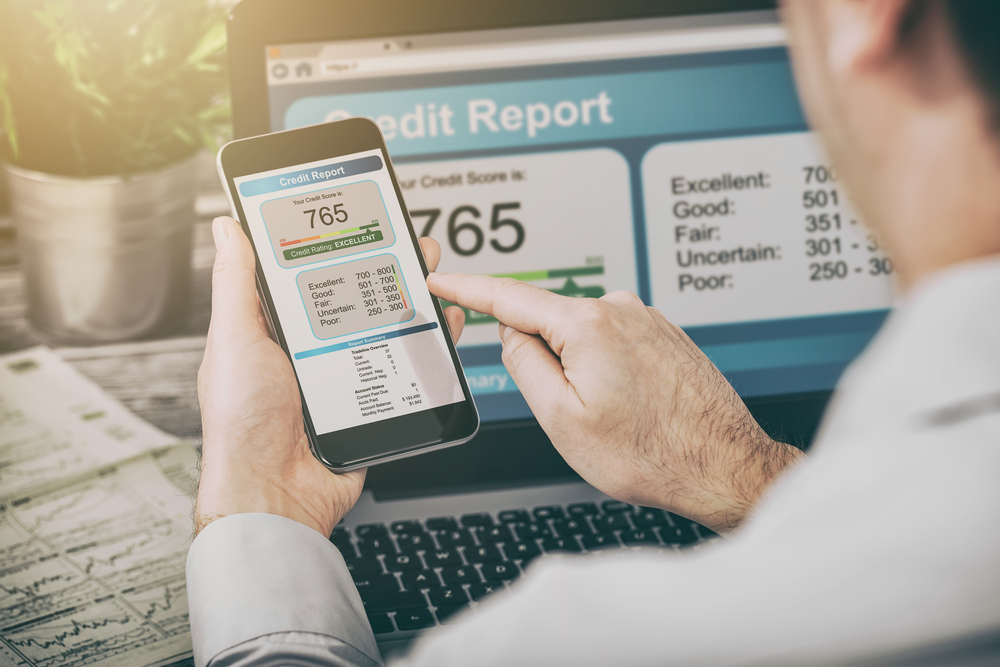
Your credit score significantly influences the interest rate you’ll receive on a mortgage, so it’s crucial to boost it before house hunting. Review your credit report for errors, which you can dispute to potentially improve your score. According to the Consumer Financial Protection Bureau, one in five people has an error on at least one of their credit reports. Addressing these inaccuracies can make a big difference in your creditworthiness in the eyes of lenders.
Additionally, try to keep your credit utilization ratio below 30% and pay your bills on time to maintain a healthy score. Consider becoming an authorized user on a responsible friend’s credit card to help build your credit history. Remember that improving your credit score takes time, so start this process well before you plan to apply for a mortgage. A strong credit score could save you thousands over the life of a loan.
4. Understand Your Financial Picture

A comprehensive understanding of your financial situation is crucial before making any major purchase, including buying a house. This involves knowing your income, expenses, debts, and savings. A clear financial picture allows you to make informed decisions about what you can reasonably afford. It helps you avoid overextending yourself financially, which can lead to stress and potential financial ruin.
Create a detailed budget that outlines all your financial obligations and spending habits. Use this budget to identify areas where you can cut back or save more effectively. Adjusting your spending now can ensure you have extra funds for home expenses later. This discipline not only prepares you for homeownership but also instills lifelong financial habits.
5. Set Clear Savings Goals

Setting clear savings goals is an essential step in preparing for homeownership. Determine how much you need for a down payment, closing costs, and moving expenses. According to Zillow, the average down payment on a house is about 6% of the purchase price for first-time homebuyers. Having a specific target helps you stay motivated and on track to accumulate the necessary funds.
Break down your total savings goal into smaller, manageable milestones. Open a dedicated savings account for your house fund to avoid mixing it with everyday expenses. Automate your savings to ensure you consistently contribute without having to think about it. Celebrate small wins along the way to maintain your momentum and enthusiasm.
6. Research Mortgage Options

Understanding the variety of mortgage options available is crucial before you start house hunting. Each type of mortgage offers different terms, interest rates, and requirements, so it’s essential to find one that aligns with your financial situation. Research conventional loans, FHA loans, VA loans, and USDA loans to understand their differences and which might be best for you. Having this knowledge can help you negotiate better terms when you’re ready to apply.
Reach out to multiple lenders to compare their offers — you might be surprised at the range of rates and conditions available. Online tools and mortgage calculators can help you estimate monthly payments and total costs over time. Consider seeking advice from a mortgage broker who can guide you through the options and recommend the best fit. Being well-informed empowers you to make decisions that can save you money in the long run.
7. Plan for Future Expenses

Owning a home involves more than just paying a mortgage — there are numerous other costs to plan for. Property taxes, insurance, maintenance, and potential homeowners association fees can add up quickly. The National Association of Realtors suggests budgeting 1% to 3% of your home’s purchase price annually for maintenance costs alone. Planning for these future expenses ensures you won’t be caught off guard once you’re a homeowner.
When budgeting, include these additional expenses to get a realistic picture of homeownership costs. Consider starting a separate savings fund specifically for home maintenance and emergency repairs. Forethought and preparation can prevent financial strain down the road. By planning ahead, you can enjoy your home without the worry of unexpected expenses derailing your budget.
8. Educate Yourself on the Market

Before jumping into the real estate market, take time to educate yourself on current trends and conditions. Understanding the market can help you make informed decisions about when and where to buy. Research local housing prices, neighborhood amenities, and future development plans. Knowledge of these factors can influence your choice of location and help you spot a good deal when it arises.
Attend open houses and speak with real estate agents to get a feel for what’s available and at what price. Online resources and local property listings can also provide valuable insights. Keep an eye on interest rate trends, as these can affect your purchasing power and monthly payments. By becoming well-versed in the market, you position yourself as a savvy buyer who can make strategic decisions.
9. Build a Strong Support Network

Homebuying can be a complex process, and having a strong support network is invaluable. This network should include professionals like real estate agents, financial advisors, and mortgage brokers who can offer expert advice. Friends and family who have gone through the homebuying process can also provide personal insights and recommendations. Their experiences and guidance can help you avoid common pitfalls and make the process smoother.
Cultivate these relationships early, so you’re prepared when it’s time to make offers and negotiate. A trusted real estate agent can provide access to listings and insider knowledge about neighborhoods. Financial advisors can help you strategize your savings and investments to align with your homebuying goals. Surrounding yourself with the right people makes the journey to homeownership less daunting and more enjoyable.
10. Factor in Lifestyle Changes

Consider any lifestyle changes that might impact your financial situation before buying a house. Events like job changes, starting a family, or pursuing further education can significantly affect your budget and priorities. Assess whether your current lifestyle supports homeownership or if you’ll need to make adjustments. Planning for these changes ensures you can comfortably afford your home even as your life evolves.
Think about how a new home might fit into your long-term plans. Are you buying a starter home with plans to upgrade in a few years, or are you looking for a forever home? Be realistic about your needs and how they might change over time. Acknowledging these factors can help you choose a home that fits your lifestyle now and in the future.
11. Consider Renting vs. Buying

While buying a home is a dream for many, renting might actually be the smarter financial decision for some. Renting can offer more flexibility, lower upfront costs, and freedom from maintenance responsibilities. Compare the costs of renting versus buying in your desired area, factoring in potential appreciation of property value and rent increases. This analysis will help you weigh the pros and cons and decide which option better suits your financial situation and lifestyle.
Consulting with a financial advisor can provide a clearer picture of the long-term implications of each choice. Renting might free up resources for other investments or allow for greater mobility, while buying can offer stability and equity growth. Consider the time horizon you plan to stay in one place, as this can heavily influence the financial viability of renting versus buying. Weighing these factors ensures you make a well-informed decision that aligns with your goals.
12. Assess Your Employment Stability

Your job stability plays a crucial role in determining whether you’re ready to buy a home. Lenders look for steady employment history as a key factor in approving mortgage applications. If you’re in a stable job with predictable income, you’re more likely to secure favorable loan terms. Conversely, if your employment situation is uncertain, it might be wise to delay homebuying until you’re more secure.
Evaluate your career trajectory and industry outlook to assess long-term stability. Consider whether your job might require relocation or if you’re planning to switch careers in the near future. A stable employment situation not only improves your mortgage prospects but also provides peace of mind as you take on homeownership responsibilities. Ensuring job security before buying a home can prevent financial stress and enable you to enjoy the experience more fully.
13. Practice Living on a New Budget

Adjusting to a homeowner’s budget before you actually buy a house is a smart way to prepare financially. Estimate your potential monthly expenses, including mortgage payments, utilities, and maintenance costs, and start living by this budget now. This exercise helps you identify which spending habits you’ll need to change and how these changes impact your lifestyle. It’s a proactive step that ensures you’re comfortable with the financial responsibilities of homeownership.
Track your spending diligently to ensure you’re sticking to your new budget. Use budgeting apps or spreadsheets to monitor your progress and make adjustments as needed. This practice period allows you to fine-tune your financial habits and build confidence in managing new expenses. By the time you’re ready to buy, you’ll be well-practiced in living within your means and prepared for the financial demands of owning a home.
This article is for informational purposes only and should not be construed as financial advice. Consult a financial professional before making investment or other financial decisions. The author and publisher make no warranties of any kind.