


There was a time when certain purchases clearly separated the haves from the have-nots—things that required real disposable income and signaled you’d made it. But the definition of luxury has shifted so dramatically that what once indicated success now just means you have access to credit or know how to work the system. The democratization of formerly exclusive experiences through financing, subscriptions, and clever marketing has completely scrambled the signals. What your parents considered luxuries available only to the wealthy are now things almost anyone can access, making them useless as actual success indicators.
1. Eating at Restaurants Regularly

Going out to eat used to be a special occasion that families saved for, something you did to celebrate or mark important moments. Now it’s so normalized that many households eat out multiple times weekly, with younger generations treating restaurants as basic meal options rather than luxuries. The ubiquity of delivery apps, fast-casual concepts, and endless dining options has made restaurant meals feel ordinary and accessible. What once clearly indicated disposable income now just indicates someone who hasn’t learned to cook or prioritize saving over convenience.
The shift happened gradually as restaurant prices came down relative to income for middle-class families and the variety exploded beyond fancy sit-down establishments. Fast-casual dining blurred the lines between cooking at home and eating out, making $15 lunches feel normal rather than extravagant. Credit cards and delivery apps removed the psychological barrier of handing over cash for prepared food. Now eating out is so common that doing it regularly signals nothing about your financial status—wealthy people and broke people both hit restaurants constantly, though for very different reasons and with very different impacts on their finances.
2. Flying on Airplanes for Vacation

Air travel was once prohibitively expensive for average families, reserved for the wealthy or saved for once-in-a-lifetime trips. The deregulation of airlines, rise of budget carriers, and competition drove prices down to where flying became accessible to most Americans. Now a family trip requiring flights doesn’t signal wealth—it signals someone willing to pack into economy seats on Spirit or Frontier to get somewhere cheaply. The experience itself has been degraded so much that flying has become a miserable necessity rather than a glamorous luxury.
Budget airlines have made air travel accessible but removed every bit of comfort and service that made it special. You’re essentially paying to be transported in cramped, uncomfortable conditions with nickel-and-diming for every tiny addition. The people flying aren’t necessarily successful—they might be financing the trip on credit cards or using points from rewards programs. Meanwhile, truly wealthy people have moved to private aviation to escape the indignity of commercial flying. The airplane passenger today is more likely to be someone escaping their regular life for a week than someone whose success allows regular travel.
3. Owning Multiple Televisions

Having a TV in multiple rooms used to indicate real prosperity, as televisions were expensive investments families saved for carefully. Now homes routinely have televisions in every bedroom, the kitchen, even bathrooms, because flat screens cost less than they did decades ago even before adjusting for inflation. The multi-TV household signals nothing about wealth when you can buy a decent television for under $300. What was once a luxury purchase requiring serious consideration is now an impulse buy at Costco.
The technology improvement and price collapse in televisions has been so dramatic that what would have cost thousands in the 1980s now costs hundreds for better quality. Having multiple screens was aspirational; now it’s default for most households regardless of income level. The TV has gone from luxury status symbol to basic commodity, available to virtually everyone. In fact, people with actual wealth are often moving away from television-centered living rooms in favor of more minimalist, intentional spaces, making the multi-TV home potentially signal the opposite of what it once did.
4. Fresh Flowers in the House

Keeping fresh flowers in your home was a clear luxury marker—expensive, perishable, and purely decorative with no practical purpose. Only people with significant disposable income could justify spending money on something that would die in a week. The grocery store flower section and services like Trader Joe’s made fresh flowers accessible at prices low enough that most people can afford them regularly. Now fresh flowers signal someone who spent $6.99 at the grocery store, not someone with wealth to spare.
The psychological shift from special splurge to routine purchase happened as flowers became widely available and affordable. What was once reserved for holidays and celebrations is now a weekly grocery item for people across income levels. Budget subscription services deliver flowers to doors for less than a fancy coffee costs daily. The fresh flowers that used to announce prosperity now just announce that someone stopped by Trader Joe’s, completely neutralizing them as a wealth indicator.
5. Long-Distance Phone Calls

Making long-distance calls was once so expensive that people timed conversations carefully and saved them for important occasions or emergencies. Families had specific cheap-rate calling windows and watched the clock to avoid excessive charges. The luxury of calling relatives in other states or countries regularly indicated either wealth or wasteful spending. Now, unlimited calling is bundled free with nearly every phone plan, making the entire concept of long-distance charges seem absurd to younger generations.
The complete elimination of long-distance fees through cell plans, internet calling, and services like FaceTime has erased this former luxury entirely. You can video call someone across the world for free, something that would have cost dollars per minute just decades ago. The ability to stay constantly connected to people anywhere has gone from expensive luxury to expected basic service. Nobody even thinks about the cost of calling anymore because there isn’t one, making what was once a clear wealth signal completely meaningless.
6. Central Air Conditioning

Installing central air conditioning in your home was a major investment that separated comfortable middle-class families from those who couldn’t afford it. Window units and fans were the alternatives, clearly marking homes without the luxury of whole-house climate control. The gradual spread of central air to most new construction and the relative affordability of installation have made it standard rather than special. Now having central air says nothing about your wealth—it says you bought a house built after 1980 in most parts of the country.
The transformation from luxury to basic expectation happened as construction standards changed and air conditioning became seen as essential rather than optional. What once required significant investment is now included in virtually all new construction and many renovations. The comfort that was once aspirational is now baseline, expected in most homes regardless of price point. The lack of central air is now the notable feature rather than its presence, completely inverting the former status signal.
7. Owning a Camera

Cameras were expensive, precision instruments that required investment and knowledge to use properly. Owning a quality camera and taking photos regularly indicated both disposable income for equipment and film processing, plus the leisure time to engage in photography. The family with a camera was documenting their success and activities, while others went without photographic records. The smartphone camera revolution completely demolished photography as a luxury activity, putting better cameras than professionals used decades ago into everyone’s pocket.
Not only did cameras become universally accessible, but the cost of taking photos dropped to essentially zero—no film, no processing, unlimited shots for free. What was once a considered luxury purchase requiring careful budgeting is now included free with a device most people already own. The democratization has been so complete that photography skill and artistic vision matter more than equipment access. Having a camera means nothing now, making a former clear luxury marker completely obsolete as a success indicator.
8. Hardwood Floors Throughout the House

Real hardwood flooring was expensive to install and maintain, clearly distinguishing wealthier homes from those with linoleum or basic carpet. The cost and craftsmanship required for quality hardwood made it a legitimate luxury that indicated financial success. Engineered hardwood, luxury vinyl plank, and other convincing alternatives have made the hardwood floor look accessible at a fraction of the cost. Now you can’t tell from appearance alone whether floors cost $3 per square foot or $15, neutralizing hardwood as a wealth signal.
The improvement in fake wood flooring has been so dramatic that many people actively choose it over real hardwood for practical reasons, regardless of cost. The maintenance benefits and durability make alternatives appealing even to people who can afford real wood. What was once a clear status symbol has become an aesthetic choice available at multiple price points. The hardwood floor that used to announce prosperity now just announces that someone prefers the look of wood, which tells you nothing about their financial situation.
9. College Education

Earning a college degree was once a clear marker of success and upward mobility, indicating both intellectual achievement and family resources to afford tuition. The degree opened doors and virtually guaranteed a middle-class income and security. The massive expansion of higher education access and student lending has made degrees ubiquitous while simultaneously devaluing them. Now, having a bachelor’s degree isa baseline for many jobs that don’t require college-level skills, and graduates often carry crushing debt that negates any financial advantage the credential provides.
The transformation from elite achievement to basic requirement has completely changed what a degree signals. Instead of indicating success, it now often indicates debt and credential inflation in a system that required four years and tens of thousands of dollars for jobs that previous generations got with high school diplomas. The college graduate might be successful or might be drowning in student loans while working retail—the degree alone tells you nothing. The luxury of higher education has become the necessity of credentialism, removing its value as a success marker.
10. Granite Countertops
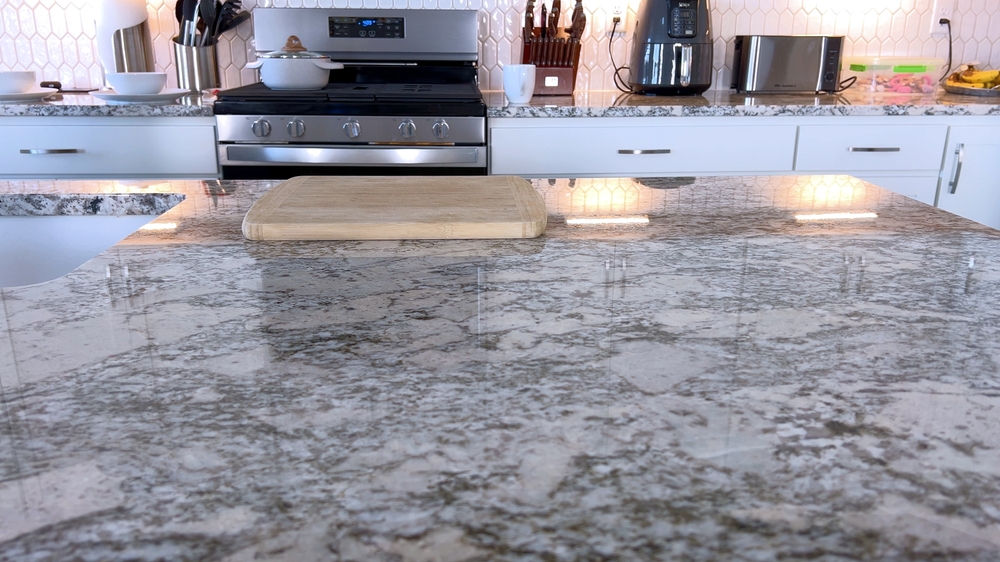
Granite countertops in kitchens were once a clear luxury upgrade that distinguished expensive homes from standard ones. The material cost, fabrication, and installation required significant investment that most homeowners couldn’t justify. Then granite became the default upgrade in new construction and renovations, driven by home improvement shows and falling prices as imports flooded the market. Now granite countertops are so common they’re almost boring, replaced at the high end by quartz, marble, and exotic materials while granite has trickled down to mid-range homes.
The ubiquity of granite has made it meaningless as a wealth indicator—you’re as likely to see it in a modest starter home as a luxury property. The cost came down so dramatically that choosing granite over laminate is now a standard upgrade costing thousands rather than tens of thousands. What was once aspirational has become expected, with buyers disappointed if a home doesn’t have stone countertops of some kind. The former luxury has become standard, pushing actual wealth markers toward even more expensive and rare materials that most people have never heard of.
11. Going to the Movies Regularly

Movie theaters were entertainment experiences that required disposable income, making regular moviegoing a luxury not everyone could afford. Families carefully chose which films justified the expense of tickets, making it a special outing rather than a routine activity. The rise of streaming services offering unlimited content for monthly fees has made the theater experience seem expensive and inconvenient by comparison. Now, regularly going to movies signals someone who enjoys the theater experience specifically, not someone with extra money to spend on entertainment.
The value proposition of theaters has completely flipped as home viewing technology improved and streaming content exploded. Spending $15 per person for a single movie when you could watch unlimited content at home for $20 monthly makes theaters seem like poor value rather than special treats. The people still going regularly are often movie enthusiasts rather than wealthy people, while the wealthy increasingly watch new releases at home through premium services. The former luxury of moviegoing has become an overpriced inconvenience that many people skip entirely.
12. Name-Brand Groceries

Buying name-brand products instead of generic or store brands was a small luxury that indicated you could afford to pay more for perceived quality and consistency. Filling your cart with recognizable brands rather than generic equivalents clearly signaled disposable income and freedom from budget constraints. The quality gap between name brands and store brands has narrowed so dramatically that choosing name brands now often signals brand loyalty or failure to recognize that the products are often identical. Store brands are frequently made by the same manufacturers in the same facilities as name brands, just with different labels.
The stigma around generic products has evaporated as their quality has improved and information about their actual sources has spread. Wealthy people often choose store brands because they understand the value, while budget-constrained shoppers sometimes choose name brands for emotional or habitual reasons. The name-brand cart tells you nothing about someone’s financial status anymore—it might indicate someone who can afford to be careless about prices or someone who doesn’t realize they’re wasting money. The former luxury of brand-name products has become an irrelevant distinction in most categories.
13. Stainless Steel Kitchen Appliances
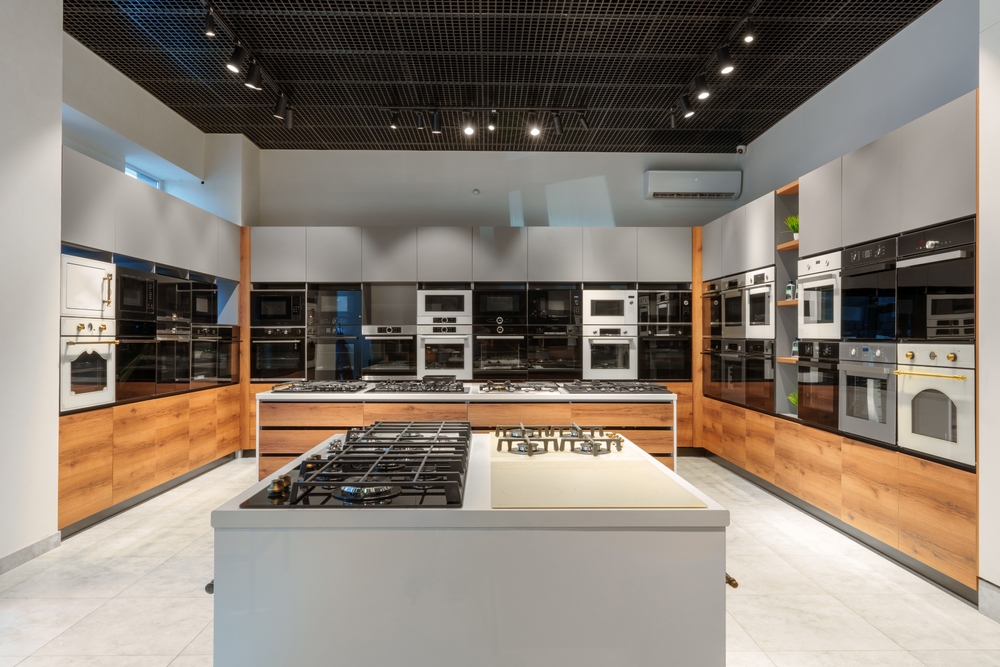
The stainless steel appliance suite was a premium kitchen upgrade that clearly distinguished renovated, modern kitchens from dated ones with white or almond appliances. The look became so desirable that it trickled down from luxury homes to become standard even in apartment buildings and modest homes. Now stainless steel appliances are the default, available at every price point from budget brands to premium, making them completely useless as wealth indicators. You can outfit an entire kitchen in stainless steel for under $2,000 or spend $20,000, and from a distance, they all look similar.
The democratization of the stainless steel aesthetic has made it boring and pushed wealthy homeowners toward panel-ready appliances that integrate invisibly into cabinetry or luxury colored finishes that cost far more. What was once the aspirational upgrade has become so standard that having mismatched or white appliances now stands out more than stainless. The luxury marker has become the baseline, making the stainless steel kitchen signal nothing except that someone bought appliances sometime in the last twenty years regardless of their price point or financial situation.
14. Hiring Help for Household Tasks

Paying someone to clean your house, mow your lawn, or handle repairs was once a clear luxury that only wealthy people could afford regularly. Everyone else did their own housework and maintenance as a matter of economic necessity. The gig economy and service platforms have made hiring help for everything from cleaning to furniture assembly accessible at price points that middle-class households can manage. Now having cleaners come monthly or hiring someone for yard work signals someone willing to spend money on convenience, not necessarily someone with wealth to spare.
The normalization of outsourcing household tasks has happened across income levels as dual-income households have more money than time and services have become easier to find and book. TaskRabbit, Handy, and countless other platforms commoditized services that used to require wealth or personal connections to access. What was once exclusive has become democratized to the point where household help tells you nothing about someone’s financial status. They might be genuinely wealthy, or they might be house-poor but prioritizing convenience over saving, making the former luxury completely ambiguous as a success signal.
This article is for informational purposes only and should not be construed as financial advice. Consult a financial professional before making investment or other financial decisions. The author and publisher make no warranties of any kind.