


People with generational wealth develop behavioral patterns so subtle that most observers miss them entirely, yet these quiet habits instantly signal old money to those who know what to look for. The signals aren’t about designer logos or obvious luxury—they’re about restraint, quality over flash, and a relationship with money so secure that it never needs announcing. These habits develop over generations as families learn that true wealth whispers while insecurity shouts, creating patterns of behavior that separate inherited money from the newly wealthy trying to perform affluence through conspicuous consumption.
1. Wearing Clothing Until It’s Genuinely Worn Out

Old money wears high-quality clothing for decades, treating a $300 sweater or $800 shoes as long-term investments rather than seasonal purchases. The clothing is impeccably maintained—professionally cleaned, properly stored, repaired when needed—but worn until genuinely no longer serviceable. Wardrobes contain fewer items than new money closets, but each piece is higher quality and kept for 10-20 years rather than replaced every season.
The habit signals comfort with having money—there’s no need to constantly display new purchases because wealth isn’t performed through consumption. Items are chosen for quality, fit, and timelessness rather than trends or logos, creating wardrobes that look expensive but understated. The old cashmere sweater with a professional invisible mend says old money; the new designer logo sweatshirt says trying too hard.
2. Discussing Money Only With Attorneys and Advisors

Old money families never discuss specific wealth amounts, portfolio values, or financial details in social settings, treating money conversations as gauche. Financial discussions happen exclusively in private meetings with attorneys, accountants, and wealth managers, never at dinner parties or social gatherings. When asked about money, old money deflects with vague pleasantries rather than either boasting or false modesty about wealth.
The discretion signals that money is a tool managed privately, not an identity to discuss publicly or leverage socially. Financial privacy is so ingrained that even close friends often don’t know the true extent of family wealth. The refusal to discuss money isn’t secrecy—it’s the understanding that people of real means simply don’t make their wealth a topic of conversation.
3. Buying Property in Unfashionable But Enduring Locations

Old money owns property in locations that have been valuable for 100+ years and will remain valuable regardless of trends—certain neighborhoods in major cities, historic small towns, traditional vacation areas. The properties are chosen for long-term stability and family use rather than as flashy showpieces or trendy investments. Real estate decisions are made for generations, not for Instagram or to impress peers.
The habit avoids trendy locations that attract new money, preferring areas that have quietly housed wealthy families for centuries. Properties are kept in families for generations, maintained meticulously, but not constantly renovated for fashion. The 1920s house that’s had three kitchen updates in 100 years says old money; the yearly gut renovations chasing trends say new money.
4. Educating Children at Specific Institutions

Old money sends children to the same handful of schools their families have attended for generations, valuing institutional connections over rankings. The schools aren’t chosen from US News lists—they’re chosen because multiple generations attended and the family name opens doors. Education decisions are about network preservation and tradition rather than prestige-chasing or optimizing outcomes.
The habit creates multi-generational institutional relationships where being a legacy isn’t just an advantage but an expectation. Schools become family traditions with endowed buildings, family names on libraries, and relationships with trustees spanning decades. The automatic acceptance to certain schools regardless of qualifications signals old money in ways that perfect test scores can’t replicate.
5. Maintaining Relationships With Service Providers for Decades

Old money families use the same attorneys, doctors, tailors, and other professionals for generations, valuing relationships over shopping for better deals. The family lawyer’s grandfather served the client’s great-grandfather, creating professional relationships spanning 100+ years. Service provider relationships are treated as partnerships rather than transactions, with mutual loyalty and long-term commitment.
The habit signals that old money values reliability and discretion over cost optimization or trendiness. Service providers become trusted family advisors who understand family history and values, not vendors to comparison shop. The attorney who’s represented four generations knows more about family assets and dynamics than any new hire could, making the relationship invaluable regardless of hourly rates.
6. Giving Anonymously Without Acknowledgment

Old money charitable giving is often completely anonymous, with no naming rights, recognition events, or public acknowledgment desired. Significant donations happen quietly through family foundations or direct gifts with legal agreements preventing donor identification. The giving is about impact and values, not social positioning or tax benefits, though those are managed separately.
The habit separates genuine philanthropy from the public charity performances that new money uses for social climbing. Unnamed endowments, anonymous hospital wings, and quiet scholarship funds signal old money’s relationship with giving as obligation rather than opportunity for recognition. The family foundation that’s existed for 80 years without public knowledge demonstrates that giving is private duty, not public performance.
7. Avoiding Visible Logos and Branding

Old money clothing, accessories, and possessions rarely display visible logos or designer branding, preferring quality that insiders recognize without advertising. The handbag is clearly expensive from materials and construction but lacks the logo that announces the brand to everyone. Clothing is custom or from quiet luxury brands rather than fashion houses whose logos serve as status broadcasts.
The habit signals security about status—there’s no need to prove wealth to strangers through visible branding. Quality is for personal satisfaction and longevity, not for signaling to observers who can’t afford the items anyway. The discreet luxury that only knowledgeable people recognize says old money; the logo-covered items that announce status to everyone say insecurity.
8. Treating Staff and Service Workers With Consistent Respect

Old money treats household staff, waiters, drivers, and service workers with the same courtesy they’d extend to peers, without the performative “kindness” new money displays. Staff relationships are professional and cordial, with appropriate boundaries maintained, neither familiar nor condescending. The treatment is consistent and unremarkable rather than conspicuously generous or dismissive.
The habit reflects understanding that staff are professionals providing services, not lessers to be pitied or props for demonstrating magnanimity. Multi-generational staff relationships are common, with household employees staying with families for entire careers. The quiet, respectful professionalism that characterizes old money-staff relationships contrasts sharply with new money’s awkward oscillation between servility and condescension.
9. Maintaining Homes Rather Than Constantly Renovating
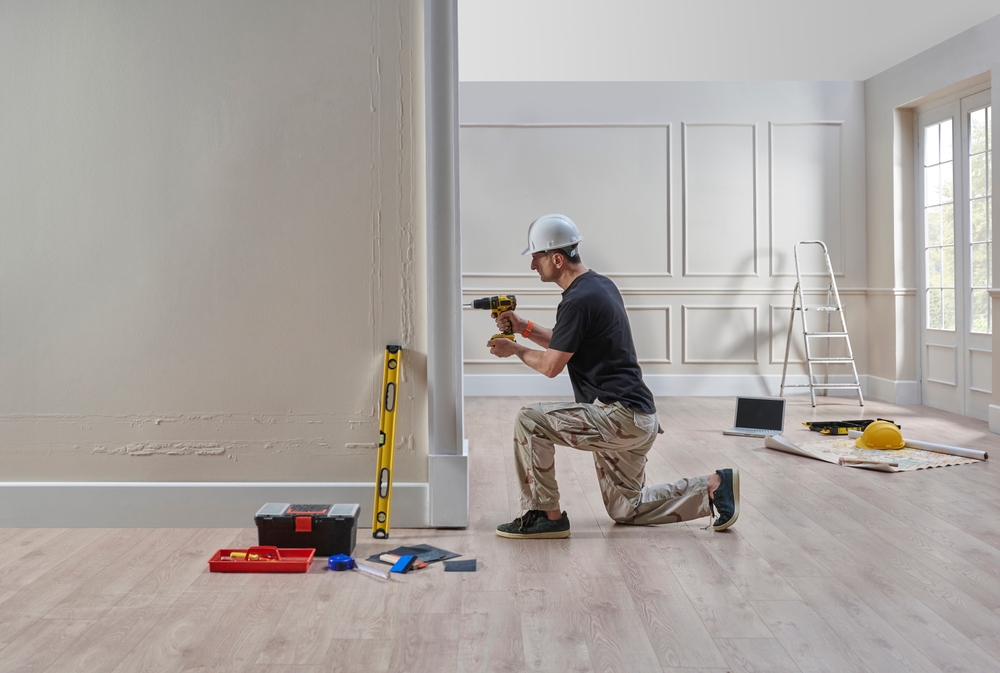
Old money homes are impeccably maintained but rarely undergo major renovations, preserving original architectural details and family history over chasing design trends. Updates happen for functionality or necessary modernization but preserve character rather than erasing it for contemporary styles. Kitchens are updated every 30-40 years rather than every 5 years, maintaining quality but avoiding the constant renovation cycle.
The habit values permanence and tradition over trendiness, treating homes as family spaces rather than design statements. Original moldings, hardware, and architectural details are preserved even when replacing them would be fashionable. The home with its 1960s kitchen update (high quality but dated) signals old money comfort; the constantly renovated home chasing design trends signals new money insecurity.
10. Spending Extravagantly Only on Invisible Quality
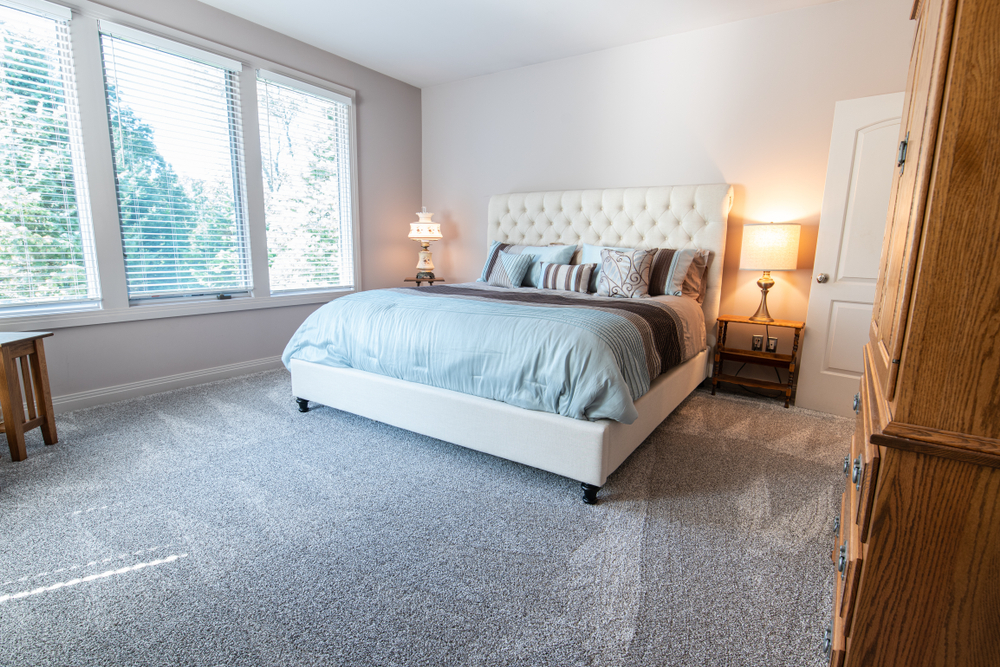
Old money spends enormous amounts on quality that’s invisible to casual observers—the mattress, the sheets, the insulation, the mechanicals—rather than on visible showpieces. The bed linens are $2,000 but look unremarkable; the heating system is state-of-the-art but completely hidden. Money goes to comfort, durability, and function rather than impression management and social signaling.
The habit demonstrates that spending is for personal benefit rather than observer impression, valuing invisible luxury over conspicuous display. The HVAC system, plumbing, electrical, and structural elements receive investment that visitors never see or appreciate. The willingness to spend on quality that provides no social credit signals genuine wealth; spending only on visible items signals performing wealth.
11. Traveling to the Same Locations Annually for Generations

Old money families return to the same vacation locations—specific islands, European cities, family compounds—annually for generations rather than chasing exotic destinations. The familiarity is the appeal, with relationships with local proprietors spanning decades and knowledge of locations exceeding most residents. Travel is about tradition and family time rather than collecting experiences or destinations for social media.
The habit creates deep connections to places rather than superficial tourist experiences in many locations. Summer in the same house for 60 years, winter in the same ski town for three generations, create continuity and tradition. The annual return to familiar places signals old money’s different relationship with leisure—it’s about family tradition and genuine relaxation, not performing adventurousness or collecting passport stamps.
12. Making Major Purchases After Extensive Research and Consideration

Old money takes months or years to make significant purchases, researching extensively and consulting experts before committing. Car purchases involve test-driving multiple vehicles over months; home purchases include exhaustive due diligence and multiple expert evaluations. The deliberation isn’t from limited funds—it’s from viewing purchases as long-term commitments requiring thorough vetting.
The habit contrasts sharply with new money impulse purchases of expensive items without research or consideration. Major acquisitions are treated as important decisions deserving time and expertise, not spontaneous displays of purchasing power. The six-month deliberation before buying a car signals old money thoughtfulness; the spontaneous purchase of multiple luxury cars signals new money impulsiveness.
13. Maintaining Hobbies That Require Significant Investment

Old money pursuits—equestrian activities, sailing, skiing, golf at private clubs—require enormous ongoing investment but are pursued for decades as serious hobbies rather than casual interests. The equipment is professional quality and meticulously maintained, the instruction is from the best teachers, the commitment is long-term. Hobbies are genuine interests pursued seriously rather than status activities sampled superficially.
The depth of engagement and duration of commitment signal that activities are pursued for their own sake rather than for social positioning. The family that’s sailed competitively for three generations demonstrates genuine passion; the new sailor with a yacht purchased for entertaining demonstrates hobby as performance. The decades-long serious pursuit of expensive hobbies signals old money’s relationship with leisure as skill development and tradition rather than wealth display.
14. Using Understatement in All Communication

Old money vocabulary minimizes rather than exaggerates—houses are “comfortable” or “adequate,” vacations were “pleasant,” possessions are “serviceable.” The understatement extends to achievements, with significant accomplishments described casually rather than promoted. Communication style avoids superlatives, enthusiasm, and any language that draws attention or suggests trying to impress.
The habit signals security that doesn’t require verbal amplification or performance of excitement. Life quality is assumed rather than asserted, making enthusiastic description unnecessary. The WASP understatement that describes an oceanfront estate as “the cottage” or a multi-million art collection as “a few nice pieces” signals old money; the enthusiastic, detailed description of every possession signals new money’s need to ensure observers understand their significance.
15. Treating Wealth as Responsibility Rather Than Achievement

Old money views wealth as an inherited responsibility to manage, preserve, and eventually pass on rather than as personal achievement to celebrate. Conversations focus on stewardship obligations—preserving capital, supporting family members, maintaining family properties—rather than on enjoyment or display. The wealth is treated as belonging to the family across generations rather than to individuals to consume.
The habit creates a completely different relationship with money where spending is restrained by duty to future generations and family legacy. Decisions are evaluated against preservation and growth for heirs, not personal gratification. The treatment of wealth as responsibility to manage rather than achievement to enjoy signals old money’s multi-generational perspective; treating wealth as personal accomplishment to spend signals new money’s individual focus.
This article is for informational purposes only and should not be construed as financial advice. Consult a financial professional before making investment or other financial decisions. The author and publisher make no warranties of any kind.