

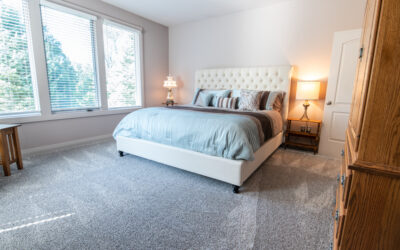
Trends shift quietly in real estate. Features that once made buyers gasp during an open house tour now barely register, and some even trigger skepticism instead of excitement. What felt luxurious in 2005 can feel dated, impractical, or expensive to maintain in 2026. Sellers who still lean on yesterday’s bragging rights are often surprised when buyers respond with a polite nod instead of a higher offer.
1. Granite Countertops
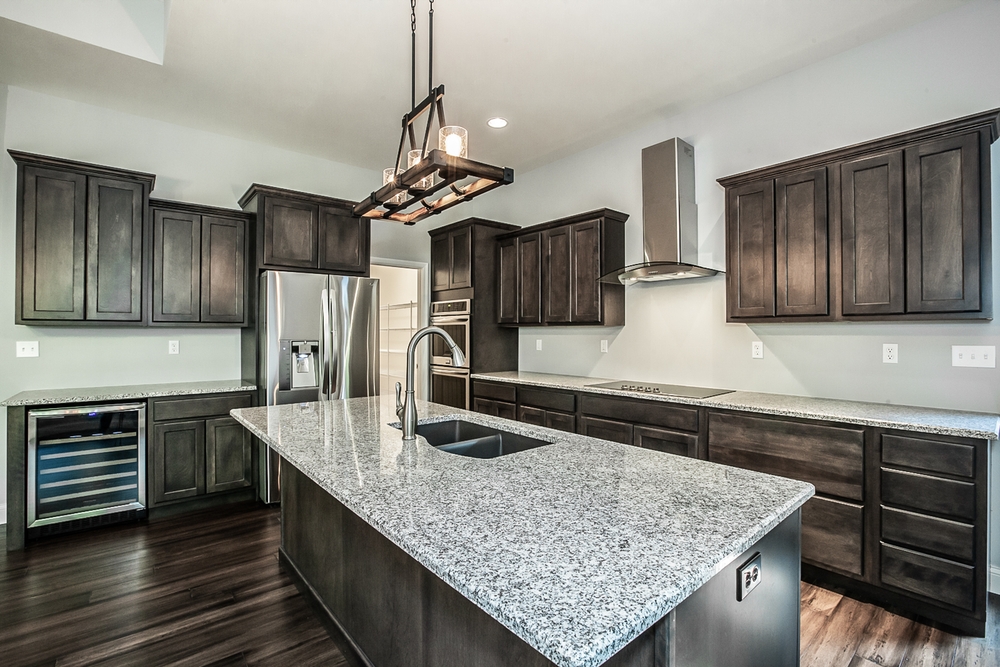
Granite used to be the gold standard of kitchen upgrades. Realtors highlighted it in bold letters because it signaled a move up from laminate and builder-grade finishes. Today, most buyers assume stone counters are standard, not special.
In some markets, granite even feels dated compared to quartz or other engineered surfaces. Buyers now care more about layout and storage than the exact mineral composition of the countertop. What once justified a price bump is now just baseline expectation.
2. Formal Dining Rooms
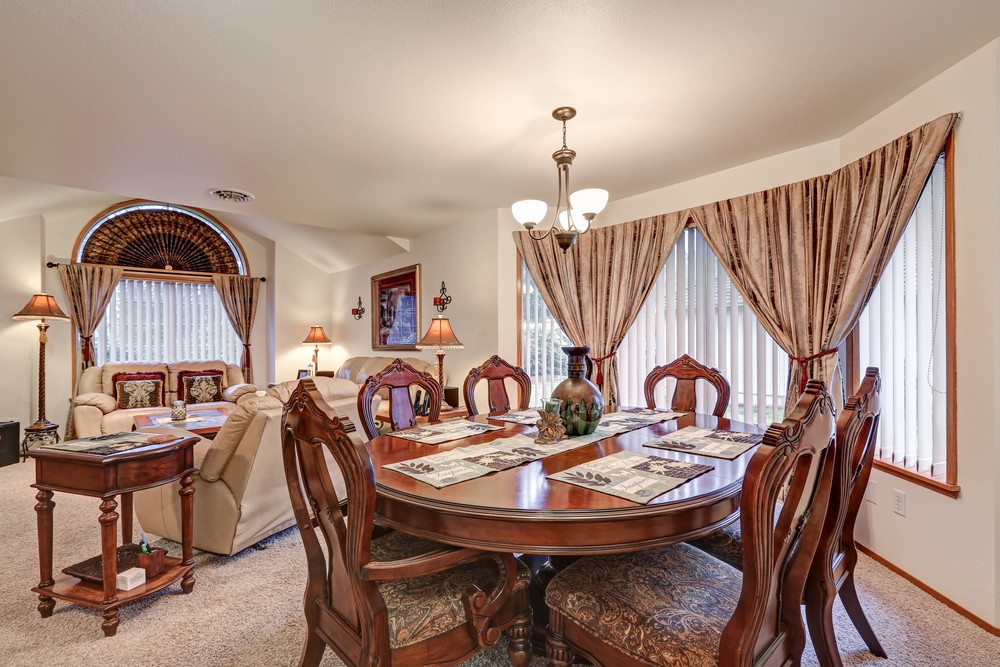
Formal dining rooms once symbolized refinement and entertaining culture. Builders carved out separate spaces with chandeliers and heavy trim to signal status. Now, many buyers see them as wasted square footage.
Remote work, flexible living, and open layouts have reshaped priorities. Buyers often prefer multipurpose rooms that can function as offices or playrooms. A rigid, single-use dining space rarely moves the needle anymore.
3. Whirlpool Tubs
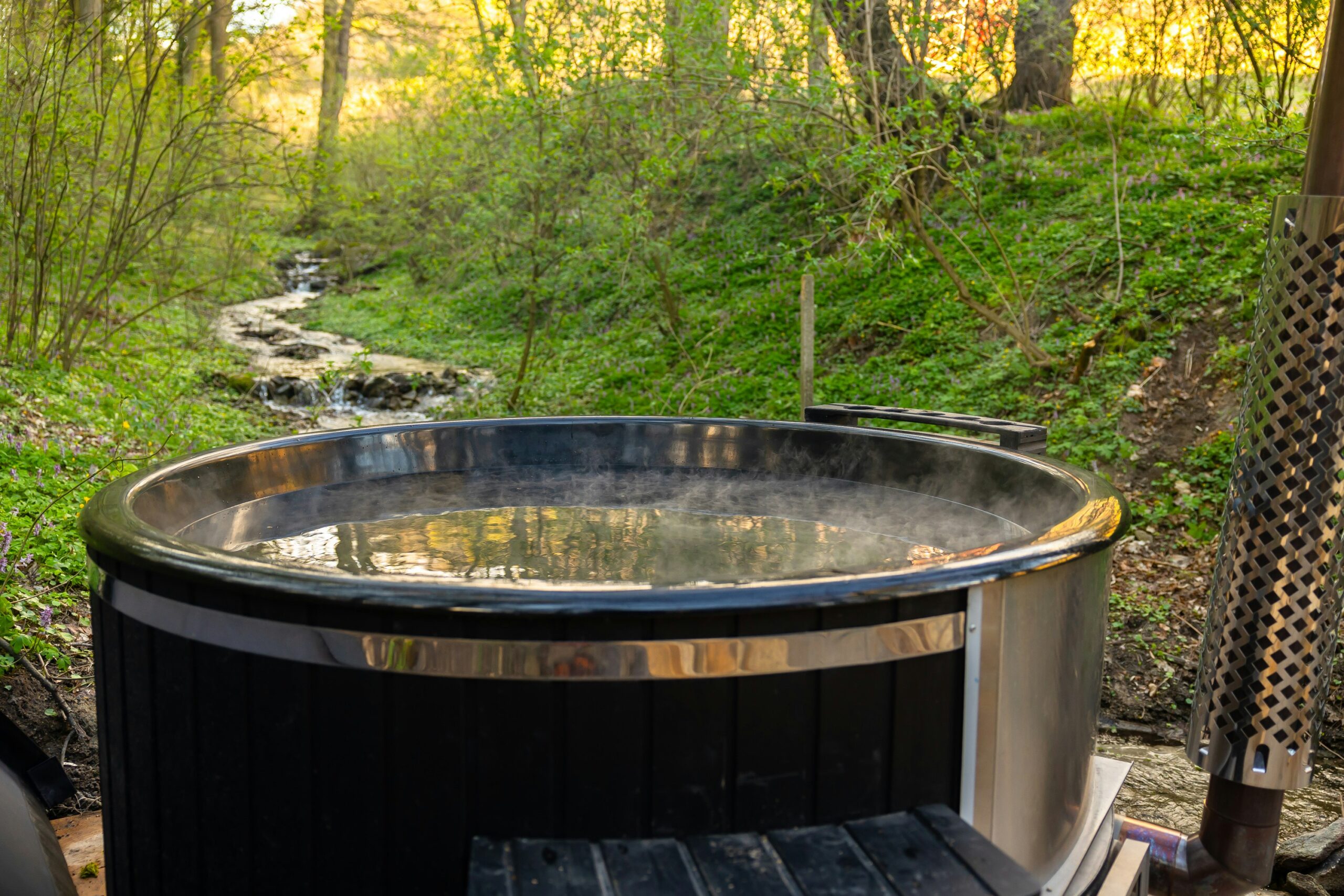
Large jetted tubs were once marketed as spa-level luxury. The idea of soaking in bubbles under dim lighting sold countless primary bathrooms. Today, many buyers view them as oversized water collectors.
Maintenance concerns and low actual usage have changed perceptions. Walk-in showers with clean lines and practical design now feel more appealing. The giant tub often feels like a relic rather than a reward.
4. Vaulted Ceilings Everywhere
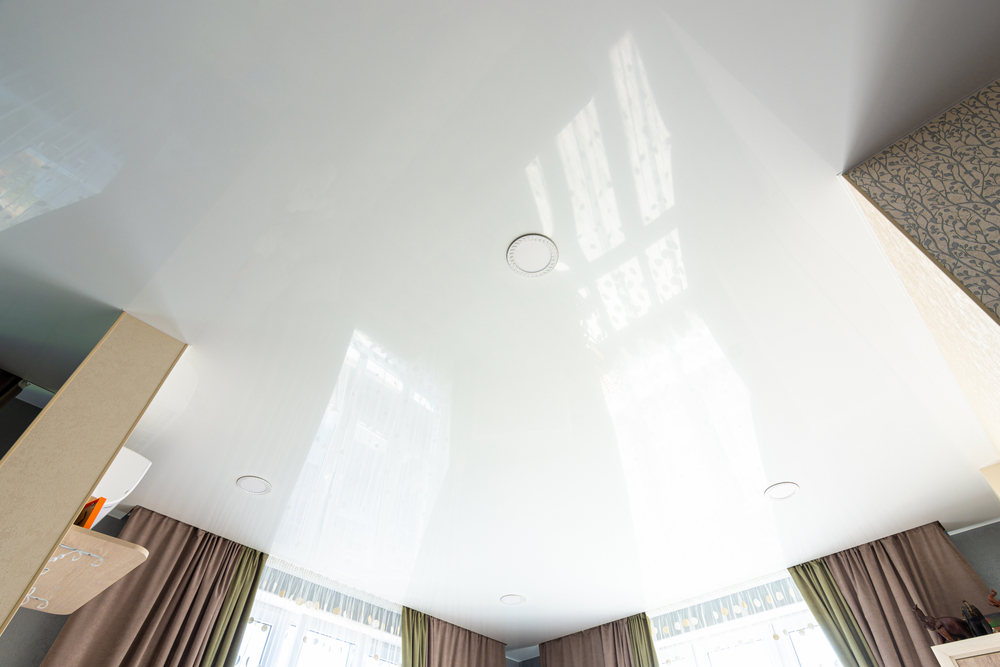
Vaulted ceilings used to create instant drama. Higher ceilings meant grandeur and perceived value. Buyers once equated vertical space with prestige.
Now, practicality competes with aesthetics. Heating and cooling costs, awkward lighting placement, and echo-prone acoustics temper the appeal. Height alone no longer impresses without thoughtful design.
5. Media Rooms with Built-In Projectors
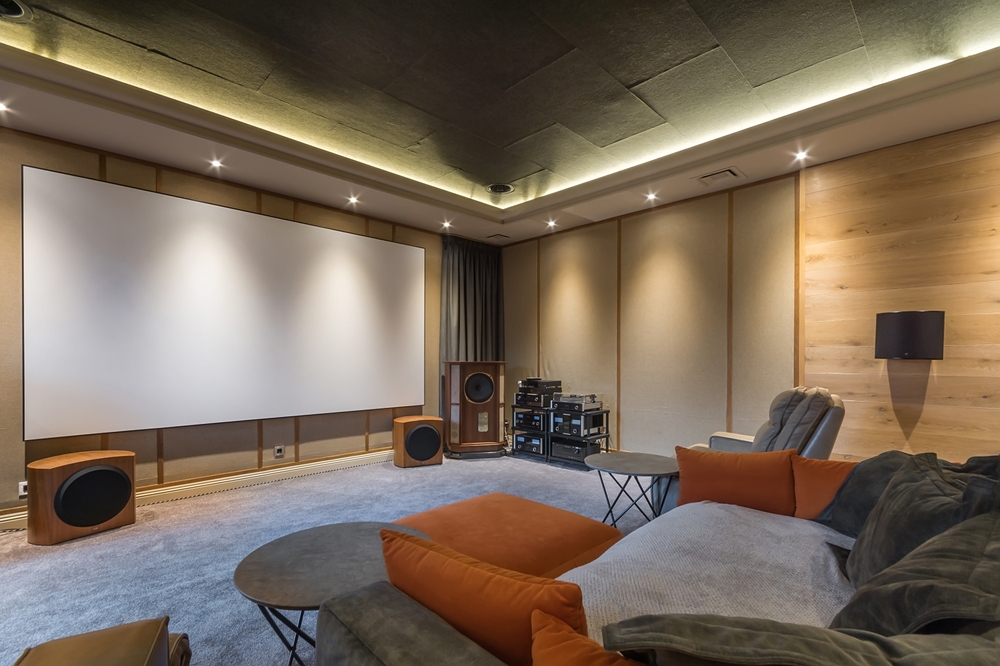
Dedicated theater rooms were once the ultimate entertainment flex. Tiered seating and built-in projectors suggested a cinematic lifestyle. For a while, they felt futuristic.
Streaming devices and portable technology changed that equation. Buyers often prefer flexible family rooms over fixed theater setups. Specialized spaces that serve one narrow function have lost their shine.
6. Overly Ornate Trim and Molding
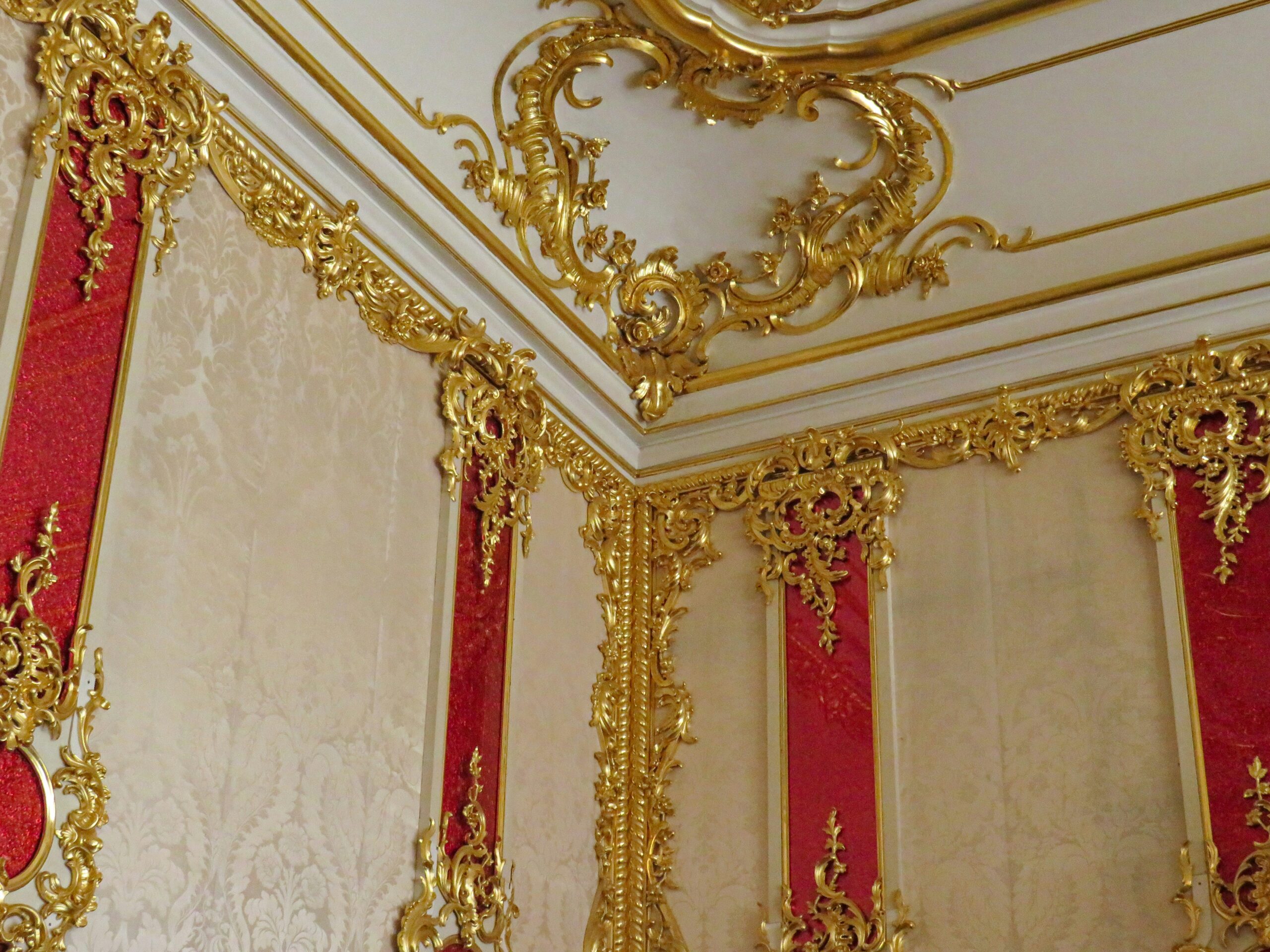
Heavy crown molding and intricate trim once screamed custom craftsmanship. Elaborate details signaled expense and formality. Builders leaned into maximalism to suggest luxury.
Today’s buyers often lean toward cleaner lines. Overly ornate finishes can feel dated or difficult to modernize. Simplicity now reads as sophistication more than excess detail.
7. Built-In Office Desks
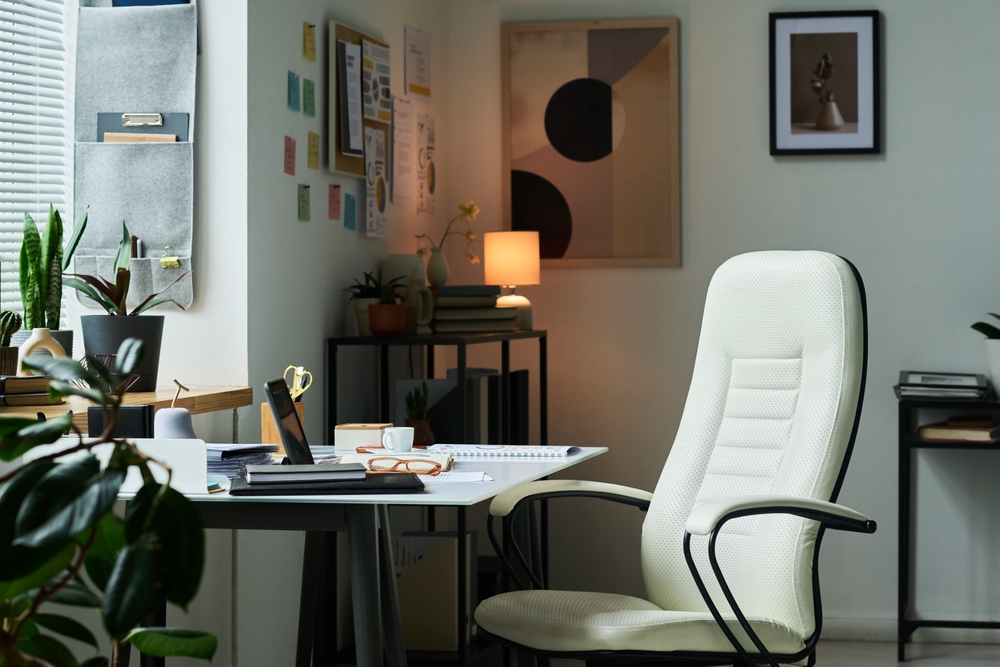
In the early 2000s, a built-in desk nook felt forward-thinking. It suggested organization and productivity in a pre-laptop era. Buyers appreciated a designated workspace.
Modern buyers often want full rooms or fully flexible areas. Fixed built-ins limit layout options and adaptability. What was once practical now feels restrictive.
8. Carpeted Living Areas
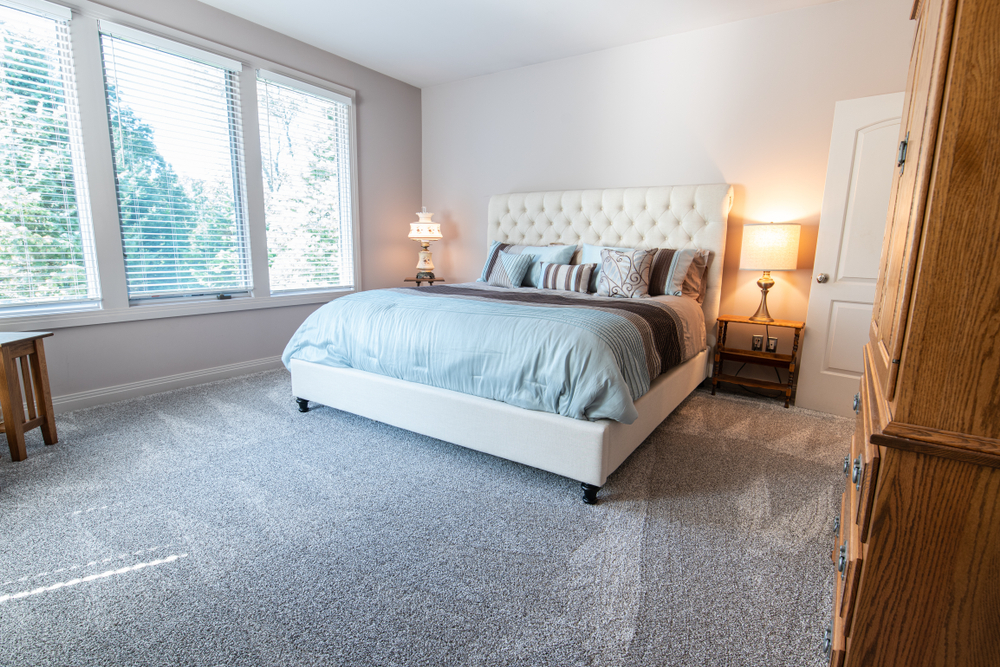
Wall-to-wall carpet used to be cozy and inviting. It softened rooms and added warmth visually and physically. Buyers once equated plush carpet with comfort.
Now, many prefer hard surfaces for durability and cleanliness. Maintenance, allergens, and wear patterns reduce carpet’s appeal. Hardwood or high-quality alternatives feel more timeless.
9. Stainless Steel as a Selling Point
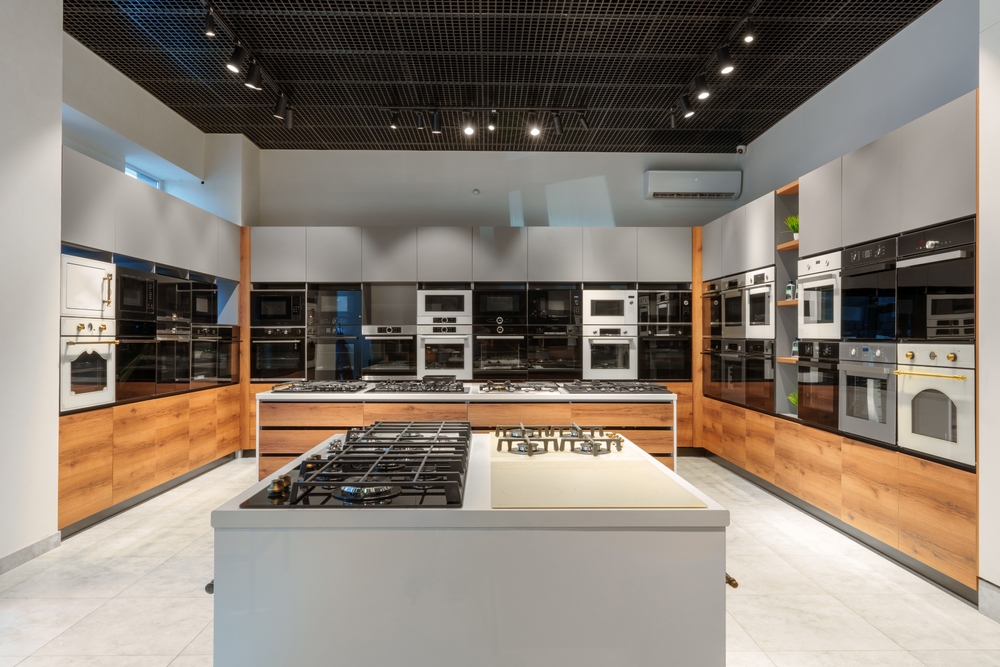
Stainless steel appliances were once the mark of an upgraded kitchen. Listings highlighted them as a premium feature. Buyers associated the finish with modern sophistication.
Today, stainless is expected in many price tiers. It no longer differentiates a home in competitive markets. Appliance condition and layout matter more than surface finish alone.
10. Oversized Primary Bedrooms
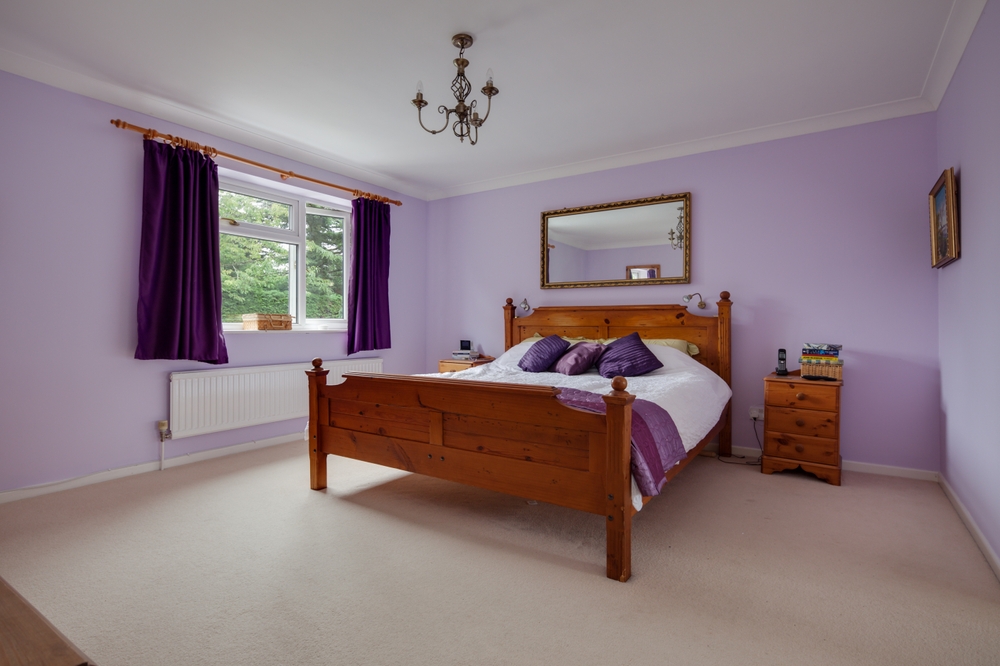
Expansive primary suites once felt indulgent. Extra sitting areas and excess square footage suggested luxury living. Bigger meant better in marketing language.
Now, buyers often prioritize efficient use of space. An oversized bedroom that shrinks other rooms feels imbalanced. Proportion and function are overtaking sheer size.
11. Elaborate Landscaping That Requires High Maintenance
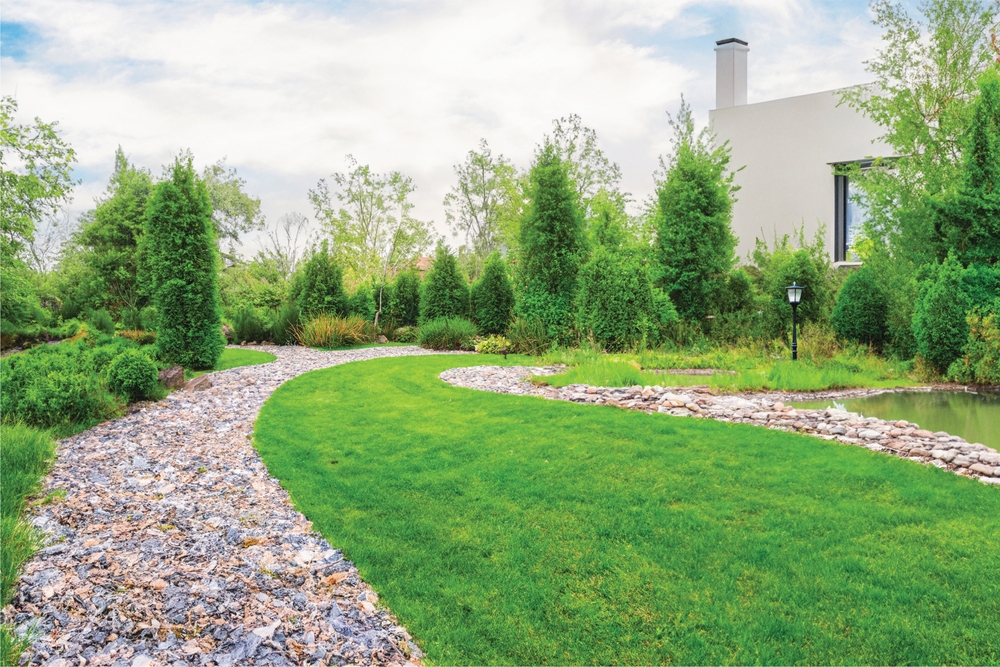
Intricate landscaping once signaled pride of ownership. Manicured hedges and complex plantings looked impressive from the curb. Buyers admired the effort and cost behind them.
Today, maintenance anxiety often overshadows visual appeal. Many buyers prefer simpler, sustainable yards. Low upkeep now feels more valuable than ornamental complexity.
12. Smart Home Gadgets That Are Already Outdated
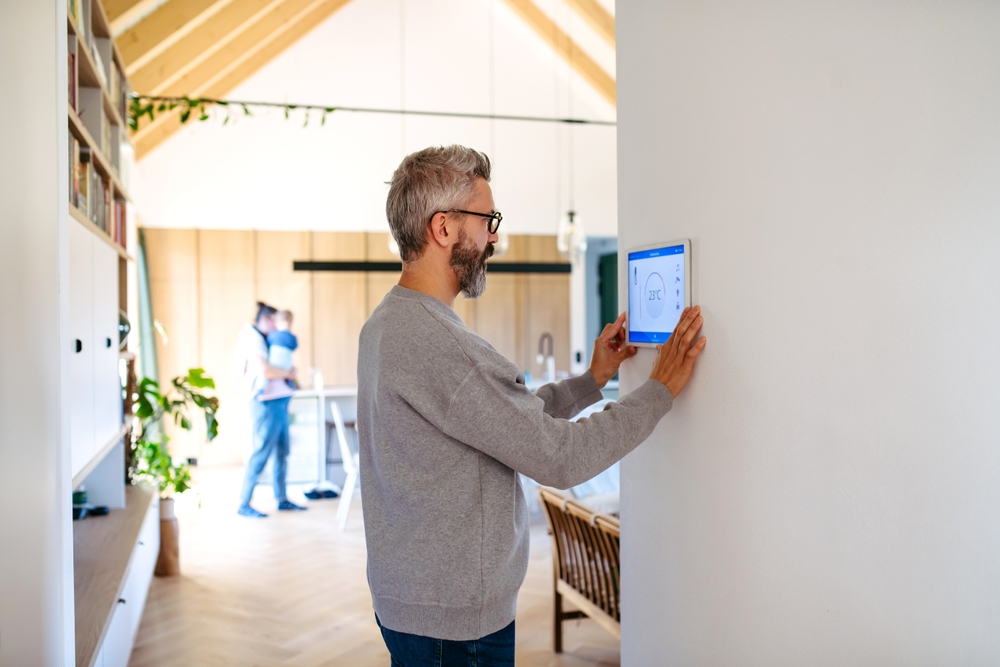
Early smart home installations once felt cutting-edge. Sellers showcased integrated sound systems and niche tech features. Innovation itself carried appeal.
Technology evolves quickly, and outdated systems can feel like liabilities. Buyers worry about compatibility, privacy, and replacement costs. The wow factor fades fast when hardware ages out of relevance.
This article is for informational purposes only and should not be construed as financial advice. Consult a financial professional before making investment or other financial decisions. The author and publisher make no warranties of any kind.