
A home can communicate far more than square footage or design taste. Certain features quietly suggest long-term planning, stability, and the kind of foresight that spans decades rather than market cycles. Generational security is rarely loud or flashy; it is embedded in choices that prioritize durability, flexibility, and resilience. These 14 home features often signal that a family is thinking well beyond the present moment.
1. A Fully Paid-Off Property

Owning a home free and clear removes one of the largest monthly expenses from the family budget. Without a mortgage, cash flow becomes more flexible and less vulnerable to economic downturns. This stability allows families to invest, save, or weather crises without panic.
A paid-off home often reflects decades of disciplined financial decisions. It signals that the family prioritized long-term security over constant upgrades. That foundation can support future generations in meaningful ways.
2. A Dedicated Emergency Fund Room or Safe
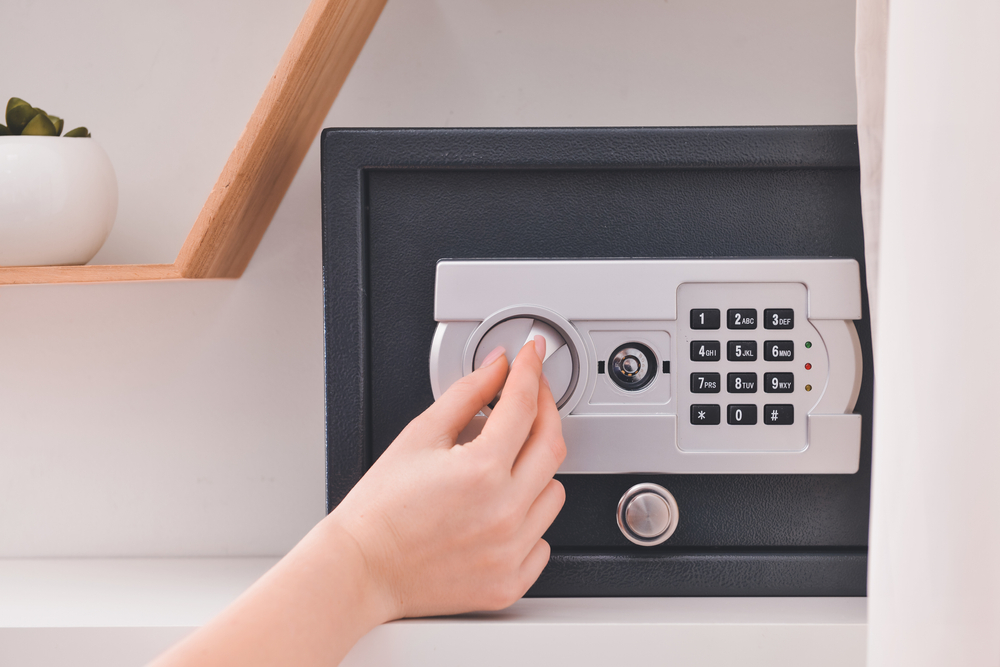
Some homes include a secure safe, locked cabinet, or even a small reinforced room for important documents and valuables. This is less about paranoia and more about preparation. Families who safeguard deeds, trusts, and financial records tend to think ahead.
Organization around documentation reduces chaos during emergencies. It also simplifies estate planning and inheritance processes. Security systems for assets reflect broader financial awareness.
3. A Separate Rental Unit or ADU
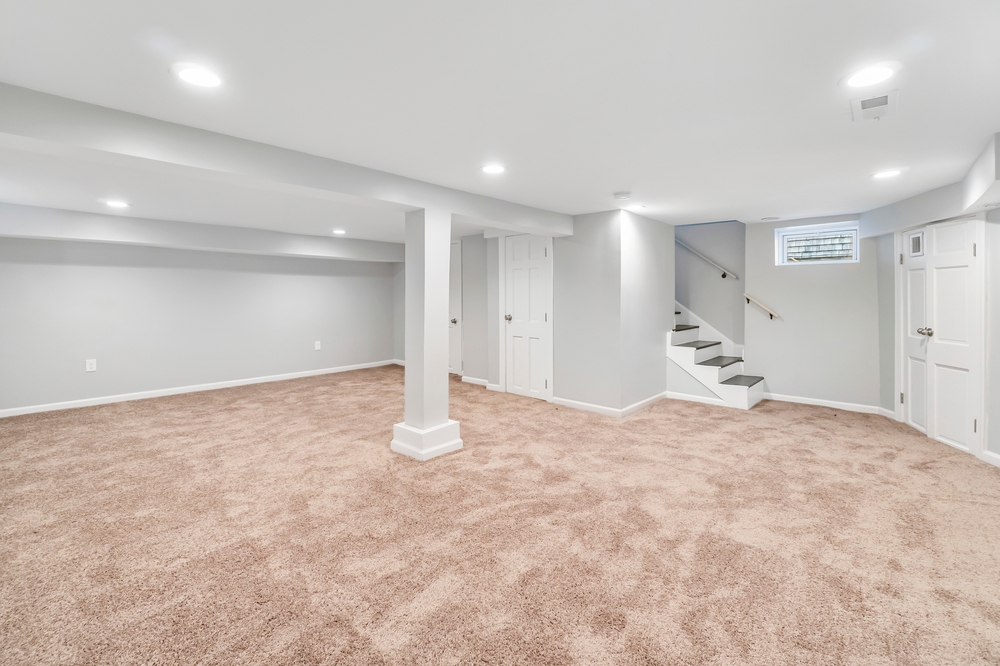
An accessory dwelling unit or small rental space adds flexibility. It can generate income, house aging parents, or provide space for adult children during transitions. This adaptability strengthens long-term resilience.
Families with ADUs often think strategically about housing as both shelter and asset. Rental income can offset property taxes or maintenance costs. Multi-use space creates options across generations.
4. Solar Panels or Energy Independence Systems
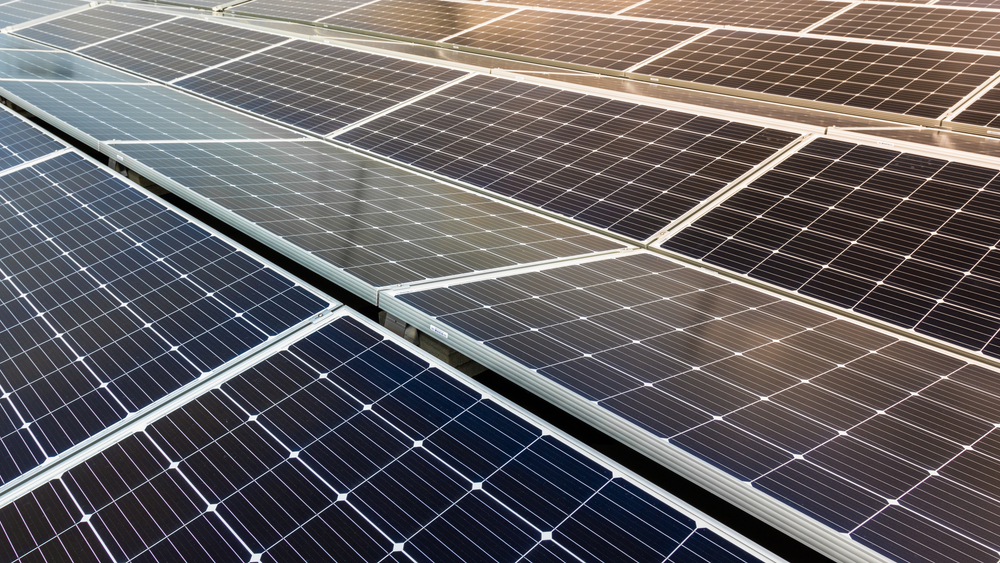
Homes equipped with solar panels, battery backups, or energy-efficient systems signal long-term thinking. Reducing utility costs over decades creates predictable savings. It also protects against energy price volatility.
Energy independence increases resilience during outages or disasters. The upfront investment reflects patience and planning. Over time, these systems compound financial and environmental returns.
5. Durable, High-Quality Building Materials
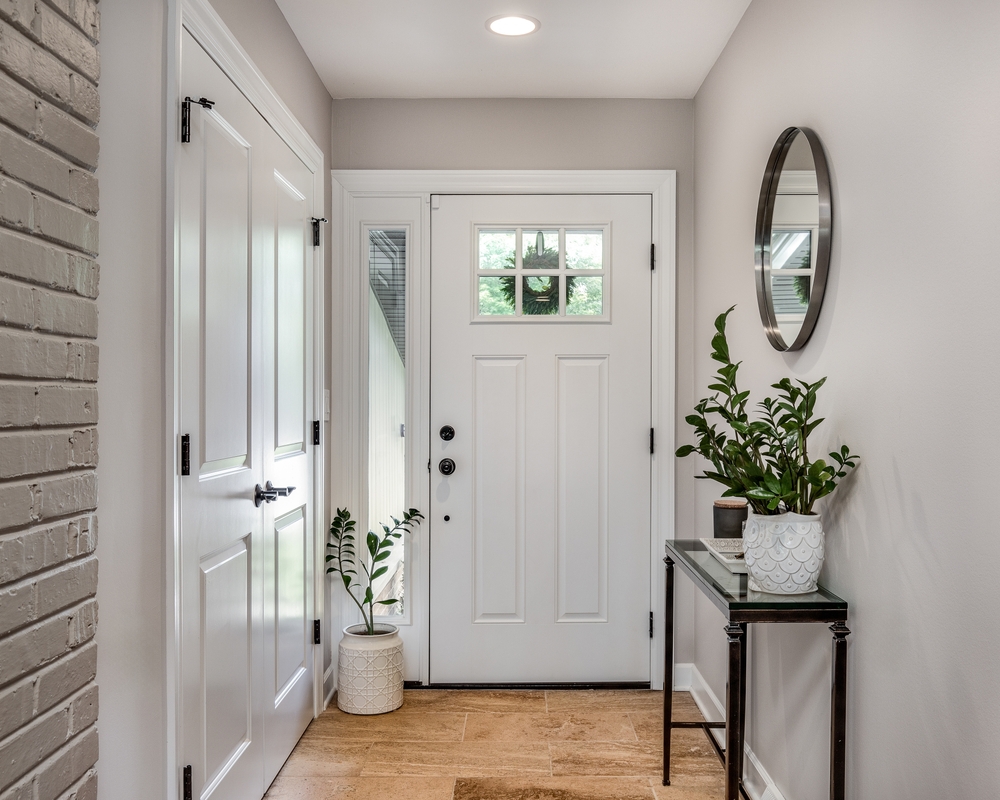
Solid wood floors, stone countertops, and well-built cabinetry outlast trend-driven materials. These features are chosen for longevity rather than immediate aesthetic appeal. They require less frequent replacement.
Durable construction lowers lifetime maintenance costs. It also preserves property value across generations. Choosing quality over trend is often a hallmark of long-term security.
6. Ample Storage and Organized Systems

Built-in shelving, labeled storage areas, and organized utility spaces suggest intentional management. Clutter control reflects structured habits beyond aesthetics. It shows systems are in place.
Organized homes reduce stress during transitions. They make downsizing, moving, or estate handling smoother. Systems thinking often mirrors financial discipline.
7. A Home Office That Is Fully Equipped

A dedicated office space with reliable connectivity signals adaptability. Remote work options provide income stability during economic shifts. The ability to pivot professionally strengthens security.
Families with flexible workspaces can adjust to changing job markets. This reduces reliance on a single income source or location. Stability often grows from adaptability.
8. A Well-Maintained Roof and HVAC System
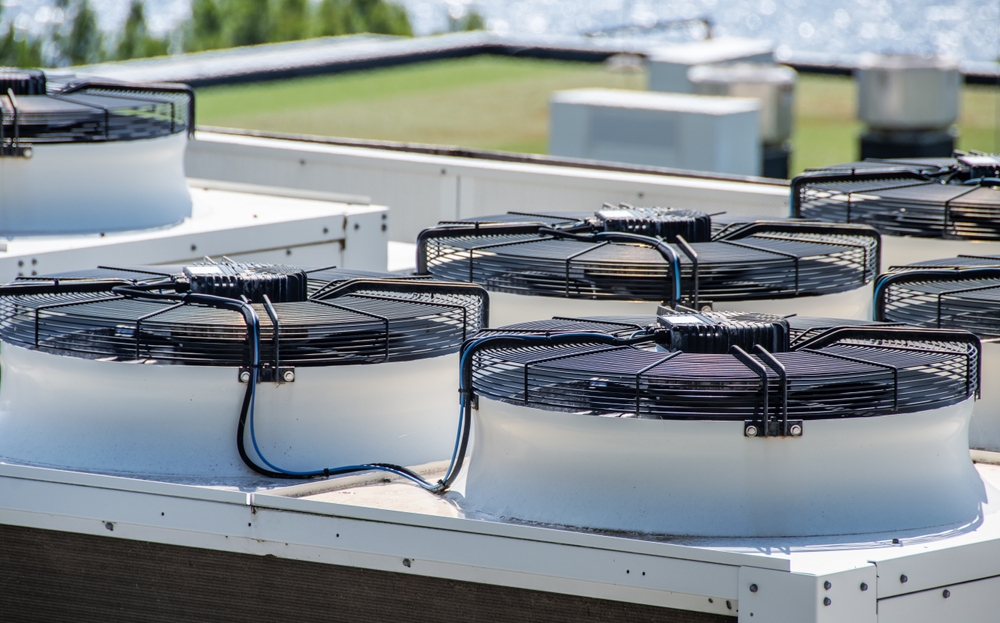
Proactive maintenance on major systems prevents sudden financial shocks. A newer roof or updated HVAC indicates regular reinvestment into the property. These upgrades protect long-term value.
Deferred maintenance often creates cascading expenses. Staying ahead of major repairs shows foresight. Quiet reliability is a strong signal of planning.
9. A Trust or Estate Plan Integrated Into Ownership

Homes titled within trusts or structured for smooth transfer reflect generational planning. Estate documents that coordinate with property ownership reduce probate complications. This protects heirs from delays and legal costs.
Families who align property ownership with estate strategy tend to minimize conflict. Legal clarity preserves value. Planning beyond one lifetime is central to generational security.
10. Landscaping That Requires Minimal Ongoing Cost
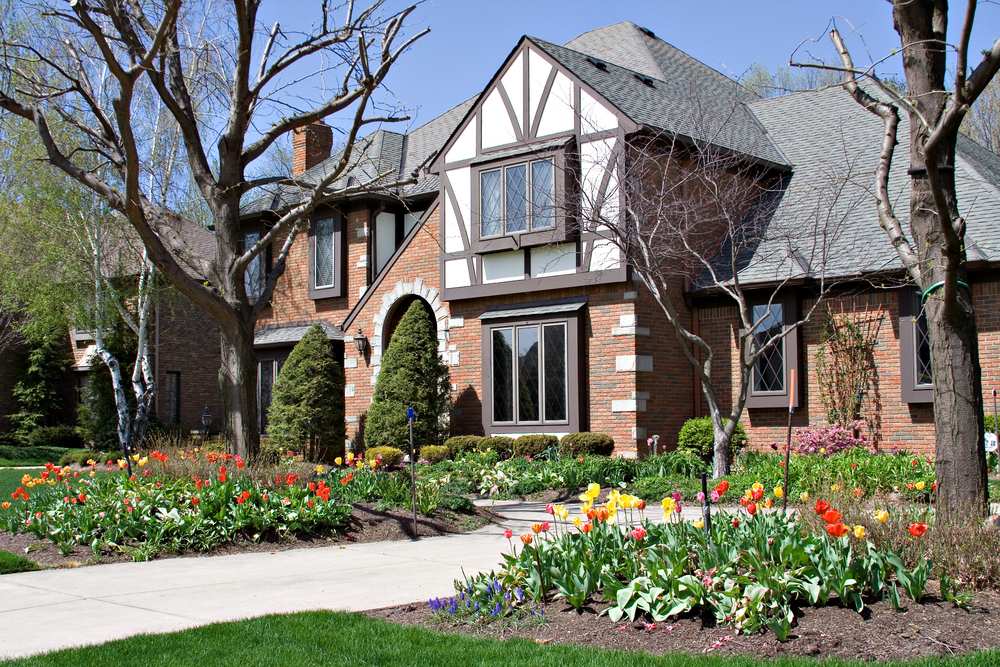
Low-maintenance landscaping reduces long-term expense and labor. Drought-resistant plants or native designs reflect practical sustainability. These choices limit unpredictable upkeep costs.
Over decades, reduced maintenance compounds savings. Thoughtful landscaping also preserves curb appeal. Simplicity often supports stability.
11. Multi-Generational Living Layouts

Homes designed with in-law suites or flexible bedroom arrangements allow family members to move in when needed. This reduces reliance on expensive assisted living or short-term rentals. It keeps wealth within the household.
Shared housing across generations lowers per-person expenses. It also strengthens family bonds. Structural flexibility reflects cultural and financial foresight.
12. A Modest But Prime Location

Generational security often favors location over size. Proximity to quality schools, healthcare, and stable employment markets supports long-term property value. Modest homes in strong areas often outperform oversized homes in unstable markets.
Location stability protects equity. It also provides better resale options. Smart positioning matters more than luxury finishes.
13. Updated Plumbing and Electrical Systems

Modernized infrastructure prevents catastrophic failures. Updated wiring and plumbing reduce fire risk and water damage. These upgrades protect both safety and financial investment.
Infrastructure improvements are rarely visible but highly valuable. They signal attention to foundational stability. Quiet upgrades often matter more than visible renovations.
14. A History of Consistent Property Tax and Insurance Coverage

Homes with uninterrupted tax payments and adequate insurance coverage reflect financial discipline. Lapsed coverage or unpaid taxes often signal vulnerability. Consistency here suggests long-term reliability.
Insurance protects assets from unexpected loss. Paying obligations on time preserves ownership security. Stability is often demonstrated through steady, predictable habits rather than dramatic displays.
This article is for informational purposes only and should not be construed as financial advice. Consult a financial professional before making investment or other financial decisions. The author and publisher make no warranties of any kind.