


The 2026 housing market is not crashing, and it is not booming either. It is doing something more complicated. It is splitting in two, with buyers and sellers operating on entirely different assumptions about value, timing, and leverage. That disconnect is creating stalled listings, frustrated negotiations, and price behavior that looks inconsistent until you realize both sides are playing different games.
1. Sellers Are Anchored to 2021 Prices

Many sellers are still mentally anchored to peak pandemic valuations. They remember bidding wars, waived inspections, and homes selling $50,000 over asking. That emotional reference point is hard to shake.
Buyers, however, are looking at current mortgage rates and recalculating affordability in real time. A price that worked at three percent interest does not work at seven percent. The gap between nostalgia and math is freezing deals before they start.
2. Buyers Are Shopping by Monthly Payment, Not Price

In previous years, buyers focused on purchase price appreciation. In 2026, they are laser-focused on monthly payment. Insurance, taxes, and interest rates now dominate the conversation.
Sellers still advertise list price as the headline number. Buyers are quietly running payment calculators instead. If the payment feels wrong, they walk, regardless of how “fair” the price looks on paper.
3. Move-Up Sellers Are Stuck in Golden Handcuffs

Millions of homeowners refinanced into ultra-low mortgage rates between 2020 and 2022. Selling means giving up a three percent loan for one more than double that rate. That financial penalty is real and painful.
As a result, many would-be sellers are only listing if they can get top dollar. Buyers sense that hesitation and push back. The result is low inventory paired with unrealistic pricing expectations.
4. First-Time Buyers Face a Different Market Than Repeat Buyers

Entry-level buyers are battling affordability ceilings. Even modest homes now require higher incomes and larger down payments than in prior decades. For them, the market feels punishing and exclusionary.
Repeat buyers with equity see opportunity instead. They can roll appreciation from previous homes into new purchases. That creates two emotional realities inside the same housing market.
5. Investors Have Pulled Back Quietly

During the peak years, investors aggressively bought single-family homes. Rising rates and tighter margins have cooled that activity. Institutional buyers are more selective now.
Sellers who expect investor bidding wars are discovering a thinner buyer pool. Owner-occupants are cautious and price-sensitive. Without investor competition, pricing power shifts.
6. Regional Markets Are Telling Completely Different Stories

Some Sun Belt markets that exploded during migration waves are cooling sharply. Meanwhile, certain Midwest and Northeast areas remain steady or even competitive. National headlines mask local divergence.
Sellers relying on national optimism may miss local slowdowns. Buyers studying neighborhood-level data are negotiating accordingly. Geography matters more than ever.
7. Luxury and Starter Homes Are Moving at Different Speeds

High-end properties often linger longer unless priced precisely. Wealthier buyers can afford to wait and negotiate aggressively. Emotional purchases have slowed.
Starter homes, when priced realistically, can still move quickly. Demand remains strong at accessible price points. The split between top-tier and entry-level inventory widens each month.
8. Concessions Are Back, but Pride Is in the Way
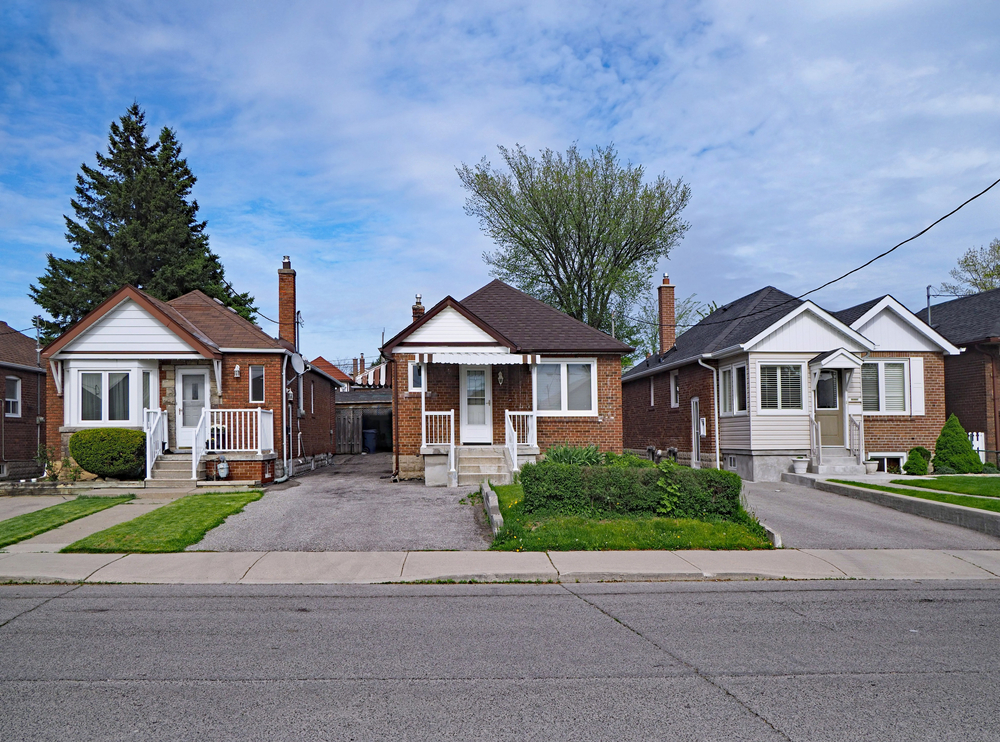
Buyers are asking for closing cost credits, rate buy-downs, and repair allowances again. These requests were rare during bidding wars. Now they are standard in many areas.
Some sellers resist, viewing concessions as losses. Buyers see them as basic adjustments for higher borrowing costs. Ego is quietly stalling transactions.
9. Appraisals Are Exposing the Gap

Appraisals are increasingly coming in below contract prices in overheated areas. Lenders rely on comparable sales, not optimism. That creates friction mid-deal.
Buyers are unwilling to bridge appraisal gaps with extra cash. Sellers feel blindsided when valuations do not match expectations. Reality enters through the appraisal report.
10. New Construction Is Competing With Resale Homes

Builders are offering rate buy-downs and incentives to move inventory. That changes the competitive landscape for resale sellers. Buyers compare not just homes, but financing perks.
A resale home without incentives must justify its price through location or upgrades. Sellers ignoring builder competition risk overpricing. Buyers are using those incentives as leverage.
11. Insurance Costs Are Reshaping Demand

In coastal and wildfire-prone areas, insurance premiums have surged. Some buyers discover that coverage doubles their projected monthly cost. That recalibration affects offers instantly.
Sellers often underestimate how much insurance influences affordability. Buyers cannot ignore it because lenders will not. This quiet cost shift is altering which neighborhoods remain desirable.
12. Buyers Want Inspections Again

During the frenzy years, inspections were waived to win bids. In 2026, buyers are restoring contingencies. They want clarity before committing long-term.
Sellers who expect unconditional offers are surprised by detailed repair requests. The balance of risk has shifted back toward due diligence. That changes tone and timeline.
13. Psychological Fatigue Is Affecting Both Sides

Buyers are tired of stretching budgets. Sellers are tired of waiting for offers that match peak valuations. Emotional exhaustion shapes negotiations more than spreadsheets do.
When fatigue sets in, deals collapse over minor issues. Patience is thinner than it was in past cycles. The mood of the market feels cautious, not euphoric.
14. Both Sides Expect the Other to Blink First

Sellers believe inventory scarcity will force buyers to accept higher prices. Buyers believe time and rising costs will push sellers to reduce expectations. Each side assumes leverage.
That standoff creates quiet stagnation. Homes sit longer, buyers hesitate, and transaction volume declines. The market is not broken, but it is divided, and until expectations realign, it will remain that way.
This article is for informational purposes only and should not be construed as financial advice. Consult a financial professional before making investment or other financial decisions. The author and publisher make no warranties of any kind.