


Retirement relocation decisions often get made based on reputation, climate appeal, and the recommendations of friends who moved years earlier when conditions were different. Markets that genuinely offered value a decade ago have since been discovered, developed, and priced beyond what retirement income can comfortably support. These twelve markets are consistently attracting retirees while delivering housing costs, tax burdens, and cost-of-living realities that don’t align with fixed incomes—making them places where retirees are regularly paying more than their financial situations warrant.
1. Sarasota, Florida
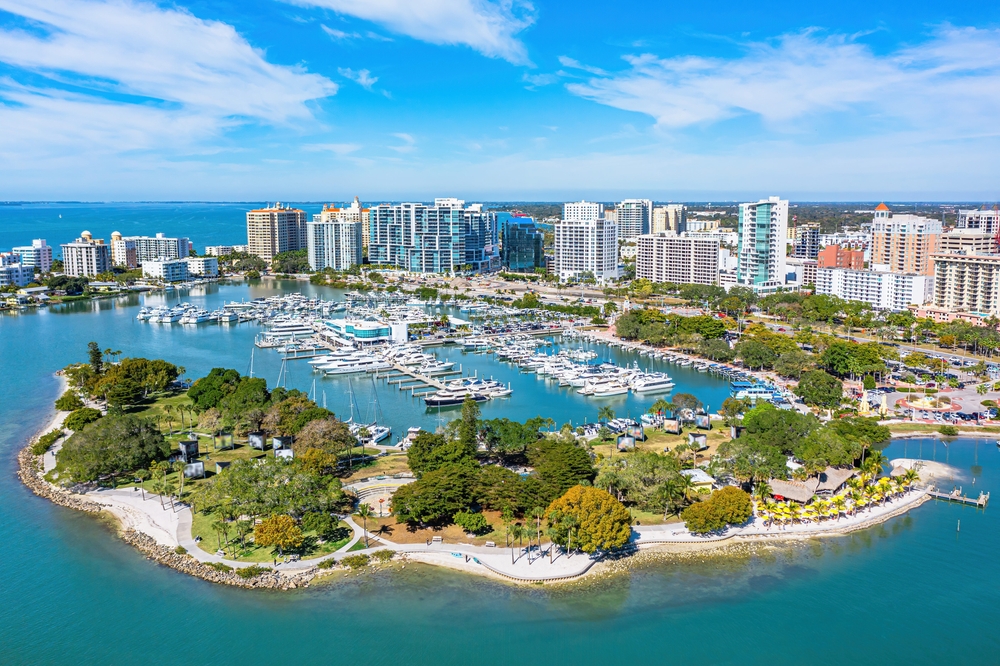
Sarasota built its retirement reputation on beautiful Gulf Coast beaches, arts amenities, and a relatively affordable price point that made it accessible to middle-income retirees. That price point has essentially disappeared. Median home prices have exceeded $500,000, property insurance costs have reached crisis levels following recent hurricane seasons, and property taxes have increased alongside the inflated valuations.
The insurance situation specifically has blindsided retirees who relocated based on pre-2020 cost projections. Annual homeowner’s insurance premiums of $8,000-$15,000 have become common for modest properties, a cost that can consume a significant portion of Social Security income before any other expense is paid. Retirees who bought five years ago at lower prices still face escalating insurance and tax bills that are quietly eroding the financial stability they moved here to achieve.
2. Naples, Florida
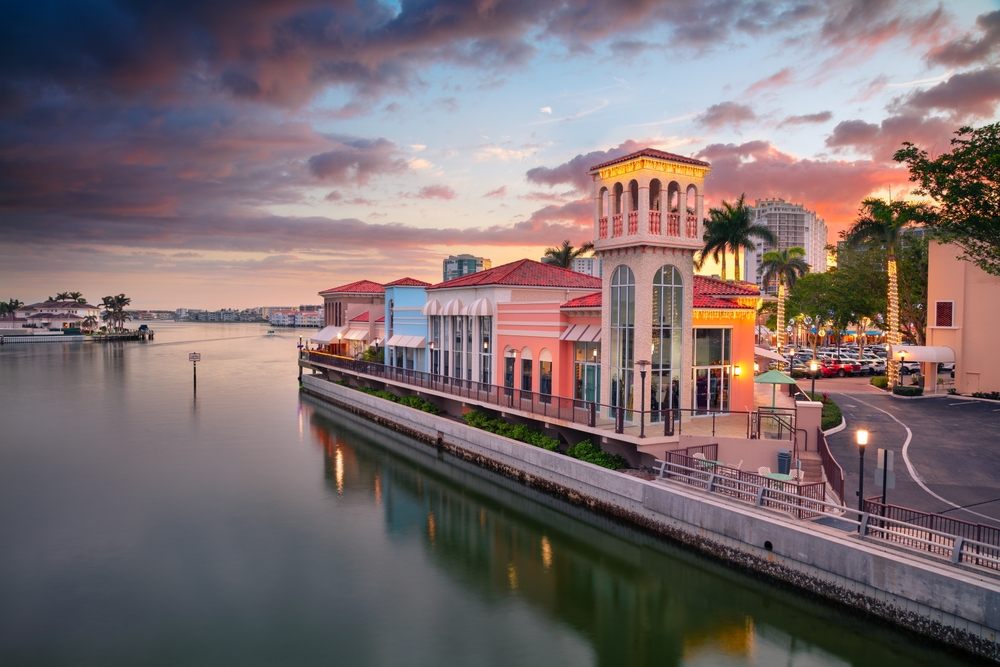
Naples markets itself as an affluent retirement paradise and delivers on that promise—for people with substantially more wealth than most retirees have. The median home price approaches $700,000, and the lifestyle the city advertises requires country club memberships, upscale dining habits, and social participation that runs several thousand dollars monthly above basic living costs. Retirees who stretched to afford the housing often find the surrounding lifestyle financially inaccessible.
The social dynamic in Naples creates a specific kind of financial pressure that retirement relocation guides rarely address. Living in a community where neighbors routinely spend at levels far above your own budget produces a chronic financial discomfort that undermines the quality of life the move was supposed to provide. Fixed-income retirees in Naples describe the experience of being house-rich and cash-poor in an environment that makes cash-poor status particularly visible.
3. Scottsdale, Arizona

Scottsdale attracted retirees through its warm winters, golf culture, and luxury amenities, drawing a demographic that could afford its premium pricing. Median home prices now exceed $700,000, and the extreme summer heat—increasingly dangerous as climate change intensifies—has elevated cooling costs to $400-$700 monthly for four to five months annually. The medical infrastructure is excellent, but specialist costs in a premium market are among the highest in the Southwest.
The cooling cost issue specifically catches retirees off guard in ways that dramatically alter budget projections. A retiree who calculated housing, food, and transportation costs accurately may have underestimated annual utility costs by $2,000-$3,000. For someone on a fixed Social Security income, that gap compounds with property taxes and HOA fees—which run $500-$1,500 monthly in many Scottsdale communities—into a situation where the math simply doesn’t work.
4. Asheville, North Carolina
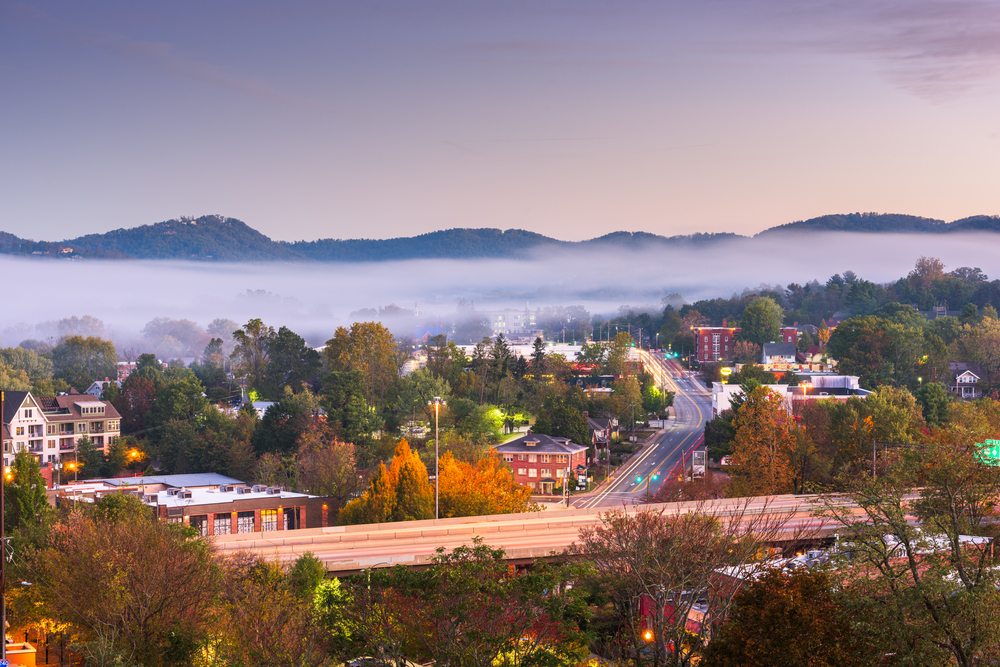
Asheville became one of the most recommended retirement destinations in America based on its arts scene, mild four-season climate, progressive community, and historically affordable mountain living. The recommendation cycle that made it famous also made it expensive. Median home prices have tripled in a decade, now exceeding $450,000 in a market where retirement incomes haven’t kept pace with the appreciation that existing homeowners enjoyed.
The infrastructure challenges compound the cost problem in ways that matter specifically to retirees. Medical facilities for serious conditions require traveling to Charlotte or Raleigh, adding transportation costs and logistical burdens to health management. The combination of high housing costs, limited specialized healthcare, and a cost-of-living that has accelerated well beyond inflation makes Asheville a market where reputation significantly outpaces current value for retired buyers.
5. Austin, Texas

Texas has long been marketed to retirees as a tax-friendly destination due to the absence of state income tax, but Austin’s property tax rates—among the highest in the country at 1.8-2.2% of assessed value—largely neutralize that advantage for homeowners. A $450,000 home generates $8,000-$9,000 in annual property taxes, an obligation that grows as valuations increase and doesn’t decrease when the owner retires and loses employment income. Median home prices in Austin have stabilized after dramatic increases but remain well above $500,000 in most desirable neighborhoods.
Retirees who moved to Austin specifically for the tax benefits often discover the actual tax picture only after purchase. The no-income-tax advantage that sounds dramatic in marketing materials is modest for retirees whose income is primarily Social Security, which most states don’t heavily tax anyway. The high property tax burden, combined with Austin’s overall cost-of-living increases, makes it a market where the financial case for retirement relocation has substantially weakened.
6. Sedona, Arizona

Sedona’s dramatic landscape and spiritual reputation attract a specific type of retiree seeking beauty and wellness, and the market prices itself accordingly. Median home prices exceed $700,000 for a town with limited amenities, one grocery store, and medical facilities that require driving 45 minutes to Flagstaff or two hours to Phoenix for anything serious. Retirees pay luxury prices for a location whose practical infrastructure doesn’t justify them.
The wellness industry that defines Sedona’s identity adds hidden ongoing costs that retirement budgets rarely anticipate. Spa services, retreats, and the general lifestyle the community promotes run several hundred to several thousand dollars monthly for active participants. Retirees who are drawn by Sedona’s reputation and stretch their budgets to afford entry often find the gap between the lifestyle they envisioned and what they can actually afford creates its own form of financial and psychological stress.
7. Charleston, South Carolina
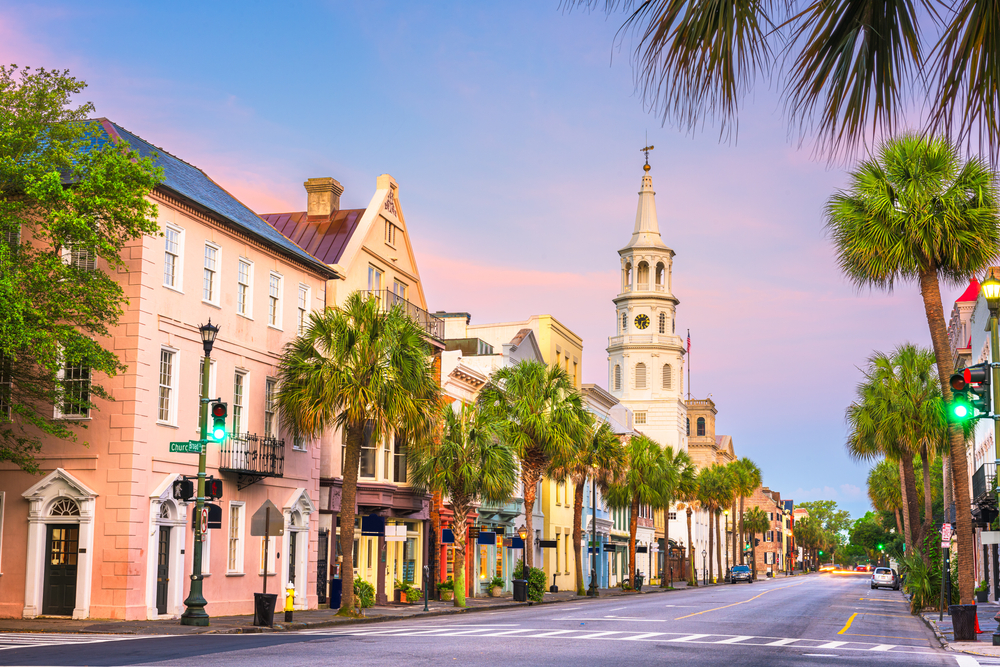
Charleston has consistently ranked among the top retirement destinations based on its historical character, coastal beauty, and Southern hospitality. The prices have followed the rankings upward until median home prices now exceed $500,000. Flood insurance requirements for a substantial portion of the coastal and low-lying properties add $2,000-$8,000 annually in premiums that don’t exist in many other retirement markets.
The flood risk dimension is specifically relevant to retirees because it represents a structural ongoing cost that compounds over a retirement that might span 20-30 years. A retiree paying $5,000 annually in flood insurance over a 25-year retirement spends $125,000 on insurance alone—a number rarely factored into relocation calculations. Climate change is increasing flood frequency in the region, suggesting premiums will rise further rather than stabilize.
8. Portland, Oregon

Oregon’s lack of sales tax attracts retirees who don’t fully account for the state’s relatively high income tax rates, which apply to retirement income, including IRA withdrawals and pension income. A retiree drawing $60,000 annually from retirement accounts faces a meaningful Oregon income tax obligation that erodes the state’s perceived affordability. Median home prices in Portland exceed $500,000, and the region’s property taxes, while moderate, add to an overall tax burden that exceeds initial expectations.
The cost-of-living in Portland has increased substantially across groceries, services, and utilities over the past decade. Retirees who chose Portland based on its reputation as an affordable Pacific Northwest city find current pricing substantially higher than their research projected. The city’s ongoing livability challenges—urban policy tensions, crime perception, and service quality concerns—have created a gap between Portland’s historical reputation and its current reality that retirees are discovering after moving.
9. Bend, Oregon
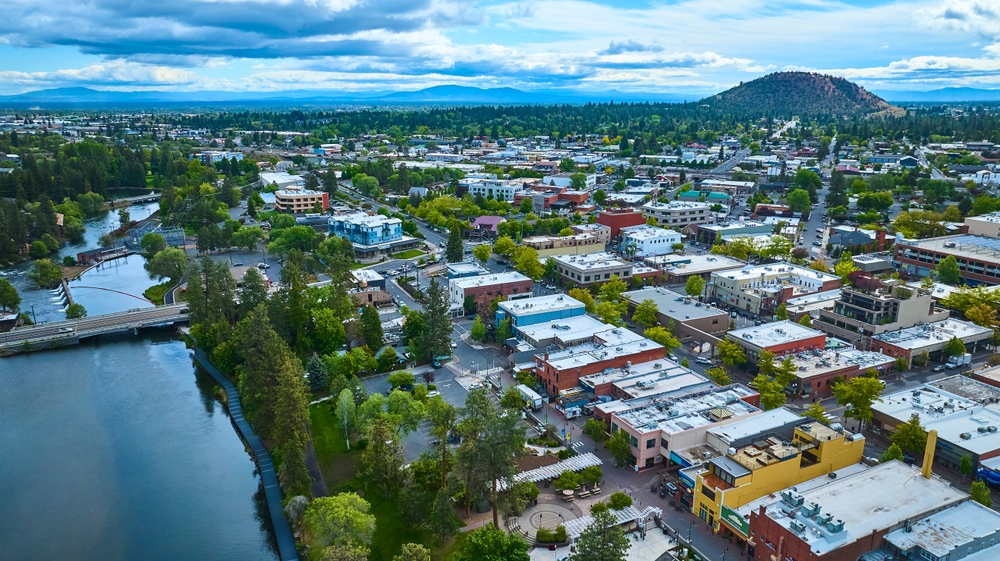
Bend emerged as a premium outdoor lifestyle retirement destination, and that positioning now comes with pricing that reflects its desirability. Median home prices exceed $600,000 in a market where the local economy is geared toward tourism and outdoor recreation rather than the practical infrastructure retirees need. Medical facilities are limited relative to the population size, requiring travel to Portland for specialized care that older adults need with increasing frequency.
Oregon’s income tax applies fully in Bend, creating the same tax burden that affects Portland retirees. The outdoor lifestyle that makes Bend appealing also generates ongoing costs—ski passes, equipment, guided activities, and recreational memberships—that retirement budgets often don’t accommodate realistically. Retirees drawn by the scenery and active culture sometimes find the actual retirement lifestyle involves far less recreation and far more medical travel than the marketing imagery suggests.
10. Henderson, Nevada
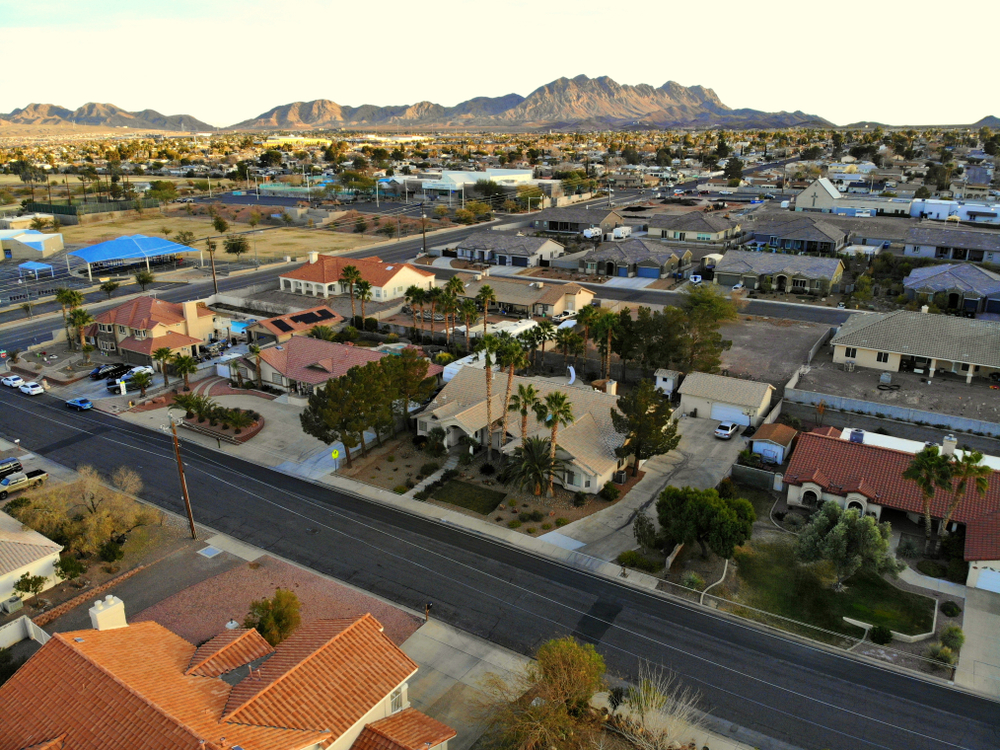
Henderson attracts retirees through Nevada’s favorable tax environment—no state income tax and no tax on Social Security—combined with proximity to Las Vegas amenities. The tax advantages are real, but home prices have risen dramatically to reflect them, with medians now exceeding $450,000. HOA fees in Henderson’s master-planned communities frequently run $300-$700 monthly, a cost that partially offsets the tax savings that made Nevada attractive in the first place.
The extreme summer heat rivals Phoenix in intensity, driving cooling costs to levels that surprise retirees from temperate climates. The car-dependent infrastructure means transportation costs are higher than retirees from walkable cities typically project. Nevada’s healthcare system, while improving, still requires retirees with complex medical needs to travel to specialty centers for certain procedures, adding travel and accommodation costs to medical bills.
11. Hilton Head, South Carolina
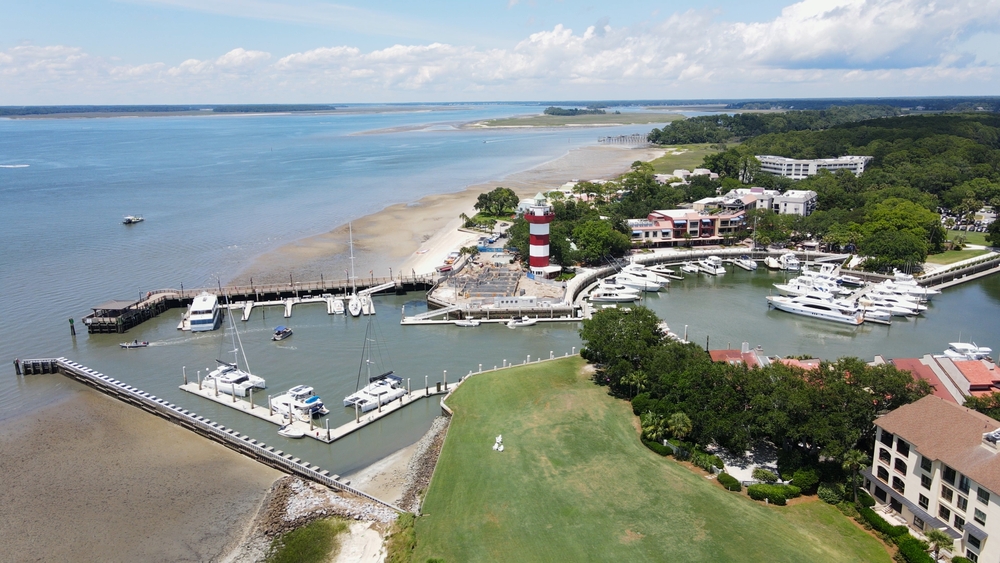
Hilton Head offers resort-quality amenities and a well-established retirement community, but the island’s geography and premium positioning translate into costs that extend well beyond housing. Median home prices exceed $600,000, and the gated communities and resort-style developments that cover much of the island come with HOA fees of $500-$2,000 monthly that fund the amenities, making the island appealing. These fees are contractual obligations that continue regardless of whether residents use the amenities they’re paying for.
The island’s limited commercial infrastructure creates everyday cost premiums that accumulate significantly. Groceries, services, and dining run 15-25% above mainland South Carolina prices because the island’s captive market and limited competition support elevated pricing. Retirees who calculated housing costs accurately often underestimate the premium they’ll pay for ordinary daily expenses simply because of where they chose to live.
12. Palm Springs, California

Palm Springs markets retirement living through its desert modernist aesthetic, warm winters, and cultural calendar, drawing buyers into a California market that carries California’s full tax burden. State income tax on retirement income, among the highest in the country for moderate incomes, significantly reduces the purchasing power of retirement savings. Median home prices exceed $600,000, and HOA fees in the area’s many golf and resort communities can add $500-$1,500 monthly.
The summer heat in Palm Springs is among the most extreme in the continental United States, with temperatures routinely exceeding 115 degrees and making outdoor living impossible for four to five months annually. Cooling costs of $500-$800 monthly during summer compound a cost structure that’s already challenging for fixed incomes. Retirees who envisioned year-round outdoor desert living discover that a significant portion of their retirement involves staying inside during weather that would be dangerous to ignore.
This article is for informational purposes only and should not be construed as financial advice. Consult a financial professional before making investment or other financial decisions. The author and publisher make no warranties of any kind.