


The $7 coffee argument refuses to die because it’s never really about coffee. It’s about how modern spending hides long-term tradeoffs behind convenience, routine, and small pleasures that feel deserved. Over five years, habits that feel financially invisible can quietly reroute tens of thousands of dollars. Not dramatically—just consistently enough to change what’s possible.
1. It Turns “Small Treats” Into A Permanent Line Item

A $7 coffee feels like a reward. Because it’s framed as self-care, it rarely gets questioned or adjusted. What starts as occasional becomes automatic. Automatic spending is the most expensive kind.
Over five years, that daily habit stops being a treat and becomes infrastructure. It claims space in your budget before anything else does. You don’t decide to prioritize it—it just already is. That’s how long-term goals get squeezed without a fight.
2. It Normalizes Spending You’d Never Approve All At Once

No one would agree to hand over $2,500 upfront for coffee. But $7 at a time slips past your internal alarm system. Fragmented spending avoids scrutiny. Pain delayed is pain ignored.
This is how habits survive. You never feel the full cost in one moment, so you never react. Over the years, the total becomes shocking only in hindsight. By then, the money is gone and the opportunity with it.
3. It Replaces Planning With Convenience

Daily coffee trains your brain to solve time pressure with money. Instead of adjusting mornings, prepping ahead, or changing routines, you pay to make the problem disappear. Convenience becomes the solution instead of design. That mindset doesn’t stay isolated.
Once convenience spending feels justified, it spreads. Food delivery, last-minute rides, and impulse purchases follow the same logic. Each decision feels small, but together they crowd out savings. The down payment doesn’t vanish—it gets outcompeted.
4. It Shows How Bad Humans Are At Valuing The Future

Behavioral economists have consistently found that people heavily discount future rewards compared to immediate ones. Research from Harvard and Princeton has shown that short-term gratification routinely overrides long-term financial planning, even when people understand the math. The coffee feels real now. The down payment feels abstract later.
Your brain is wired to prioritize the present version of you. That wiring doesn’t care about five-year goals unless you force it to. Daily spending wins because it’s immediate, visible, and emotionally satisfying. Long-term savings lose because they’re quiet.
5. It Shrinks What You Think Is “Reasonable” To Save

When money leaves your account daily, savings start to feel like what’s left over. You adjust expectations downward without noticing. Saving $200 feels ambitious instead of baseline. The habit quietly resets your internal math.
Over time, you stop aiming for surplus. You aim for survival plus small comforts. That shift is subtle but powerful. A down payment requires excess, not leftovers.
6. It Disrupts Automatic Wealth-Building Before It Can Work

Financial planners consistently stress that automation only works when money stays put. A 2022 Vanguard analysis showed that households with consistent automatic transfers were significantly more likely to hit long-term savings goals. Daily discretionary spending interferes with that stability. It pulls from the same cash flow automation relies on.
When money leaks out before it can be routed, systems fail quietly. You don’t notice because nothing breaks dramatically. The transfer just doesn’t grow. Over five years, that missed consistency matters more than income swings.
7. It Makes Your Cash Flow Look Healthier Than It Is
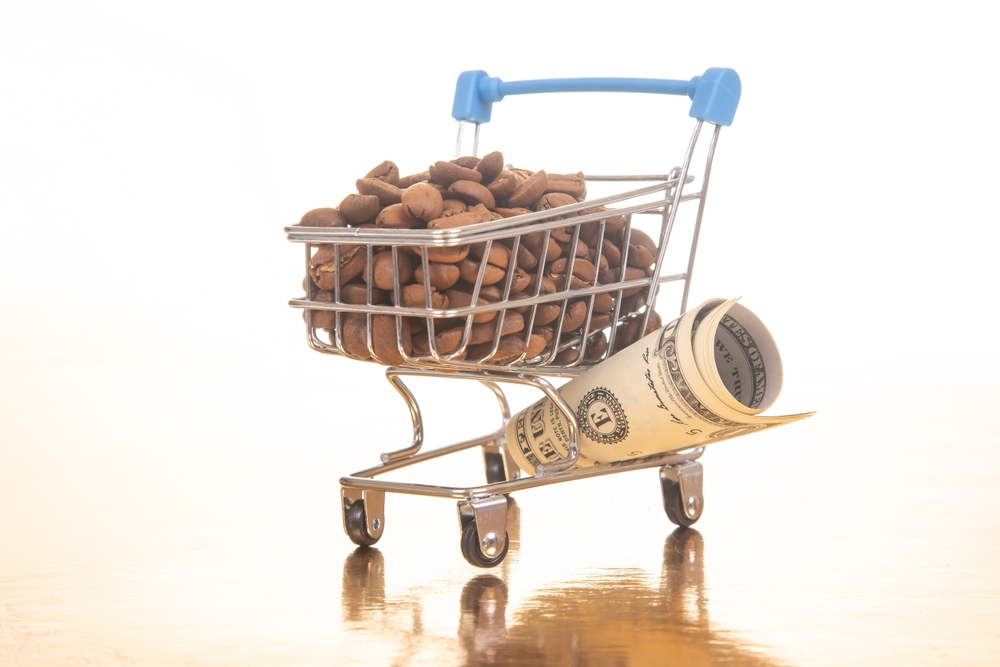
A $7 charge doesn’t trigger alarm bells. Your account balance never looks drained enough to prompt a change. That creates a false sense of financial health. You feel solvent while still being stuck.
Cash flow illusions are dangerous. They delay corrective action. You assume you’re doing fine because nothing hurts yet. Down payments don’t come from feeling fine—they come from intentional restraint.
8. It Steals From The Margin That Actually Funds Big Goals

Down payments aren’t funded by dramatic sacrifices. They’re funded by margins—what you don’t spend repeatedly. Daily coffee eats directly into that margin. Not aggressively, just persistently.
Margins are fragile. They disappear under habits that feel earned and harmless. Once the margin is gone, goals stretch further away. You don’t fall behind—you just never catch up.
9. It Conditions You To Ignore Small Financial Leaks

Daily coffee teaches you that small amounts don’t matter. That belief spreads fast. You stop noticing subscriptions, fees, and impulse buys. Leakage becomes background noise.
Over five years, it’s rarely just coffee. It’s coffee plus everything else that could get away with it. Small leaks sink big goals. Quietly and consistently.
10. It Makes “Someday” Feel Financially Responsible

Daily coffee spending gives you the illusion that you’re living reasonably. You’re not splurging on luxury items or blowing money dramatically. So big goals get deferred to “someday,” when things are calmer. Someday becomes a financial placeholder.
The habit reassures you that you’re not reckless. That reassurance delays urgency. Down payments don’t happen in someday mode. They require now-mode decisions.
11. It Keeps You Emotionally Dependent On Small Rewards

That daily coffee becomes a reliable hit of pleasure. It punctuates your day and gives you something to look forward to. Over time, it trains you to rely on spending for emotional regulation. Money becomes mood management.
When spending fills that role, saving feels like a loss. You’re not just giving up coffee—you’re giving up comfort. That emotional resistance is powerful. Big goals lose to small dopamine.
12. It Quietly Lowers Your Tolerance For Delayed Gratification  provided by Shutterstock
Daily indulgence trains your brain to expect immediate payoff. Waiting starts to feel unnecessary or even unfair. Long-term goals lose emotional pull because they don’t reward you right now. The gap between effort and reward feels too wide.
A down payment is delayed gratification at scale. It requires months or years of choosing later over now. When your habits are built around instant comfort, that muscle weakens. And without that muscle, big financial leaps stay theoretical.
This article is for informational purposes only and should not be construed as financial advice. Consult a financial professional before making investment or other financial decisions. The author and publisher make no warranties of any kind.